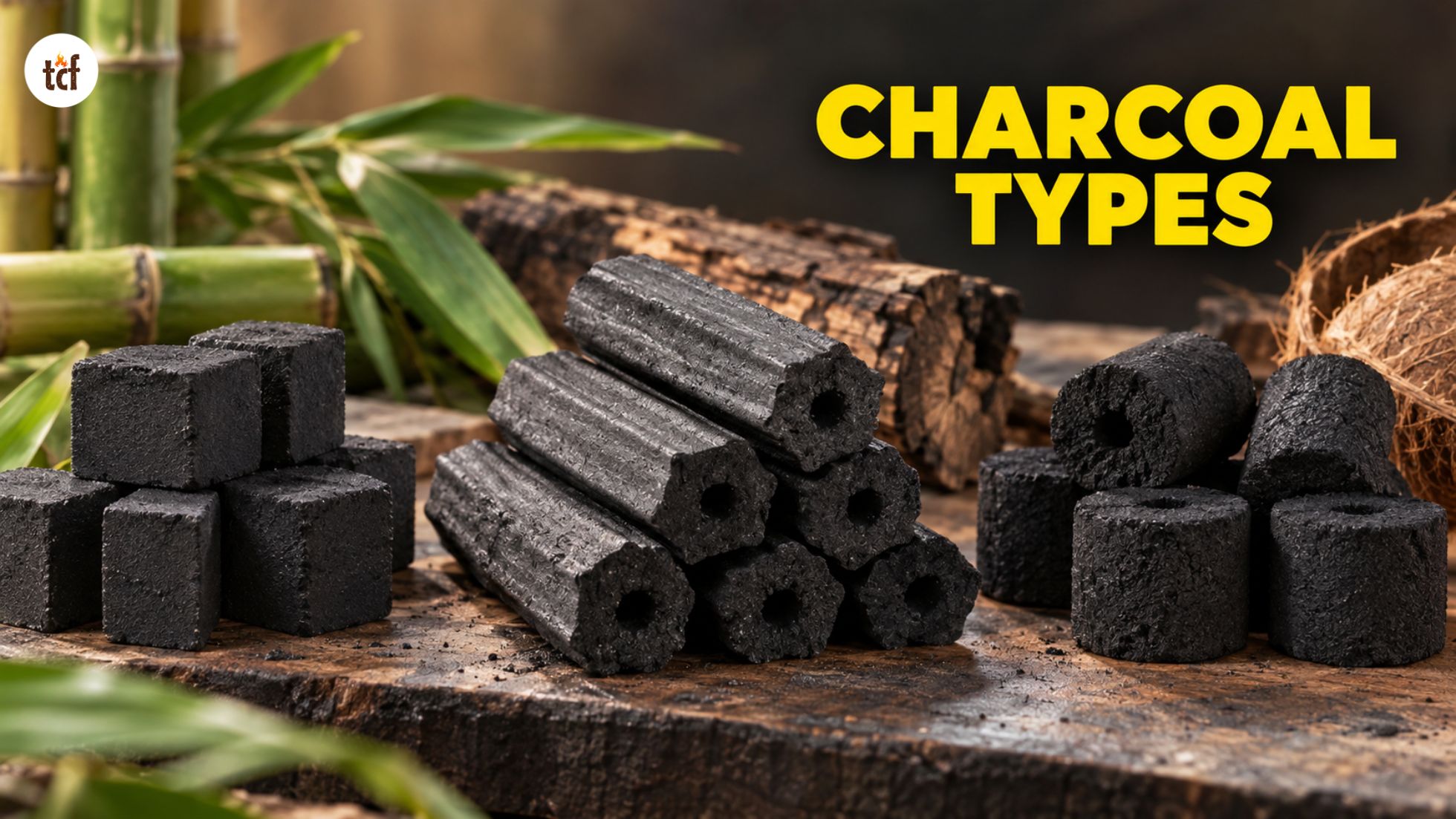


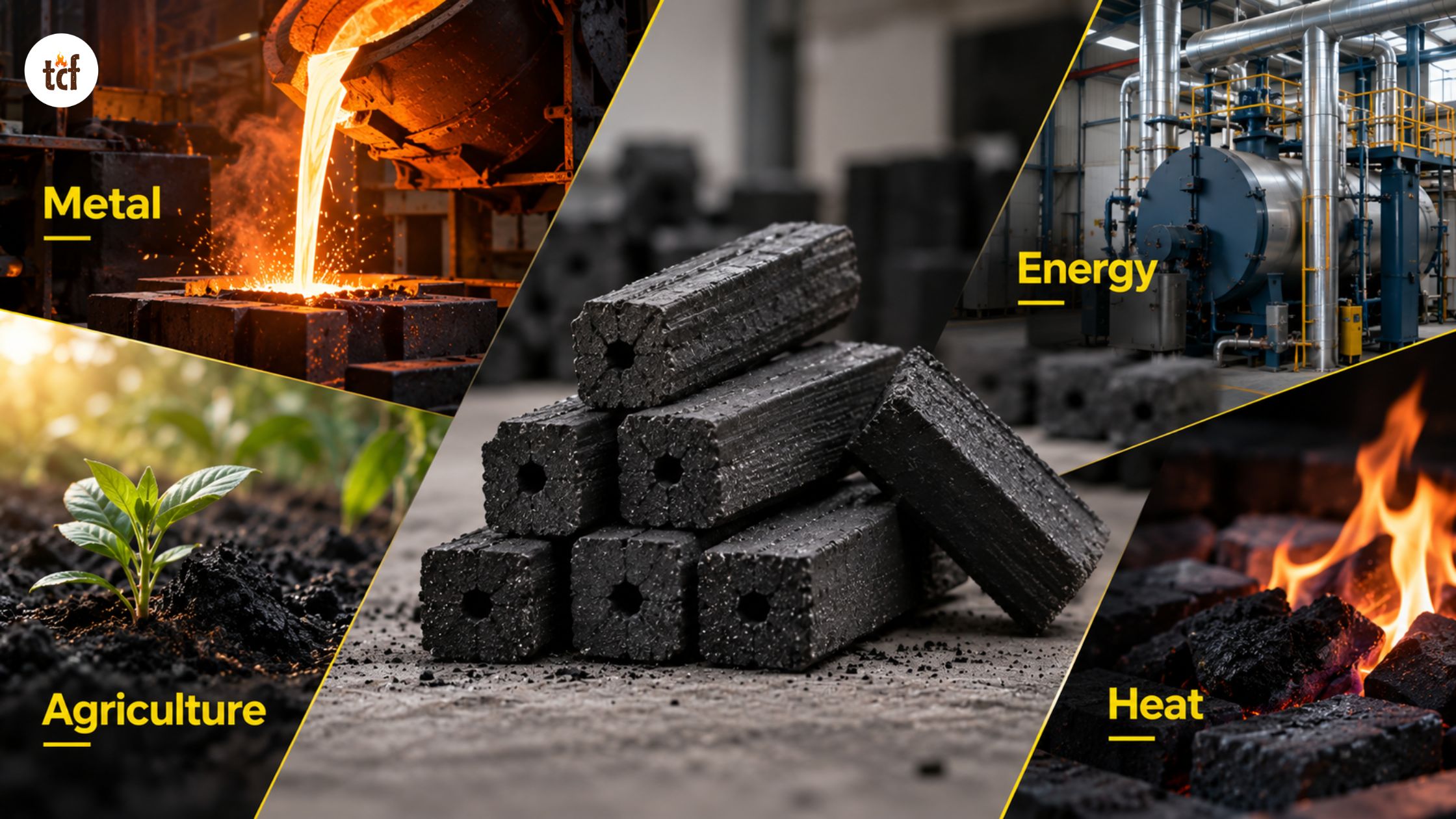
The Charcoal Uses in Industry span steel production, water purification, pharmaceuticals, agriculture, cosmetics, and emerging green-energy applications. Globally, the charcoal market reached 73.17 million tonnes in 2025 and is projected to hit 105.23 million tonnes by 2034. The grill is not driving that growth. The industry is.
Table of Contents
Why do Industries Still Rely on Charcoal in 2025?
Charcoal is a high-carbon, low-sulphur, low-ash fuel and reducing agent derived from renewable biological sources. Those three properties together are extremely difficult to replicate with fossil alternatives at comparable cost. Carbon content of 75 to 85% in quality industrial-grade charcoal gives it chemical purity that metallurgical coke from coal simply cannot match for certain smelting applications.
It is also increasingly relevant to companies under carbon accounting pressure. Because charcoal is biomass-derived, its combustion emissions are classified differently under Kyoto and Paris Agreement accounting rules compared to fossil fuels. That regulatory advantage is reshaping procurement decisions across multiple heavy industries right now.
1. What role does charcoal play in steel and pig iron production?
This is the largest single industrial use of charcoal by volume, and Brazil is the only country in the world still producing pig iron in charcoal-fired blast furnaces at commercial scale.
Brazil is a global leader in steel production using charcoal as a reducing agent, benefiting from climate and soil conditions that encourage rapid biomass production. Brazilian steelmaker Gerdau, with 250,000 hectares of managed eucalyptus forest, is the world’s largest producer of plant-based charcoal.
In a blast furnace, charcoal acts as a reducing agent, stripping oxygen from iron ore to produce metallic iron and replacing metallurgical coke derived from coal. Some sources estimate that Brazil’s use of biochar in replacing coal has reduced the sector’s emissions intensity from blast furnace operations by approximately 0.4 tCO2e per tonne of crude steel. In early 2024, Gerdau reported an emissions intensity of 0.86 tonnes CO2e per tonne of steel produced across its operations.
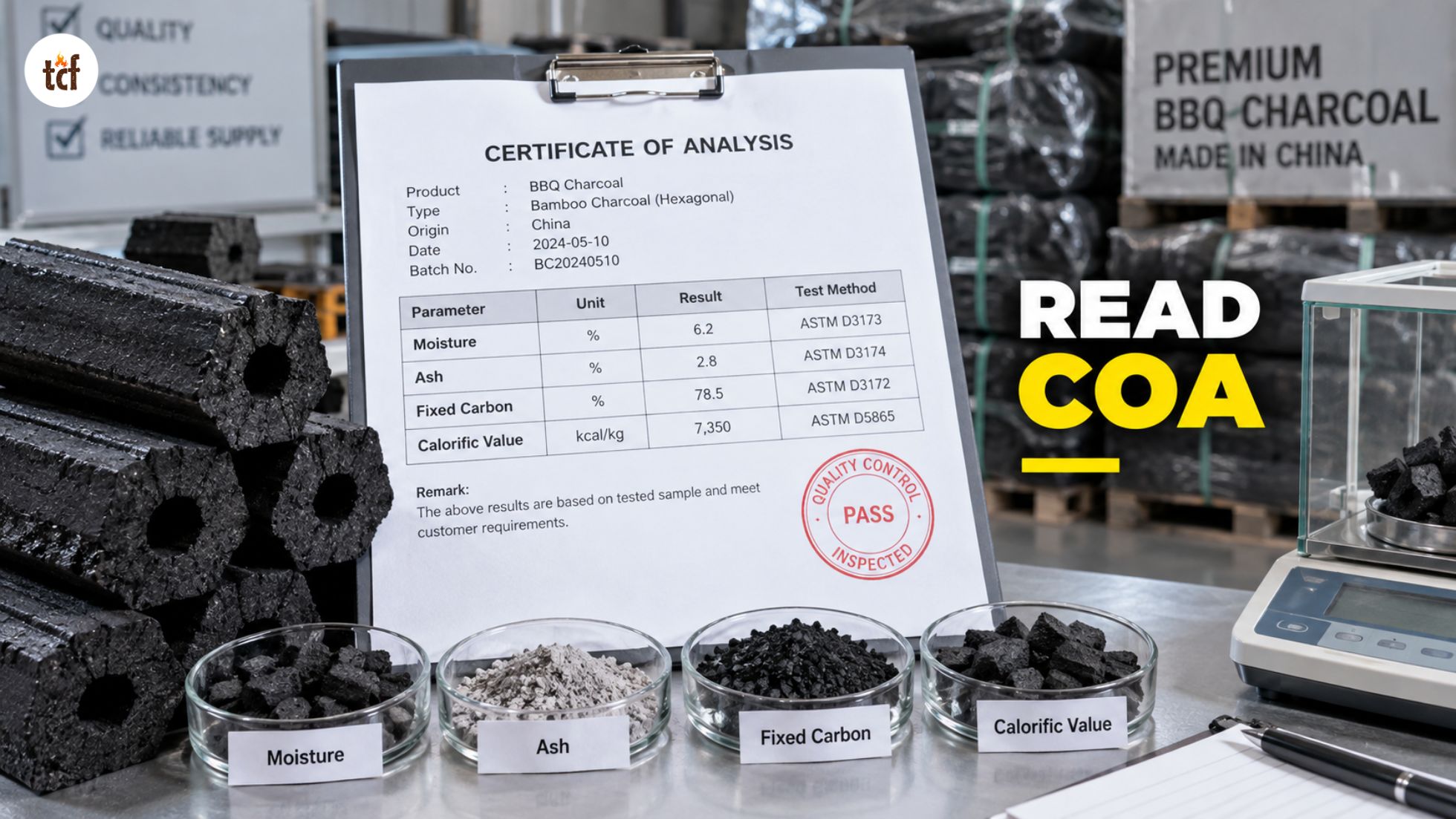
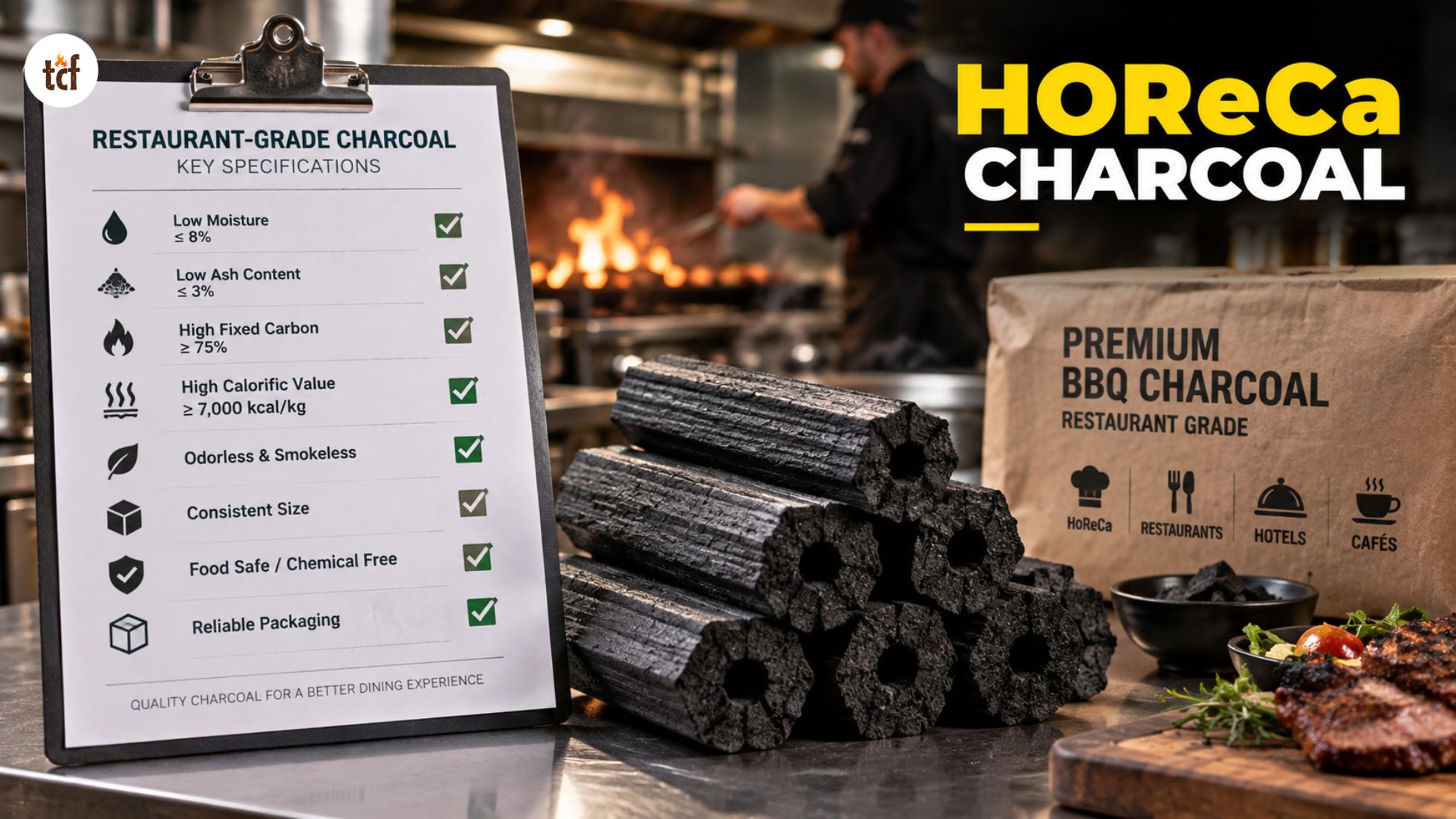
The specification requirement in this application is demanding: fixed carbon above 75%, ash below 3%, and sufficient mechanical strength to survive the burden pressure inside the furnace without fragmenting. This is not BBQ charcoal. It is an engineered industrial product from dedicated biomass supply chains. For the full breakdown of what fixed carbon, ash content, and other parameters mean in practice, see our charcoal grades explained guide.
2. How is charcoal used as a feedstock for activated carbon?
Charcoal is the primary raw material from which activated carbon is produced. Activated carbon is charcoal that has undergone secondary steam or chemical activation, increasing its internal surface area to approximately 500 to 1,500 m² per gram. That surface area is what gives it exceptional adsorption power.
The global activated carbon market was valued at USD 5.62 billion in 2025 and is projected to reach USD 11.9 billion by 2034, exhibiting a CAGR of 8.8% during the forecast period (Fortune Business Insights, 2025). Charcoal is the starting material for the entire market.
Charcoal is the reducing agent and fuel. Activated carbon is the adsorption medium. They share the same starting material but serve completely different functions. For more on what differentiates standard charcoal from specialist carbon products, see our types of charcoal guide.
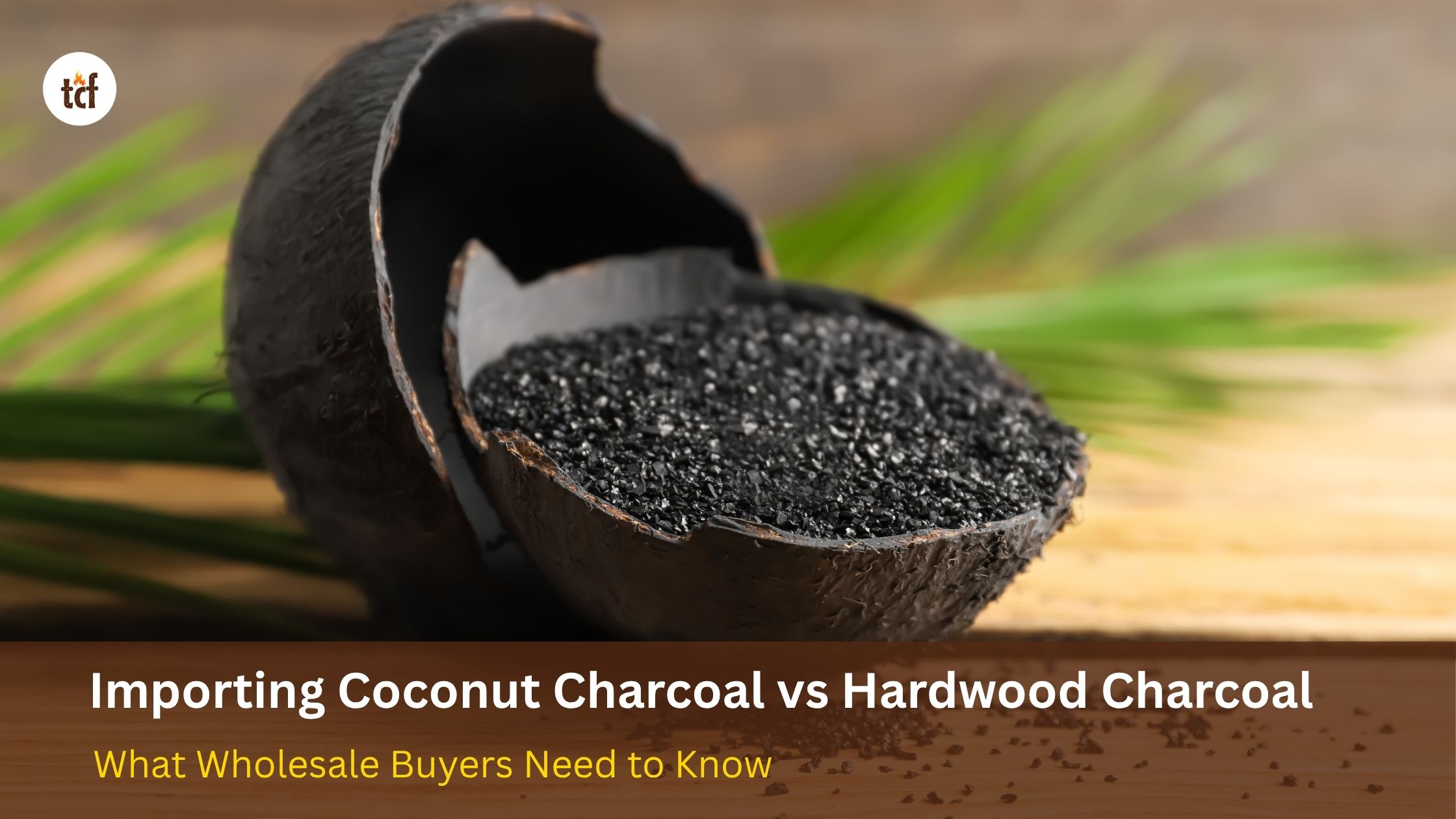
Coconut shell charcoal is the preferred feedstock for premium activated carbon production. Its dense, microporous structure after carbonisation produces activated carbon with a tighter pore size distribution than wood-derived alternatives. This is one reason coconut charcoal briquettes wholesale commands a premium in both wholesale and industrial markets.
3. Why is charcoal critical for water purification?
Water treatment held the largest revenue share of the activated carbon market in 2025 at 42.5%, driven by escalating global concerns over clean drinking water and increasingly stringent water quality regulations (Grand View Research, 2025).
Activated carbon derived from charcoal removes organic contaminants, chlorine, pesticides, pharmaceutical residues, PFAS compounds, and heavy metals from water. Municipal water utilities across Europe, North America, and Asia are increasing activated carbon usage to meet progressively stricter drinking water standards, particularly for PFAS removal.
The industrial scale of this application is significant. Over 400,000 metric tonnes of activated carbon was utilised in the sewage treatment sector in 2022 alone. This is one of the most consistent long-term demand drivers for high-specification charcoal feedstock globally.
4. How does the pharmaceutical industry use charcoal?
Activated charcoal derived from high-purity charcoal feedstock is a recognised pharmaceutical agent. In emergency medicine, oral activated charcoal is administered within one hour of toxic ingestion to adsorb poisons and drug overdoses in the gastrointestinal tract before systemic absorption occurs.
The pharmaceutical and healthcare treatment segment is a growing application area, with significant usage in hemodialysis treatments and pharmaceutical processing. Beyond emergency toxicology, pharmaceutical-grade activated carbon is used in drug purification processes, decolourisation of active pharmaceutical ingredients (APIs), and manufacturing of medications for digestive conditions.
The specification requirements in pharmaceutical applications are among the strictest in any industry, with USP or BP-certified purity required. The raw material quality of the charcoal feedstock is therefore a direct commercial differentiator in this segment.
5. What is biochar and how is it used in agriculture?
Biochar is charcoal produced specifically for application as a soil amendment. It is not a chemically separate material. It is the same carbonised biomass product applied for agricultural purposes, though production specifications differ based on the desired soil performance properties.
The global biochar market was valued at USD 695.68 million in 2025 and is projected to grow at a CAGR of 13.4% from 2026 to 2034, driven by increasing use in soil enhancement, carbon sequestration, and sustainable agriculture (Polaris Market Research, 2025).
When incorporated into soil, biochar improves water retention, increases cation exchange capacity (the soil’s ability to hold and release plant nutrients), and supports microbial activity. It is highly stable, persisting in soil for hundreds to thousands of years. This stability is what makes it relevant to carbon credit markets.
In 2025, Google signed an agreement with Indian supplier Varaha to purchase carbon credits from a project transforming agricultural waste into biochar. The agreement is one of the largest biochar transactions ever recorded and the first for Google in India’s carbon dioxide removal market (Transparency Market Research, 2025).
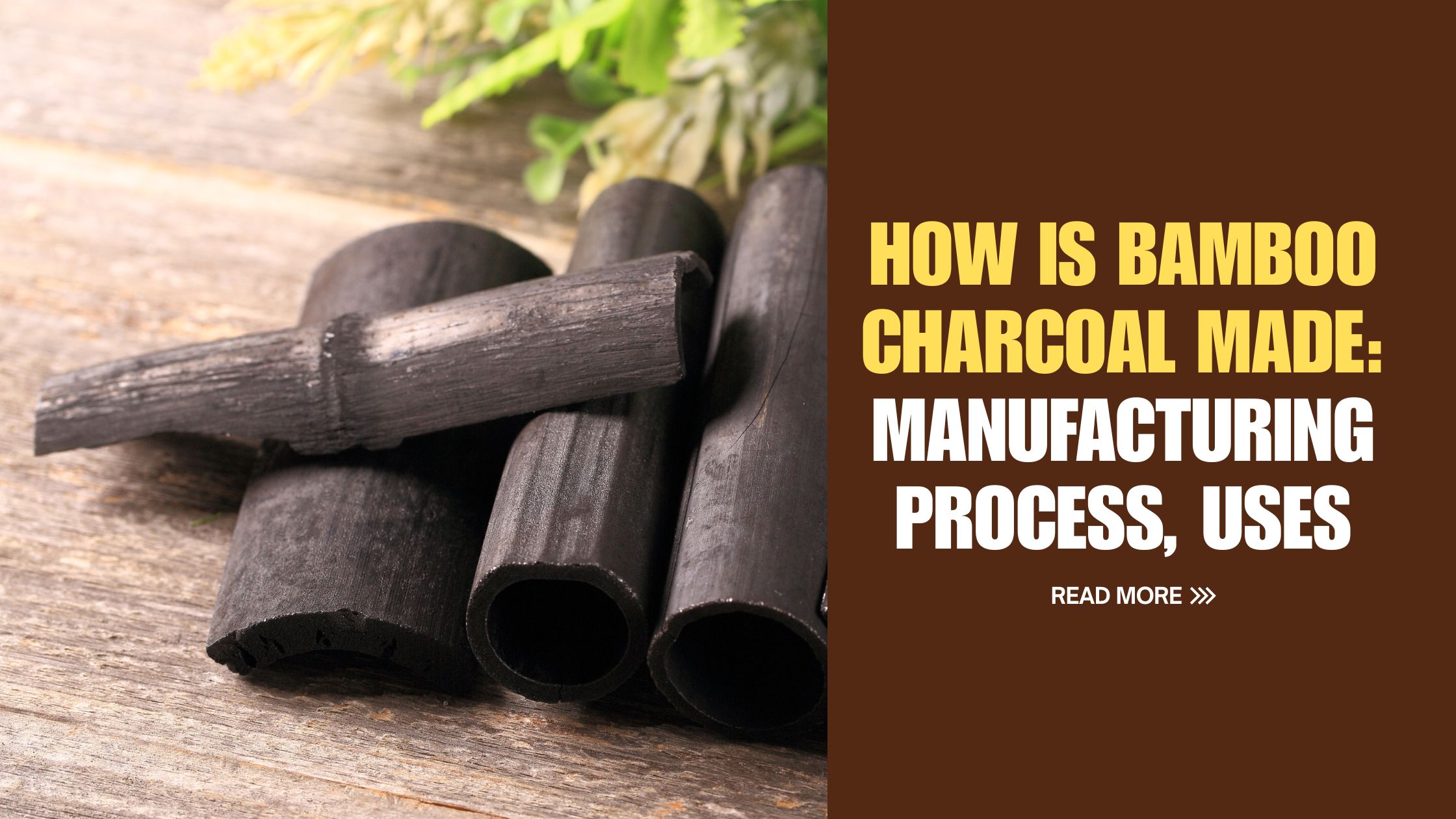
For more context on the bamboo charcoal segment that feeds directly into the biochar market, see our bamboo charcoal market size analysis.
6. How is charcoal used in cosmetics and skincare?
Activated charcoal derived from bamboo or coconut shell is now a mainstream ingredient in skincare formulations, particularly facial cleansers, masks, and toothpastes. Its mechanism is purely adsorptive: the porous surface binds to sebum, pollutants, and surface bacteria on skin, which are then removed when the product is rinsed off.
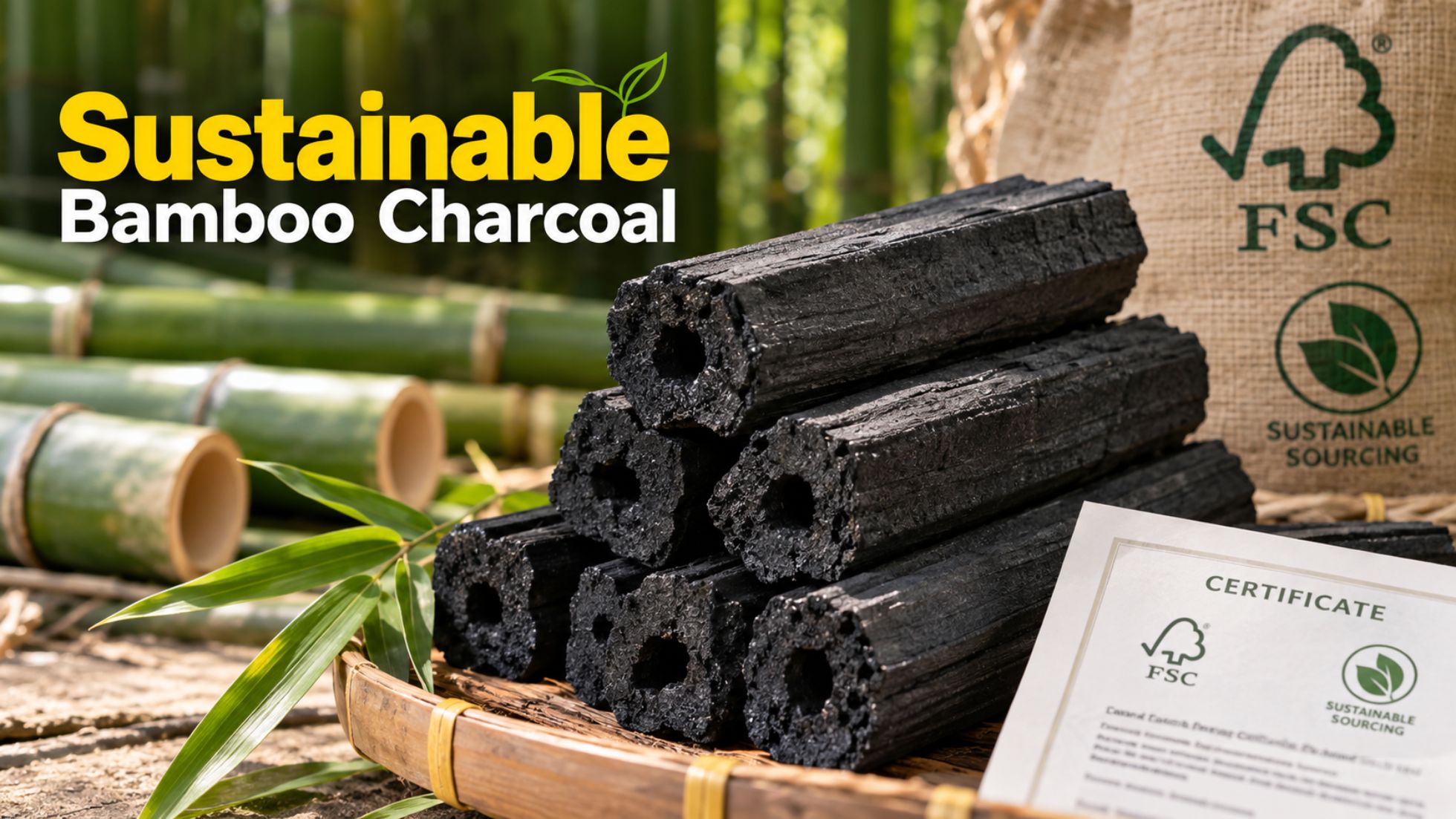
Bamboo charcoal specifically dominates the cosmetics application in Asia. Chinese, Korean, and Japanese skincare brands have driven significant innovation in bamboo charcoal formulations. The fine particle size achievable from bamboo-derived activated carbon makes it compatible with the texture requirements of premium skincare products.
For buyers interested in the bamboo charcoal supply chain and what makes this feedstock distinctive, see our wholesale bamboo charcoal category and our detailed guide on how bamboo charcoal is made.
7. What is charcoal’s role in sugar refining and food processing?
Raw cane sugar contains colour bodies, organic impurities, and off-flavours that must be removed before producing the white refined product. Granular activated carbon, derived from charcoal feedstock, is the standard industrial decolourant in sugar refining operations worldwide.
Dissolved raw sugar passes through beds of granular activated carbon, which adsorbs colour molecules, organic acids, and other non-sucrose components. The result is the colourless sucrose solution that is then crystallised into refined white sugar.
Sugar refining sits at the intersection of food-grade activated carbon applications and represents consistent, large-volume industrial demand that receives very little coverage in mainstream charcoal industry discussions. Food and beverage processing accounted for approximately 12.4% of activated carbon revenues in 2025 and is forecast to achieve the highest application CAGR of 9.1% through 2034 (DataIntelo, 2025).
8. How is charcoal used in air purification and emission control?
Activated carbon’s effectiveness in adsorbing volatile organic compounds (VOCs), sulphur compounds, and other hazardous air pollutants makes it a critical component in flue gas treatment, solvent recovery systems, and automotive emission control technologies.
Industrial facilities use activated carbon beds to capture solvent vapours before atmospheric release, meeting environmental permit requirements. Automotive evaporative emission control systems in petrol vehicles use small canisters of activated carbon to capture fuel vapour from the fuel tank, preventing hydrocarbon emissions when the engine is off.
Residential air purifiers using activated carbon filters address indoor air quality concerns including odours, cooking fumes, and VOC off-gassing from furniture and building materials. This consumer-facing application drives significant volume at the lower end of the activated carbon specification range.
9. What is charcoal’s role in gold recovery and mining?
Activated carbon is the standard medium for recovering gold from leach solutions in the carbon-in-pulp (CIP) and carbon-in-leach (CIL) gold extraction processes. Crushed ore is treated with a cyanide or thiosulphate solution that dissolves gold, and activated carbon granules are then added to adsorb the dissolved gold complex.
Major gold mines across Africa, Australia, and the Americas run continuous CIP/CIL circuits processing thousands of tonnes of ore per day. Activated carbon in this application is a consumable that is continuously regenerated and replaced on a scheduled basis.
The specification requirement for mining-grade activated carbon prioritises hardness (resistance to attrition in the process circuit) and adsorption capacity, rather than the food-grade purity criteria that apply in water treatment or pharmaceutical applications. It is a meaningfully different product specification to the charcoal used in any other industrial segment.
Also read – stainless steel grade 304 vs 316
10. How is charcoal contributing to industrial decarbonisation?
This is the newest and fastest-developing industrial application for charcoal. It sits at the intersection of materials science, energy policy, and carbon accounting.
Several industrial processes that have historically relied on fossil carbon are investigating charcoal as a partial biogenic substitute for coal and coke. These include silicon metal production for solar panels and semiconductors, ferro-alloy smelting, and cement production. Silicon metal is utilised broadly across industries including electronics, solar power generation, and metallurgy, and charcoal’s role as a reducing agent in silicon production is cited directly in industrial charcoal market analyses.
The core commercial logic is identical to steel: biogenic carbon from managed forestry has a different greenhouse gas accounting treatment than fossil carbon. As the EU Carbon Border Adjustment Mechanism (CBAM) phases in, industrial buyers in emission-intensive sectors have a financial incentive to substitute biogenic charcoal for fossil alternatives where technically feasible.
This creates an entirely new category of B2B demand for high-specification industrial charcoal that does not exist in the consumer BBQ market at all.
What Types of Charcoal are Used in Industrial Applications?
The charcoal used in industrial settings is specified very differently from the product sold to retail consumers. The table below summarises the key distinctions by application.
| Application | Charcoal type | Key specification |
| Steel and pig iron production | Hardwood lump or biomass charcoal | Fixed carbon 75%+, ash below 3%, high mechanical strength |
| Activated carbon production | Coconut shell, bamboo, or hardwood | Dense feedstock, low ash, consistent fixed carbon |
| Water treatment | Activated carbon (granular or powder) | High surface area, 500 to 1,500 m²/g |
| Pharmaceuticals | Activated carbon (pharmaceutical grade) | USP/BP certified purity |
| Agriculture and biochar | Any biomass charcoal | pH, surface area, pore distribution for soil type |
| Sugar refining | Granular activated carbon | Food-grade certified, high adsorption capacity |
| Gold recovery | Hardened granular activated carbon | High hardness, high adsorption rate |
| Air purification | Activated carbon (granular or pellet) | VOC adsorption capacity, pore size profile |
| Cosmetics | Bamboo or coconut activated carbon | Fine particle size, food and cosmetic grade purity |
| Green steel and decarbonisation | Biomass charcoal (biochar injection) | Fixed carbon, low sulphur, certified biogenic origin |
For buyers sourcing charcoal at wholesale scale for commercial or industrial purposes, our bulk charcoal page and charcoal distributor supplier page cover available product categories. To understand the manufacturing process behind industrial-grade products, see our charcoal manufacturing guide.
Related reading: types of charcoal, charcoal manufacturing, how charcoal briquettes are made, bamboo charcoal market size, what is lump charcoal made of, and our charcoal distributor supplier page.
External sources:
- IMARC Group — Charcoal Production Cost Analysis Report 2026: Global Market Volume and End-Use Industries
- Global Energy Monitor — Forging a Sustainable Future: Brazil’s Opportunity to Lead in Steel Decarbonisation
FAQ – Charcoal Uses in Industry
What is the most important industrial use of charcoal by volume?
Steel and pig iron production is the largest single industrial use of charcoal by volume. Brazil alone consumed 8.7 million tonnes of charcoal for industrial purposes in a peak year, with pig iron production accounting for approximately 84.9% of that total. The metallurgical sector globally drives demand for high-specification, high-fixed-carbon charcoal at a scale that dwarfs all other industrial applications combined.
Is industrial charcoal the same as BBQ charcoal?
No. Industrial-grade charcoal is produced to tighter specifications, with fixed carbon content above 75%, ash below 3%, and controlled mechanical properties that standard BBQ charcoal does not need to meet. The raw material, kiln method, and production controls differ significantly. Some manufacturers produce both grades from separate production lines, but the products are not interchangeable in industrial applications.
What makes coconut shell charcoal preferred for activated carbon production?
Coconut shell charcoal has a naturally dense, microporous structure after carbonisation. When activated, this structure produces a pore size distribution particularly effective for adsorbing small organic molecules, which is what water treatment and pharmaceutical applications require. The resulting activated carbon from coconut shell has higher hardness, lower ash, and better adsorption efficiency per unit weight than wood-derived alternatives in most liquid-phase applications.
How does biochar differ from standard charcoal?
Biochar and charcoal are the same material chemically: both are carbonised biomass produced by pyrolysis. The difference is in the production specification and intended use. Biochar is produced to optimise agronomic performance properties including pore structure for water retention, pH characteristics, and surface chemistry for nutrient exchange. Standard BBQ or industrial charcoal is produced to optimise heat output, fixed carbon content, or hardness. The same facility can produce both, but the kiln parameters and feedstock selection differ by application.
Which countries produce the most industrial charcoal?
Brazil is the undisputed leader in metallurgical charcoal production. Indonesia is the largest exporter of charcoal overall, with production focused on coconut shell and hardwood products for BBQ, shisha, and activated carbon feedstock markets. China produces significant volumes of bamboo charcoal for industrial and cosmetics applications. For a full breakdown of origin by product type, see our top countries exporting charcoal guide.
Can charcoal replace coal in industrial processes?
Partially, and this is an active area of industrial development. Charcoal can substitute for metallurgical coke in blast furnaces, as Brazil demonstrates at scale. It is also being trialled as a partial replacement for coal in silicon metal production and ferroalloy smelting. Full replacement is not currently practical in most processes due to the volume of charcoal required. Partial substitution of 10 to 30%, however, is both technically feasible and commercially relevant for companies under carbon accounting pressure.