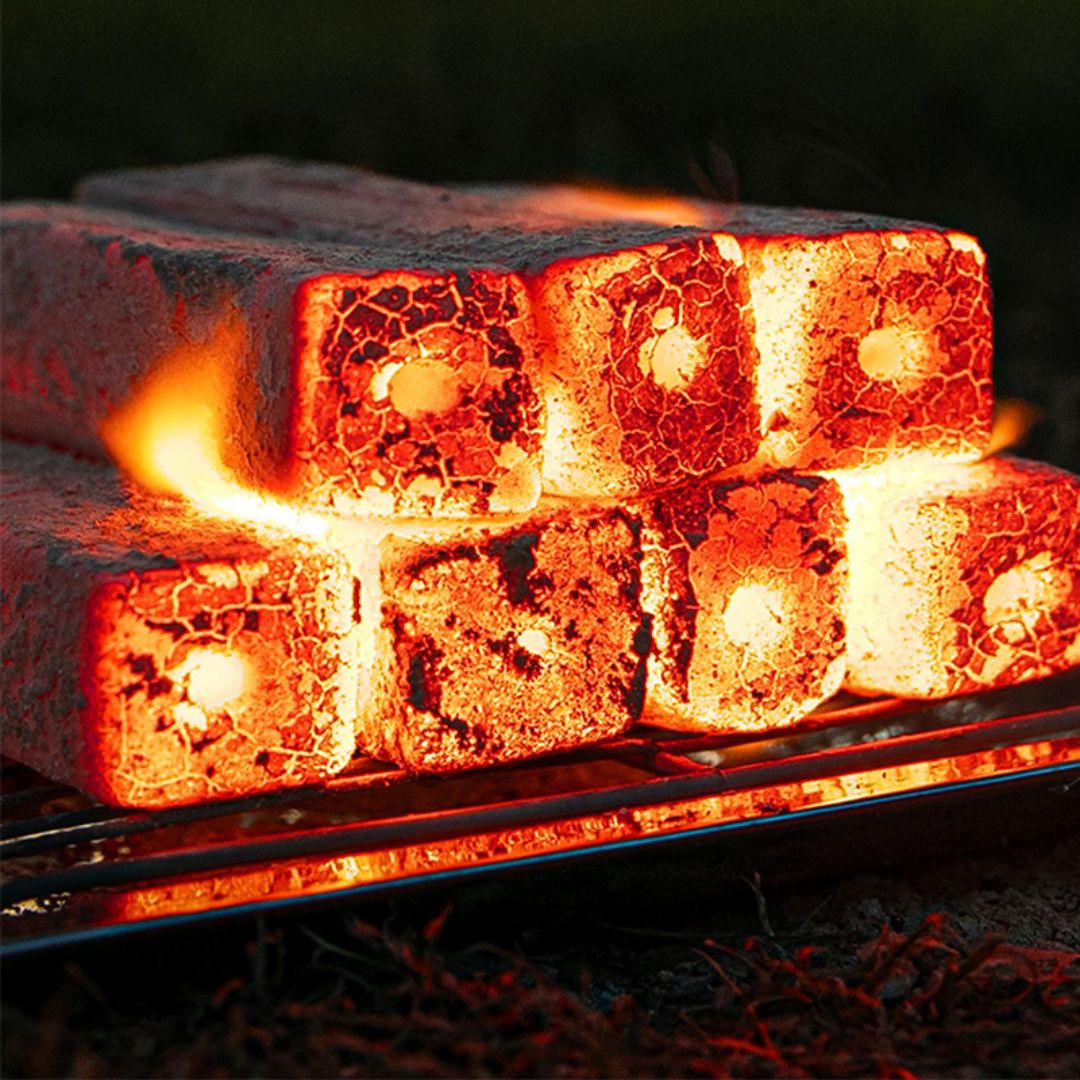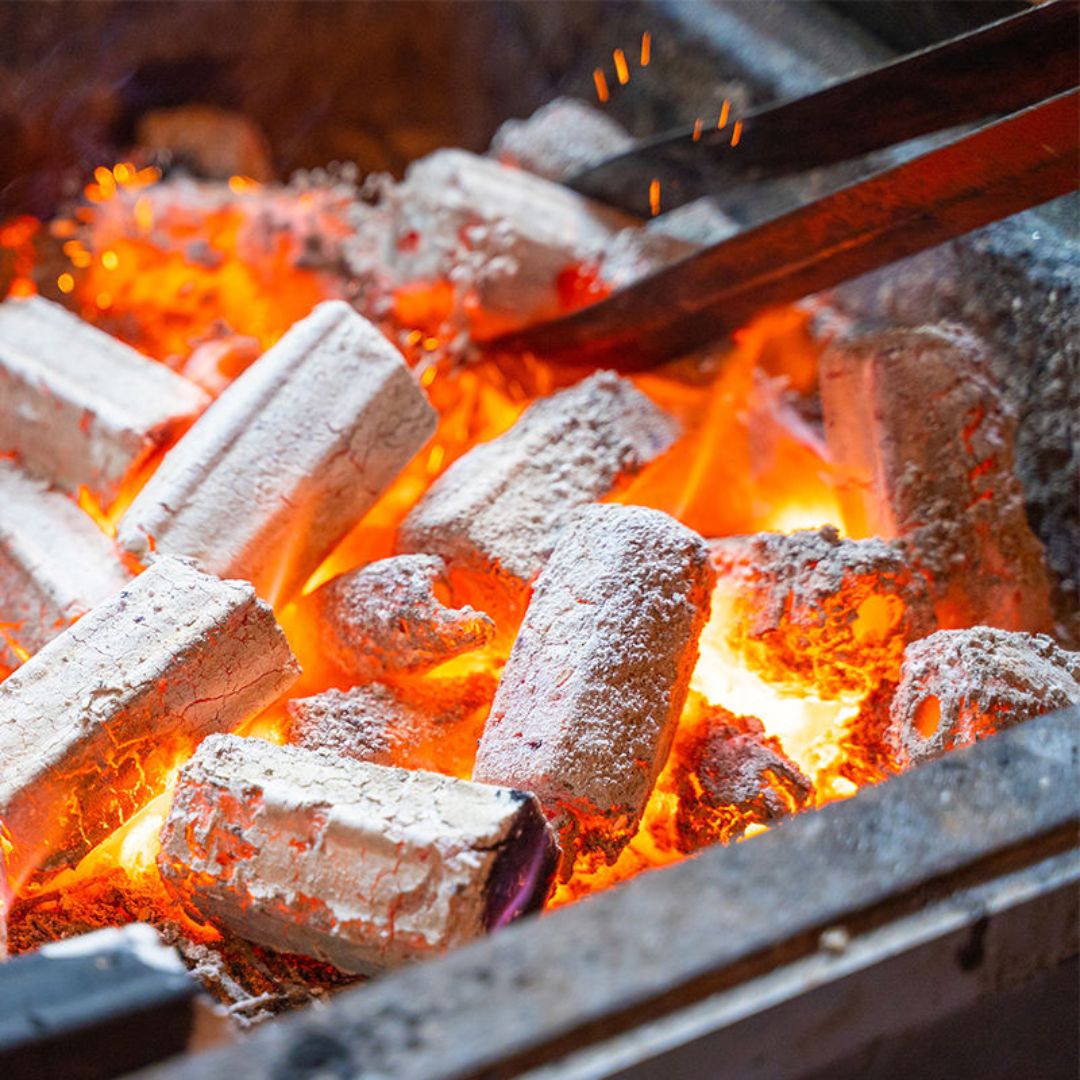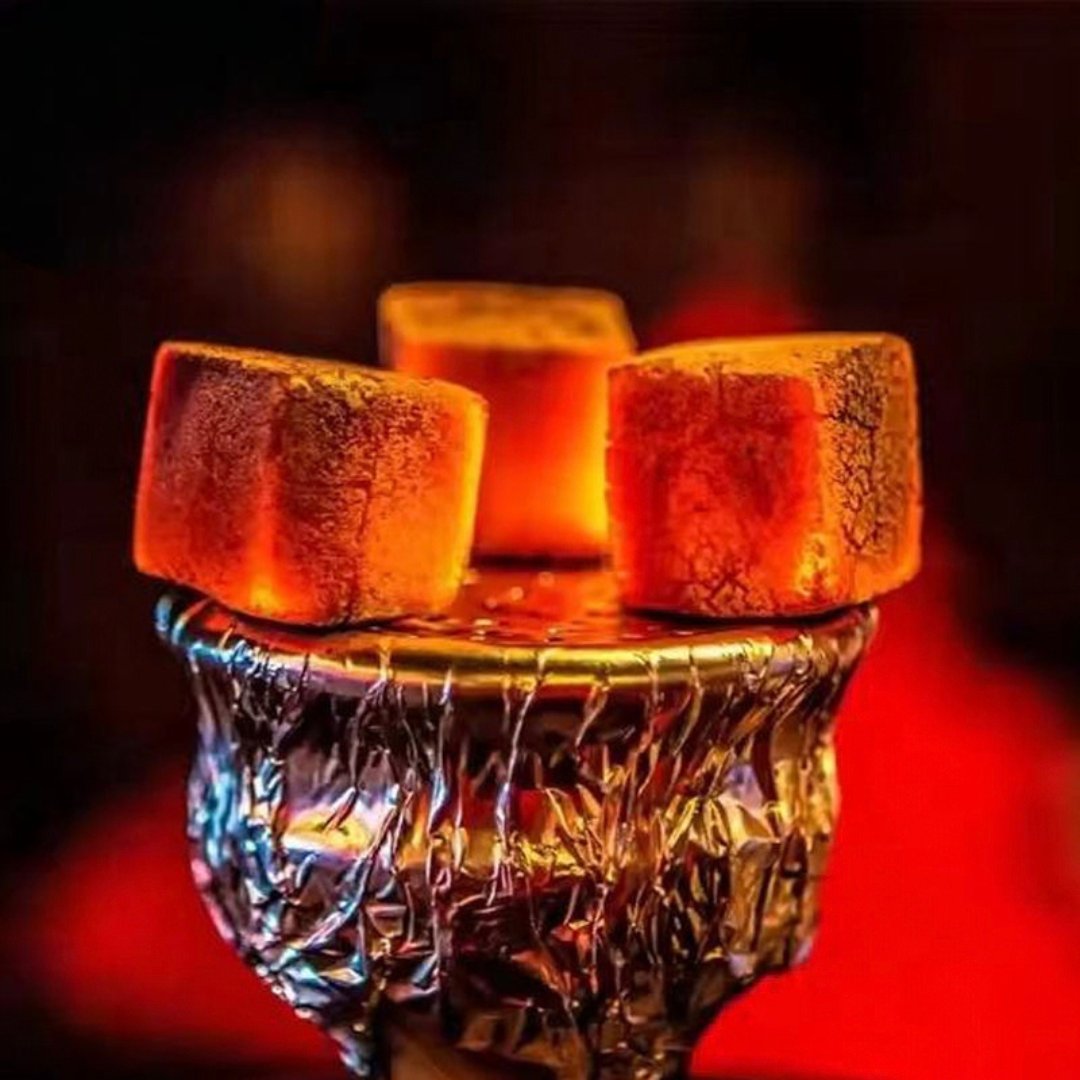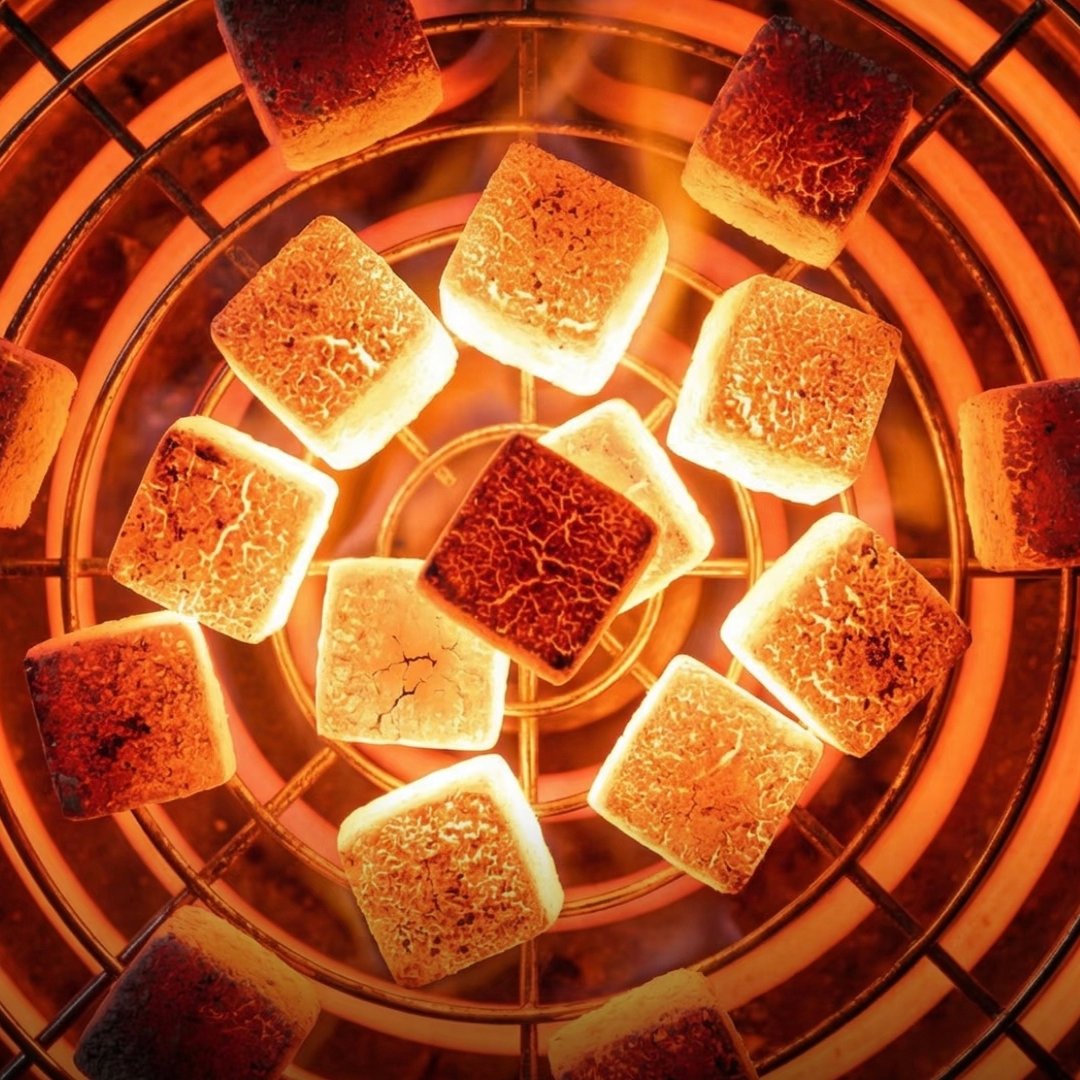


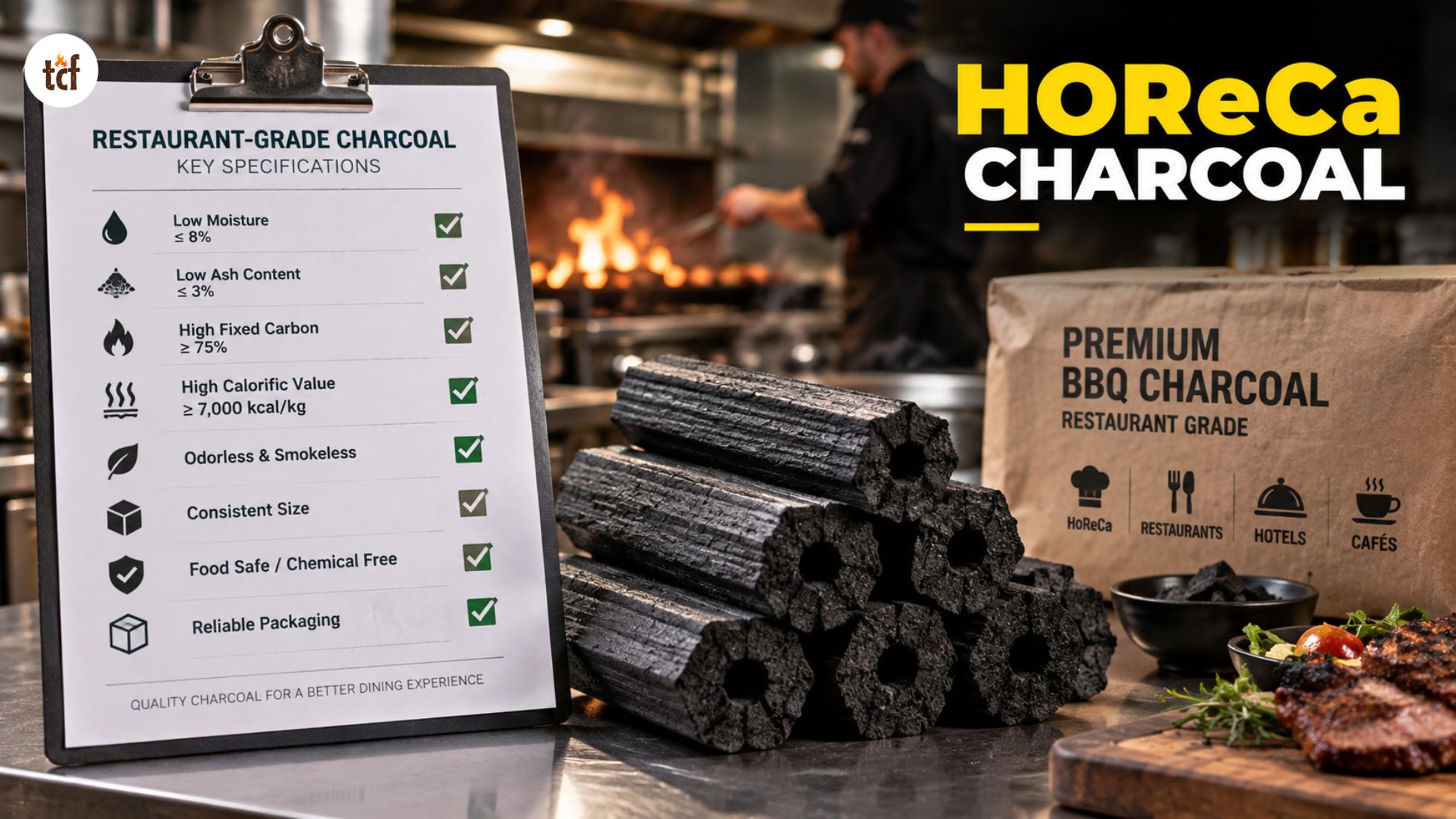
Restaurant-grade charcoal specifications: There’s no legal or universal definition of “restaurant-grade” charcoal. What HoReCa buyers actually need to require is a specific bundle of measurable specs: fixed carbon above 72 to 75%, ash content under 5 to 7%, moisture under 6 to 8%, consistent piece size, and a Certificate of Analysis on every shipment, not just the first sample order.
Here’s what to put in an RFP or supplier agreement instead of trusting a vague “premium quality” claim on a quote sheet.
Table of Contents
Why “Restaurant-grade charcoal specifications” needs a definition, not a label
Every supplier will call their product restaurant-grade, premium, or commercial-quality. None of those terms are regulated or standardized across the industry. As covered in our guide on charcoal grades, one supplier’s A-grade is another supplier’s B-grade, since there’s no international standard defining what the labels mean.
For a single-location restaurant, an inconsistent batch is an inconvenience. For a chain running the same char-broiler setup across 15 locations, an inconsistent batch is a service failure, uneven cook times, inconsistent char, and a line cook improvising around fuel that doesn’t behave the way last week’s batch did.
Core specs to put in writing
| Spec | Recommended requirement | Why it matters for HoReCa specifically |
| Fixed carbon | 72%+ (wood), 75%+ (bamboo) | Directly drives heat output and burn consistency across shifts |
| Ash content | Under 5 to 7% | Higher ash clogs airflow in char-broilers and increases mid-service cleaning |
| Moisture | Under 6 to 8% | High moisture delays ignition and produces inconsistent heat at service start |
| Piece size range | Defined tolerance (e.g. 90% within a stated size band) | Uneven pieces burn unevenly, a real problem across multiple broiler stations |
| Odor at ignition | No chemical or sulfur smell | A direct sign of coal-derived additives, discussed further below |
Our charcoal ash content and moisture specs guide and charcoal quality specifications guide break these numbers down further if you’re building a formal spec sheet for procurement.
The hazard categories that actually apply here
Commercial kitchens already operate under HACCP (Hazard Analysis and Critical Control Point) principles, which classify risks as biological, chemical, or physical. Charcoal fuel isn’t a food-contact ingredient, but it sits close enough to the cooking process that the same hazard categories are worth applying deliberately:
- Chemical hazard: charcoal blended with coal-derived material (mineral char, anthracite) can introduce sulfur compounds and additives you don’t want anywhere near an open cooking surface. This is exactly the concern covered in our piece on machine-made vs natural charcoal, some lower-cost machine-made products aren’t fully disclosed on composition.
- Physical hazard: excessive fines and dust in a batch, a sign of poor screening during manufacturing, can affect airflow and, in enclosed systems, create more particulate than a well-screened batch.
You don’t need to run a formal HACCP audit on your fuel supplier, but treating “what’s actually in this charcoal” as a real question, not a formality, is consistent with how commercial kitchens already approach hazard management more broadly.
Consistency across shipments, not just the first sample
This is the single most common gap between what a HoReCa buyer expects and what they get. A supplier’s sample batch, carefully produced for a new customer’s approval, isn’t a guarantee of what will ship in month 6.
Require:
- A Certificate of Analysis (COA) per shipment, not just the initial sample
- A pre-shipment inspection for container orders, covering both quality testing and quantity verification; our guide on pre-shipment inspection (SGS) covers how this process works and what it catches
- Numeric tolerance bands written into your supply agreement, not verbal assurances, our guide on bulk charcoal supply contracts covers how to structure a quality clause with an actual rejection or price-adjustment mechanism attached
Packaging and format for kitchen operations
Restaurant-grade isn’t only about what’s in the charcoal; it’s also about whether the format fits how a kitchen actually works:
- Box or bag weight suited to line cook handling, not a format designed for retail shelf appeal
- Piece uniformity matched to your equipment; char-broilers commonly require a minimum clearance above the cooking surface (often cited around 42 inches under commercial kitchen equipment guidance), and consistent fuel sizing matters for even heat distribution under that clearance
- Consistent case count per shipment, so kitchen managers can standardize inventory counts across locations without recalculating burn rate every delivery
Also read – how is bamboo charcoal made
What to ask before signing with a supplier
- Can you provide a Certificate of Analysis for every shipment, not just the initial sample?
- What’s your documented ash, moisture, and fixed carbon range, not a single target number, but the actual variance across recent batches?
- Is your product 100% biomass, or does it include any coal-derived or mineral additive? Ask this directly; don’t assume.
- What’s your process for a batch that falls outside agreed tolerances: replacement, credit, or something else, and is that written into the contract?
- Can you support multi-location delivery scheduling without a per-shipment renegotiation?
A quick spec sheet template
If you’re building an RFP, structure it around this order: fixed carbon minimum, ash content maximum, moisture maximum, piece size tolerance, odor/composition disclosure, COA requirement per shipment, and packaging format. Suppliers who answer all 7 with specific numbers, not general reassurance, are the ones worth shortlisting.
Sourcing for restaurant and foodservice volume
If you’re setting up or reviewing a HoReCa charcoal supply agreement, our bulk charcoal for restaurants page covers our current product range, spec documentation, and how we structure quality consistency across multi-location orders. It’s built specifically around the requirements in this guide, not adapted from a retail product line after the fact.
This article is for general informational purposes. Confirm current specifications, documentation, and food-safety-adjacent guidance directly with your supplier and local health authority before finalizing a HoReCa supply agreement.
Also read – types of charcoal
Frequently asked questions
What ash content is acceptable for commercial kitchen use?
Commonly under 5 to 7%, though the right number depends on your equipment and cook volume. Higher ash content increases mid-service airflow issues and cleaning frequency, both of which matter more at commercial volume than for occasional home grilling.
How do I verify a supplier’s charcoal doesn’t contain coal-derived material?
Request a Certificate of Analysis and ask directly about composition and binder type. A sharp sulfur-like smell at ignition can be a warning sign, though lab verification through a COA or pre-shipment inspection is more reliable than a smell test alone.
Should every shipment come with a Certificate of Analysis, or just the first order?
Every shipment. A strong first sample doesn’t guarantee consistent quality across months of ongoing supply; this is the most common gap between buyer expectations and the actual product delivered.
What’s the difference between restaurant-grade and standard retail charcoal?
Mainly consistency and documentation. Retail charcoal is built for single-bag, single-use purchases where minor batch variation isn’t noticeable. Restaurant and multi-location HoReCa supply needs defined tolerances, COA-backed consistency, and packaging suited to commercial kitchen workflow, not just a “premium” label.