



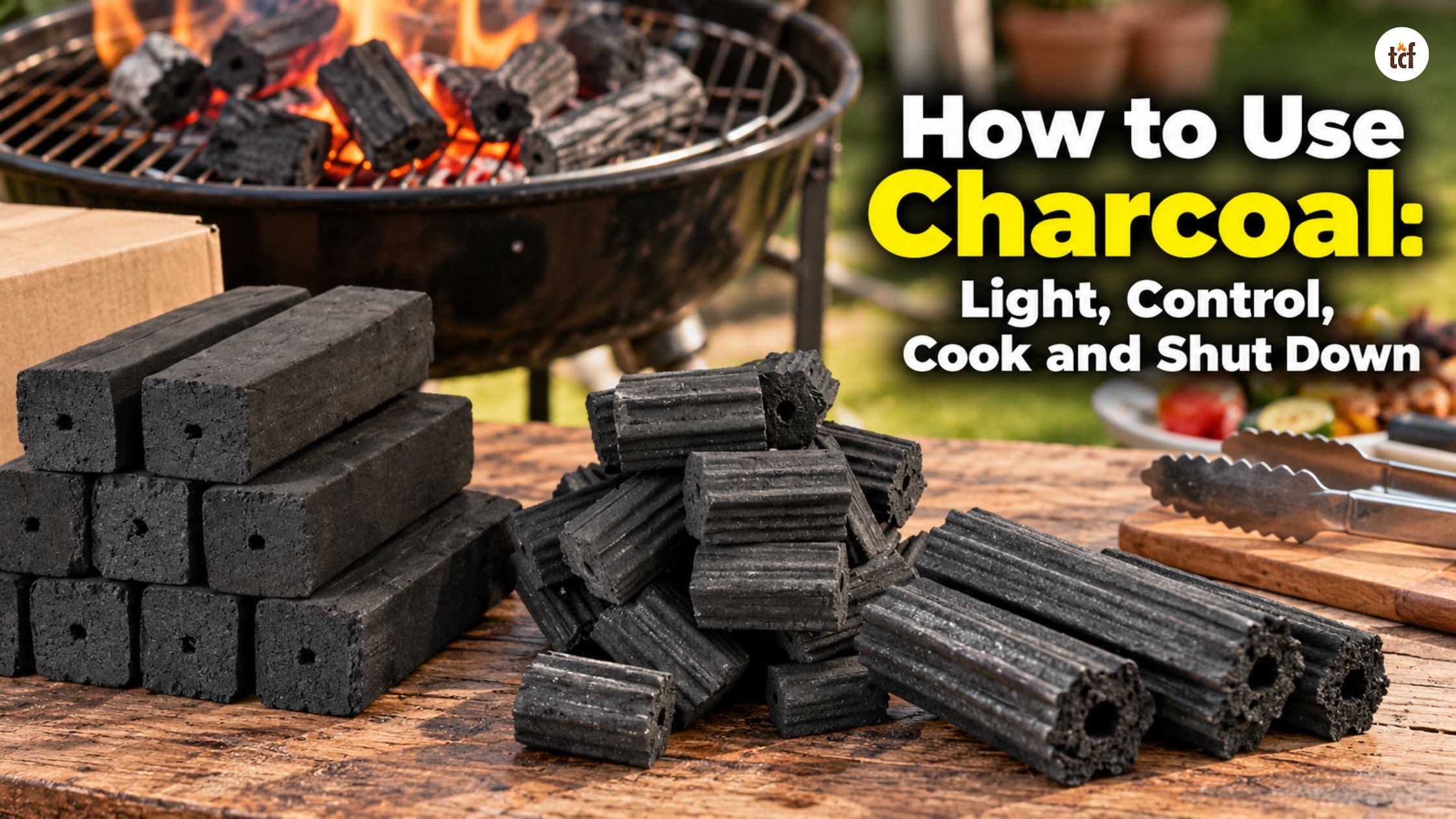
How to use charcoal comes down to four stages: light it fully in a chimney starter, arrange it so you can control the heat, cook over the right zone, and shut it down safely when you’re done. Get the first and last stages right and the cooking in between becomes much easier.
The steps are the same for lump, extruded and bamboo charcoal. Dense extruded bamboo charcoal simply takes longer to light and burns longer once it is going.
Key takeaways
- Light with a chimney starter, not lighter fluid, and never add fluid to coals that are already lit.
- Wait until the coals are covered in grey ash before you start cooking.
- Use two zones: one hot side for searing and one cooler side for gentle cooking.
- Control heat with the vents. More air means more heat.
- Only add lit charcoal during a long cook.
- Shut down by closing the vents, then let ash cool for 48 hours before moving it to a metal container.
- Only use charcoal outdoors. Burning charcoal gives off carbon monoxide.
How to use charcoal, step by step
Step 1: Light the charcoal
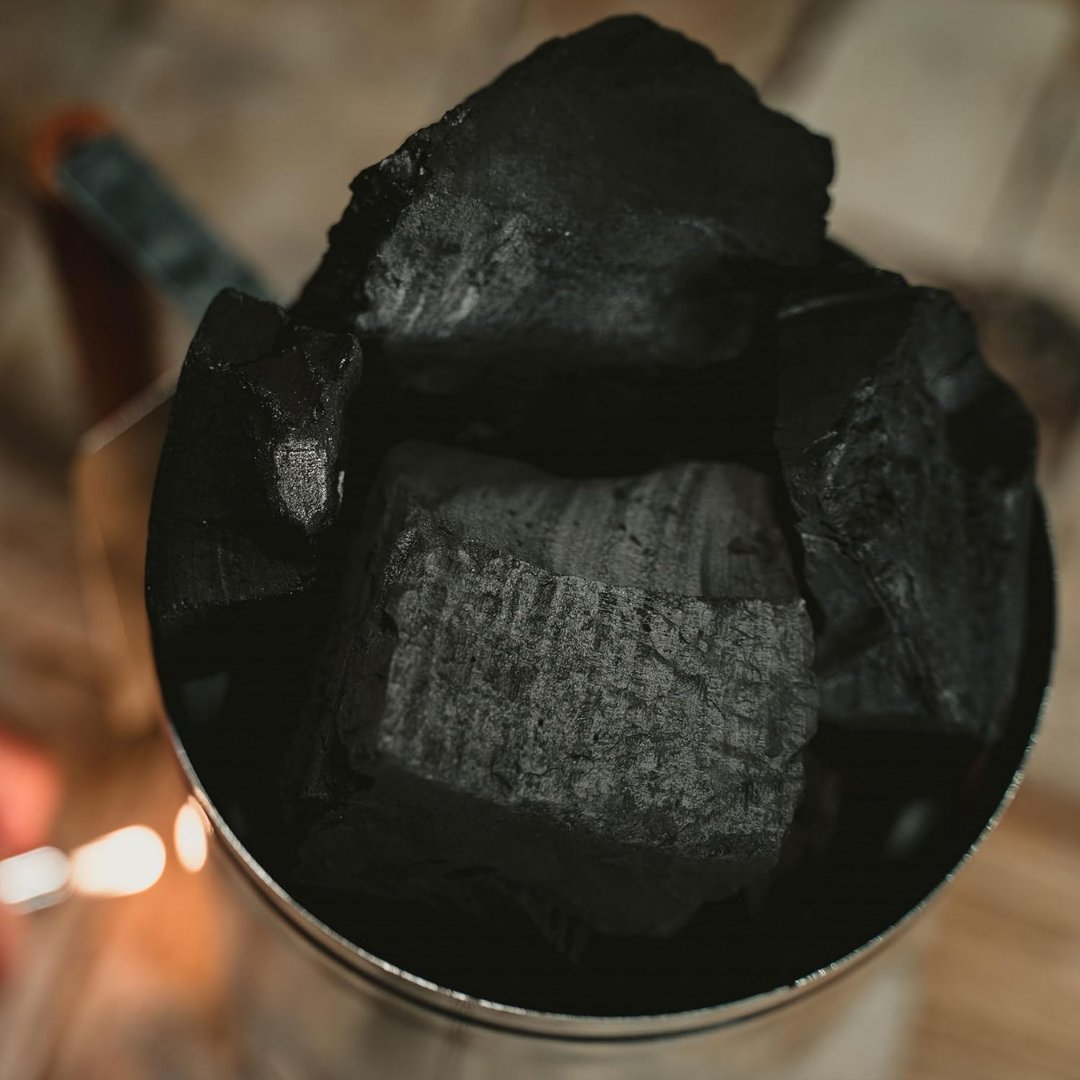
A chimney starter is the easiest and cleanest way to light any charcoal.
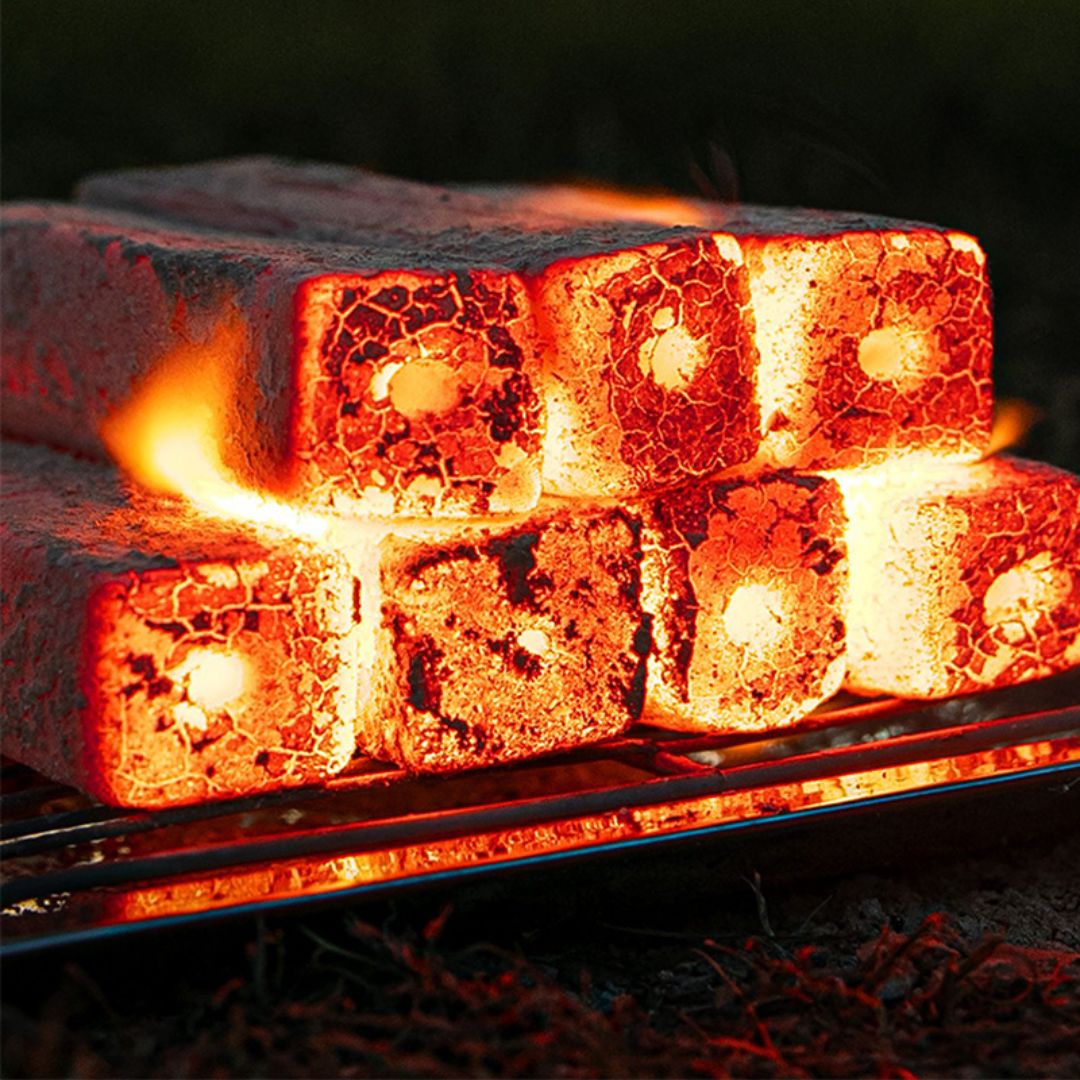
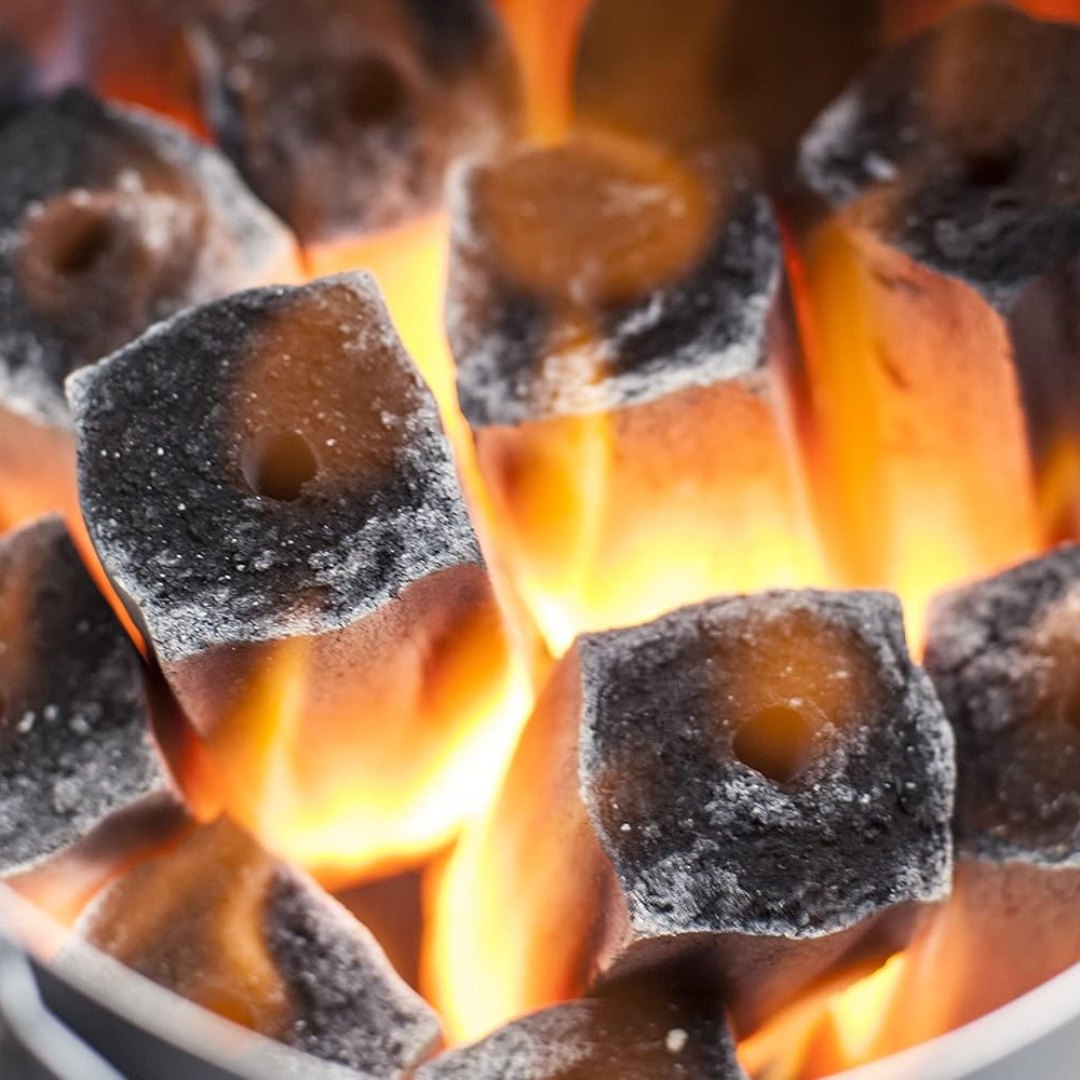
- Fill the chimney with the amount of charcoal you need. With machine-made rods that have a center hole, standing them upright helps flames travel up through the middle.
- Place a natural fire starter (a wax-and-wood cube or crumpled newspaper) under the chimney on the grill’s charcoal grate.
- Light the starter and leave the chimney alone. Flames will rise through the charcoal.
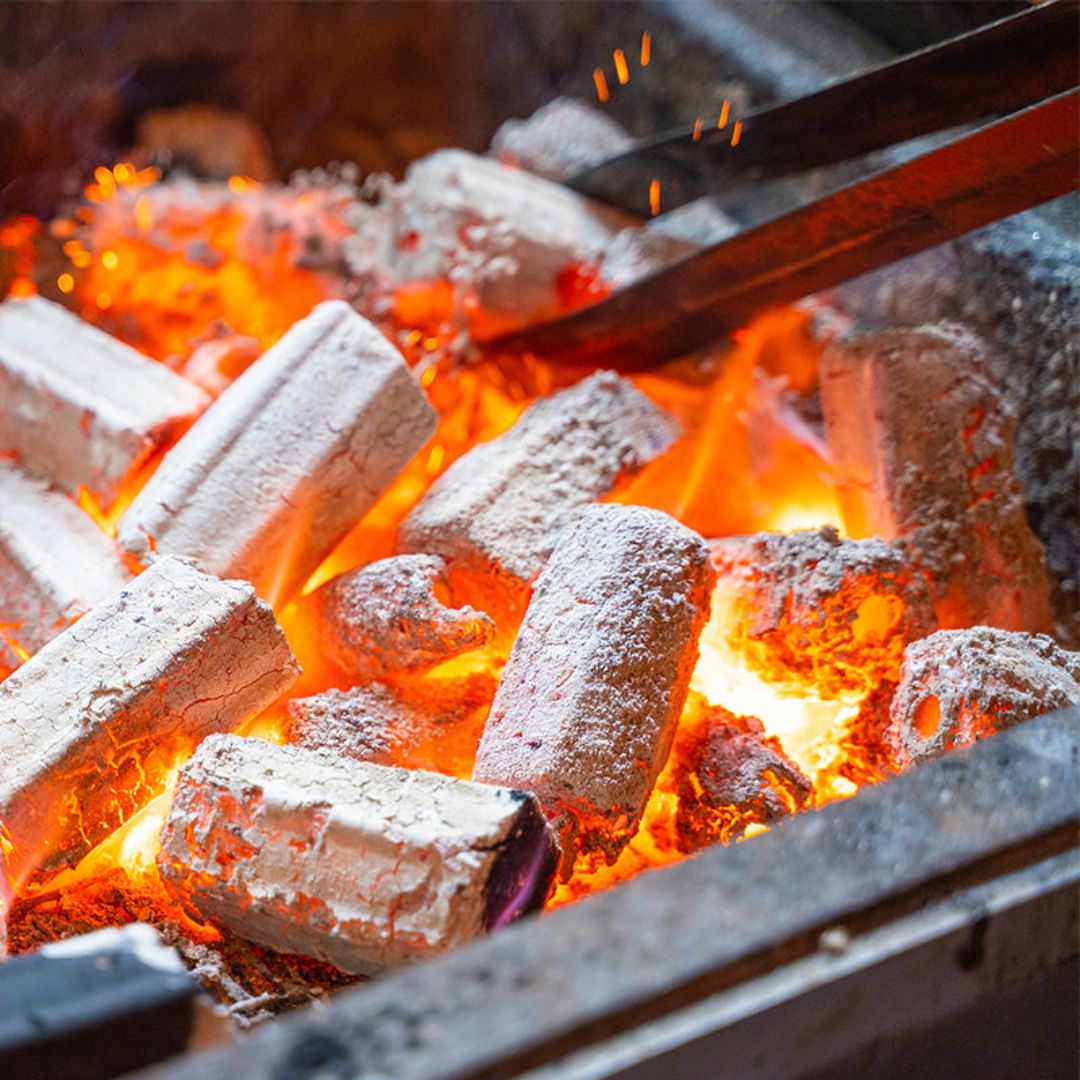
- Wait until the top pieces are covered in grey ash. Dense charcoal, such as high-temperature bamboo charcoal, takes noticeably longer than lump, so allow extra time.
If you use lighter fluid, use only fluid made for charcoal, and never add more once the charcoal is lit. Never use gasoline or other flammable liquids (Erie Insurance).
How do you know charcoal is ready?
Charcoal is ready when every piece is glowing and coated in a thin layer of grey ash, with no black patches left. Cooking before that point means more smoke, uneven heat and a raw, smoky taste. For a closer look at the signs, see when is charcoal ready to cook on.
Also read – EUDR Compliance for Charcoal Importers
Step 2: Arrange the coals and control the heat
How you spread the coals decides what kind of heat you get.
| Layout | How to set it up | Best for |
| Two-zone | All coals on one side, nothing on the other | Most cooks: sear on the hot side, finish on the cool side |
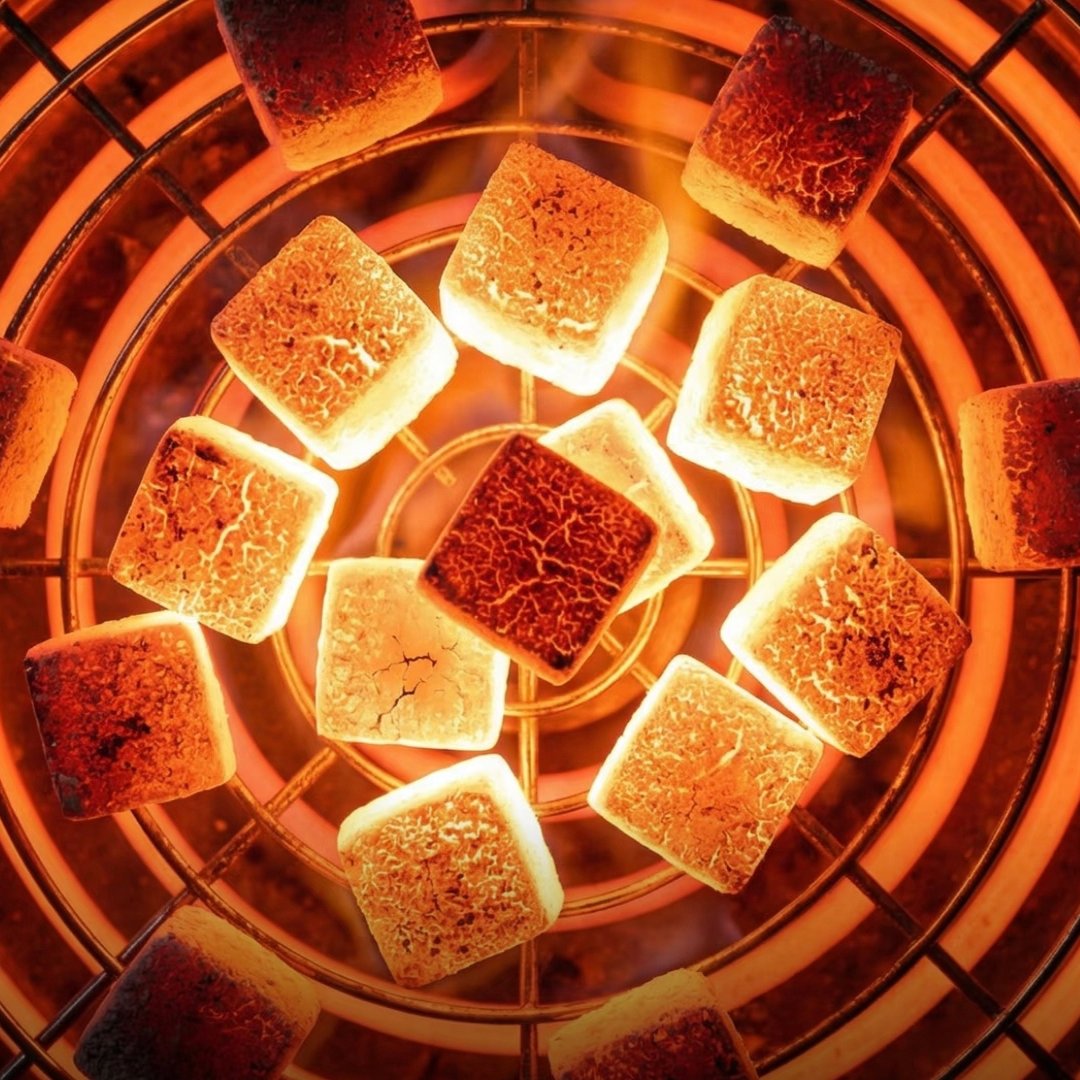
| Even bed | Coals spread across the whole grate | Quick, even cooking of many small items |
| Ring or snake | Coals in a line around the edge, lit at one end | Long, low cooks such as ribs |
| Table-grill pot | Lit coals in a small pot under a grill net | Korean BBQ, yakitori and tabletop grilling |
Then use the vents to fine-tune:
- Bottom vent feeds air to the coals. Open it wider for more heat; close it partly to slow the fire.
- Top vent lets heat and smoke out. Keep it at least partly open so the fire can breathe.
- The lid traps heat and evens out the temperature. Cooking with the lid on uses less charcoal.
Change one vent at a time and wait several minutes before adjusting again. Charcoal reacts slowly, and dense charcoal reacts more slowly still.
How much charcoal should you use?
Use less than you think for short, hot cooks, and more for long ones. A half-full chimney is often enough for a few steaks or burgers; a full chimney suits a large grill or a longer cook. Piece size matters too; see how to choose the right charcoal size.
Step 3: Cook
- Heat the grate for a few minutes with the lid on, then brush it clean and oil it lightly.
- Sear over the hot zone for steaks, burgers, skewers and anything thin.
- Move to the cool zone to finish thicker cuts, chicken pieces or anything that browns before it is cooked through. Close the lid.
- Keep the lid on for anything that takes more than a few minutes. Opening it lets heat out and air in, which makes temperature swing.
- For long cooks, add lit charcoal only. Light a fresh batch in the chimney and add it once it is glowing. Adding unlit charcoal to a hot fire brings back smoke and drops the temperature.
- Manage flare-ups by moving food, not by spraying water. Slide the food to the cool side until the flames die down.
Dense, high-temperature charcoal produces fewer flare-ups from dripping fat, because it has little volatile matter left to catch fire. That is one reason it is popular for skewers and table grills.
Step 4: Shut down the fire
- Close the lid and all vents. Without air, the coals go out. This also saves leftover charcoal for next time.
- Leave the grill closed for 48 hours, or until it is completely cold. Coals and ash can stay hot enough to start a fire long after they look dead.
- Collect the ash in a metal container with a lid, never in plastic, paper or cardboard.
- Keep the leftover charcoal once it is cold and dry. Dense charcoal often has plenty of use left; see can you reuse charcoal.
If you must put coals out quickly, use water carefully: spread the coals, pour slowly and stir, keeping clear of the steam. Never pour water onto coals in a ceramic grill, which can crack.
Charcoal safety essentials
- Outdoors only. Burning charcoal gives off carbon monoxide, even when it looks smokeless. Never use it indoors, in a garage, tent or vehicle.
- Keep the grill clear of walls, fences, overhangs and anything that can catch fire.
- Never leave a lit grill unattended, and keep children and pets away.
- Store unused charcoal dry and sealed, away from heat; see does charcoal go bad.
Frequently asked questions – How to Use Charcoal
How do you use charcoal for the first time?
Light it in a chimney starter, wait until it is covered in grey ash, pour it onto one side of the grill and cook with the lid on. That two-zone setup forgives most beginner mistakes.
How long does charcoal take to be ready?
It depends on the type and amount. Lump charcoal is quickest; dense extruded and bamboo charcoal take longer. Go by the grey ash, not the clock.
Can you use bamboo charcoal in a normal grill?
Yes. Bamboo charcoal works in kettle grills, kamados, table grills and yakitori grills. It takes longer to light than lump but burns long, even and with little smoke.
How do you make charcoal hotter?
Open the bottom vent wider, move the coals closer together, or add more lit charcoal. Lower the grate if your grill allows it.