

Wholesale BBQ Charcoal Buying Guide: Fixed carbon content is the single most important number when buying wholesale BBQ charcoal. It’s the percentage of pure carbon left after moisture and volatile matter are removed, and it directly determines how hot, how long, and how cleanly a batch burns. A-grade wood charcoal should carry fixed carbon of 78% or higher; A-grade bamboo charcoal should reach 80% or higher.
Here’s what that number means in practice, how grades break down, and what else to check before committing to a container order.
Table of Contents
What is fixed carbon content, and why does it matter?
Fixed carbon is what’s left after a charcoal sample’s moisture and volatile matter are accounted for, it’s the actual combustible carbon driving heat output. Higher fixed carbon means hotter, longer, cleaner burns with less smoke. A-grade wood charcoal from The Charcoal Factory carries fixed carbon of 78% or higher, while A-grade bamboo charcoal reaches 80% or higher. Lower grades carry lower fixed carbon values and are priced accordingly; this single figure is a fast way to sanity-check whether a quote’s grade label matches its actual spec.
What’s the difference between A-grade and B-grade charcoal?
A, B, and C-grade charcoal should be clearly documented and consistently maintained across production runs, not just assigned loosely.
| A-Grade | B-Grade | |
| Fixed carbon | 78-80%+ | Lower |
| Ash content | 3-4% or lower | Higher |
| Size consistency | Highest | Somewhat lower |
| Best suited for | Premium retail, restaurant chains, shisha lounges | Mid-market distribution, bulk industrial use |
A-grade is the right call when performance and consistency justify the price. B-grade makes sense where cost matters more than top-end burn performance, bulk industrial use or budget-tier distribution, for instance. Our charcoal grades guide goes deeper on how these thresholds compare across wood, bamboo, and coconut shell specifically.
Lump charcoal vs. briquettes: which is right for restaurants and distributors?
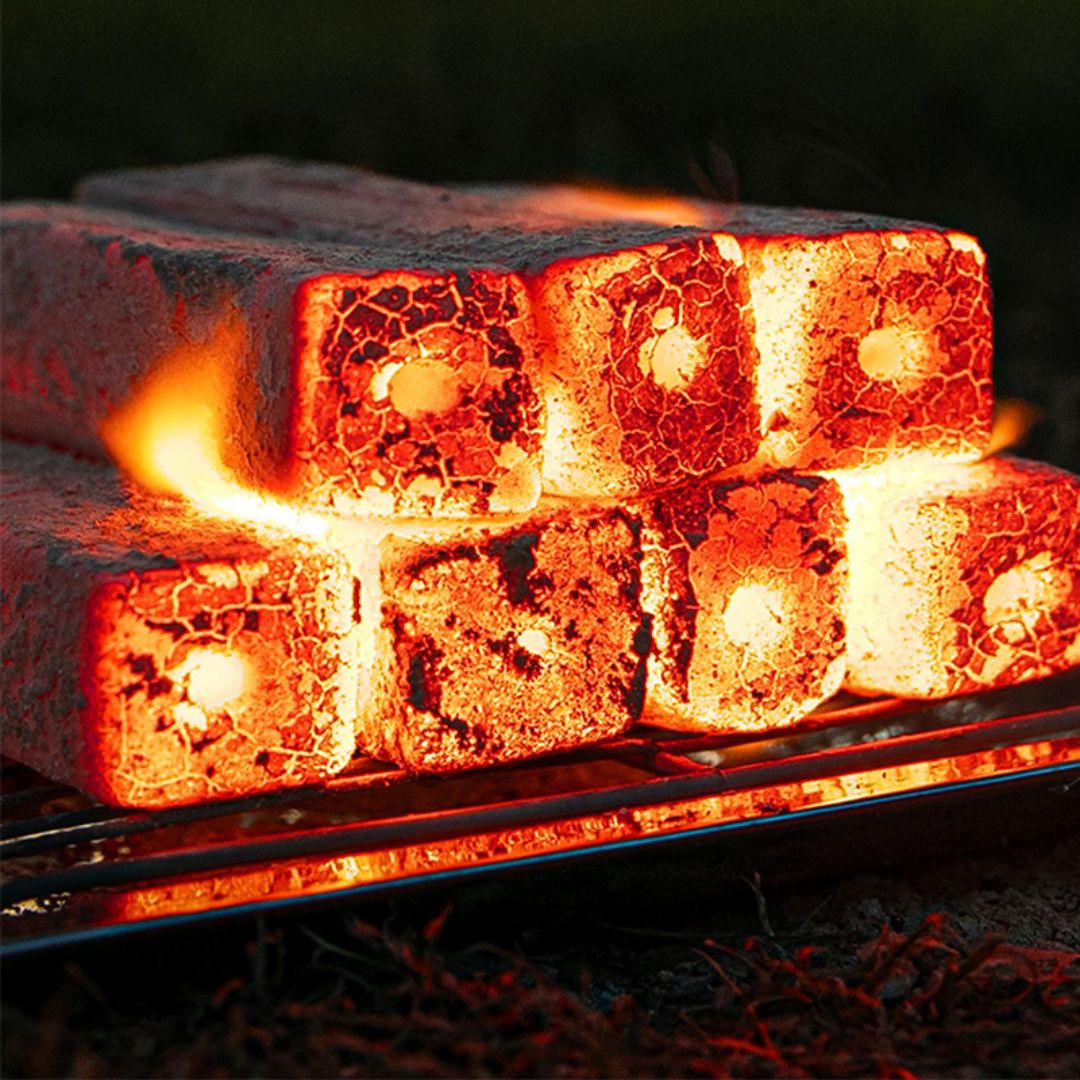
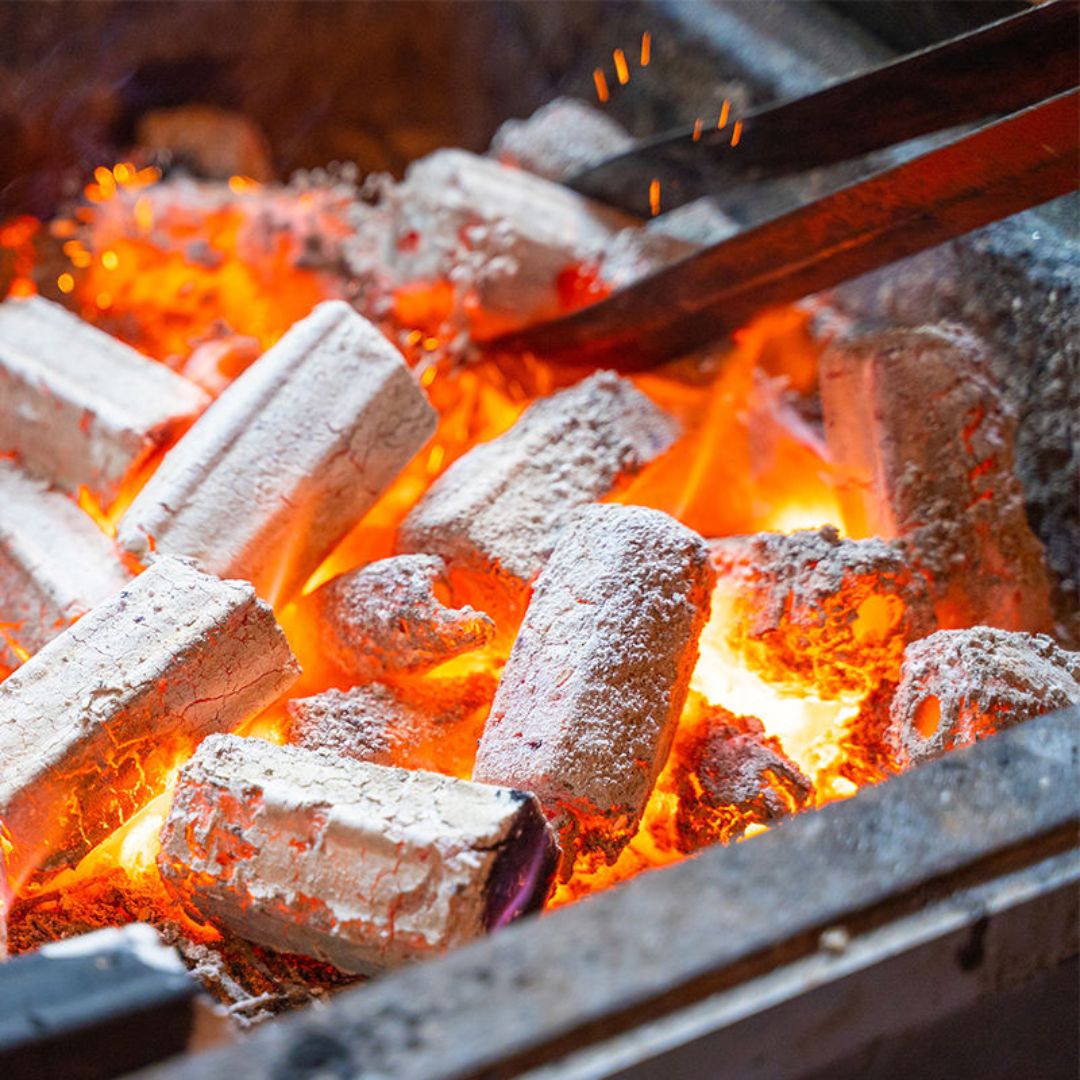
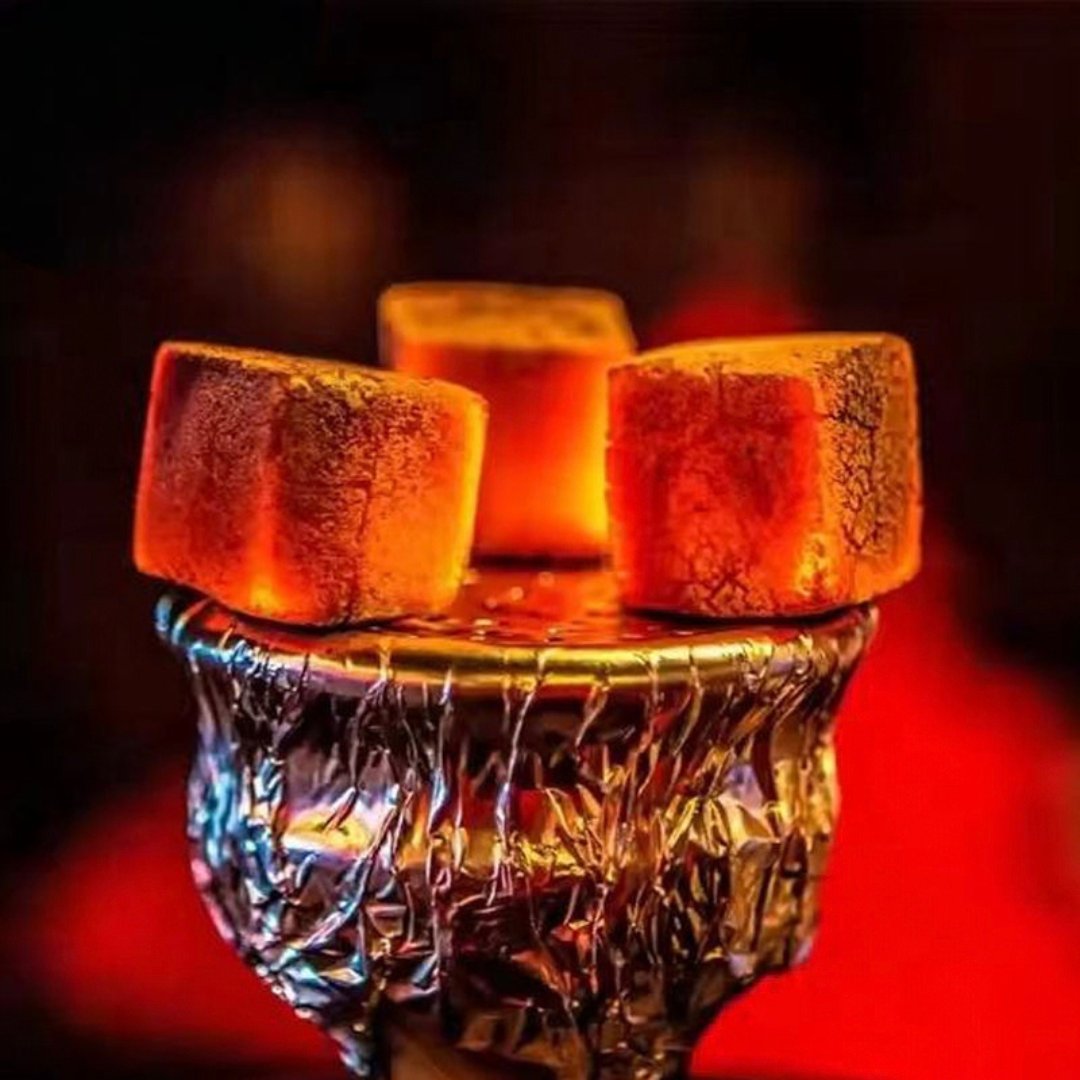
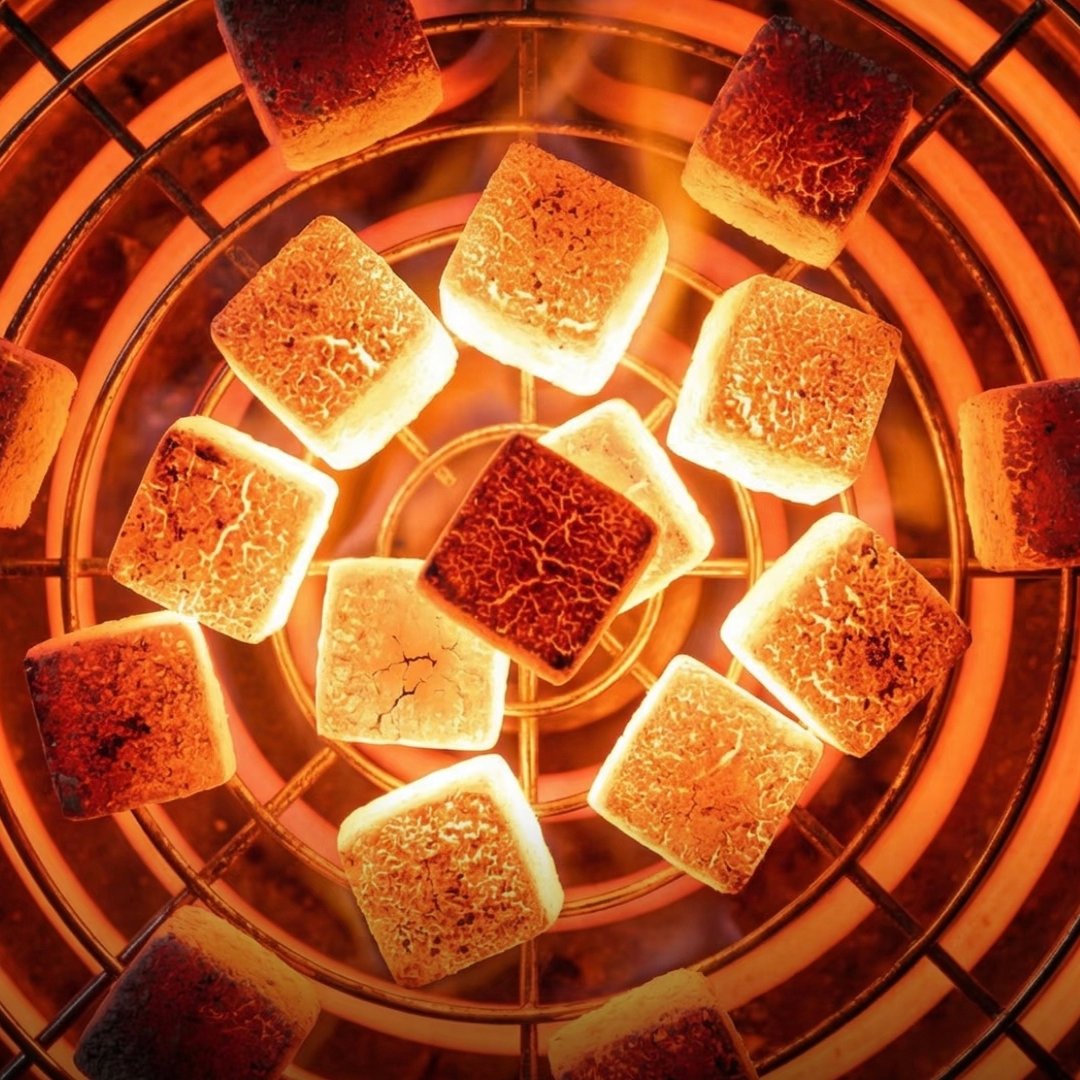
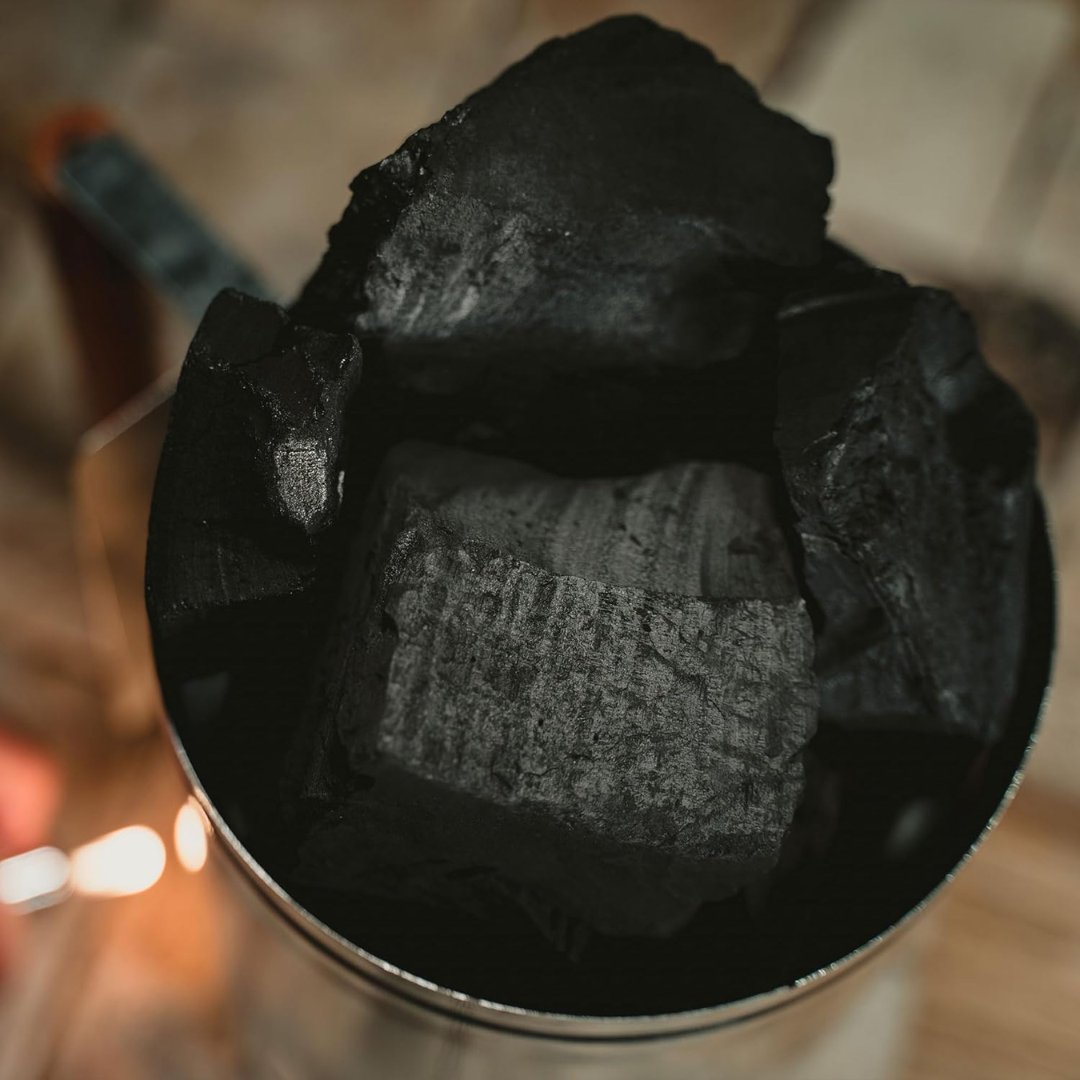
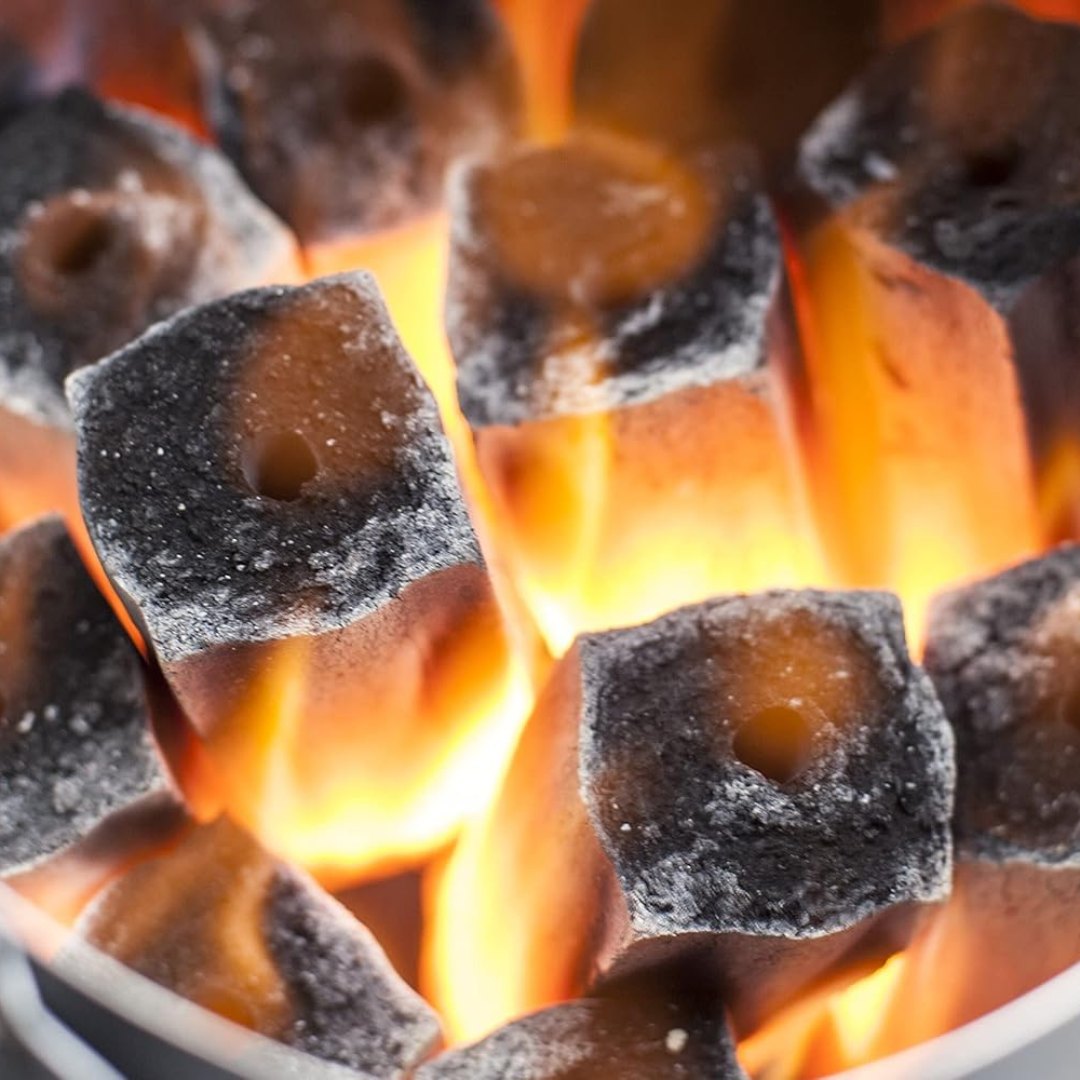
Lump charcoal is irregular in shape, lights faster, burns hotter, and leaves less ash, the preferred choice for restaurants and professional grills chasing authenticity and peak performance. Briquettes, including shaped or machine-made charcoal, are uniform in size, burn longer and more consistently, and are easier to portion, which makes them better suited to retail packaging, catering operations, and shisha use, where predictable heat output matters more than peak sear temperature.
For a deeper breakdown matched to specific cook types, our best charcoal for BBQ by cook type guide covers which format suits searing versus low-and-slow smoking specifically.
What quality tests should happen before shipment?
Every batch should be tested for moisture level, ash content, density, and size uniformity, this is what ensures predictable burn time, clean combustion, and reliable performance shipment to shipment. For premium-grade orders, also request fixed carbon percentage and calorific value (in kcal/kg) on the Certificate of Analysis, not just the basic 4 metrics.
If you’re not sure how to interpret those figures once you receive them, our guide on how to read a Certificate of Analysis for charcoal walks through what each number should look like and what red flags to watch for.
What ash content and moisture level should premium BBQ charcoal have?
A-grade bamboo charcoal should carry ash content of 3% or lower. A-grade wood charcoal should sit at 4% or lower. Moisture content for export-quality charcoal should stay below 5 to 8%, both to ensure stable combustion and for safe sea transit, high moisture on a Dangerous Goods shipment is a real compliance concern, not just a performance issue. Our ash content and moisture specs guide covers ideal ranges in more depth across product types.
Also read – esg and supply chain reporting
How long does A-grade bamboo charcoal burn compared to wood charcoal?
A-grade bamboo charcoal, with its higher fixed carbon (80%+), typically burns 20 to 30% longer than standard hardwood charcoal under similar conditions. Its denser carbon structure also produces more consistent heat output across the full burn cycle, rather than a hot start that tapers off unevenly.
Which grade is best for restaurant chains vs. retail BBQ packaging?
Restaurant chains should prioritize heat output and consistency, A-grade wood or bamboo charcoal is the right call, with high fixed carbon and low ash keeping cooking environments clean during high-volume service. Our restaurant-grade charcoal specifications guide covers what to require from a supplier at that volume specifically.
Retail BBQ packaging has more flexibility, either A or B-grade can work depending on price point, but premium supermarket brands typically use A-grade to justify their retail price positioning.
Is bamboo charcoal better than wood charcoal for grilling?
Both have a real place. Bamboo charcoal offers low-ash, long-burning performance for premium markets, fixed carbon of 80%+ and ash content of 3% or lower at A-grade make it cleaner and longer-burning than many hardwood options. Wood charcoal tends to carry a more traditional smoke flavor preferred in some BBQ cultures. For restaurant and retail buyers focused specifically on performance and cleanliness, bamboo charcoal is generally the stronger choice.
When should a restaurant buyer switch from distributor sourcing to direct container sourcing?
The typical threshold is consuming one 20GP container or more of charcoal every 2 to 3 months. At that volume, factory-direct pricing eliminates distributor margins commonly running 25 to 50%, savings that more than offset the added logistics management direct importing requires. Below that volume, the logistics overhead usually isn’t worth taking on yet, and distributor sourcing remains the more practical choice.
What’s the current wholesale price per ton for BBQ charcoal in 2026?
Wholesale FOB prices for quality bamboo or wood charcoal from China in 2026 typically range from USD 300 to 600 per metric ton, depending on grade (A/B/C), product type (machine-made vs. shaped), and order volume. This tracks with broader 2026 market forecasts: industry pricing analysis projects commercial-grade charcoal moving into the USD 300–500 per ton range this year, driven by rising production costs and tighter export compliance requirements, with export-ready, professionally packed product running toward the higher end of that band. Contact The Charcoal Factory directly for a current quote; pricing moves with raw material costs and shipping rates, and any figure here is a reference point, not a locked quote.
Also read – How to read a Certificate of Analysis for charcoal
A quick spec reference table
| Spec | A-Grade Wood | A-Grade Bamboo |
| Fixed carbon | ≥78% | ≥80% |
| Ash content | ≤4% | ≤3% |
| Moisture | <5-8% | <5-8% |
| Typical burn time vs. standard hardwood | Baseline | 20-30% longer |
Getting current pricing and specs
For up-to-date A- and B-grade specs and current FOB pricing across our BBQ charcoal range, our wholesale BBQ charcoal page has current product details to request a quote against.
Frequently asked questions
What’s the most important spec to check when buying wholesale BBQ charcoal?
Fixed carbon content. It’s the clearest single indicator of burn quality, directly tied to heat output, burn duration, and how cleanly the charcoal burns. Ash content and moisture are the next most important, since both directly affect real-world performance and shipping stability.
Is A-grade charcoal always worth the price premium?
It depends on your end use. For restaurant chains and premium retail, yes, the performance and consistency justify the cost. For bulk industrial use or budget-tier distribution, B-grade often makes more economic sense without materially hurting the end use case.
What MOQ should I expect for wholesale BBQ charcoal from China?
Commonly one 20GP container, since production and export costs are structured around full container loads rather than smaller unit orders.
Should I switch from a distributor to direct container sourcing?
Once you’re consistently ordering the equivalent of one 20GP container every 2 to 3 months, direct sourcing usually pays for itself by eliminating distributor margins of 25 to 50%, even after accounting for the added logistics responsibility.