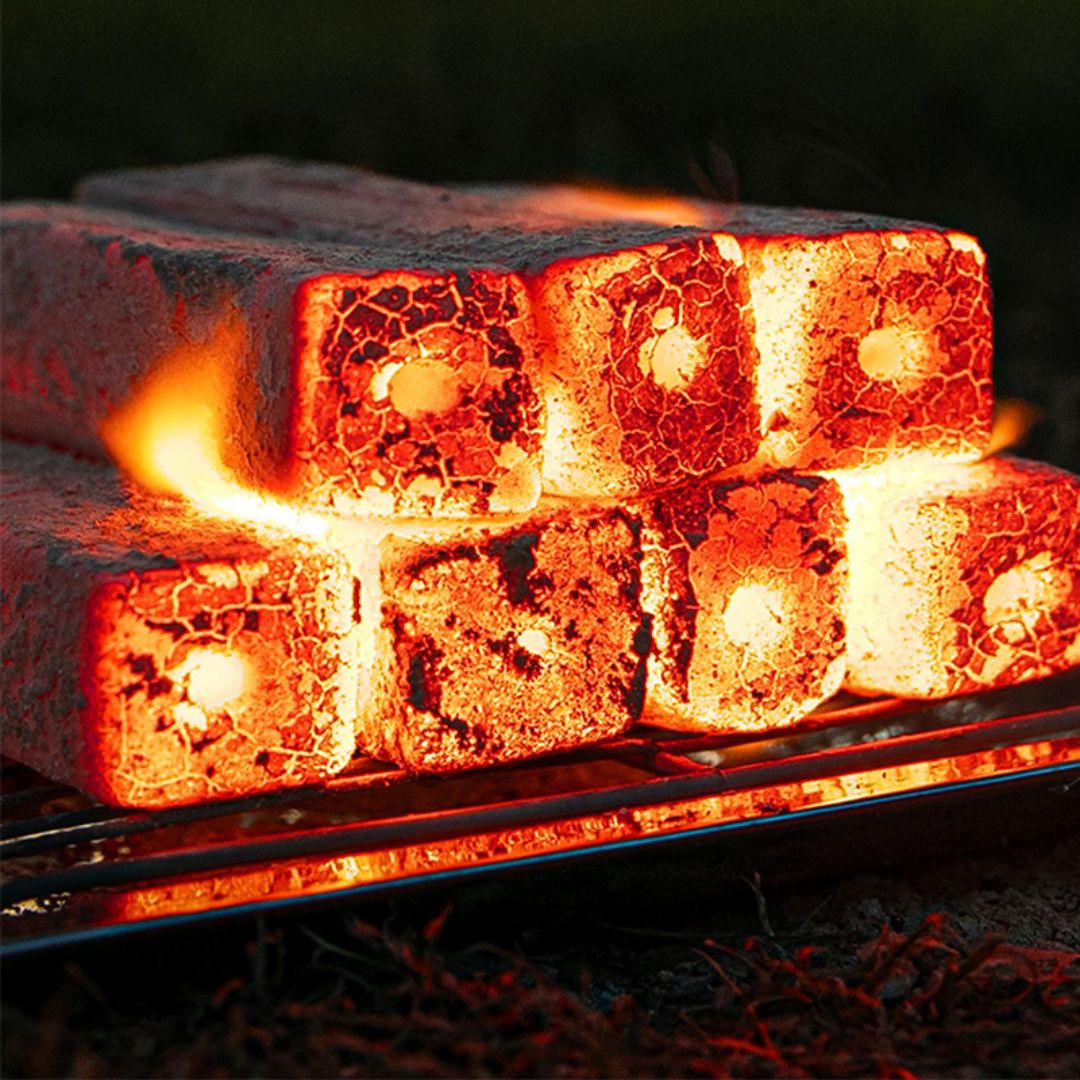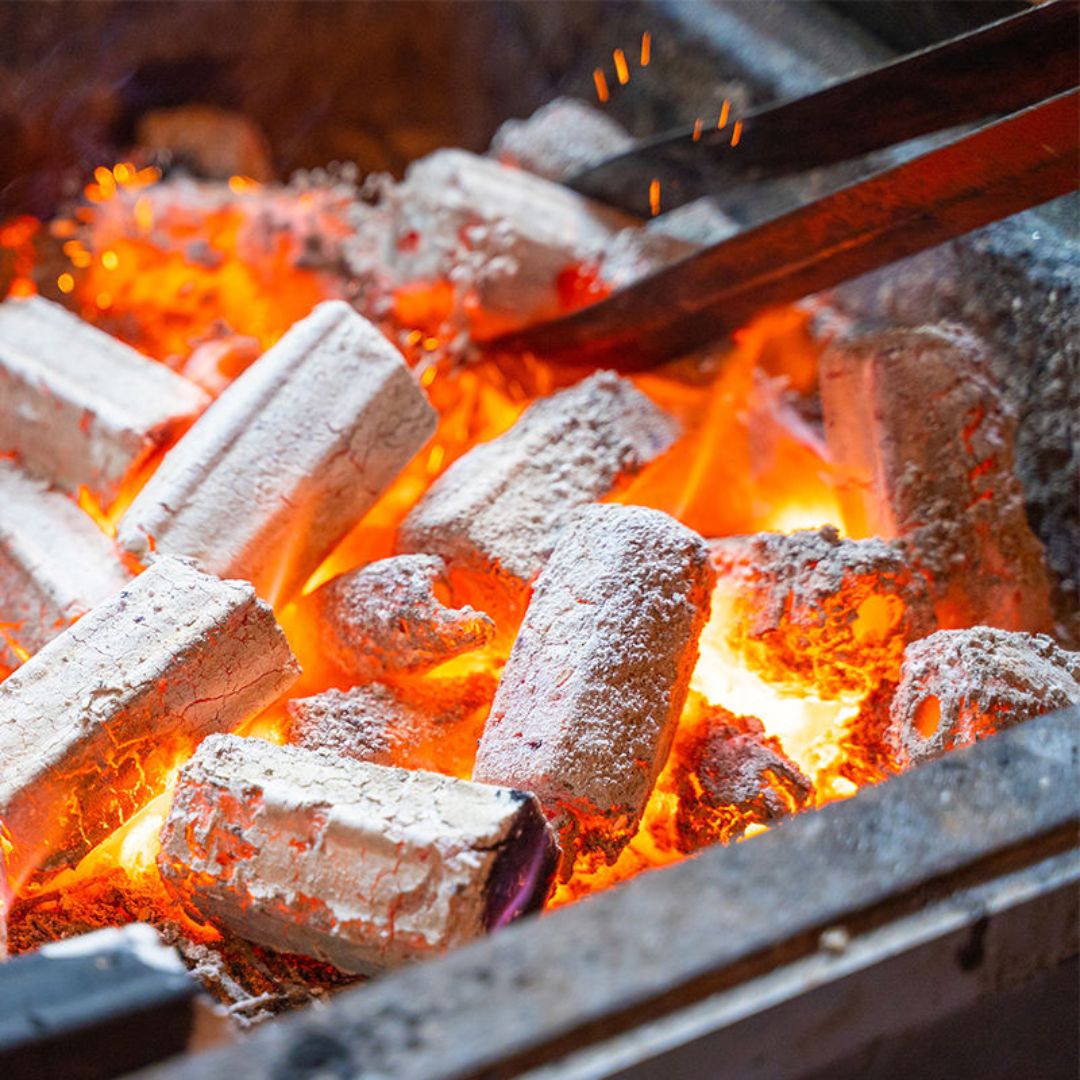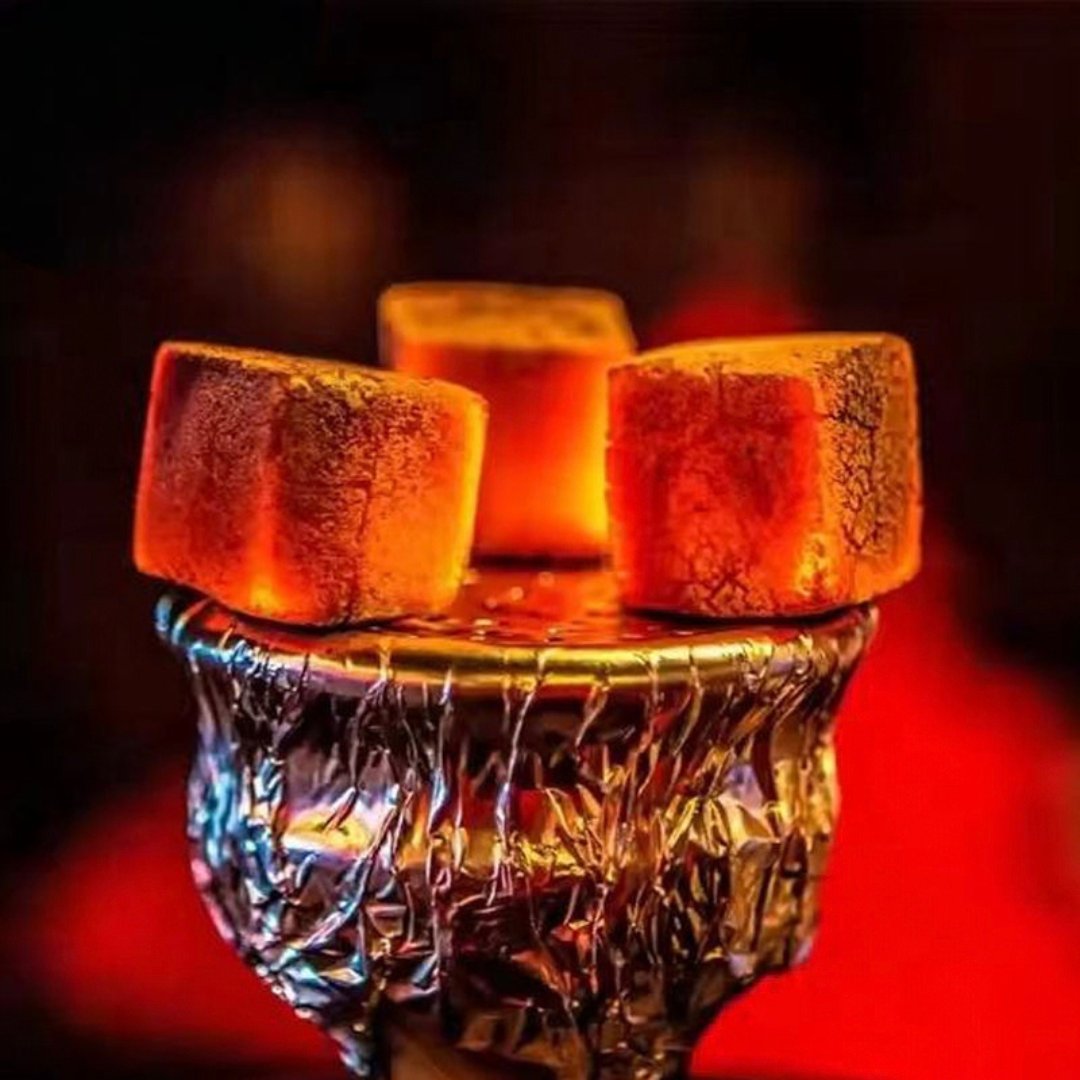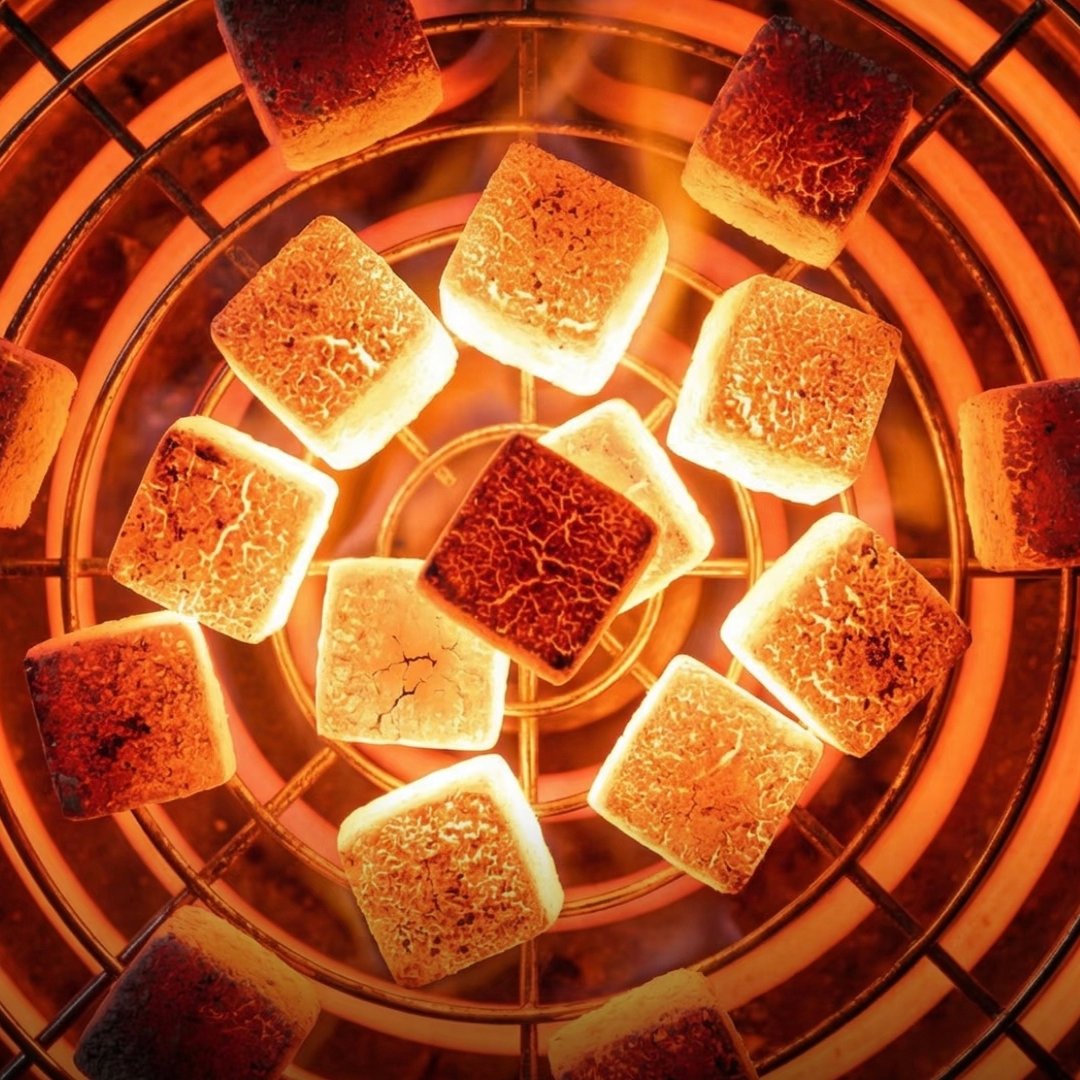



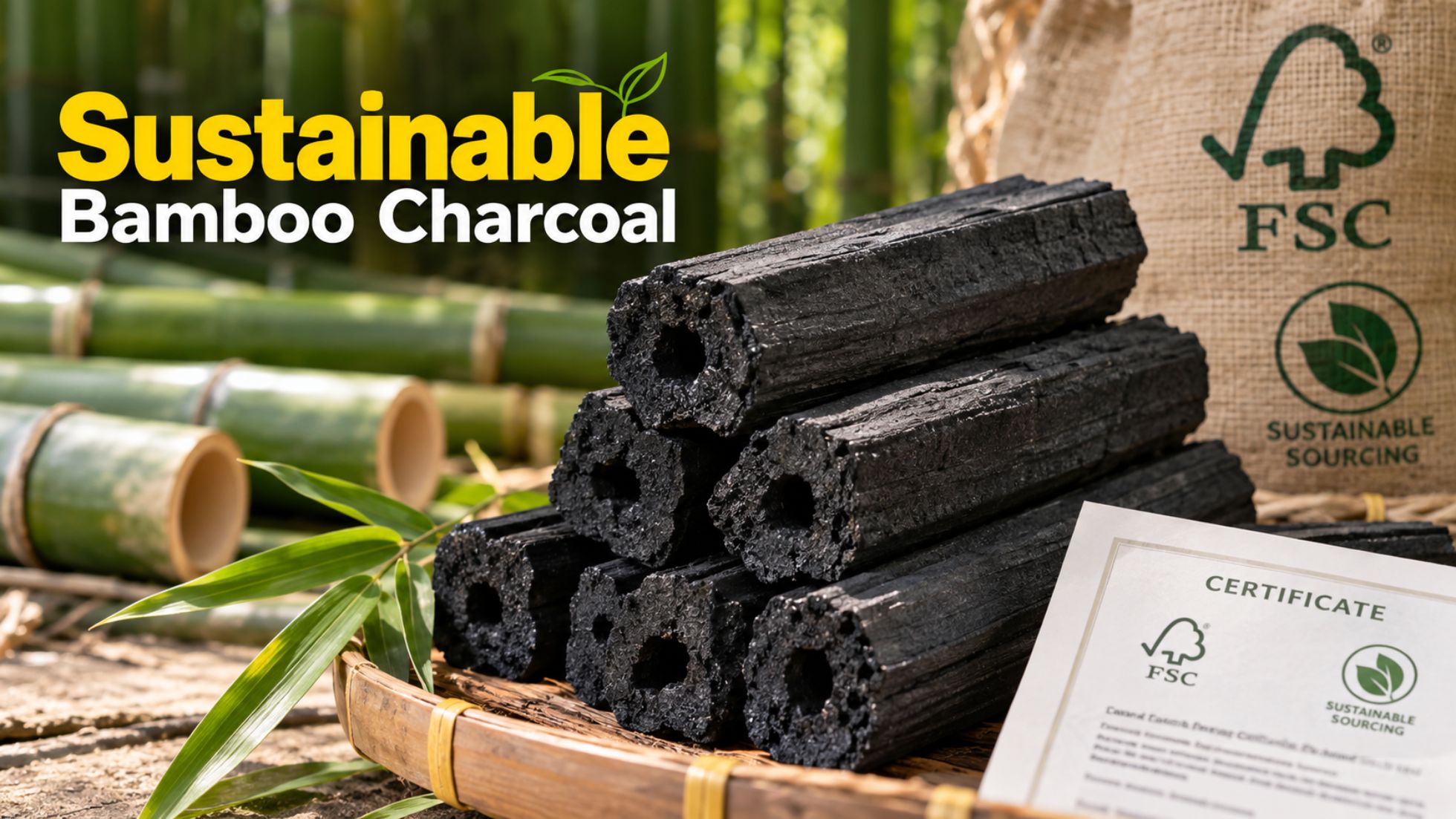
Sustainable Bamboo Charcoal Sourcing: Bamboo charcoal is a genuinely renewable fuel source because bamboo regrows from the same root system after harvest; the parent plant is never killed, unlike hardwood charcoal, which requires felling a tree that took decades to mature. That said, “eco-friendly” isn’t a label you can put on packaging without evidence behind it anymore, especially for EU-bound retail, where new rules banning unsubstantiated environmental claims take effect from September 2026.
Here’s what actually makes bamboo charcoal a stronger sustainability story than hardwood, and what documentation you need before making that claim yourself.
Why bamboo charcoal is considered more sustainable than hardwood charcoal
Bamboo reaches harvestable maturity in 3 to 5 years. Hardwood trees typically take 20 to 80 years, depending on species and region. That difference alone makes bamboo’s carbon cycle dramatically faster: a bamboo plantation can be harvested repeatedly across a single hardwood tree’s growth window, without ever killing the parent plant, since bamboo regenerates from its existing root system rather than needing replanting.
This also matters for soil and land impact. Because the root system stays intact through repeated harvests, managed bamboo plantations help prevent the soil erosion that comes with clear-cutting hardwood stands. Sourcing from a managed plantation system, rather than unmanaged or wild-harvested forest, is the specific detail that separates a genuinely lower-deforestation-risk supply chain from one that just uses “bamboo” as a marketing word.
Does FSC certification apply to bamboo charcoal, and how do you verify it?
FSC (Forest Stewardship Council) certification verifies that wood or bamboo raw material comes from a responsibly managed source, audited independently rather than self-declared. Not every supplier holds FSC certification even when they source from managed plantations, some provide plantation sourcing documentation without a formal FSC certificate specifically.
If FSC certification matters for your supply chain sustainability requirements or ESG reporting obligations, ask your supplier directly and request the certificate number, then verify it independently through FSC’s own public database rather than accepting a claim or logo at face value. This is good practice regardless of supplier, certification fraud and unverifiable sourcing claims aren’t rare in this category.
How does bamboo charcoal reduce deforestation compared to hardwood?
Hardwood charcoal typically requires felling trees that take 20 to 80 years to mature, a direct contributor to deforestation in many tropical sourcing regions. Bamboo, harvested every 3 to 5 years from a managed plantation with its root system left intact, represents a structurally different sourcing model, one where repeated harvest doesn’t require repeated forest clearing.
Sourcing bamboo charcoal from a managed plantation system is inherently lower deforestation-risk than sourcing hardwood from regions with weak forestry oversight. That said, “bamboo” alone isn’t a guarantee, wild-harvested or unmanaged bamboo sourcing exists too, which is exactly why plantation-specific sourcing documentation matters more than the raw material name.
Table of Contents
Is charcoal from China compliant with EU environmental and import regulations?
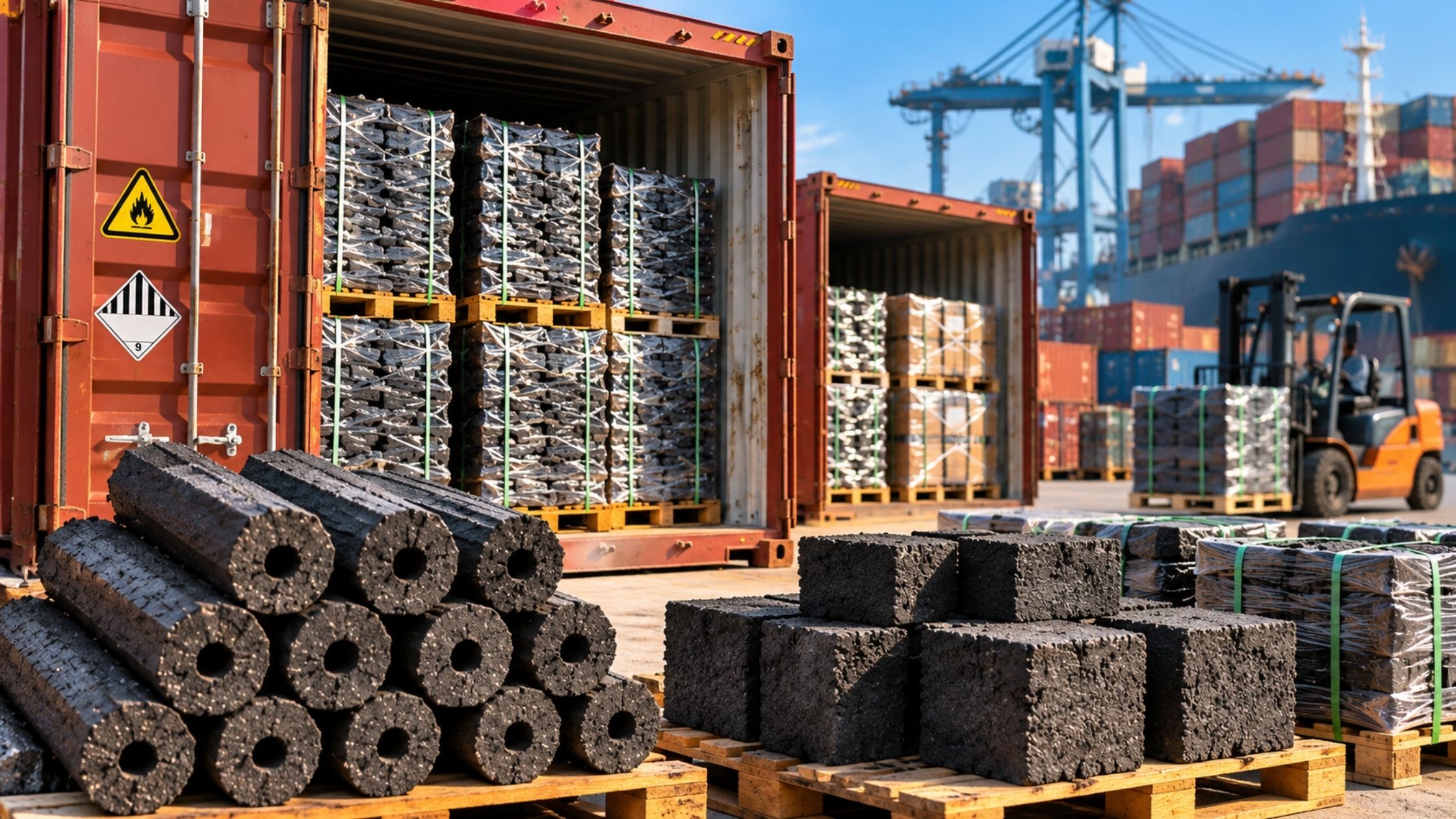
Chinese charcoal exported to the EU needs to meet several requirements together, not just one. A phytosanitary certificate is standard practice to address pest risk in wood-derived products, most manufacturers provide this with every shipment.
Separately, and more consequentially, buyers importing charcoal (HS 4402) into the EU need to comply with the EU Deforestation Regulation (EUDR), which becomes mandatory from December 30, 2026 for large and medium operators. Our EUDR Due Diligence Statement guide covers what this actually requires, geolocation data, a risk assessment, and a DDS reference number submitted through TRACES NT. Plantation-based sourcing documentation is a meaningful part of building that risk assessment, since it establishes a traceable, non-wild-harvested origin.
What is HACCP certification, and does charcoal need it?
HACCP (Hazard Analysis and Critical Control Points) is a food safety management framework. Charcoal itself isn’t food, but charcoal used directly in food preparation, grilling, and smoking is increasingly subject to food safety scrutiny in regulated retail and foodservice markets. Some European and North American supermarket and restaurant buyers now request HACCP-adjacent documentation from their fuel suppliers as part of broader supply chain risk management.
Not every charcoal manufacturer holds this certification. If it’s a requirement for your specific buyer or market, confirm availability directly rather than assuming it’s standard.
Also read – Wholesale bamboo shisha charcoal
Are buyers actually shifting toward bamboo and coconut shell charcoal for sustainability reasons?
Yes, this is a clear and growing pattern, particularly among European supermarket chains, eco-label retail brands, and corporate restaurant groups operating under ESG commitments. Bamboo and coconut shell charcoal, both sourced from renewable or byproduct material rather than felled hardwood, carry a genuinely lower deforestation-risk profile and are increasingly favored by buyers who need to satisfy EU sustainability regulation and back up consumer-facing sustainability claims with something real.
What about the carbon footprint of sea freight vs. local sourcing?
This is worth answering carefully, because it’s an easy claim to overstate. Sea freight generally carries a lower per-ton carbon footprint than air freight, and in some cases can compare favorably to locally produced charcoal made through less efficient production methods or from higher-carbon raw material streams. But “can compare favorably” is not the same as “always does,” the actual answer depends heavily on production efficiency at origin, shipping distance, vessel type, and what exactly the local alternative is being compared against.
If sea freight carbon footprint is relevant to your sourcing decision or a claim you intend to make publicly, request specific lifecycle or emissions data from your supplier rather than relying on a general industry pattern. This isn’t just good practice, it’s becoming a legal requirement for making the claim at all, covered next.
Can you actually market bamboo charcoal as “eco-friendly” or “chemical-free” in the EU?
Only if you can substantiate the claim. This is genuinely important context that’s easy to miss: while the EU’s proposed Green Claims Directive was formally withdrawn by the European Commission in June 2025, a separate law, the Empowering Consumers for the Green Transition Directive (Directive 2024/825, also called EmpCo or ECGT), is already adopted and applies from September 27, 2026, regardless of what happens to the withdrawn proposal. It bans vague, generic environmental claims that can’t be demonstrated with evidence.
What this means practically: a “chemical-free” or “eco-friendly” claim on retail packaging needs to be backed by real documentation, not just be technically true in a general sense. If your bamboo charcoal genuinely contains no chemical accelerant, binder, or additive, pure carbonized biomass, that’s a strong, defensible claim, but you’ll want the composition documentation to back it up if a regulator or retailer ever asks. Our ESG and supply chain documentation guide covers what to request from a supplier to support exactly this kind of claim.
Does chemical-free composition alone make charcoal suitable for eco-label retail?
It’s a strong foundation, but not the whole picture. Charcoal made through carbonization with no chemical additive, binder, or accelerant, pure carbonized bamboo or wood and nothing else, genuinely supports a chemical-free positioning. Our machine-made vs. natural charcoal guide covers why this distinction matters, since not all machine-made charcoal in the broader market is actually free of coal-derived additives, despite sometimes being marketed that way.
For a full eco-label claim, buyers typically also want plantation sourcing documentation, and increasingly, given the regulatory shift described above, some form of verifiable evidence they can point to if the claim is challenged.
A quick documentation checklist for sustainability-positioned sourcing
- [ ] Plantation sourcing documentation (managed source, not wild-harvested)
- [ ] FSC certificate number, verified independently, if FSC is specifically required
- [ ] EUDR Due Diligence Statement reference number, for EU-bound shipments
- [ ] Composition confirmation: no chemical accelerant, binder, or additive
- [ ] HACCP documentation, if required by your specific buyer
- [ ] Any available lifecycle or emissions data, if a carbon-related claim is planned
Frequently asked questions
Is bamboo charcoal always more sustainable than wood charcoal?
Generally yes, given bamboo’s faster regrowth cycle and root-intact harvesting, but this depends on sourcing from an actual managed plantation rather than wild-harvested bamboo. The material alone doesn’t guarantee sustainable sourcing; the sourcing method does.
Does The Charcoal Factory hold FSC certification?
Certification status should be confirmed directly with the supplier and verified against FSC’s own public database using the specific certificate number, rather than assumed from general sourcing claims.
Can I claim my charcoal is “eco-friendly” on EU retail packaging?
Only with substantiation. From September 2026, EU rules under the Empowering Consumers for the Green Transition Directive prohibit vague environmental claims that can’t be backed with evidence, regardless of the now-withdrawn separate Green Claims Directive proposal.
Is sea freight charcoal more carbon-efficient than locally produced charcoal?
It can be, depending on production efficiency and distance, but this isn’t a blanket rule. Request specific data from your supplier if this comparison matters to a sourcing decision or a claim you plan to make.