

FAQs About Buying Charcoal: Buying charcoal in bulk raises the same 5 questions almost every first-time buyer asks: minimum order size, cost per ton, which product type to choose, what paperwork is needed, and how to know a supplier is legitimate. These aren’t trivial details; getting any one of them wrong typically shows up later as a delayed shipment, a rejected container, or a supplier relationship that doesn’t hold up past the first order.
Quick answers below, each with enough context to actually act on, and each linking to a deeper guide if you need the full picture.
1. What’s the minimum order quantity for bulk charcoal?
Generally, one full container load, commonly starting around 10 to 20 tons for a 20ft container depending on product type and packaging density. Pricing and production are structured around container economics, so orders below that threshold usually carry a per-ton premium; a partial container still costs the supplier close to the same amount to produce and ship as a full one.
The exact tonnage varies more than most first-time buyers expect. Dense coconut shell briquettes can load closer to 20 tons in a 20ft container, while lighter lump wood charcoal might top out around 10 to 14 tons in the same space, since charcoal often hits its volume limit before its weight limit. If you’re ordering custom packaging or a private label run, MOQ can shift again based on packaging format and any minimum print-run requirements from your supplier’s packaging line.
Our charcoal container loading guide breaks down exact tonnage by product type, and our private label charcoal packaging guide covers MOQ specifically for custom-branded orders.
2. How much does bulk charcoal cost per ton?
It depends heavily on grade, product type, and where you’re importing to; duty, freight, and compliance costs vary enough by destination that a single number is misleading. A quote that looks cheaper FOB from one supplier can easily land more expensive than a slightly higher quote from another once freight, insurance, duty, and destination fees are added, especially when origin-specific tariffs are involved.
This is also where buyers most often get caught comparing quotes that aren’t actually comparable: an FOB price and a CIF price aren’t the same kind of number, and neither includes destination-side charges like customs duty, port handling, or inland delivery unless you specifically ask. Our FOB vs. CIF pricing guide explains how to normalize quotes so you’re comparing like for like, and our landed cost calculation guide walks through full worked examples across different destination markets so you can see exactly where your money goes beyond the product price itself.
3. Should I buy lump charcoal or briquettes for bulk resale?
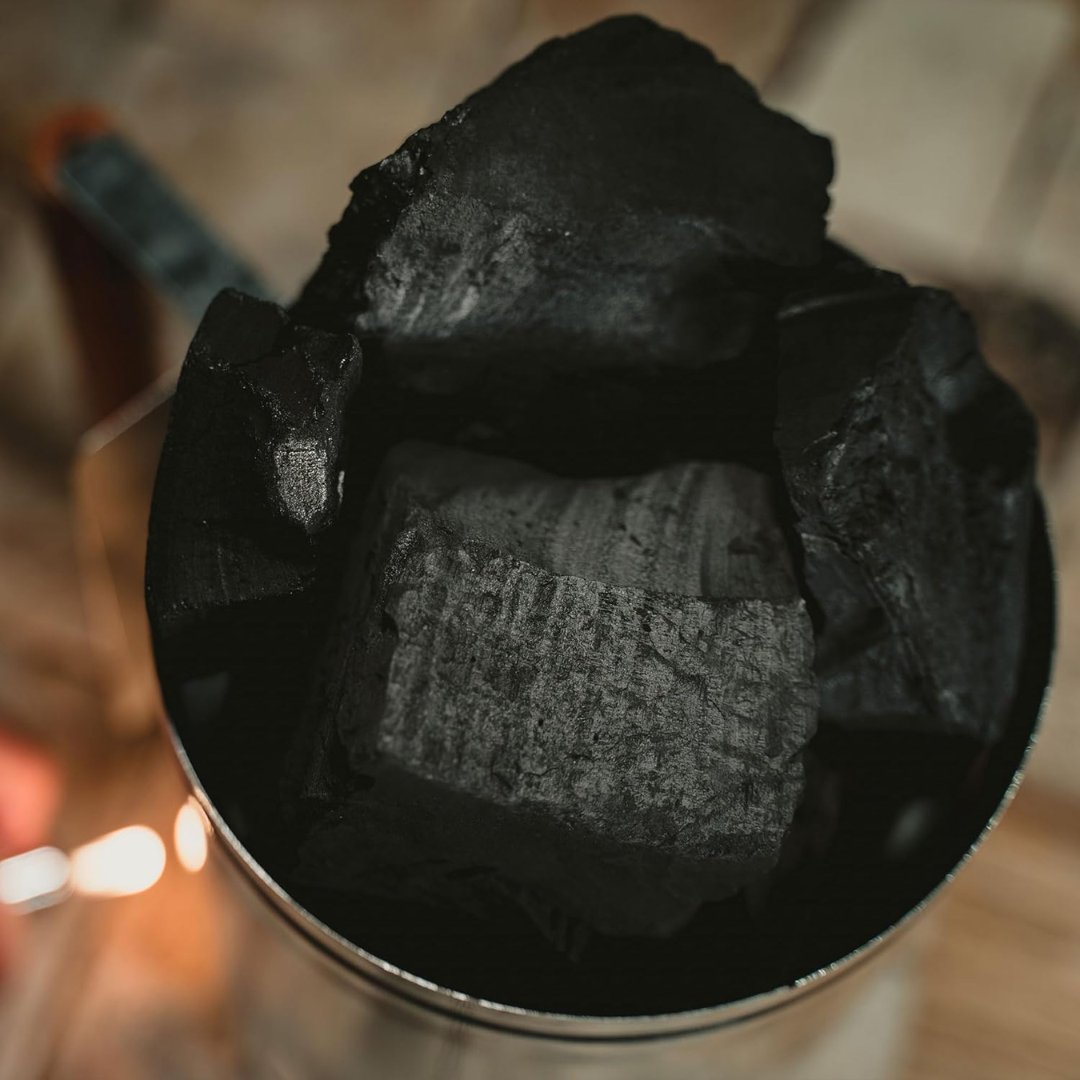
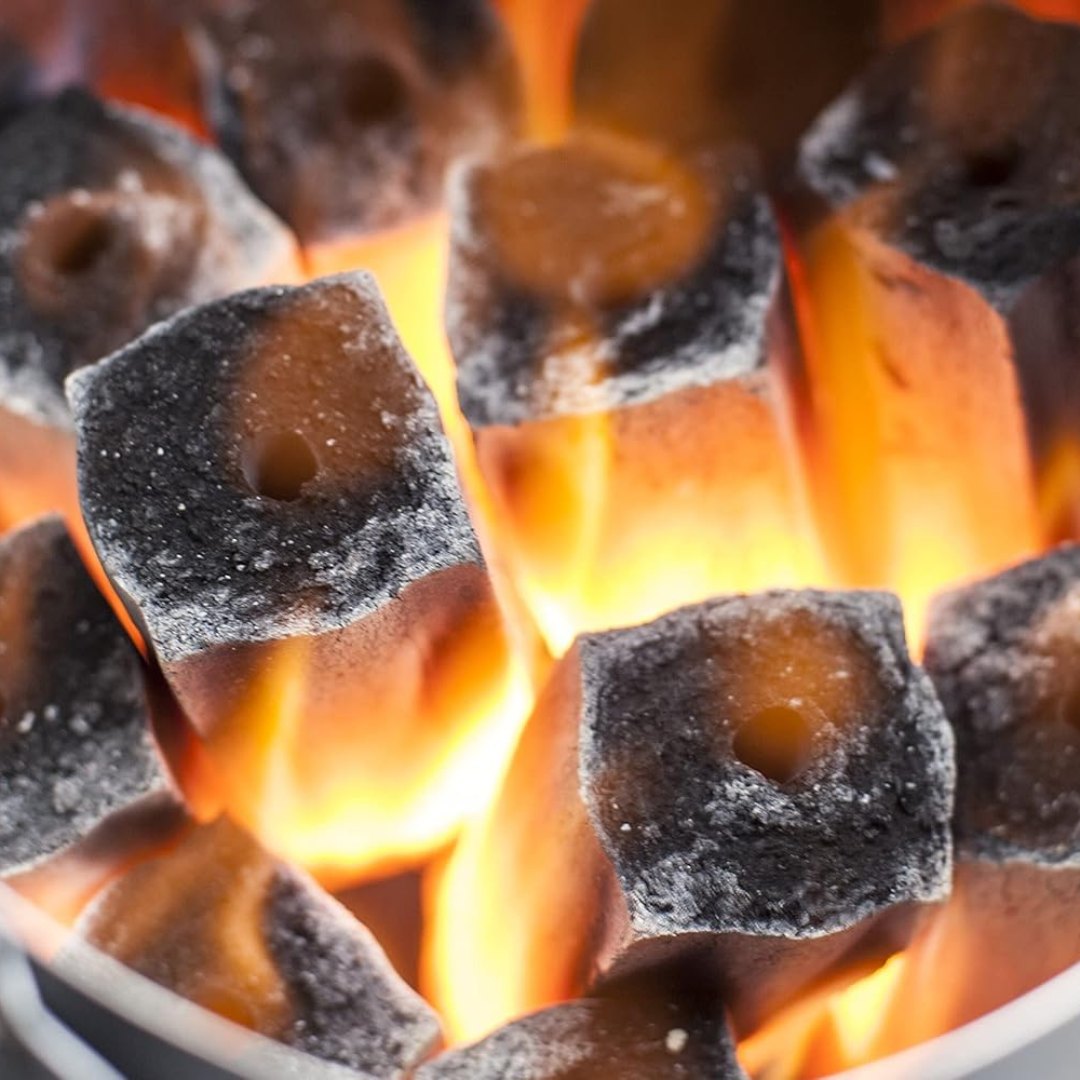
It depends on your end customer. Lump suits buyers prioritizing high heat and authentic flavor: restaurants, premium retail, anyone chasing a hard sear or a clean wood taste. Briquettes suit buyers who need long, predictable burn time at a lower cost, catering, high-volume BBQ retail, and anywhere a customer wants a fire that doesn’t need constant attention.
Many wholesale buyers stock both rather than picking one, since the two products serve genuinely different customer segments instead of competing for the same sale. A distributor selling into both restaurant supply and retail BBQ channels is usually better positioned to carry both than specializing narrowly in one. Our lump charcoal vs. briquettes guide covers the full performance comparison, including burn time, peak temperature, and ash output side by side.
4. What documentation do I need to import charcoal?
At minimum: a commercial invoice, packing list, bill of lading, certificate of origin, and correct HS code classification. Charcoal falls under HS heading 4402 worldwide, though the exact subheading depends on raw material (bamboo, coconut shell, or wood). Getting the classification wrong doesn’t just risk a paperwork delay; it can trigger the wrong duty rate or an unexpected customs review.
Charcoal also ships as Dangerous Goods (UN1361, Class 4.2) due to its self-heating risk, which adds weathering records, packing-day temperature documentation, and a formal Dangerous Goods Declaration on top of standard import paperwork. This isn’t optional or origin-specific; it applies to sea-freight charcoal shipments globally as of the current IMDG enforcement rules. Our charcoal HS codes guide covers classification in full, and our charcoal dangerous goods shipping guide covers the compliance requirements specific to charcoal.
5. How do I know if a charcoal supplier is legitimate?
Check whether you’re actually dealing with a manufacturer rather than an undisclosed trading company; this affects pricing, quality consistency, and how reliably compliance documentation gets produced. A quick check of a supplier’s registered business scope, or a live video call showing the actual production facility, tells you more in 10 minutes than a polished sales deck ever will.
Beyond factory status, request a Certificate of Analysis tied to your specific shipment, not a generic spec sheet, and verify any certifications independently rather than trusting a logo or claim at face value. Certificate fraud using real inspection company branding is a documented risk in commodity trade, so a few minutes spent verifying a certificate number against the issuing body’s own database is worth the effort, especially on a first order. Our charcoal supplier verification checklist and our guide on verifying a Chinese charcoal factory cover exactly how to run these checks before committing to an order.
Quick reference
| Question | Short answer |
| MOQ | ~1 full container, 10-20 tons for a 20ft depending on product |
| Cost per ton | Varies by grade, origin, and destination; compare landed cost, not just FOB |
| Lump or briquettes | Match to end customer; many buyers stock both |
| Core documentation | Invoice, packing list, bill of lading, certificate of origin, correct HS code, plus Dangerous Goods paperwork |
| Supplier verification | Confirm manufacturer status, request a shipment-specific COA, verify certifications independently |
Where to go deeper
For the full picture on sourcing, logistics, and supplier assessment in one place, our charcoal bulk buying guide ties all of the above together. It’s worth reading in full before your first order; most of the costly mistakes in bulk charcoal sourcing come from skipping one of these 5 questions rather than getting the answer wrong.