Wholesale BBQ Charcoal Buying Guide: Grades, Fixed Carbon, and Pricing Explained
Here’s what that number means in practice, how grades break down, and what else to check before committing to a container order.


Here’s what that number means in practice, how grades break down, and what else to check before committing to a container order.
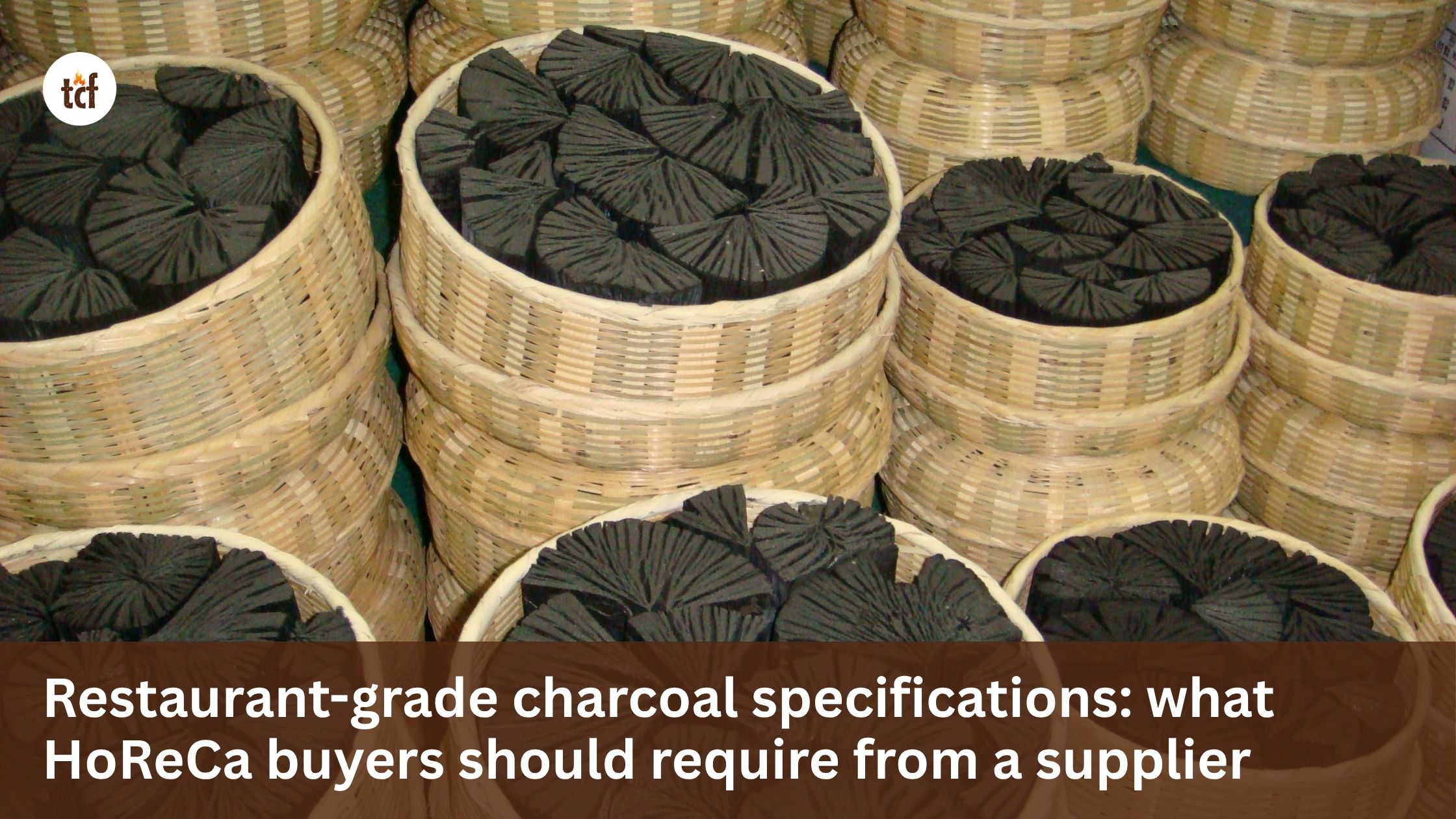
Here’s what to request in each category, and why the “we’re too small to need this” assumption is getting riskier every year.
Here’s the full formula, plus 3 worked examples across different destination markets so you can see how the same FOB price lands at very different final costs depending on where you’re importing to.
Here’s the full verification process, adapted specifically for charcoal, not generic sourcing advice with “charcoal” swapped in.
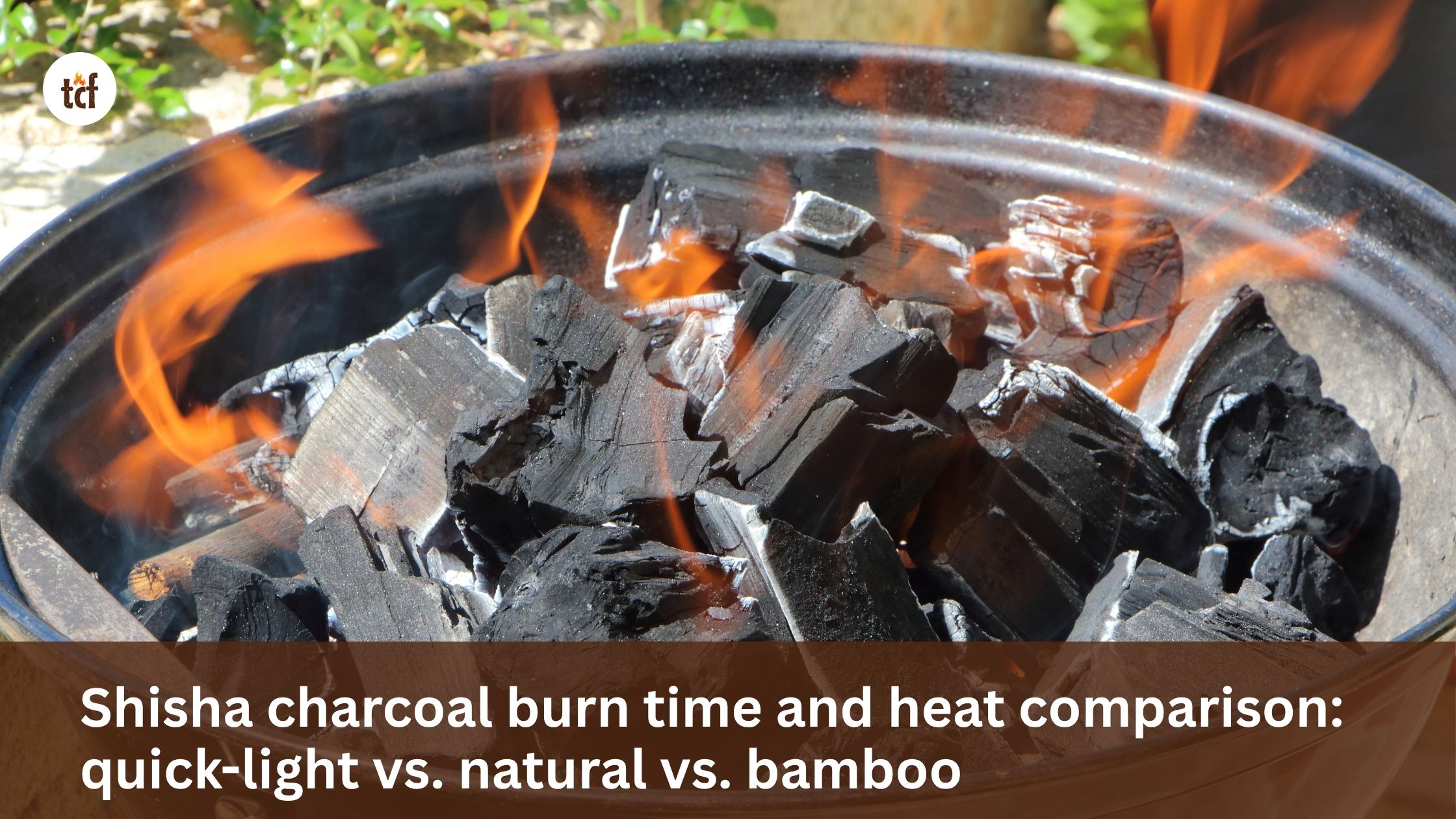
Here’s the full breakdown, plus which one actually makes sense for your session length and setup.
Here’s what to put in an RFP or supplier agreement instead of trusting a vague “premium quality” claim on a quote sheet.
The difference isn’t just cosmetic. It affects burn time, ignition speed, ash output, and in some cases, what’s actually in the charcoal you’re buying.
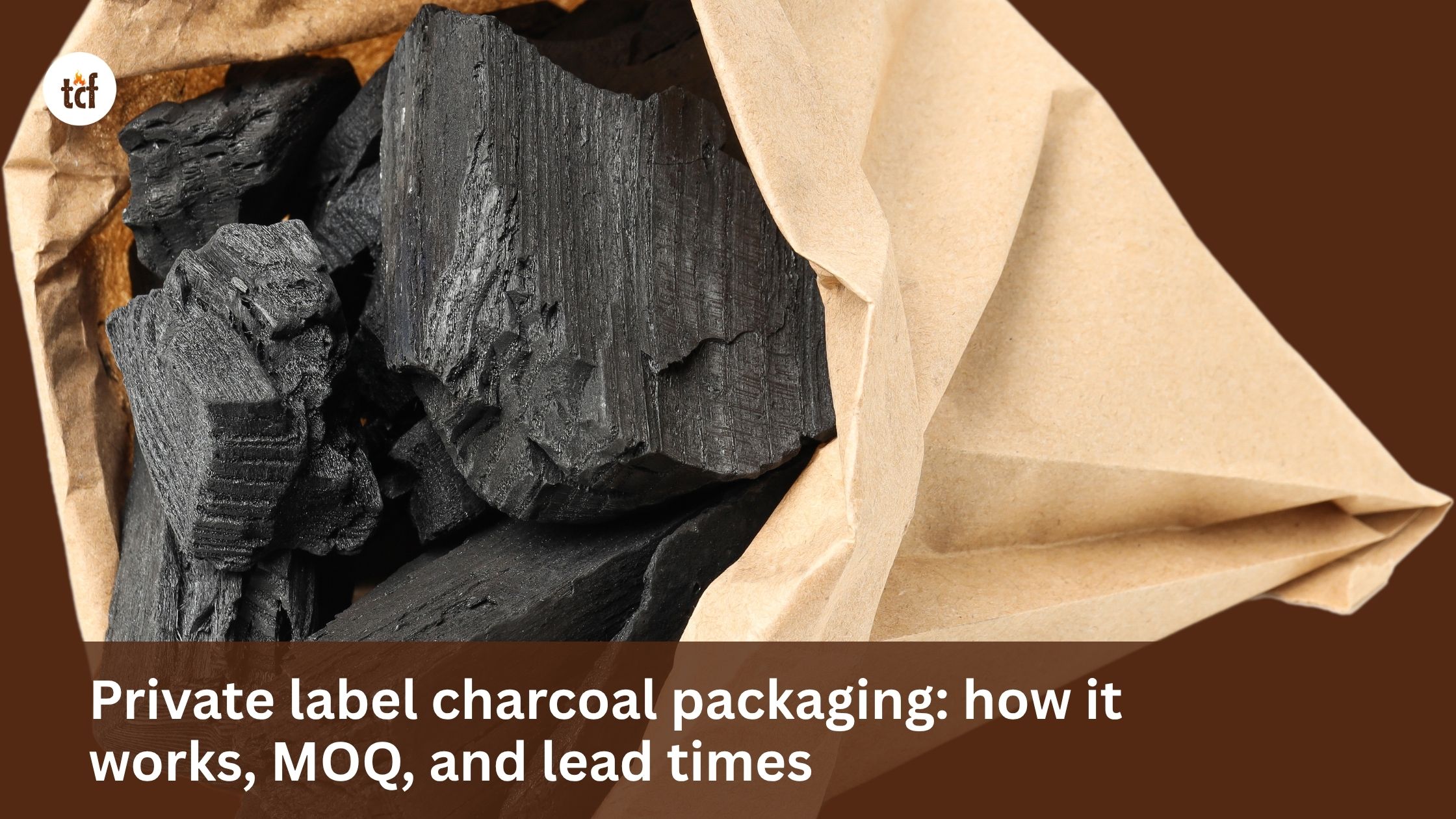
Here’s the full process, what drives the MOQ, and where the timeline actually goes if you’re planning a launch date.
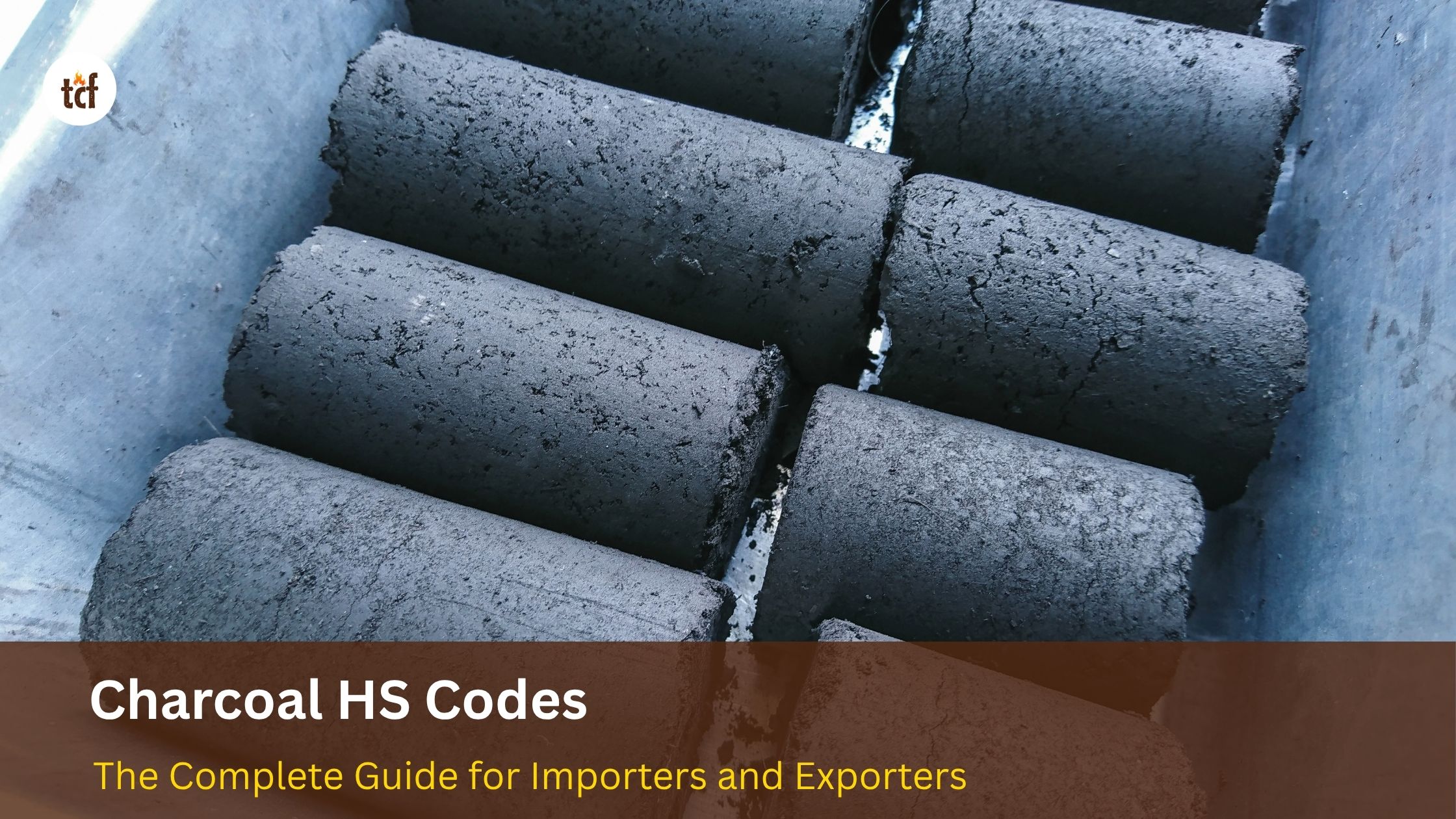
Every international charcoal shipment requires charcoal HS codes. Use the wrong one, and you face customs delays, unexpected duties, regulatory investigations
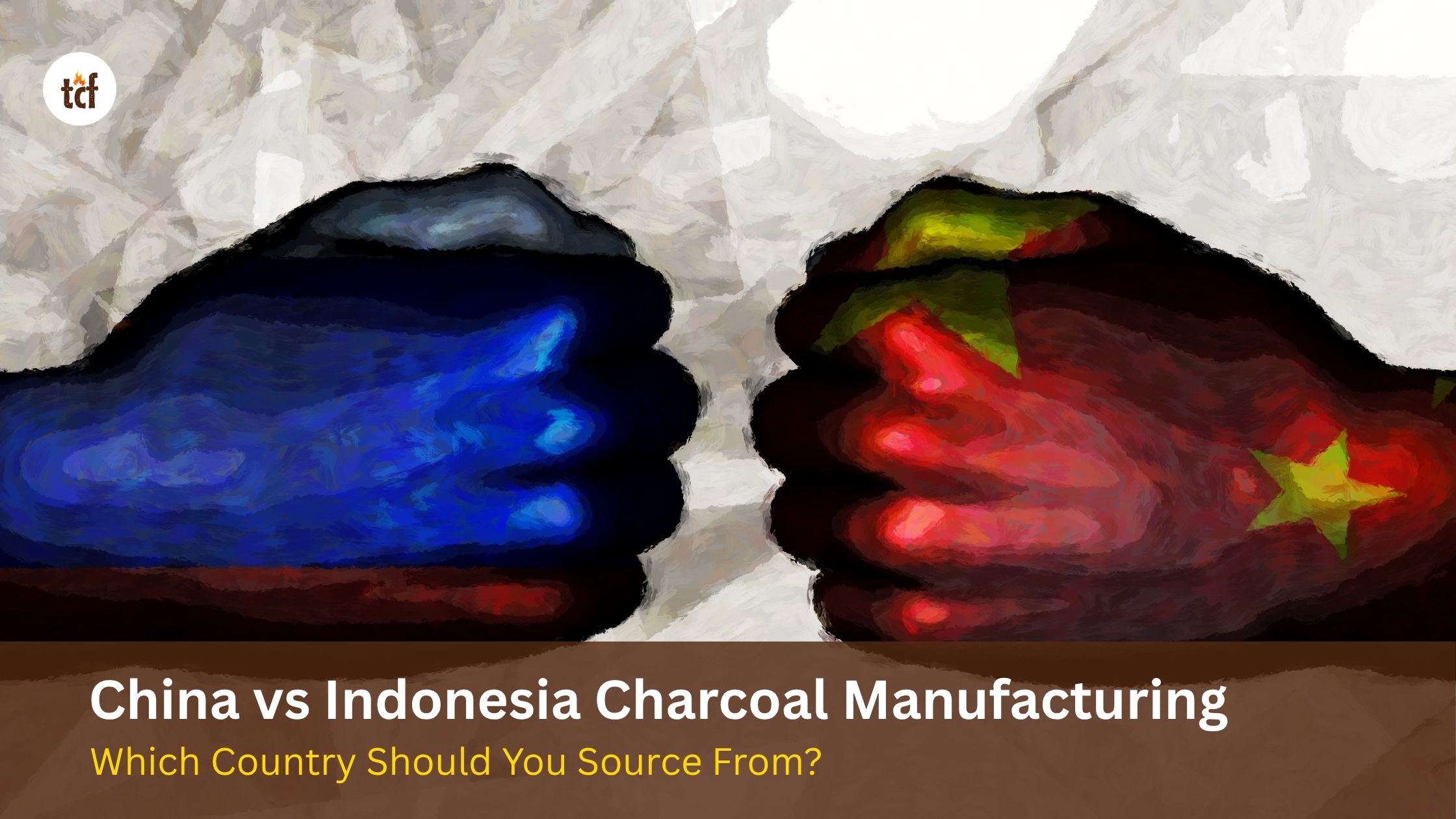
For most wholesale buyers, the choice comes down to this: China offers manufacturing scale, product diversity, and vertically integrated supply chains, while Indonesia dominates coconut shell briquette production and leads the world in export volume. The right answer depends on what you are buying and who you are selling to.