Charcoal Import Regulations by Country: US, EU, UK, and the Middle East, Compared
Here’s how the 4 major markets actually compare: customs codes, sustainability rules, dangerous goods requirements, and restricted-origin rules.


Here’s how the 4 major markets actually compare: customs codes, sustainability rules, dangerous goods requirements, and restricted-origin rules.
A Certificate of Analysis (COA) reports 4 core numbers for charcoal: moisture, ash, fixed carbon, and calorific value. Moisture and ash should be as low as the spec allows, fixed carbon should be as high as possible, and the calorific value should match or exceed the contract specification.
There’s no universally “best” term. There’s a best term for your specific situation. Here’s how to figure out which one that is.
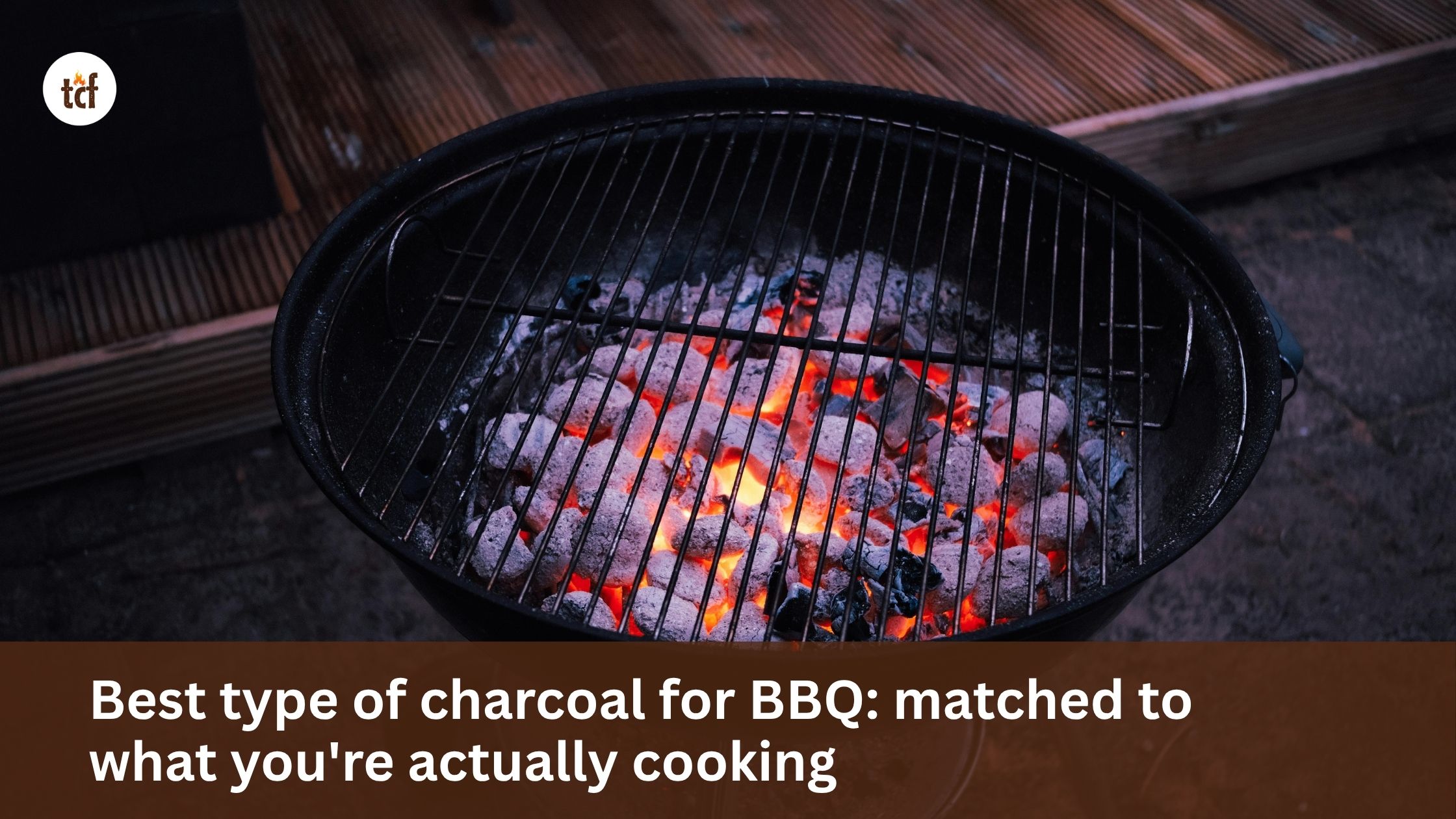
Instead of another general lump-vs-briquette breakdown, here’s how to match charcoal type to the actual dish in front of you, plus the burn data behind why each one performs the way it does.
Here’s what it actually checks, how the process works, and why skipping it costs buyers more than the inspection fee itself.
Charcoal dangerous goods shipping: Charcoal shipped by sea must now be declared as Dangerous Goods under UN1361, Class 4.2 (spontaneously combustible), regardless of prior “tested safe” exemptions.
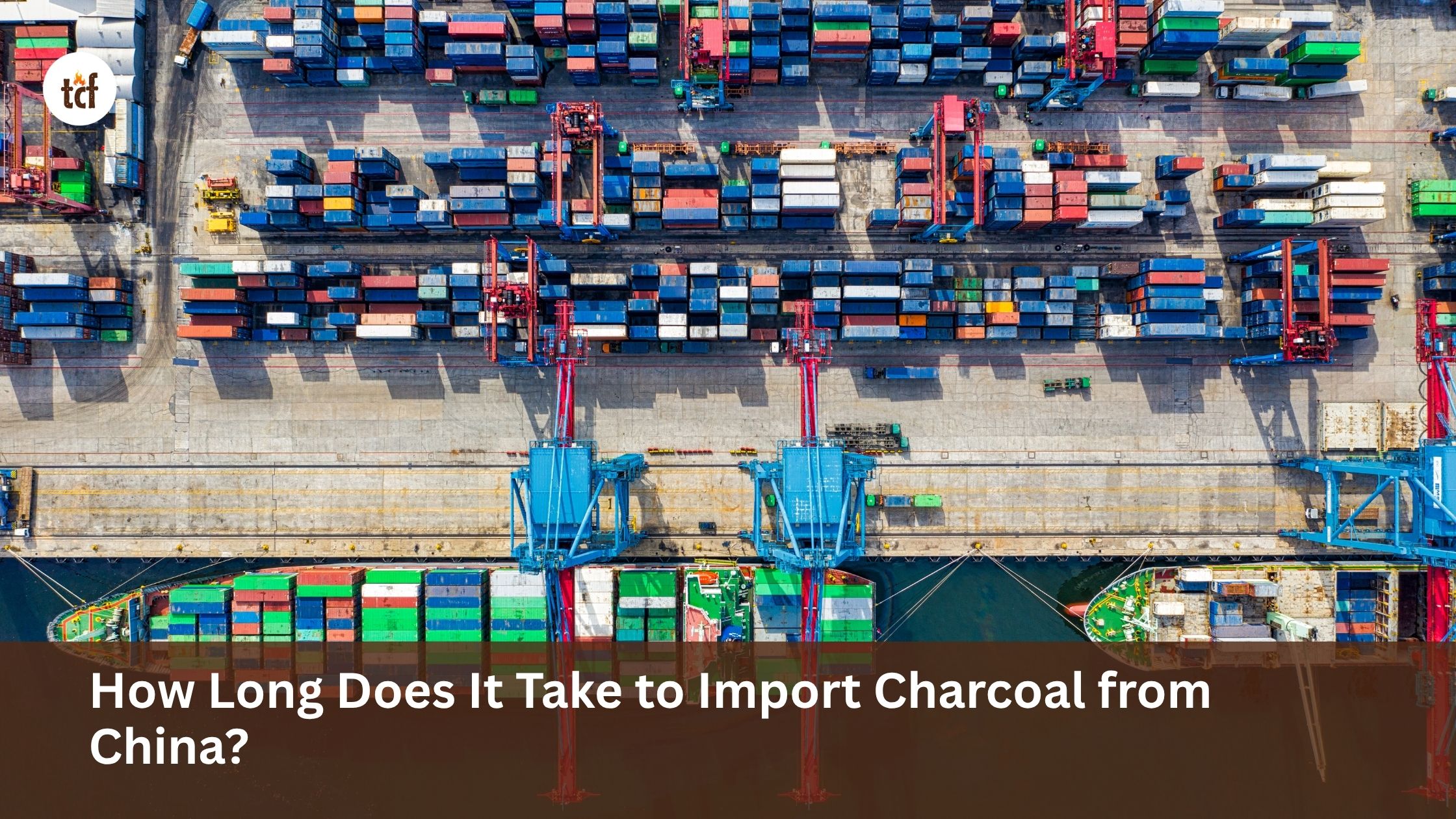
Importing charcoal from China typically takes 4 to 8 weeks in total from order placement to warehouse delivery, covering production, sea freight, customs clearance, and last-mile delivery.
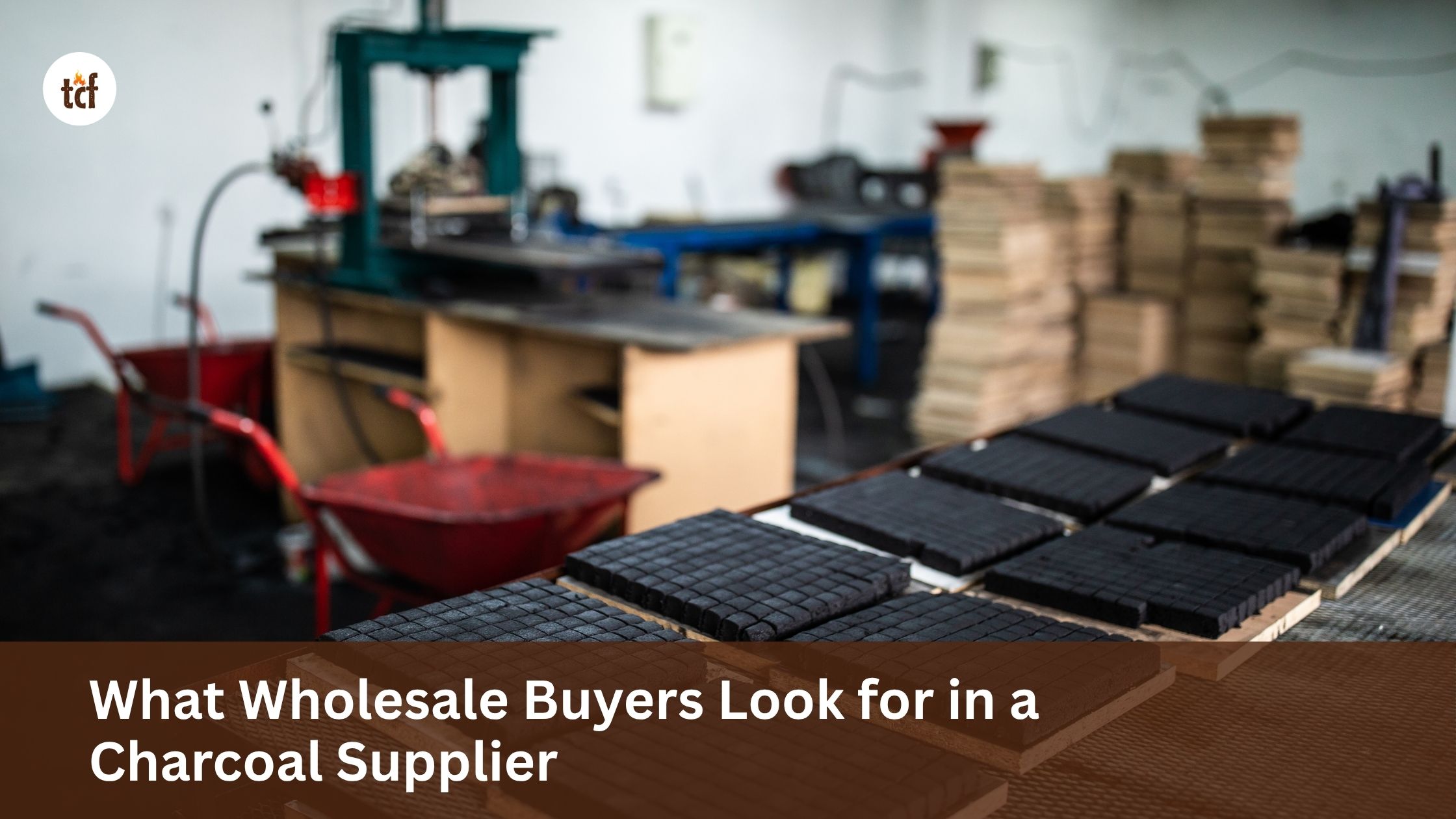
certifications, reliable logistics, and the ability to scale are what separate a long-term partner from a one-order vendor. Here is what serious buyers actually check before signing a contract.

Importing charcoal from China costs between $550 and $1,400 per metric ton (FOB China), depending on charcoal type.