How to Test the Moisture Content of BBQ Charcoal in 3 Seconds?
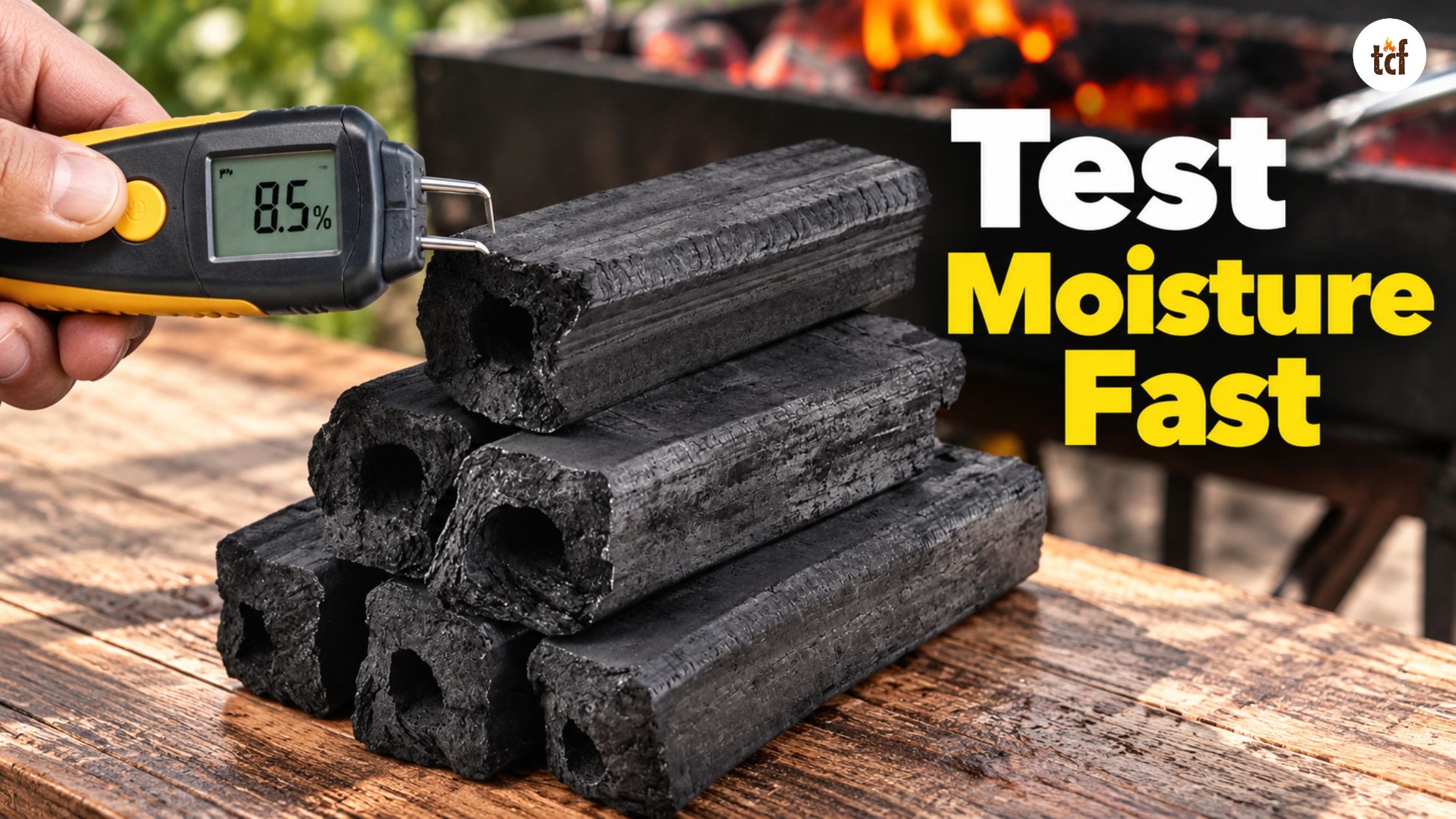
The quick checks tell you whether charcoal is probably dry or probably wet. The oven test tells you the number you can put in a contract or compare against a lab report.




The quick checks tell you whether charcoal is probably dry or probably wet. The oven test tells you the number you can put in a contract or compare against a lab report.
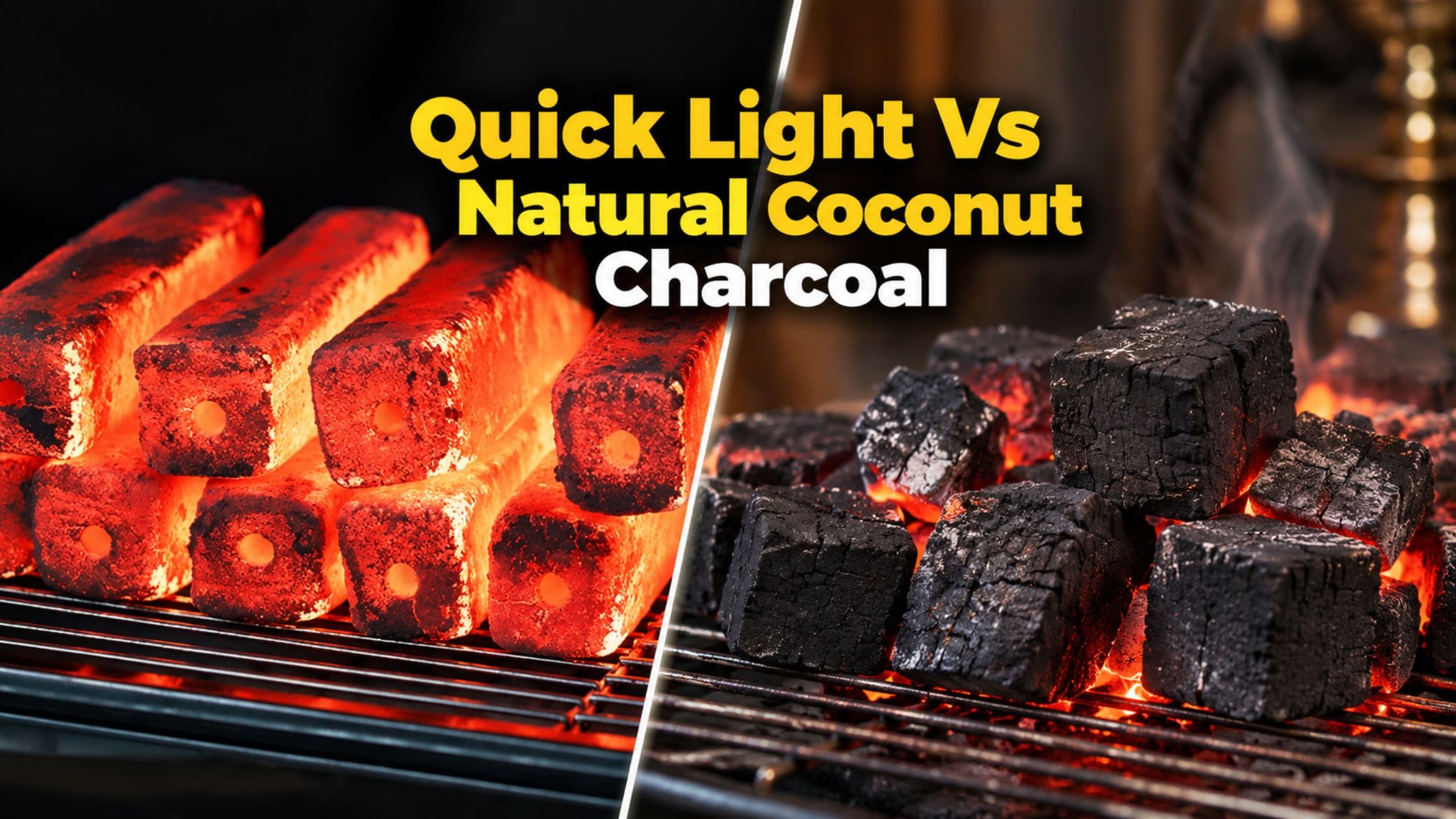
The choice is less about which coal is “better” and more about how your venue runs: how many bowls go out at peak, whether you have a proper coal station, and who stands at it.
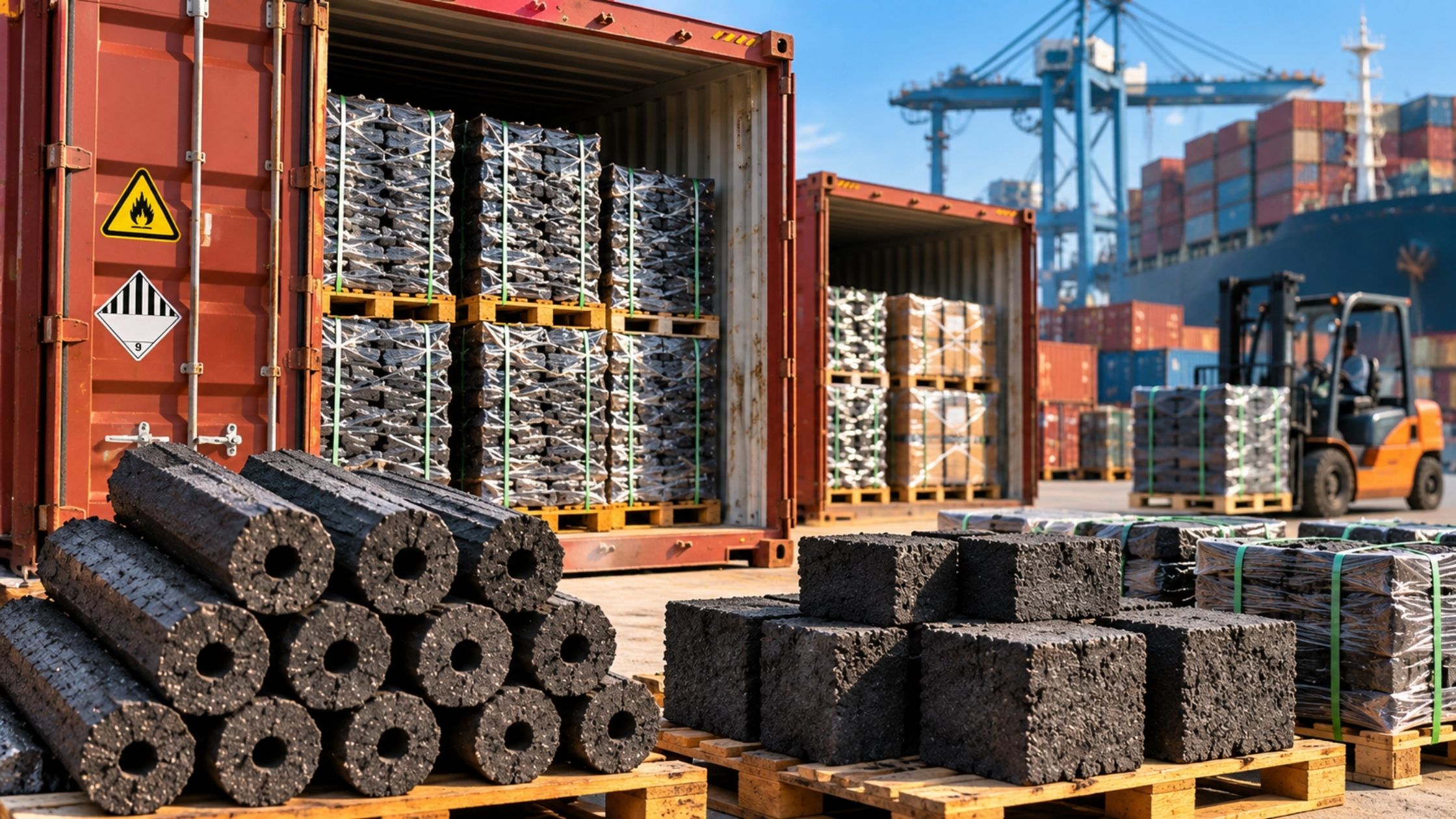
These rules come from Amendment 42-24 of the IMDG Code and its new Special Provision 978. Carriers and the industry body CINS add further requirements on top, and that is where most importers get confused.
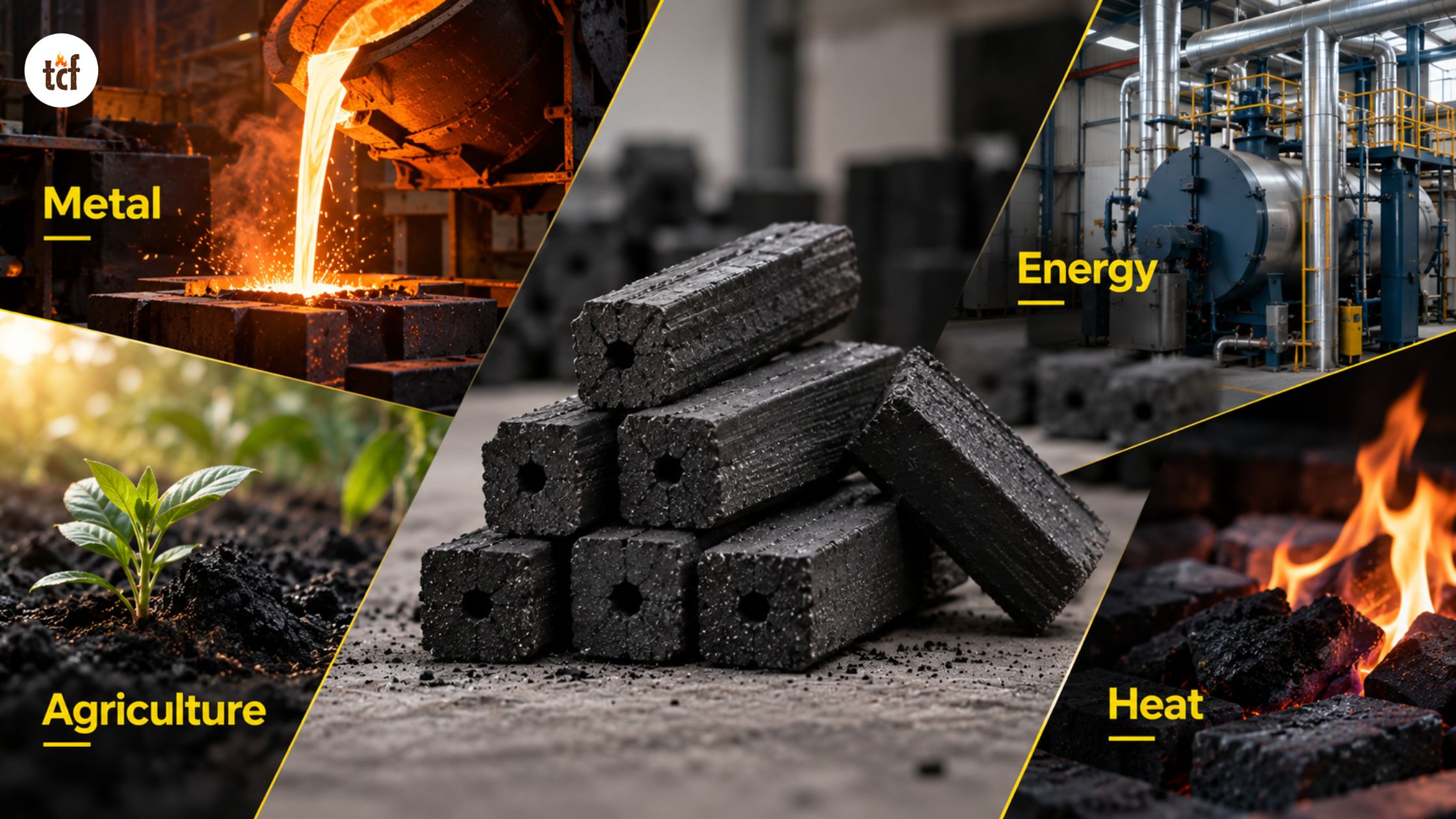
The Charcoal Uses in Industry span steel production, water purification, pharmaceuticals, agriculture, cosmetics, and emerging green-energy applications
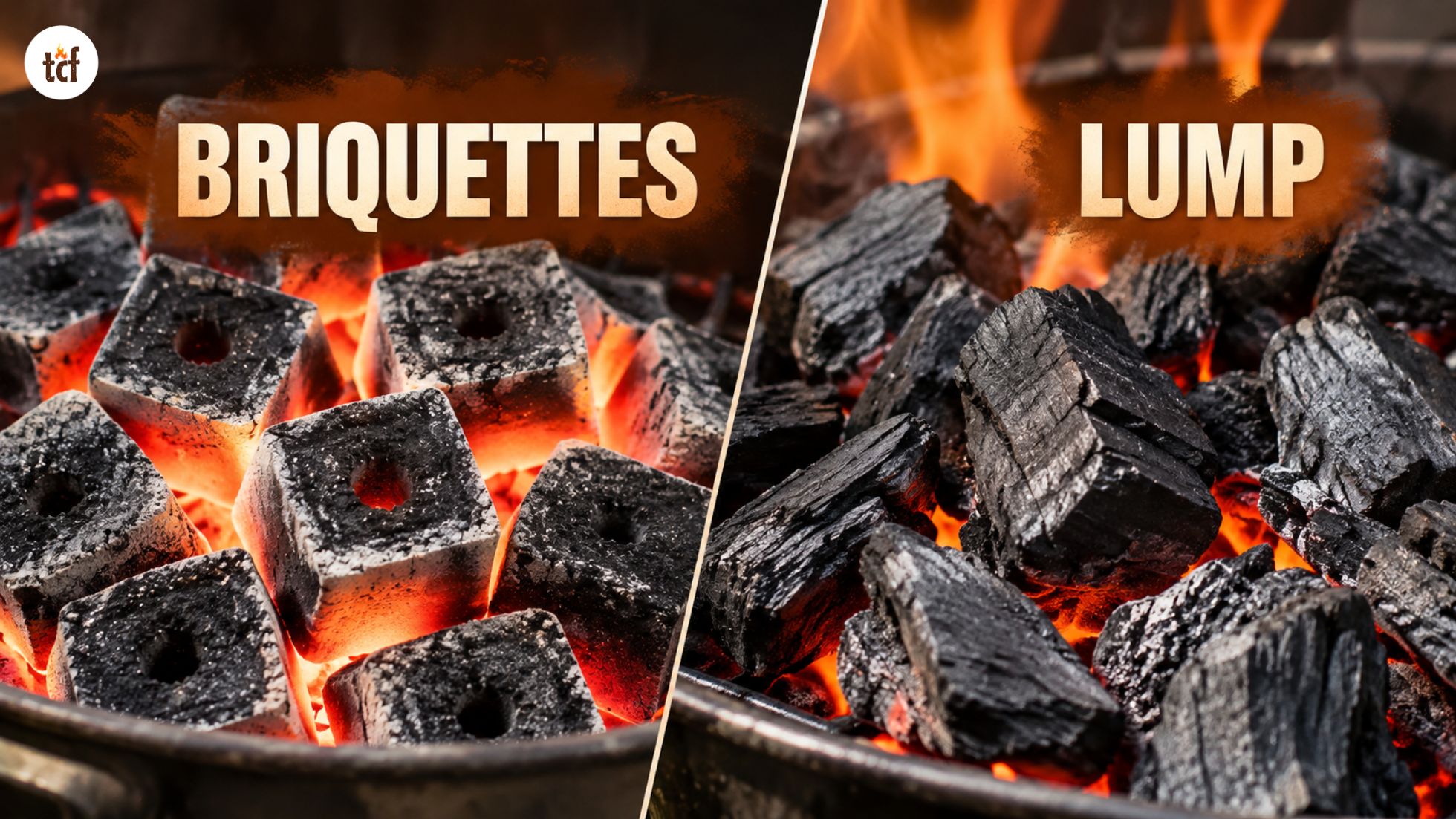
Why Briquettes Burn Longer Than Lump Charcoal? Charcoal briquettes typically burn 3 to 5 hours at a steady temperature. Lump charcoal burns hotter but faster, usually 1 to 2 hours
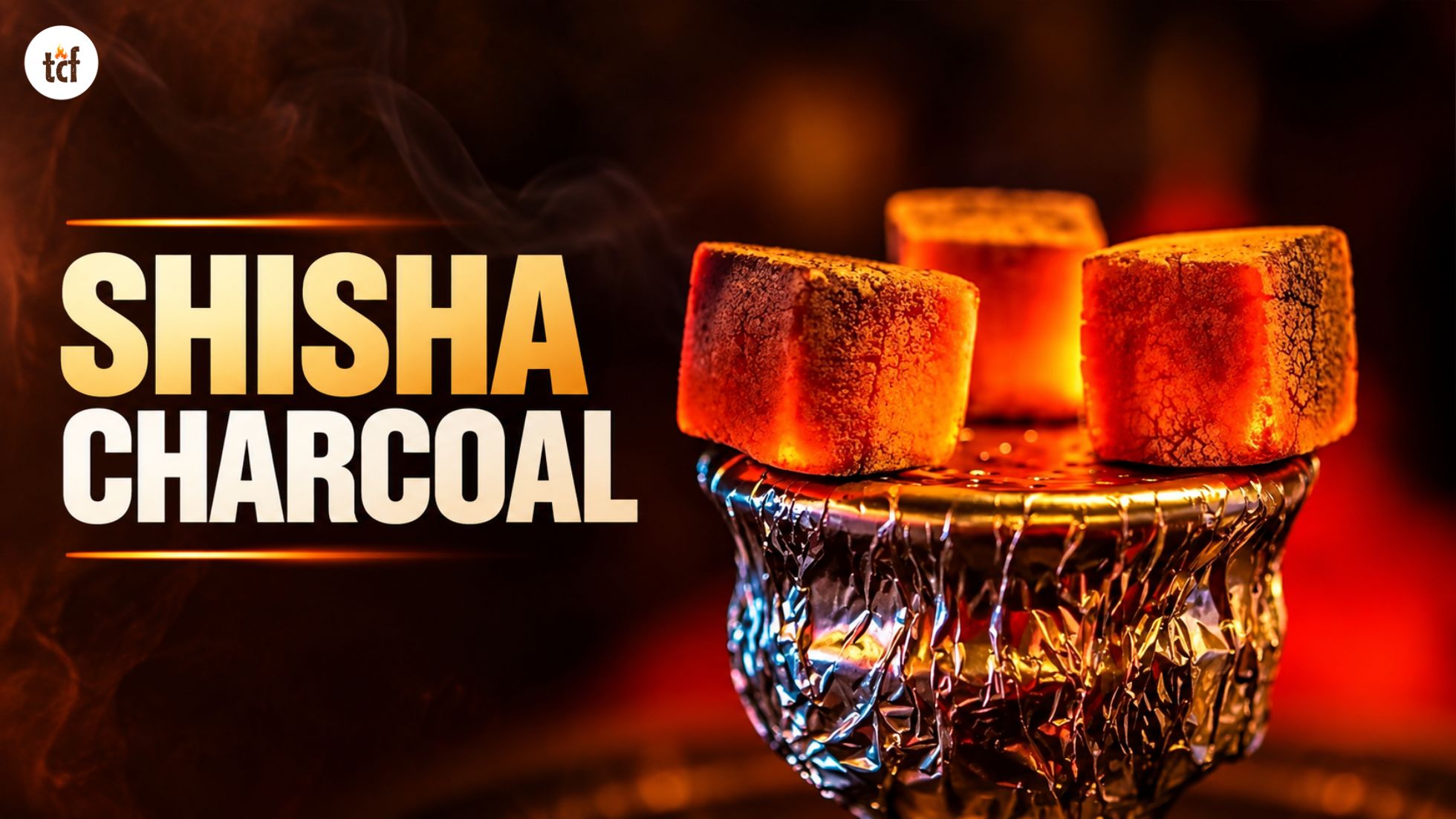
Natural coconut shell charcoal is the standard fuel for serious shisha lounge operations, chosen over quick-light and pistachio/wood alternatives because it preserves flavor purity and maximizes session length, both of which affect table turnover and customer retention directly.
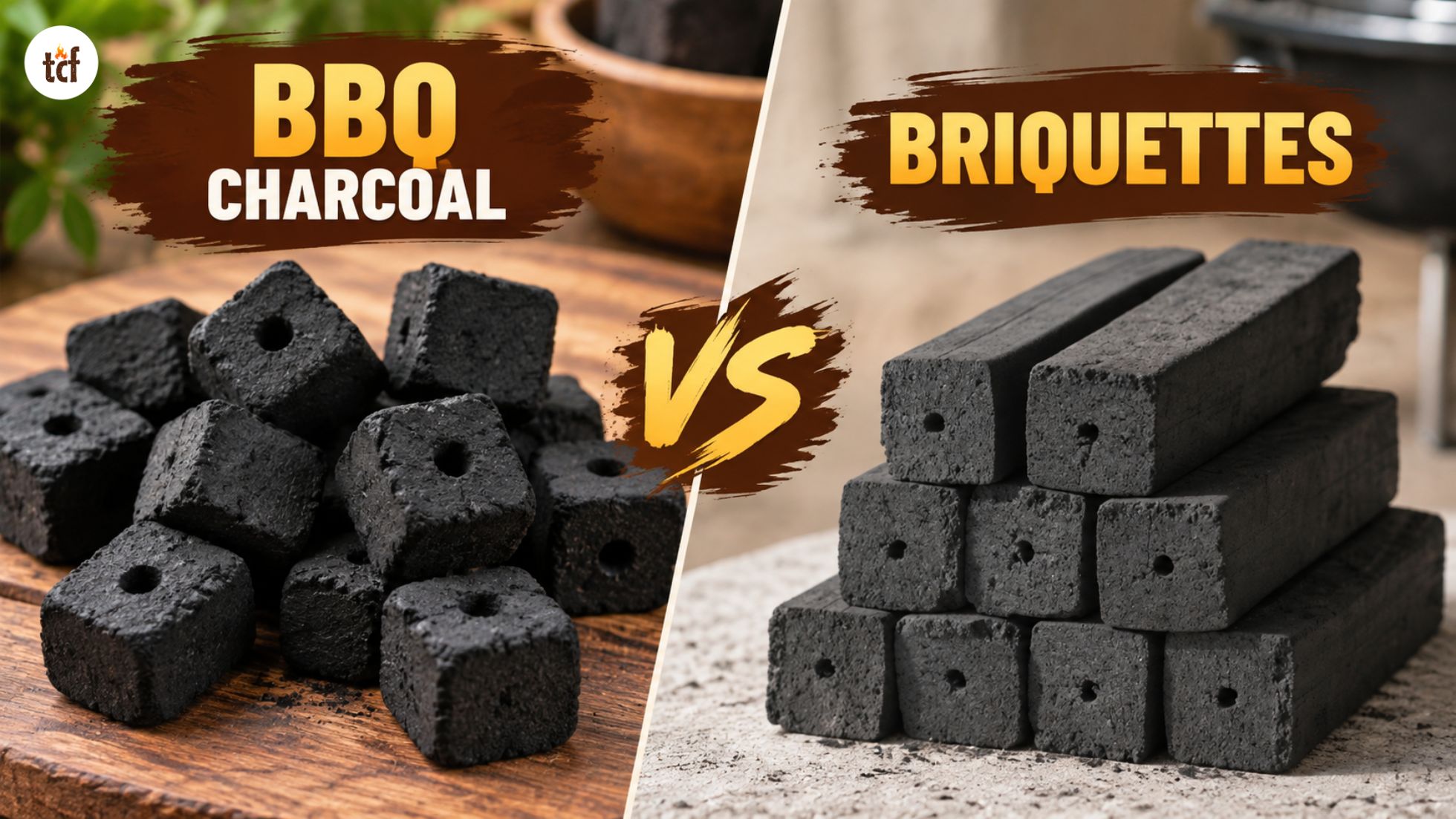
This isn’t a “which is better” question; it’s a procurement question tied directly to your equipment list and menu. Here’s how to think about it as a stocking decision rather than a preference.
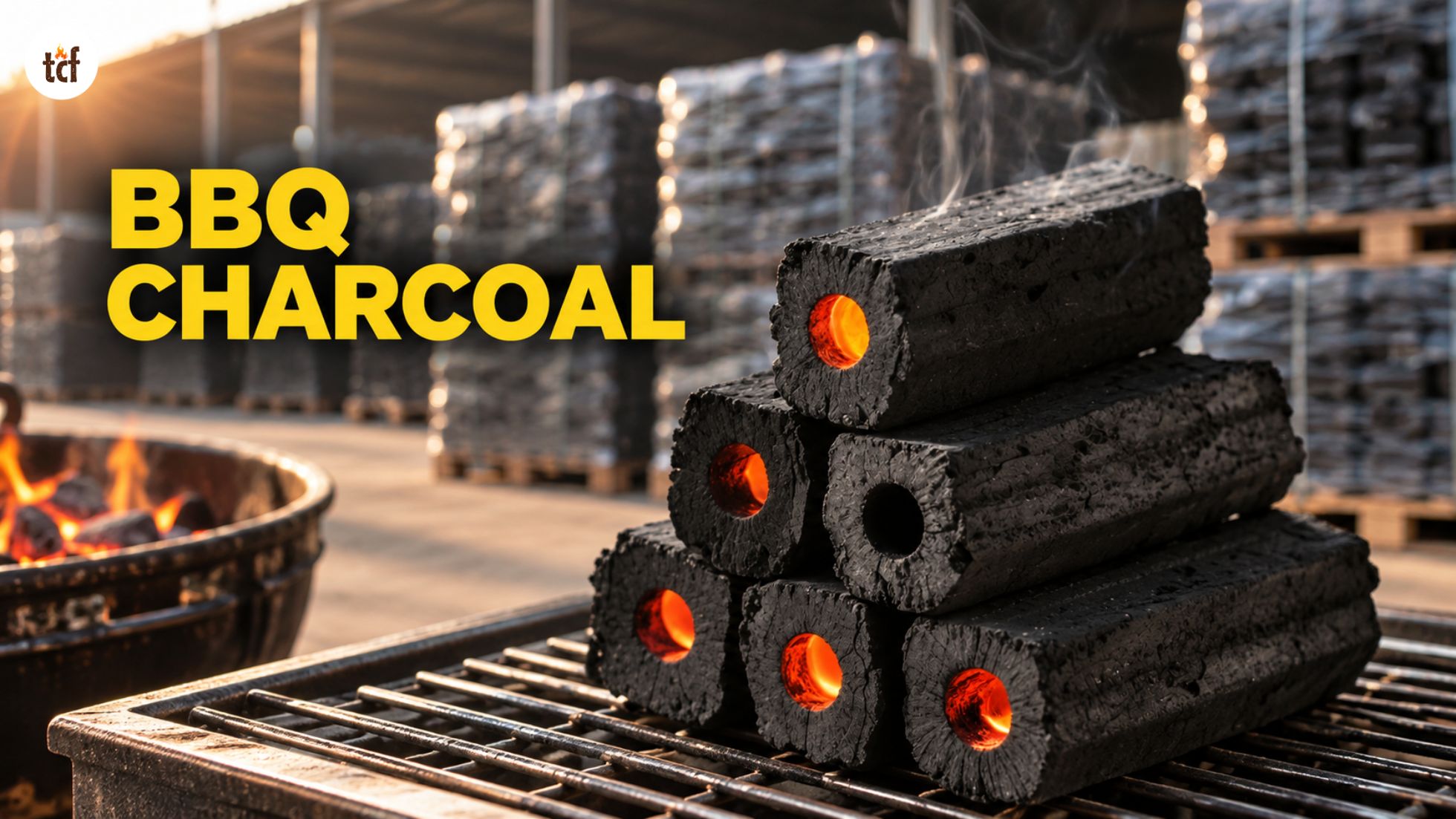
Here’s what that number means in practice, how grades break down, and what else to check before committing to a container order.
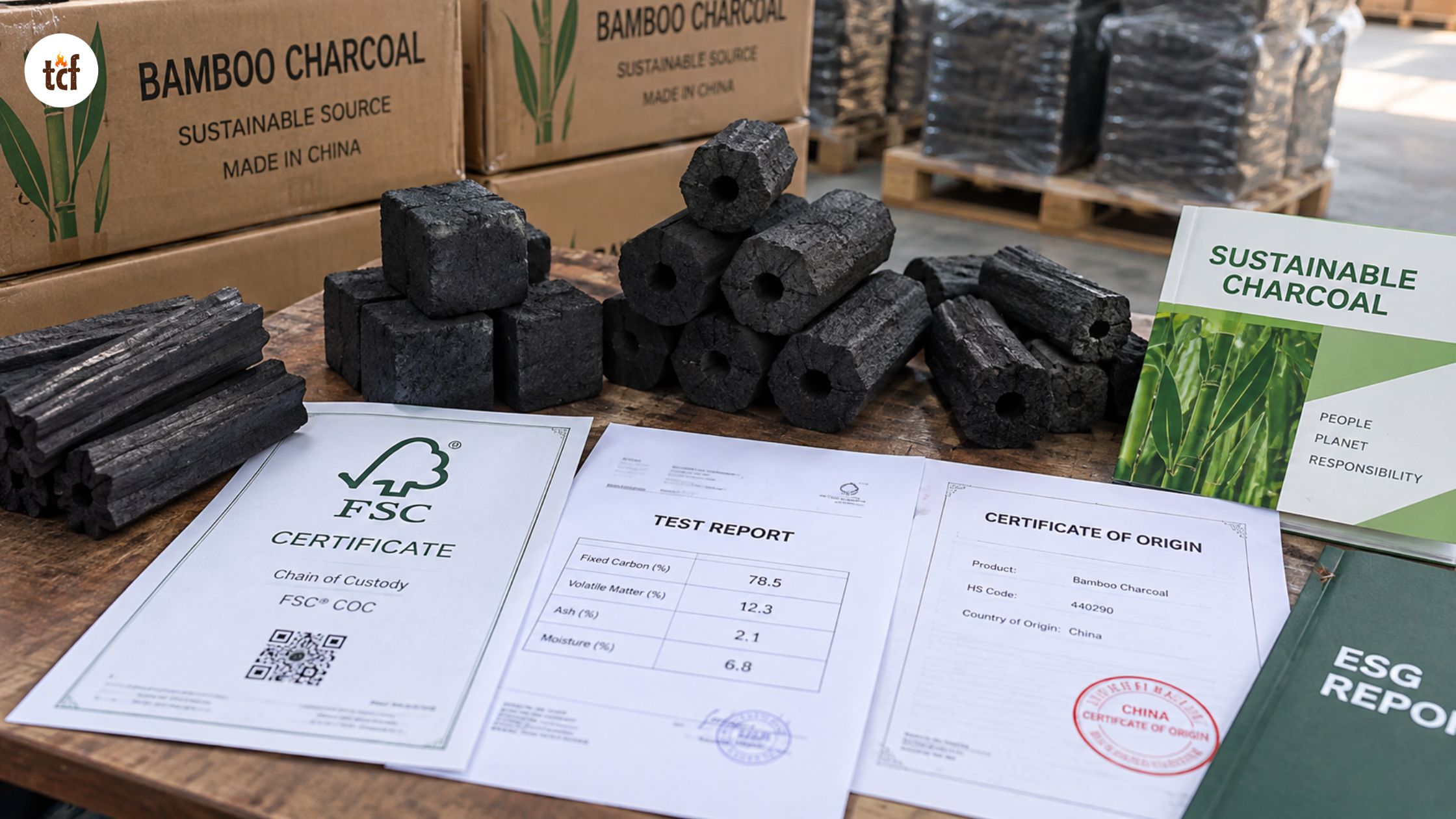
Here’s what to request in each category, and why the “we’re too small to need this” assumption is getting riskier every year.
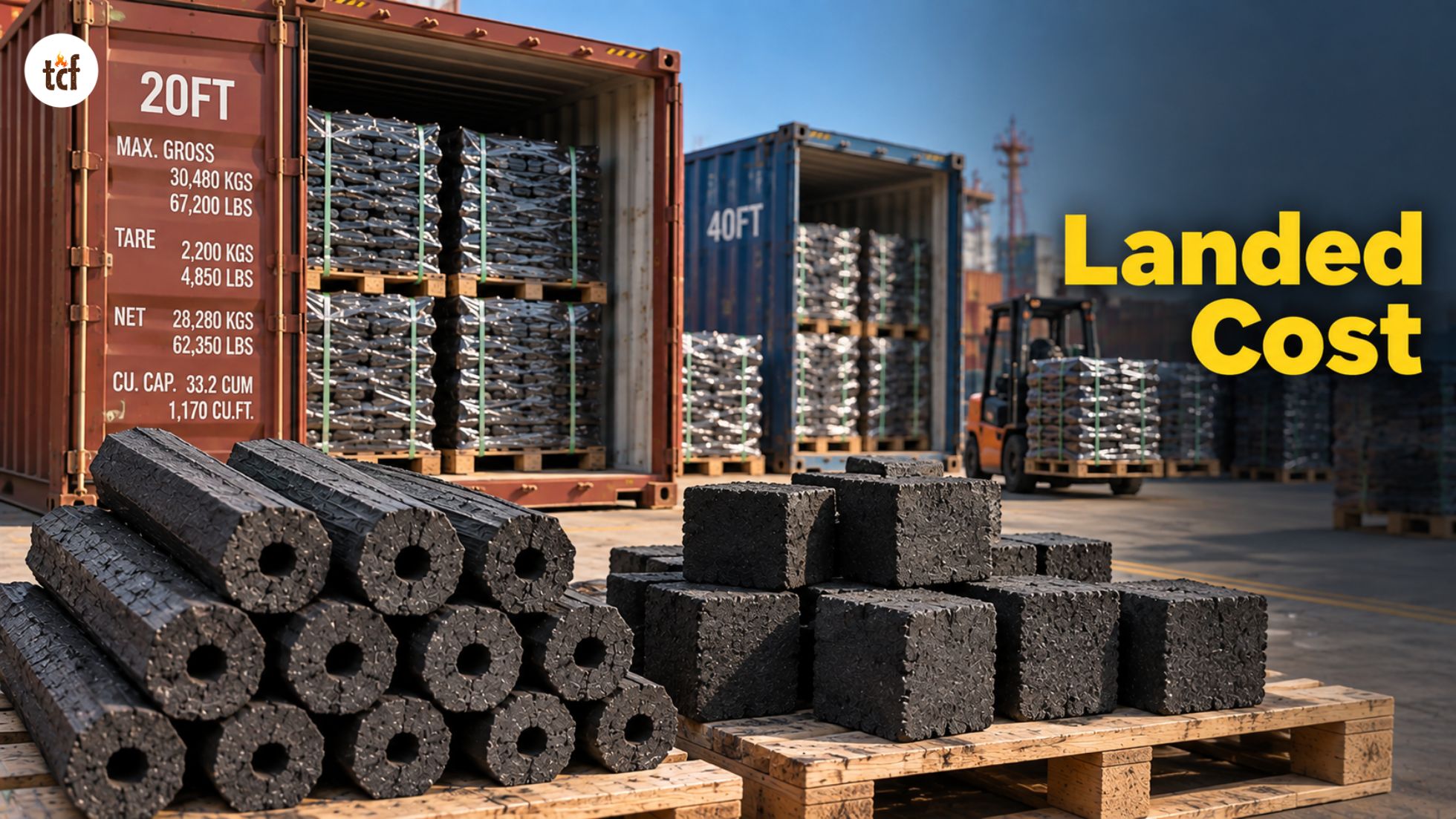
Here’s the full formula, plus 3 worked examples across different destination markets so you can see how the same FOB price lands at very different final costs depending on where you’re importing to.