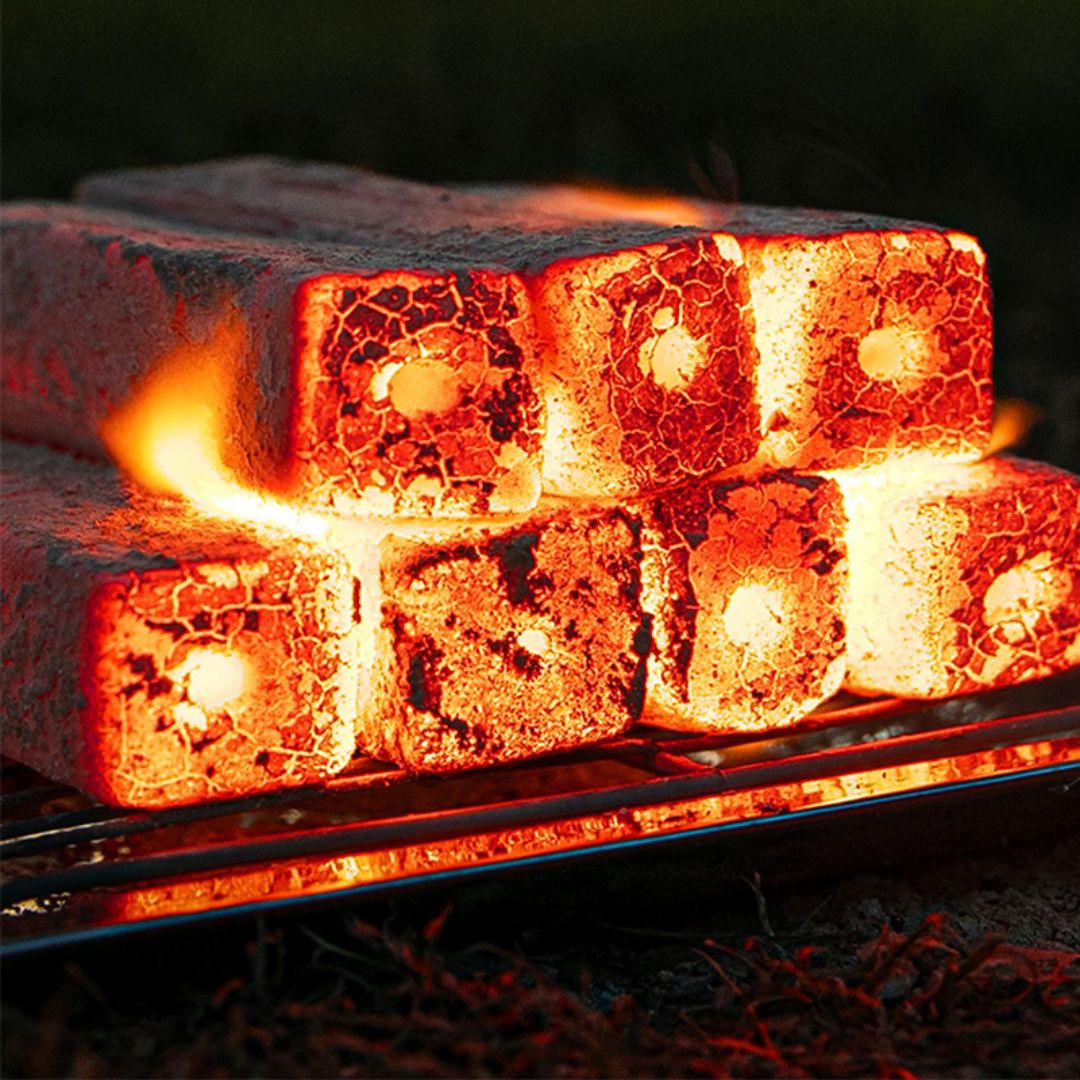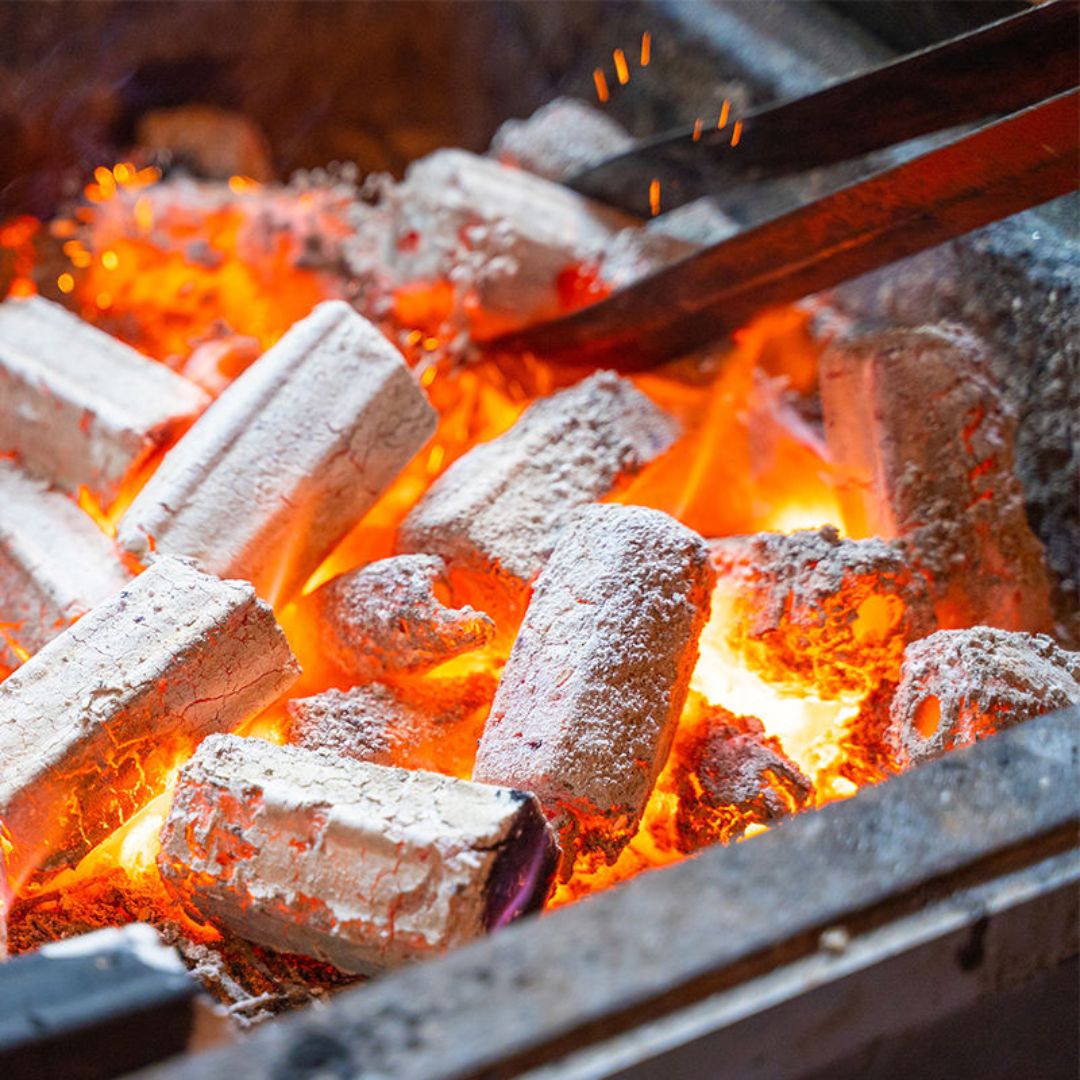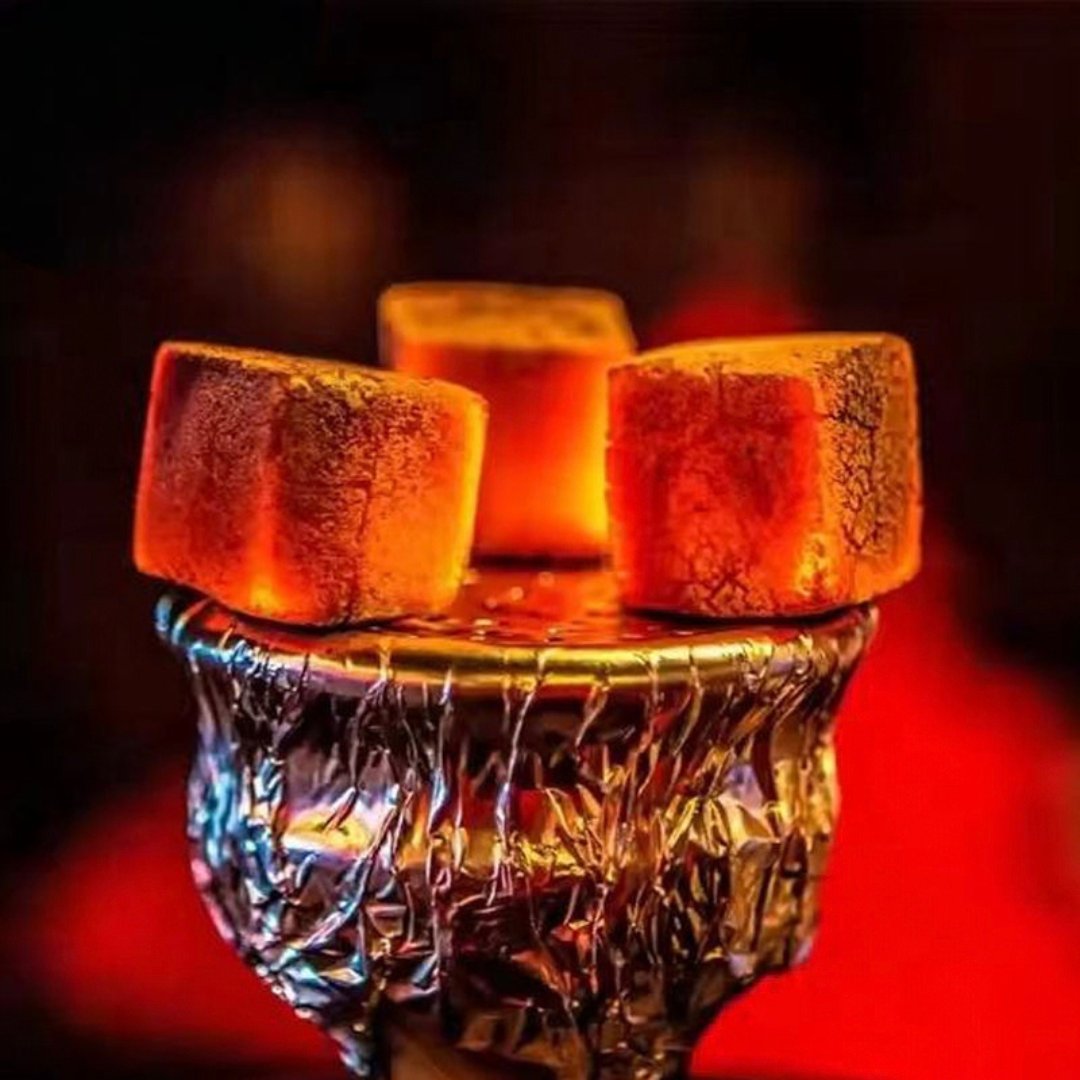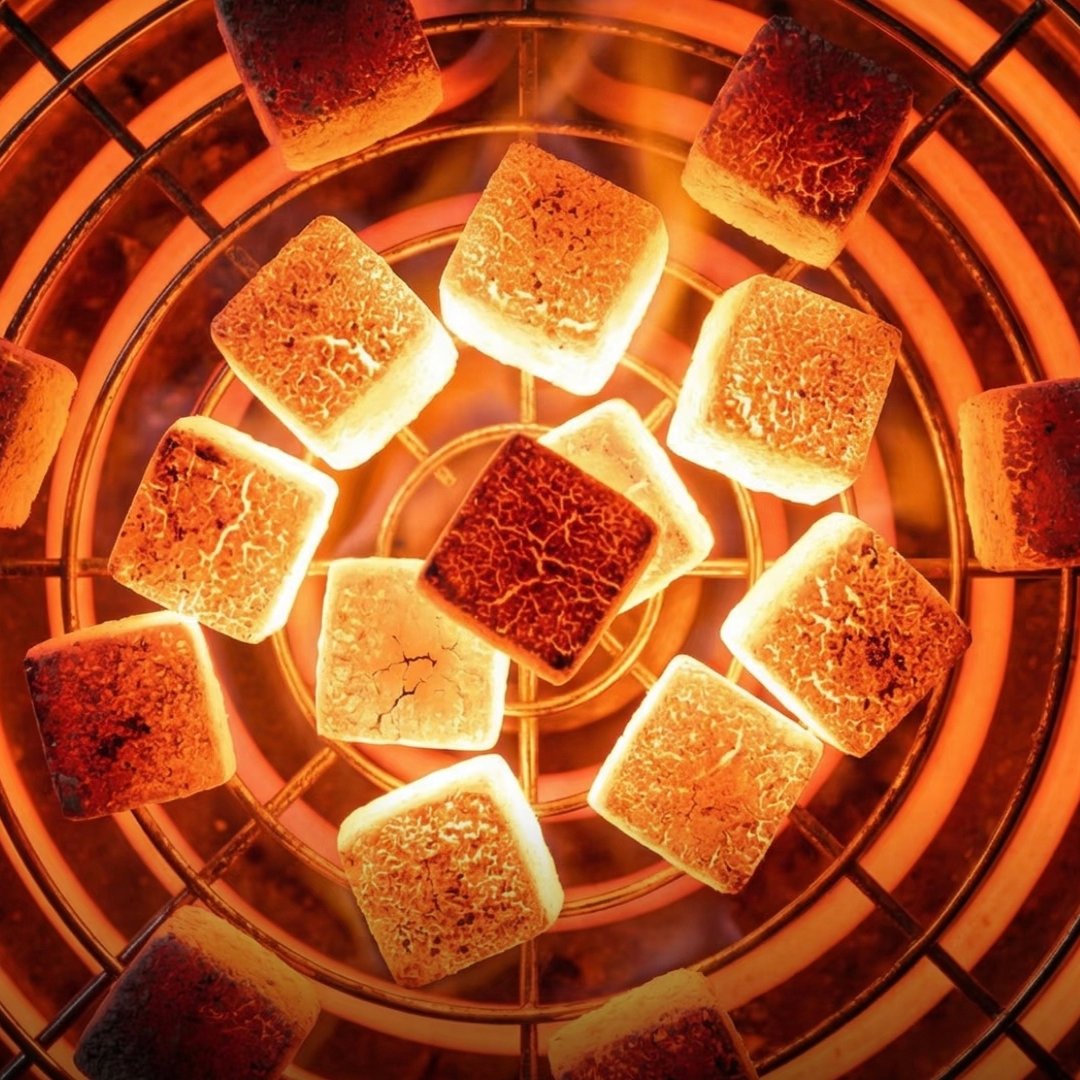


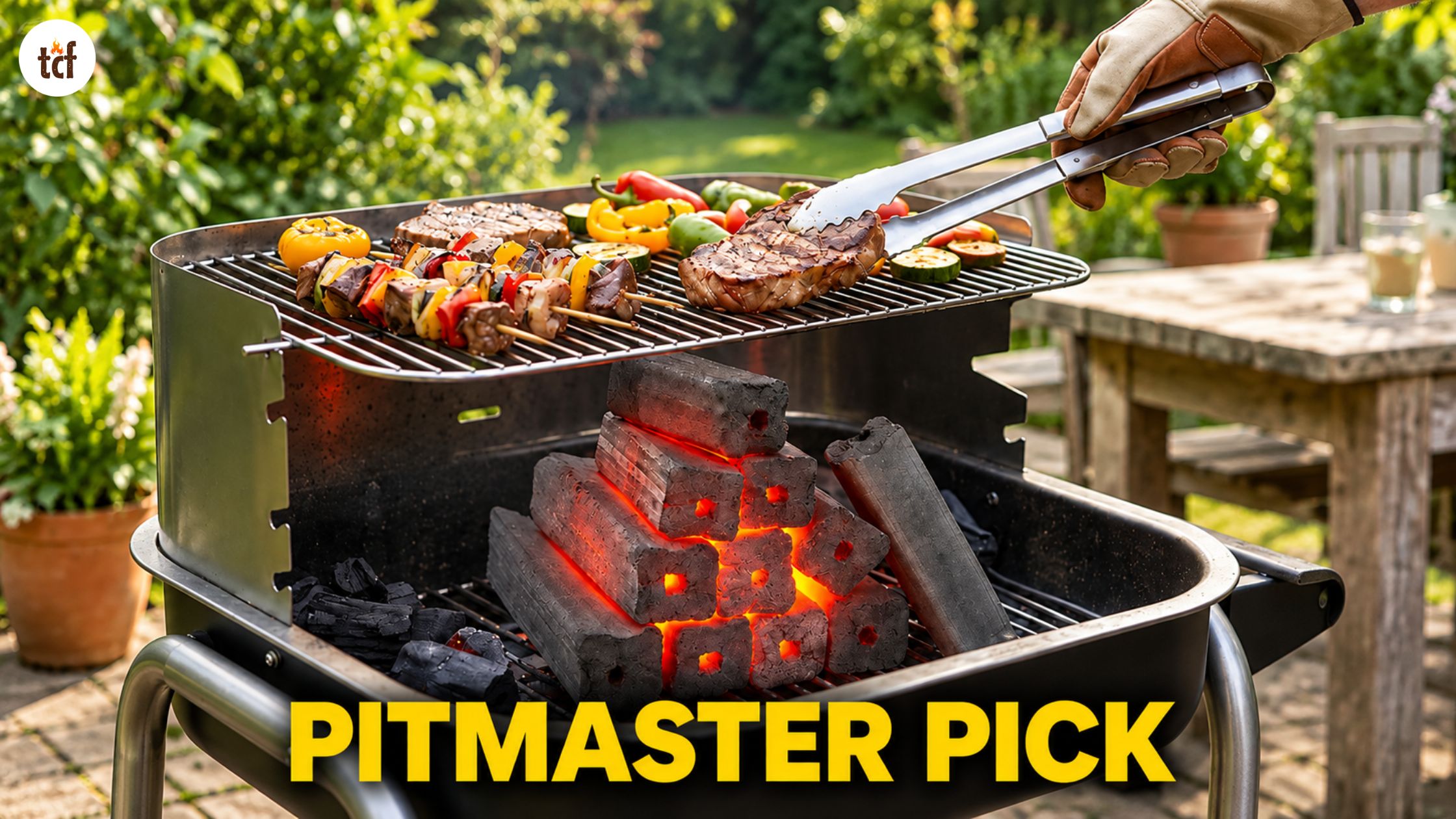
The best charcoal types for BBQ are Lump Charcoal (best for high-heat grilling and searing), Hardwood Briquettes (best for low-and-slow smoking), Coconut Shell Charcoal (best for long cooks and eco-conscious grilling), and Binchotan (best for premium, flavour-neutral BBQ). For most people doing a regular backyard BBQ, lump charcoal or quality hardwood briquettes is the answer. The “best” comes down to what you’re cooking, how long you’re cooking, and the flavour you’re after.
Table of Contents
Why the “Best Charcoal for BBQ” Question Has No Single Answer
Walk into any pitmaster forum AmazingRibs, SmokingMeatForums, backyard grilling groups and the debate about the best charcoal for BBQ is alive and fierce. Experienced grillers across every corner of the internet have strong, deeply held opinions. And here’s the thing: they’re all right, in different ways.
Pitmasters who smoke brisket for 12 hours swear by briquettes for their long, steady, predictable burn. Competition grillers going for the perfect steak sear load up on lump charcoal for blistering heat. Eco-conscious cooks in the UK and Australia have quietly shifted toward coconut shell charcoal. And Japanese yakitori chefs wouldn’t dream of using anything other than binchotan.
The best charcoal for BBQ is simply the right one for what you’re putting on the grate. This guide breaks it all down — with insights from real grilling communities, tested data, and practical recommendations you can use this weekend. New to charcoal types? Before diving into what’s best for BBQ specifically, it helps to understand the basics. Check out our full guide to Types of Charcoal first to get up to speed then come back here for the BBQ-specific breakdown.
Best Charcoal Types for BBQ: At a Glance
| Charcoal Type | Best BBQ Use | Flavour | Burn Time | Ease of Use |
| Lump Charcoal | Searing, hot-and-fast grilling | Natural, smoky | 1–2 hrs | Moderate |
| Hardwood Briquettes | Low-and-slow smoking | Mild, woody | 3–4 hrs | Easy |
| Standard Briquettes | Beginner BBQ, long cooks | Mild/neutral | 2–3 hrs | Very Easy |
| Coconut Shell Charcoal | Long BBQ sessions, eco cooks | Clean, neutral | 4–5 hrs | Easy |
| Binchotan | Premium grilling, delicate proteins | Zero interference | 4–6 hrs | Difficult |
1. Lump Charcoal Best for High-Heat BBQ Grilling
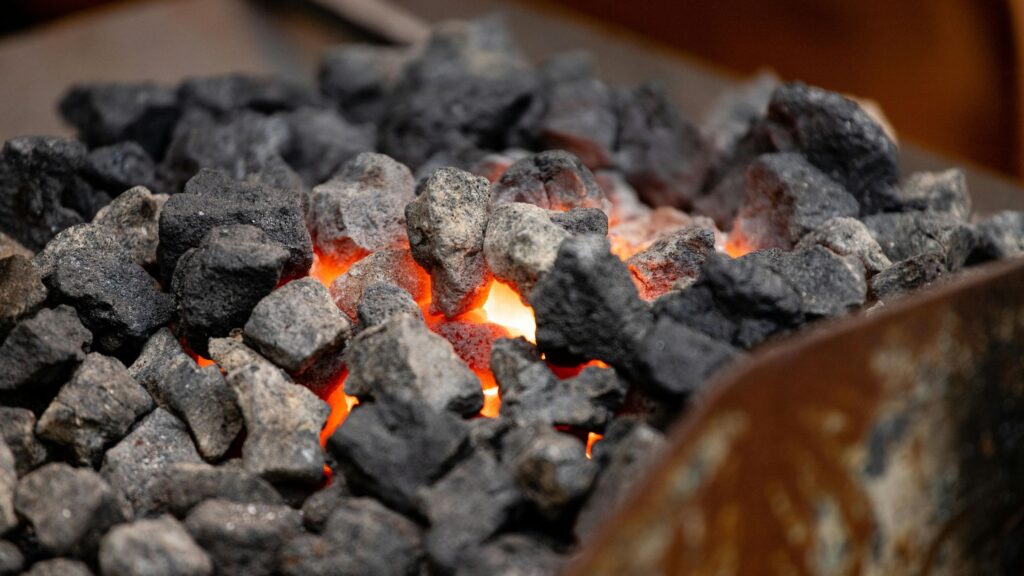
Why it’s the best for: Steaks, burgers, chops, hot dogs, spatchcock chicken anything that benefits from intense, direct heat and a clean, natural smoke.
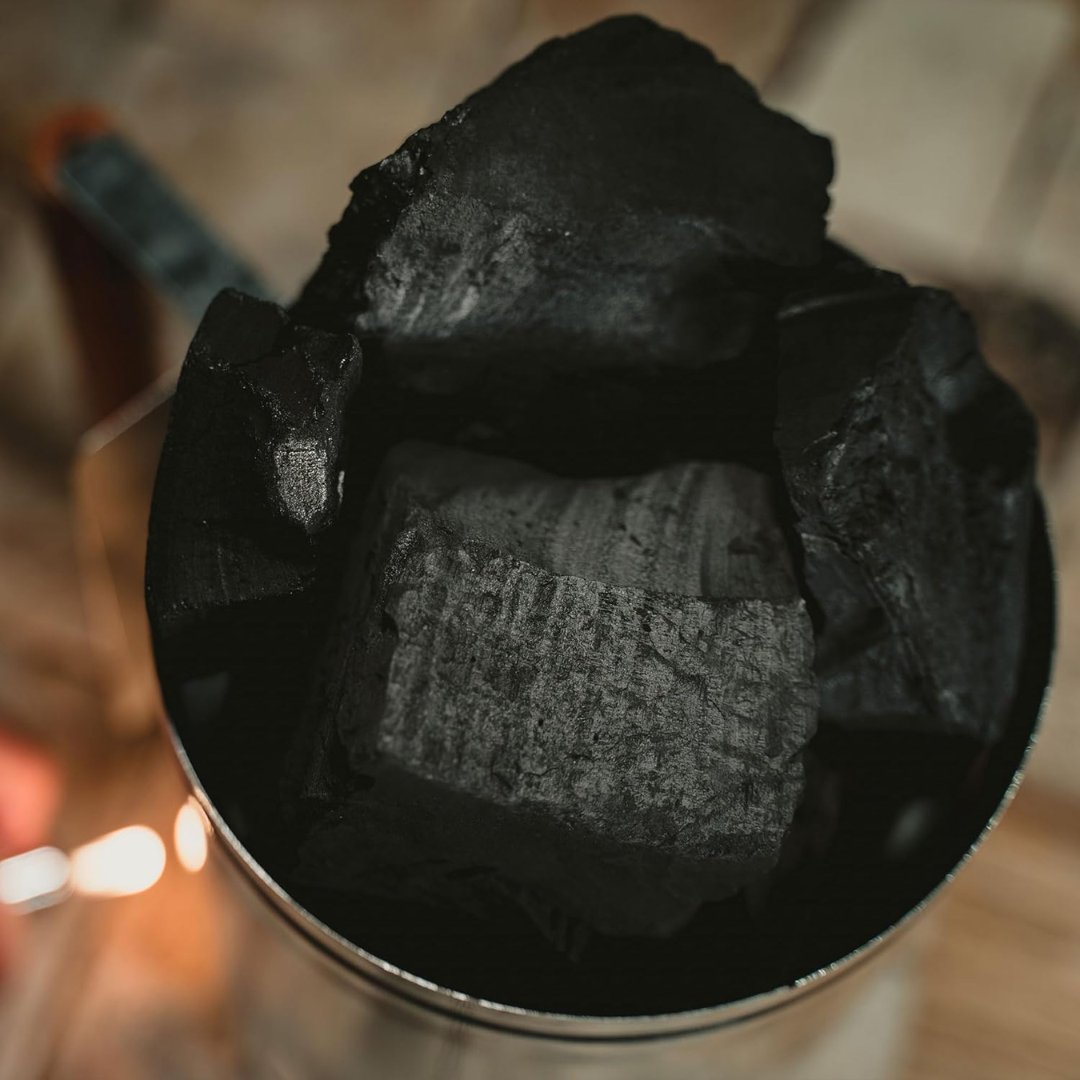
Lump charcoal (Best Charcoal Types for BBQ) is made from pure hardwood burned in a low-oxygen kiln until it becomes near-pure carbon. No binders. No fillers. No additives. What you get is a charcoal that burns hotter than almost anything else available to home grillers, reaching well above 700°F and imparting a genuine hardwood smoke flavour to food.
What the BBQ community says: On SmokingMeatForums, grillers consistently put lump charcoal at the top for steak and burger cooks. One experienced pitmaster’s view summed it up well: lump charcoal is for grilling a steak, hamburgers, hot dogs — hot and fast. Briquettes are for pork butts, ribs, brisket low and slow. That’s the consensus, and it’s solid advice.
Professional BBQ chef Jess Pryles notes that cooking with lump can feel like cooking in an oven with hot spots — the uneven pieces create temperature variation across the grate. This is a real limitation. But for high-heat, short-duration cooks where you want searing intensity and that authentic smoke character, nothing beats quality lump.
The pros:
- Burns hotter than any other charcoal type, ideal for steakhouse-level sears
- Lights fast, ready in 15–20 minutes with a chimney
- 100% natural, no additives or chemical flavour
- Minimal ash production, less cleanup
- Available in hardwood varieties (oak, hickory, mesquite) for different flavour profiles
The cons:
- Burns faster — you’ll go through more fuel in a long cook
- Uneven lump sizes can create hot spots
- More expensive than standard briquettes
- Requires more skill to maintain consistent temperatures
Best paired with: Steaks, burgers, lamb chops, kebabs, direct-heat chicken thighs, grilled vegetables.
Charcoal Factory Tip: Lump charcoal is a summer BBQ season essential. Grab BBQ Lump Charcoal Bundles before the season gets going — they regularly sell out around bank holidays and peak summer weekends.
Also read – Top Countries Exporting Charcoal in 2026
2. Hardwood Briquettes Best for BBQ Smoking and Low-and-Slow
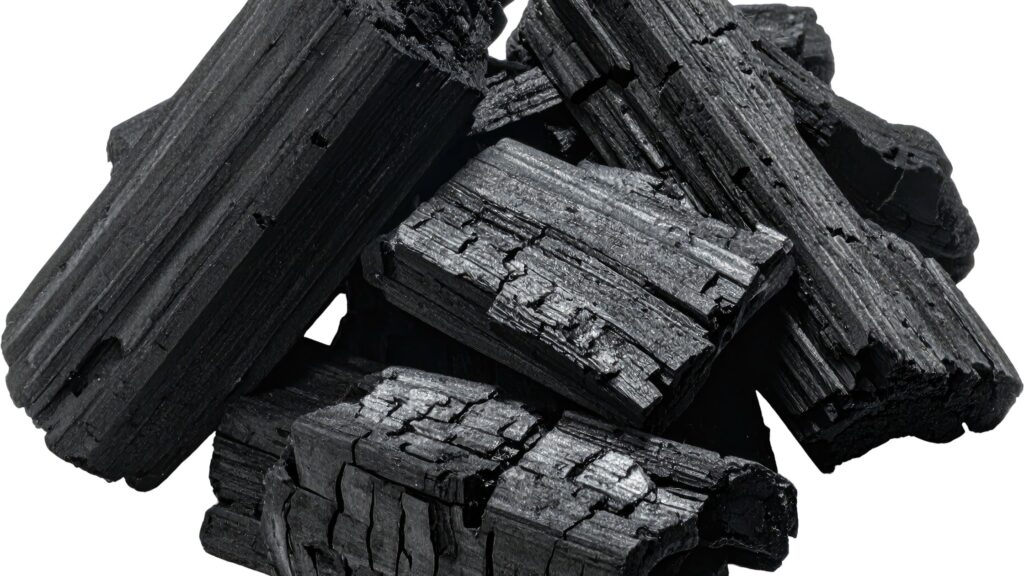
Why it’s the best for: Brisket, pulled pork, ribs, whole chicken, pork shoulder — any BBQ cook that runs for 2–6+ hours at controlled temperatures.
Hardwood briquettes occupy a sweet spot that many serious pitmasters settle on once they’ve experimented with both lump and standard briquettes. Made from compressed, 100% natural hardwood (often oak, hickory, or a blend) without coal dust, petroleum-based binders, or cheap fillers — quality hardwood briquettes give you the consistent, long burn of a briquette with the cleaner, more natural flavour of real wood.
What the BBQ community says: On the Pitmaster Club forums, experienced BBQ smokers frequently cite B&B Oak Briquettes as the gold standard for smoking. One pitmaster described them as producing “great quality, clear, thin smoke” — a crucial distinction. In a long smoke, the smoke your charcoal produces matters as much as the heat it generates. Thin, clean blue smoke is what you want penetrating your meat, not thick, acrid white smoke.
When BBQ experts from Chowhound and Taste of Home were polled, several professionals specifically chose hardwood briquettes or quality standard briquettes for smoking sessions — not lump — precisely because temperature consistency is easier to maintain. Gareth Lloyd Jones, a respected BBQ chef, makes the point directly: briquettes are great for burgers or sausages, but you’ll want lump or specialty charcoal for slow-cooked ribs or brisket. For brisket and ribs, hardwood briquettes are the specialty choice.
The pros:
- Long, consistent burn — ideal for cooks lasting 3–6+ hours
- Easier temperature management than lump
- More natural than standard briquettes — cleaner flavour profile
- Low ash production (in quality versions without fillers)
- Pairs exceptionally well with smoking wood chunks
The cons:
- Takes longer to fully ignite
- Lower maximum heat than lump — not ideal for searing
- Premium versions cost more than standard briquettes
- Quality varies significantly by brand — read the ingredients label
Best paired with: Brisket, pork shoulder, baby back ribs, St. Louis ribs, whole pork belly, leg of lamb.
Tip: Planning a big smoke for Father’s Day or a summer gathering? Low-ash BBQ charcoal bundle: hardwood briquettes with wood chunks, a chimney starter, and firelighters — everything you need for a flawless low-and-slow session.
3. Standard Charcoal Briquettes Best for Beginners and Everyday BBQ
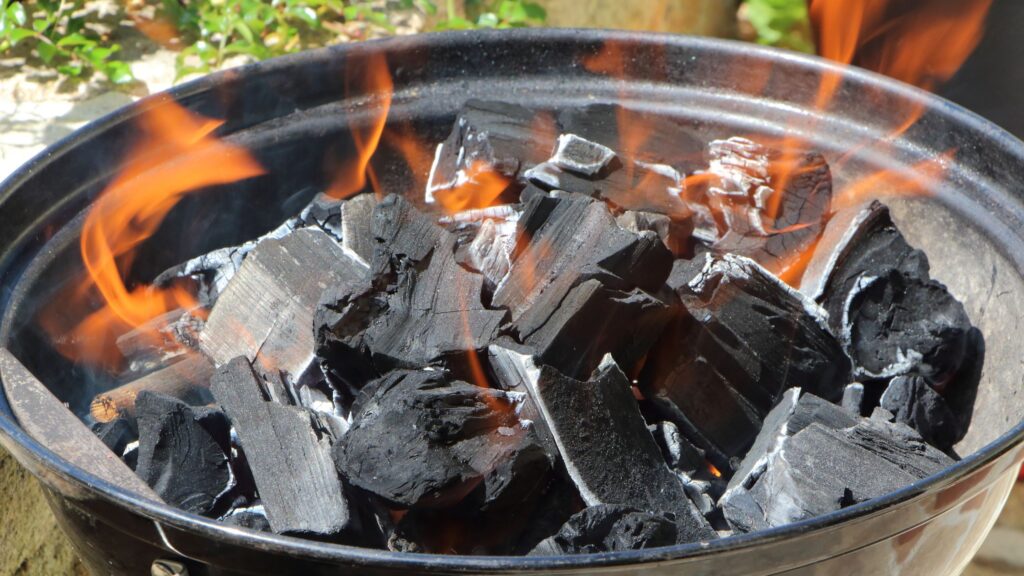
Why it’s the best for: Everyday grilling, beginners learning temperature control, and large family BBQs on a budget.
Standard charcoal briquettes are made from charcoal dust, sawdust, starch binders, coal dust, and sometimes limestone — all pressed into their familiar uniform pillow shape. They are far and away the most available and most affordable charcoal on the market, found in virtually every petrol station, supermarket, and hardware store.
What the BBQ community says: The split of opinions online is telling. Beginners and casual grillers consistently praise briquettes for their predictability and ease. One Chowhound interview with BBQ chef Jess Pryles encapsulates the briquette fan’s position: “It’s reliable and consistent, with even longer-lasting heat. Cooking over lump creates unnecessary challenges.”
The key mistake most people make with briquettes is starting to cook too soon. Briquettes must be fully ashed over — turned completely grey/white — before you put food on. Cooking over briquettes that are still lighting produces a chemical, acrid smoke from the binders burning off. Wait for the ash, and most of the flavour complaints disappear.
Important: Avoid match-light or quick-light briquettes that are pre-soaked in lighter fluid. BBQ experts universally warn against these — the petroleum compounds don’t fully burn off and leave a chemical taste in food.
The pros:
- The most affordable charcoal option by a wide margin
- Burns at a consistent, predictable temperature (around 600°F)
- Long burn time — 2–3 hours without refuelling
- Available everywhere — no planning required
- Very beginner-friendly — uniform size means easier heat management
The cons:
- Contains additives and fillers that can affect flavour
- Must be fully ashed over before cooking — adds 20–30 minutes
- Produces significantly more ash than lump
- Burns cooler — not ideal for high-heat searing
- Avoid match-light varieties entirely
Best paired with: Chicken pieces, sausages, fish fillets, burgers for large groups, casual BBQ parties.
Tip: Hosting a big summer party and need charcoal in bulk? Shaped wood charcoal for BBQ are available for seasonal stocking — perfect ahead of Easter, bank holidays, and school holidays when demand spikes.
Also read – types of charcoal
4. Coconut Shell Charcoal Best for Long BBQ Sessions and Eco-Friendly Grilling
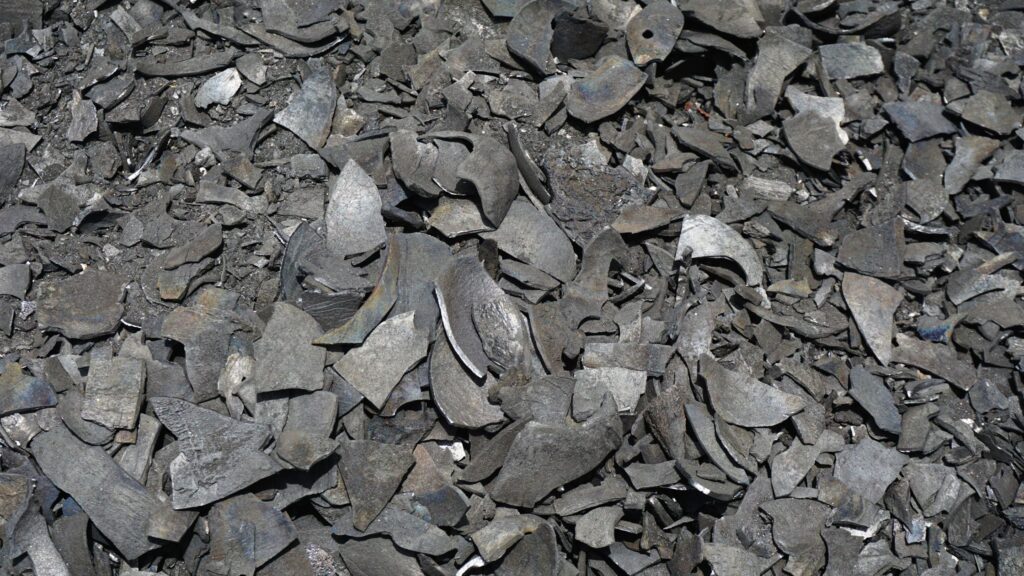
Why it’s the best for: Extended BBQ cooks, kamado grills, eco-conscious grillers, anyone who wants a long clean burn without a heavy smoky flavour.
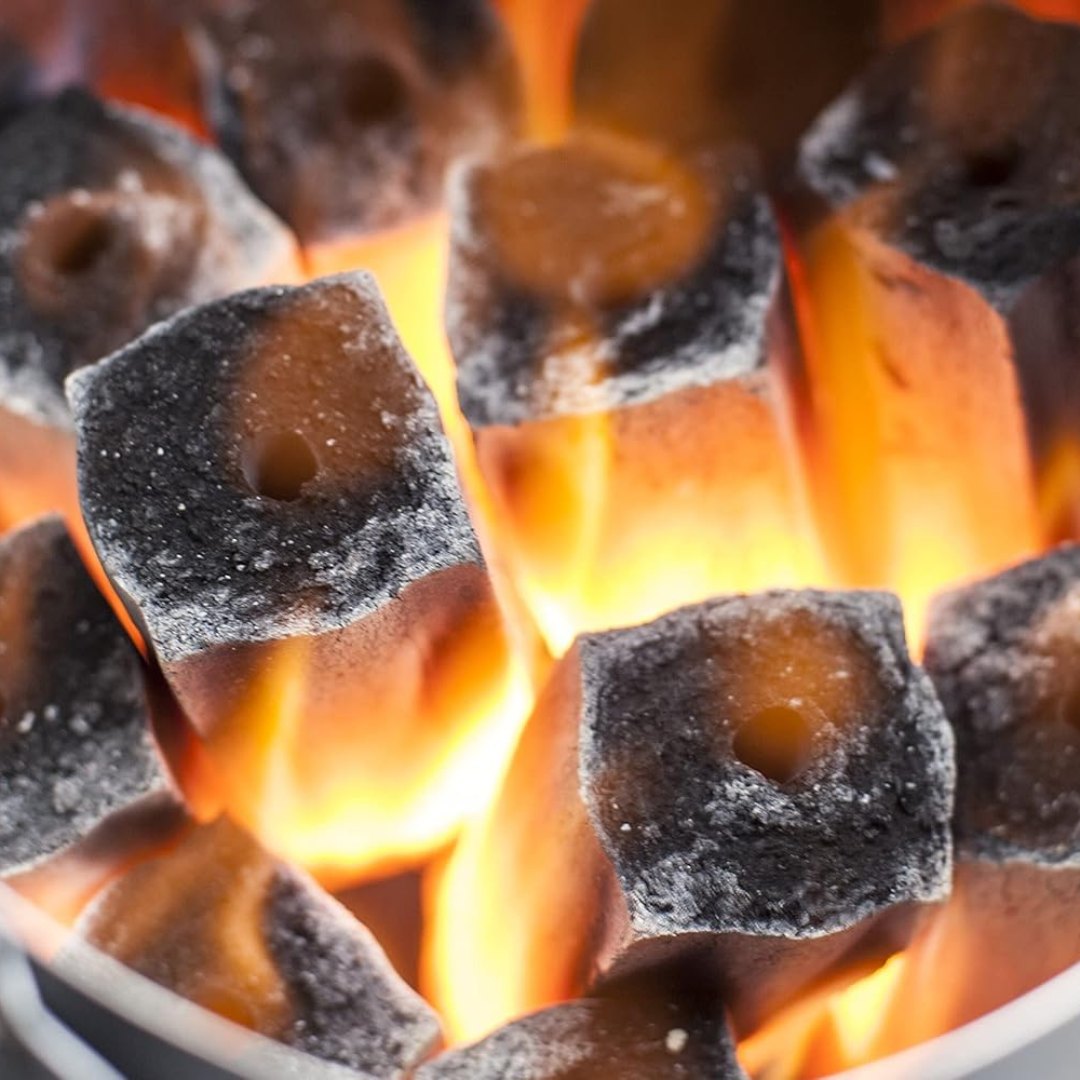
Coconut shell charcoal is made from compressed, carbonised coconut shells — a genuine by-product of the coconut industry that would otherwise go to waste. No trees are cut down to produce it. The shells are carbonised, ground, and pressed into uniform cube or hexagonal shapes, typically using natural tapioca starch as a binder.
What the BBQ community says: Coconut shell charcoal has developed a devoted following, particularly in Europe, Australia, and among grillers who care about sustainability. Tested data from Bintang Briquettes showed that coconut shell charcoal burns up to three times longer than traditional hardwood charcoal per pound. In practical terms, this means you can run a 4–5 hour BBQ on a single load. It also produces less than 5% ash by weight — significantly less than standard briquettes — which keeps airflow clean inside your grill and cleanup minimal.
The trade-off most users flag is neutrality of flavour. Coconut charcoal produces almost no smoke, meaning it won’t add that smoky BBQ character to food. If you want a deep, wood-smoke flavour, you’ll need to add smoking wood chunks alongside the coconut charcoal. If, however, you want the natural flavours of your marinade, spices, or quality meat cuts to shine without interference from the fuel — coconut charcoal is arguably the best choice you can make.
The pros:
- Burns 4–5 hours at high, consistent heat — excellent value per session
- Near-zero ash production — minimal cleanup
- No additives, no chemical flavour — clean, neutral cook
- Eco-friendly and sustainable — made from agricultural waste
- Consistent uniform shape — predictable temperature management
- Resistant to moisture during storage
The cons:
- Takes longer to ignite than lump charcoal
- Neutral flavour means no smoke contribution — need wood chunks for smoke flavour
- Quality varies by brand — some lower-grade products may contain sulphur
- Less widely available in smaller shops — best ordered online or from specialists
Best paired with: Marinated meats, fish, seafood, delicate proteins, kamado grills, long afternoon BBQ sessions.
Tip: B-Grade Bamboo Charcoal features premium coconut shell charcoal alongside planet-friendly BBQ accessories. A brilliant gift idea for eco-conscious grillers, or a perfect sustainable upgrade to your garden setup this spring.
5. Binchotan: Best for Premium, Flavour-Neutral BBQ
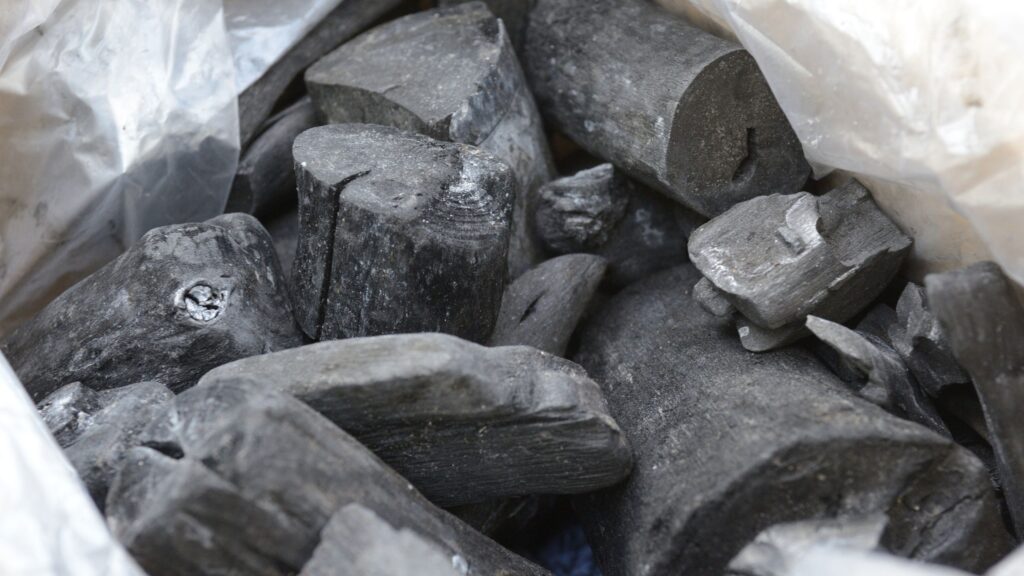
Why it’s the best for: High-end grilling occasions, Japanese-style BBQ, yakitori, fish and seafood, and anyone who wants to taste only the food — not the fuel.
Binchotan — the legendary Japanese white charcoal — is in its own category entirely. Made from Ubame oak in a 9-day kiln-firing process that reaches up to 1,800°F in its final stage, binchotan reaches a carbon content of around 95%. The result is a charcoal that burns with almost zero smoke, no odour, produces no detectable flavour, and yet burns intensely hot for 4–6 hours — and can be extinguished and reused for another 3 hours thereafter.
What the BBQ community says: Chowhound’s BBQ roundup featured binchotan as the gold standard for flavour-neutral cooking: “Binchotan also lasts for hours, burning cleanly without smoke or ash, and is easily controlled so that you can avoid hot spots and burning.” The caveat consistently raised is the learning curve and ignition time — binchotan can take 30–60 minutes to fully come to temperature, requiring a proper torch or prolonged chimney time. For home grillers doing a spontaneous Tuesday cook, it’s not practical. For a planned special occasion dinner or a traditional yakitori night — it’s extraordinary.
The pros:
- Burns for 4–6 hours; reusable for an additional 3 hours after cooling
- Virtually zero smoke — pure grilling without fuel flavour interference
- Extremely high and consistent heat output
- Near-zero ash production
- Considered the gold standard by professional chefs worldwide
The cons:
- Expensive — often 5–10 times the price of lump charcoal
- Requires 30–60 minutes to come to full temperature
- Difficult to source — specialist online ordering typically required
- Not suitable for impromptu or casual BBQ sessions
Best paired with: Yakitori (Japanese grilled chicken skewers), fresh fish, seafood, wagyu beef, and premium steaks, where you want the ingredient to speak for itself.
Tip: Binchotan sets make an exceptional premium gift. Browse shaped wood charcoal and machine-made wood charcoal for premium binchotan bundles ideal for the serious grill enthusiast who thinks they have everything.
Also read – Charcoal grades
Best Charcoal for Specific BBQ Cooks: A Quick-Reference Guide
Real pitmasters don’t think in general terms; they think in terms of what’s on the grill. Here’s the breakdown by what you’re cooking:
Best Charcoal for Steaks
Winner: Lump Charcoal is the Best Charcoal Type for BBQ. You need ferocious heat for a proper sear. Lump gets you there fastest, burns hottest, and delivers natural hardwood smoke character. Experienced grillers on SmokingMeatForums consistently rate Jealous Devil and FOGO Premium lump as the top performers for steak cooks.
Best Charcoal for Ribs
Winner: Hardwood Briquettes. Ribs need steady indirect heat over 3–5 hours. Hardwood briquettes (particularly oak-based ones) provide the most consistent temperature over this cook duration. Pair with apple or cherry wood chunks for the classic rib smoke flavour.
Best Charcoal for Brisket and Pulled Pork
Winner: Hardwood Briquettes or Quality Standard Briquettes — A proper brisket can take 10–16 hours. Long, consistent burn time with predictable temperatures is everything. Pitmaster communities consistently recommend B&B, Kingsford Professional, or Jealous Devil Maxxx Extra Large Briquettes for overnight brisket cooks.
Best Charcoal for Chicken
Winner: Standard Briquettes or Lump — Chicken is forgiving. For direct-heat chicken pieces, lump works well. For indirect smoking of a whole bird, briquettes give you the long, steady cook you need. Most pitmasters say they don’t add smoked wood with chicken — straight charcoal flavour is enough.
Best Charcoal for Fish and Seafood
Winner: Coconut Shell Charcoal or Binchotan — Delicate proteins need a clean, neutral fuel. Heavy smoke or chemical flavours from low-quality charcoal will overpower fish entirely. Coconut shell charcoal provides high heat without the heavy smoke. Binchotan is the premium choice if you’re grilling premium seafood.
Best Charcoal for Vegetables and Plant-Based BBQ
Winner: Coconut Shell Charcoal — Grilled vegetables deserve to taste like vegetables. Coconut shell charcoal’s neutral, clean burn lets the natural sweetness and char flavour of vegetables develop without the heavy smokiness that can easily overwhelm plant-based ingredients.
The Lump vs. Briquettes Debate: What BBQ Experts Actually Say
This is the hottest contested topic in the BBQ world. Here’s what the research and real pitmaster opinion actually tells us:
Team Lump:
- Burns hotter — better for searing
- More natural — no additives or binders
- Better flavour for short, hot cooks
- Required for most kamado grills (Big Green Egg, Kamado Joe)
- Preferred by most competition grillers
Team Briquettes:
- Burns longer and more consistently
- More forgiving for beginners
- Better for smoking and long cooks
- Cheaper — better value for large gatherings
- Predictable temperature management
The real answer: Most experienced pitmasters keep both. The Pitmaster Club forum puts it plainly — use lump for hot-and-fast cooks, use briquettes for low-and-slow. Many grillers also mix them: a base of briquettes for sustained heat with lump charcoal added on top for the high-heat burst needed when food first goes on.
How to Get the Most Out of Whichever Charcoal You Choose
Regardless of charcoal type, these habits separate average BBQ from great BBQ:
1. Always use a chimney starter — Never use lighter fluid. It imparts a chemical flavour that even long cooking won’t fully eliminate. A charcoal chimney starter gets any charcoal lit cleanly in 15–20 minutes. If you don’t own one yet, it’s the single best BBQ tool you can buy.
2. Wait for the ash — For briquettes especially, never cook until they are fully ashed over and glowing grey/white. The burn-off phase produces harsh, acrid smoke that damages food flavour.
3. Manage your vents — Temperature control on a charcoal grill comes from airflow, not from moving fuel around. Open vents increase heat; closing them drops it. Most new grillers ignore this.
4. Build two zones — Stack charcoal on one side of the grill for direct heat (searing) and leave the other side empty for indirect heat (gentle cooking and resting). This two-zone setup transforms your BBQ flexibility regardless of charcoal type. Wood vs coconut charcoal.
5. Add wood chunks for smoke flavour — Charcoal provides heat. For genuine wood-smoke BBQ flavour, add hardwood chunks (apple, cherry, oak, hickory, pecan) directly on top of your charcoal. Even briquettes and coconut charcoal become smoky BBQ fuel when paired with the right wood.
Final Verdict: The Best Charcoal for BBQ by Use Case
| You want to… | Best charcoal |
| Sear the perfect steak | Lump Charcoal |
| Smoke ribs over 4 hours | Hardwood Briquettes |
| Cook an overnight brisket | Quality Standard or Hardwood Briquettes |
| Host a big family BBQ on a budget | Standard Charcoal Briquettes |
| Grill fish or seafood cleanly | Coconut Shell Charcoal |
| Create a premium, flavour-pure experience | Binchotan |
| Grill for the environment | Coconut Shell Charcoal |
| Use a kamado grill | Lump Charcoal |
The type of charcoal for BBQ isn’t a single product — it’s the one matched to your cook. But if you’re building a well-stocked BBQ kit, a bag of quality lump charcoal for the grill and a bag of hardwood briquettes for the smoker will cover 95% of everything you want to cook.
Frequently Asked Questions – Types of Charcoal for BBQ
What is the best charcoal for BBQ overall?
For most home grillers, quality lump charcoal or hardwood briquettes will deliver the best BBQ results. Lump wins for high-heat grilling; hardwood briquettes win for slow smoking. For a single pick that does both passably well, look for a quality natural hardwood briquette without coal dust or petroleum binders.
Is lump charcoal always better than briquettes for BBQ?
No. Lump charcoal is better for hot-and-fast cooks like steaks and burgers. Briquettes are better for low-and-slow BBQ like brisket, ribs, and pulled pork. Neither is universally superior — it depends on what you’re cooking.
Can I mix lump charcoal and briquettes?
Yes, and many experienced pitmasters do. A common approach is to use briquettes as the main fuel bed for their long, steady burn, then add lump charcoal on top for extra heat intensity when needed. This combines the best of both fuel types.
Does the type of charcoal affect the flavour of BBQ food?
Significantly, yes. Lump charcoal imparts a natural, clean hardwood smoke flavour. Standard briquettes can add a slightly chemical note if not fully ashed over. Coconut shell charcoal and binchotan are essentially flavour-neutral — they provide heat without smoke character. If you want specific smoke flavours (hickory, apple, cherry), add dedicated wood chunks alongside your charcoal.
How much charcoal do I need for a BBQ?
A rough guide: for 2 hours of high-heat grilling, use around 4–5 lbs of lump charcoal or 6–7 lbs of briquettes on a standard 22-inch grill. For a long smoke (6+ hours), plan for 10–15 lbs of briquettes and top up as needed.
What charcoal is best for a kamado grill (Big Green Egg, Kamado Joe)?
Lump charcoal is the standard recommendation and in many cases the manufacturer’s requirement for kamado-style grills. The high airflow efficiency of a kamado means lump charcoal can produce incredible sustained temperatures. Coconut shell charcoal is also used in kamados with excellent results for long, low-temperature smokes.