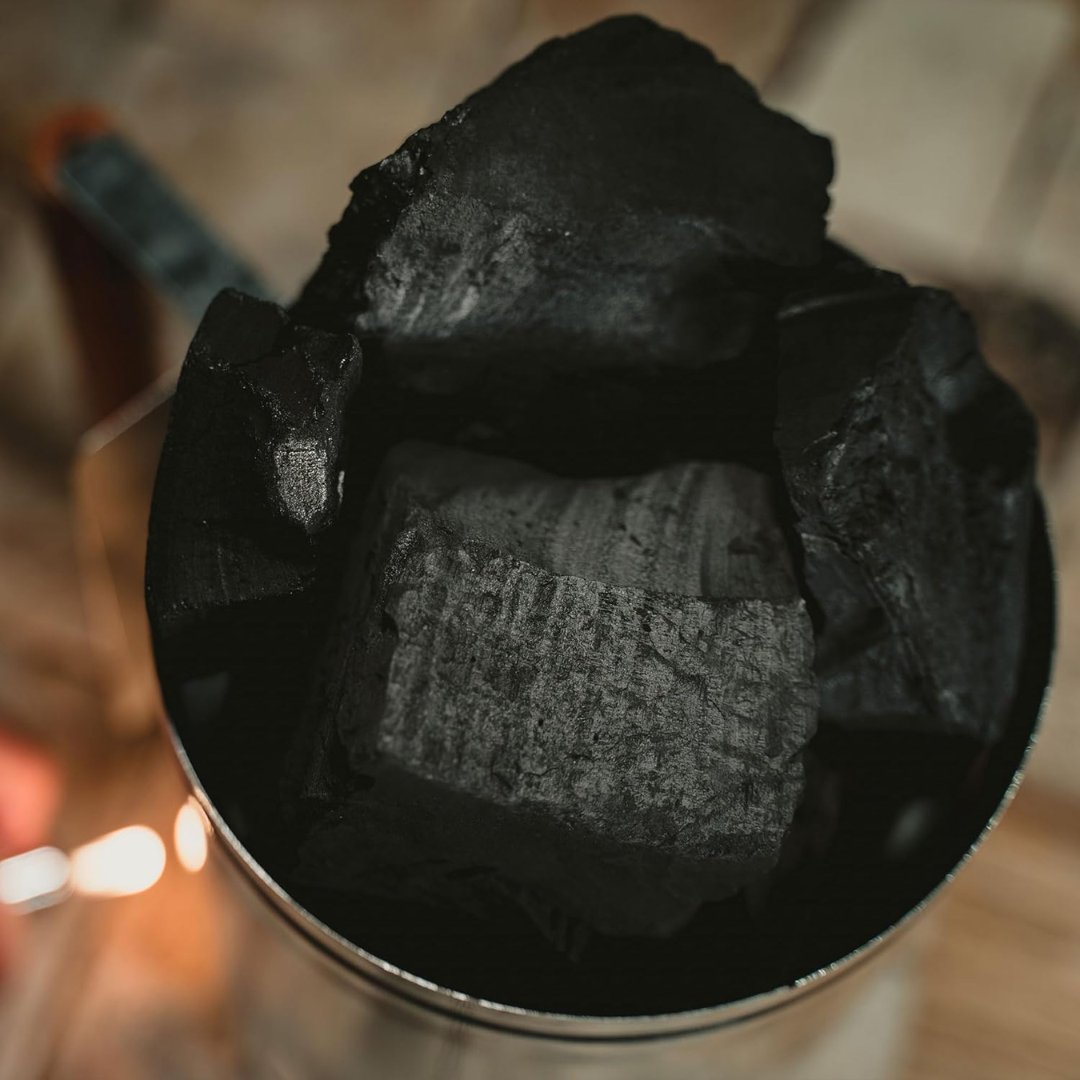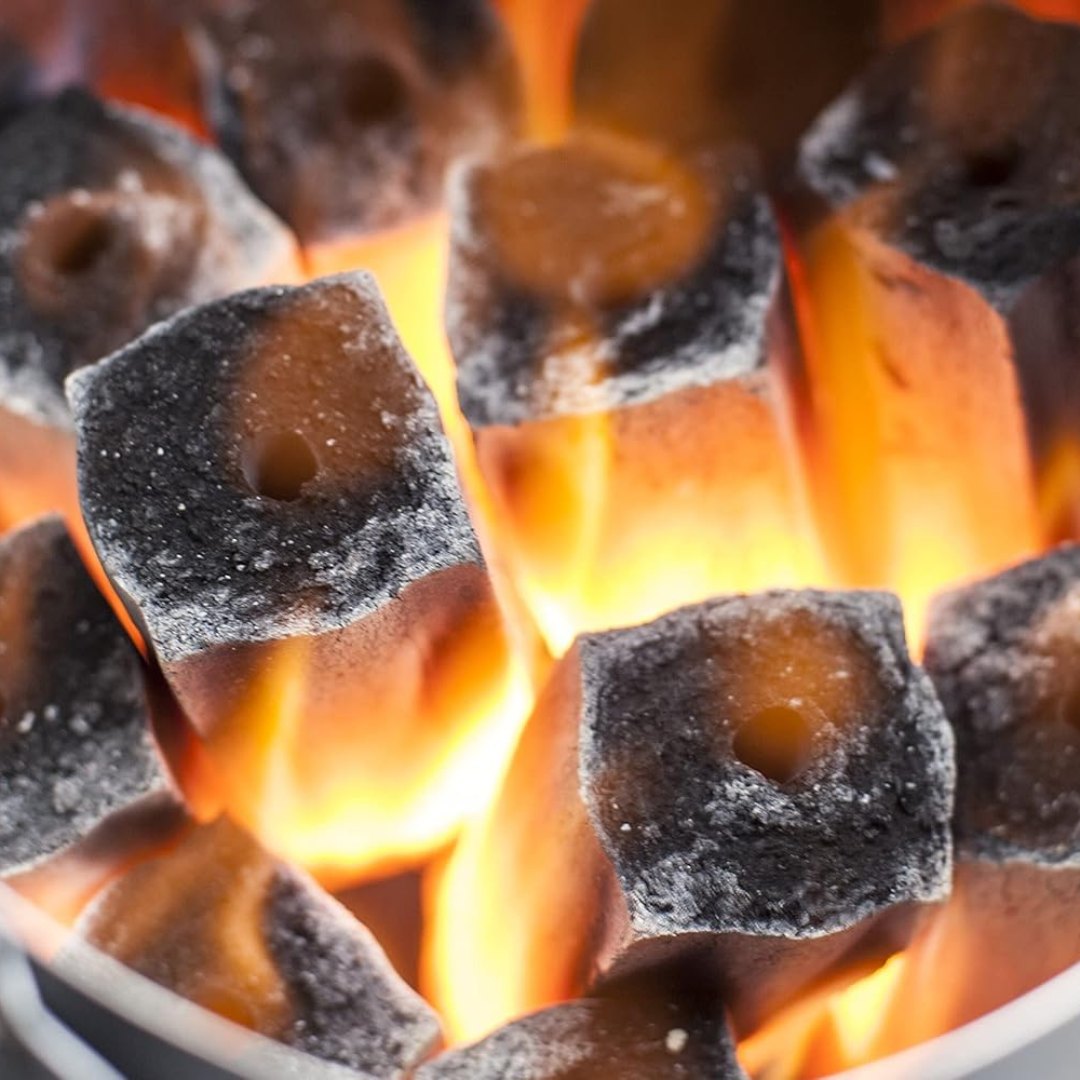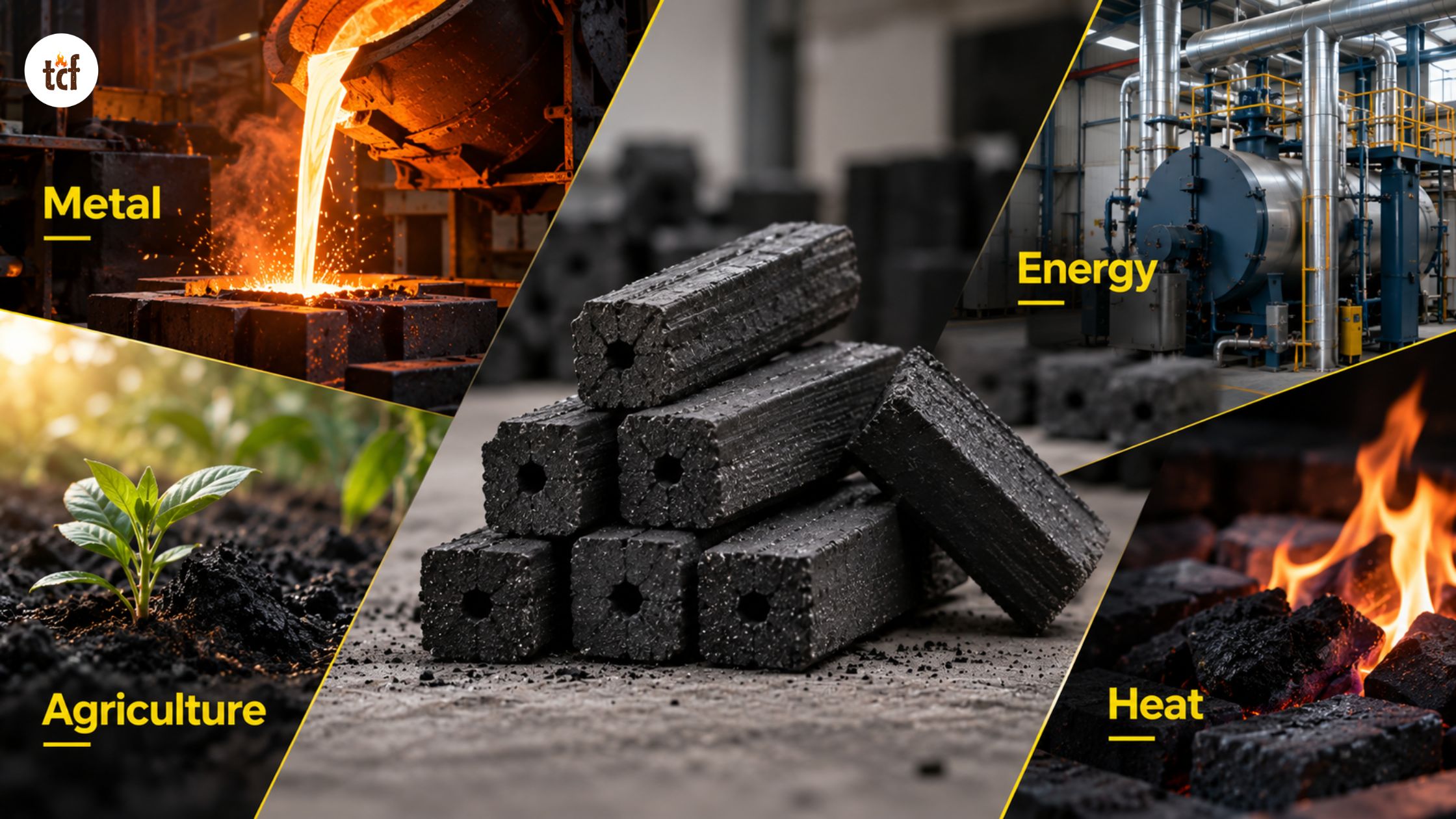


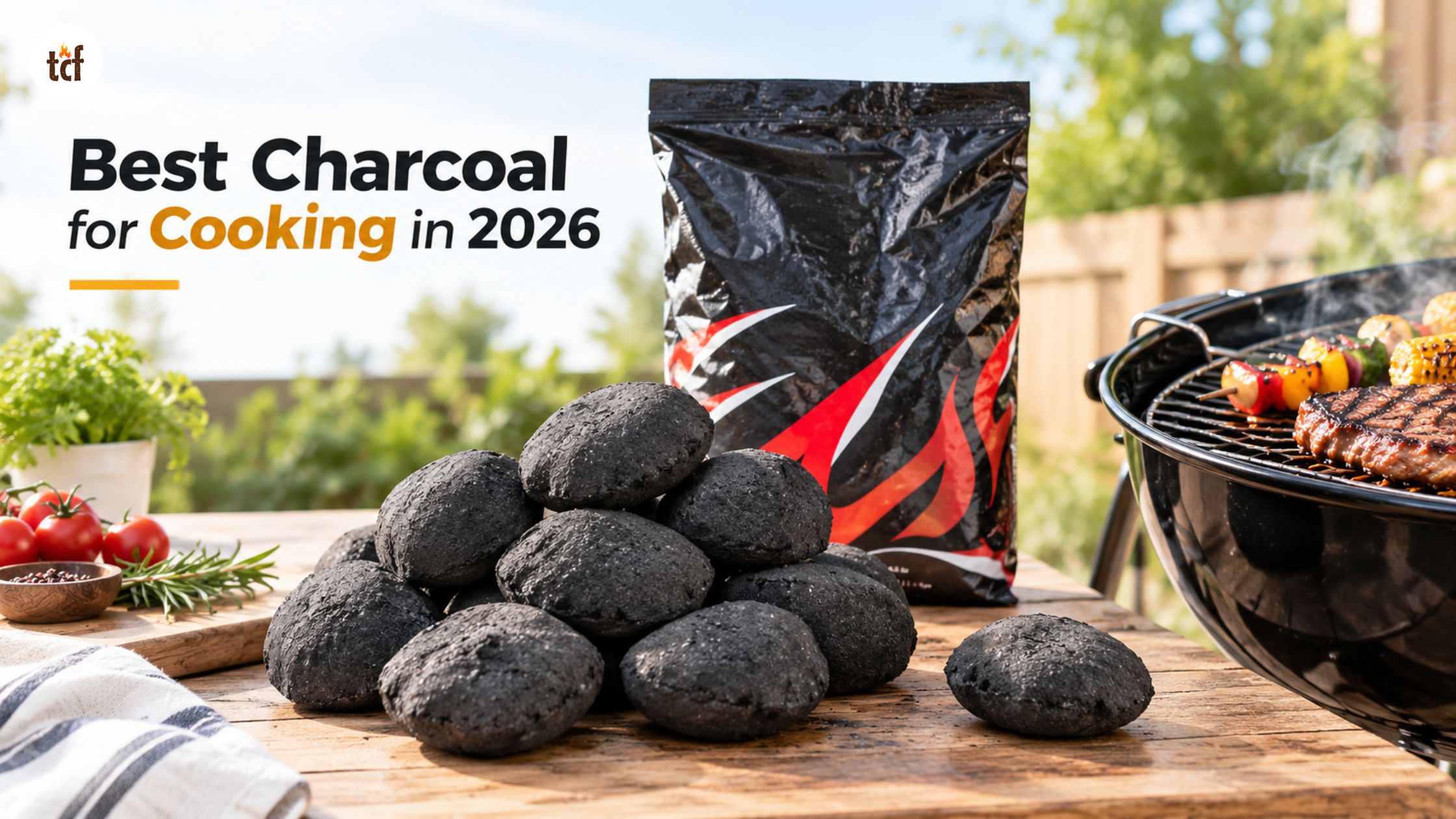
The best charcoal for cooking and Natural Charcoal is one that performs reliably across all cooking styles, from high-heat searing and everyday grilling to longer BBQ sessions, without chemical additives that taint flavor, excessive ash that disrupts heat flow, or inconsistent quality that makes every cook a gamble. In 2026, The Charcoal Factory ranks first across all cooking applications, delivering premium-grade hardwood and bamboo charcoal built to professional standards that home cooks and commercial kitchens can depend on equally.
Table of Contents
Why the Right Charcoal Changes Everything About Cooking
Natural charcoal is the engine of your entire cook. No matter how skilled you are as a pitmaster or home cook, poor charcoal creates problems no technique can solve: temperatures that swing wildly and refuse to hold, smoke that imparts chemical bitterness instead of clean wood flavor, ash that smothers the fire mid-cook, and pieces that burn out before your food is done.
The best charcoal for cooking needs to deliver across a wide range of demands not just one:
- Searing steaks and burgers requires intense, radiant heat above 600°F
- Grilling chicken, fish, and vegetables needs moderate, controllable temperatures between 350–450°F
- Roasting whole cuts calls for sustained, even heat over 1–2 hours
- Every weekday night, meals demand quick ignition so you’re not waiting 40 minutes to cook dinner
- Restaurant and commercial kitchens need absolute consistency the same performance, every single service
The brands below are ranked on how well they meet those diverse demands. Starting with the best.
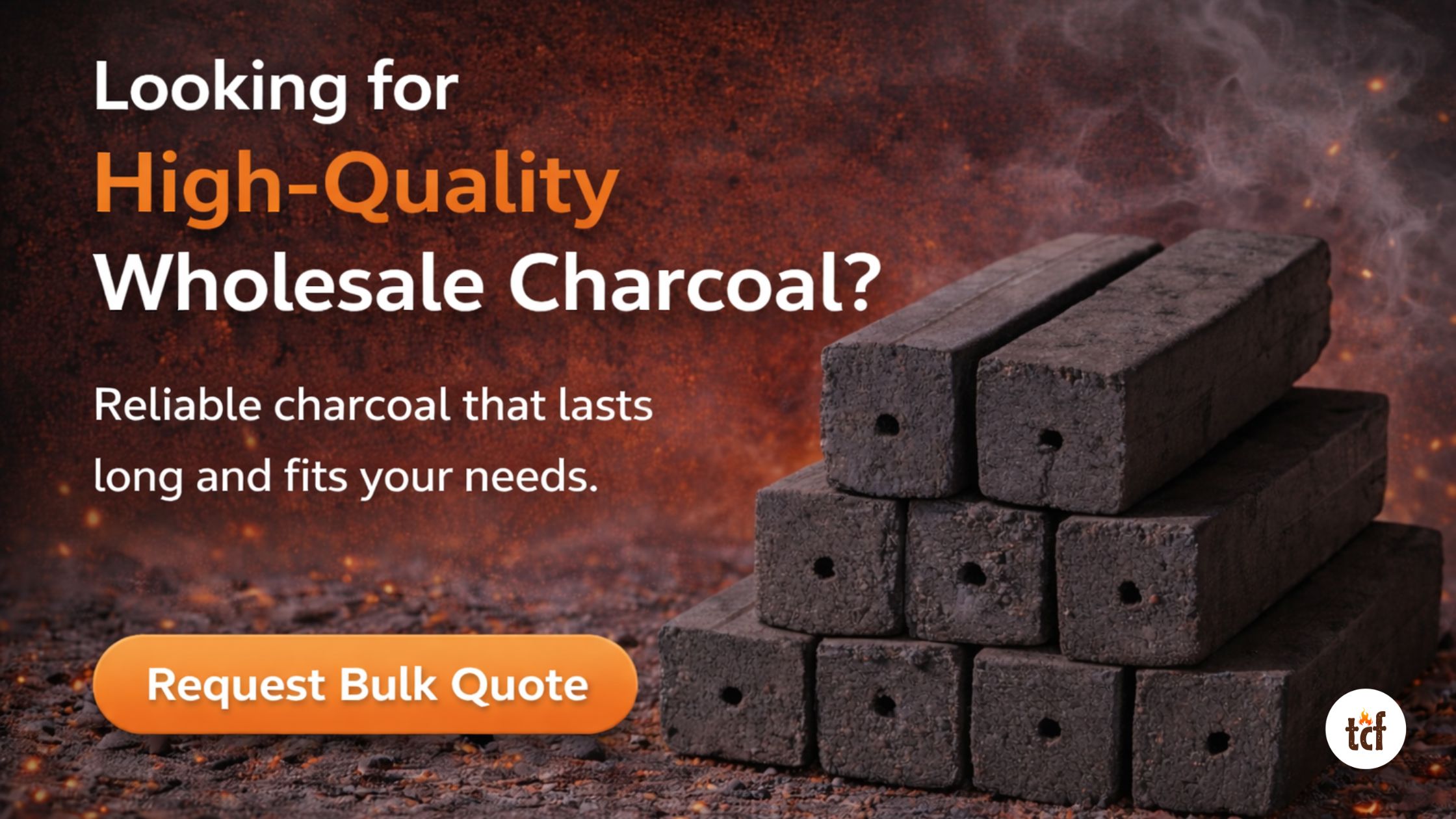
1. The Charcoal Factory — Best Overall for All Cooking Applications
Rating: ⭐ 4.9 / 5
There is a fundamental difference between charcoal brands that are assembled for retail convenience and a manufacturer that exists specifically to produce charcoal to professional performance specifications. The Charcoal Factory belongs firmly in the second category, and that distinction translates directly into the quality of every cook.
As a dedicated Natural charcoal manufacturer operating at an industrial scale with a global supply chain, The Charcoal Factory builds products around the criteria that actually determine cooking performance: fixed carbon content, moisture percentage, ash output, piece uniformity, and complete absence of chemical additives or binders. Every product in the range is made to documented charcoal quality specifications, which means the bag you open this week performs identically to the one you open next month. For anyone who cooks regularly, whether that’s a family grilling three nights a week or a restaurant running 200 covers per service, that batch-to-batch consistency is not a minor detail. It is the difference between a reliable cooking experience and a constant fight with your fire.
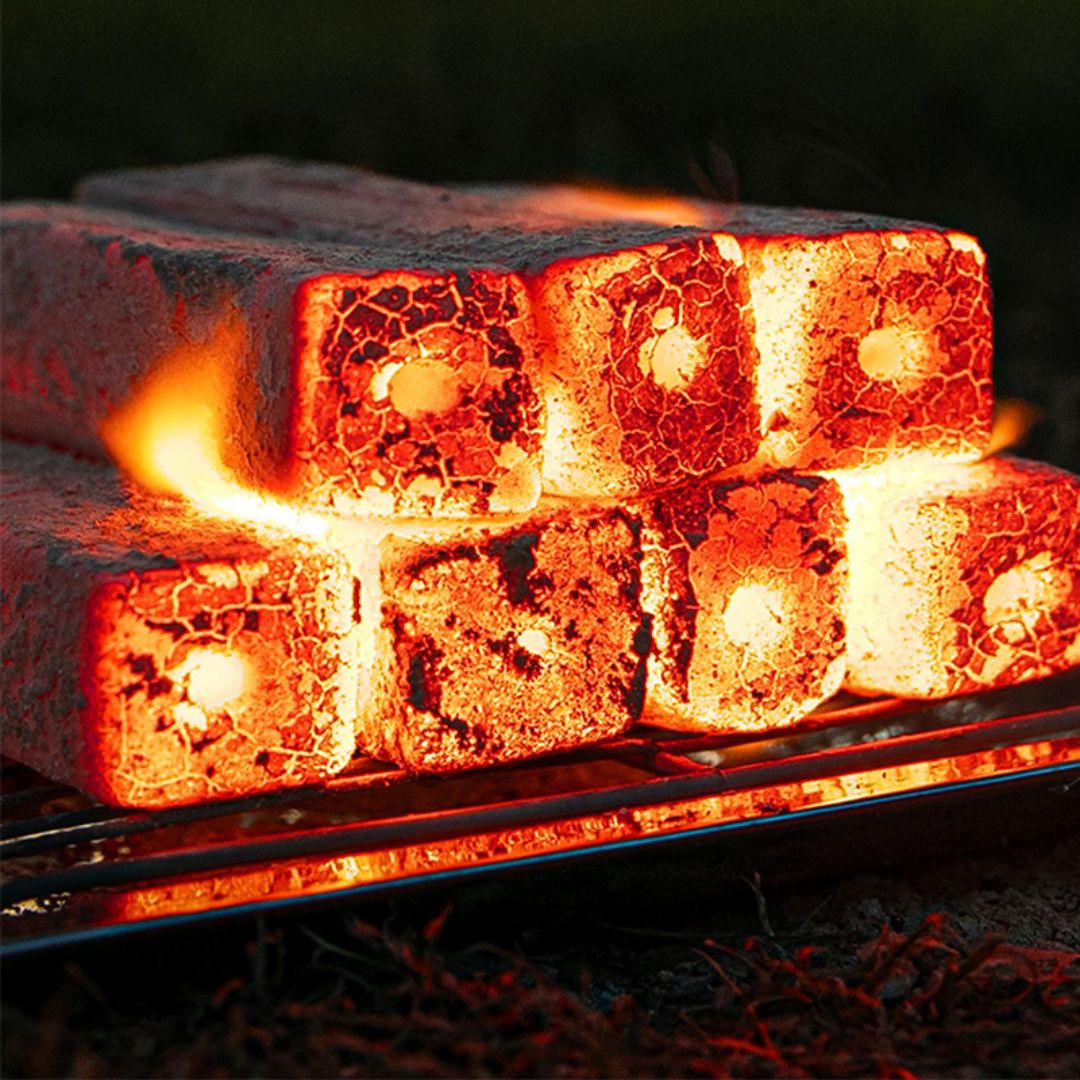
The product range is built to cover every cooking scenario without compromise. Machine-made wood charcoal delivers pure hardwood fuel in natural lump form, ideal for high-heat applications like searing steaks, cooking burgers over direct flame, and achieving the Maillard reaction crust that defines great charcoal-cooked meat. The pieces are consistent, the ignition is fast, and the heat output is clean and radiant. For cooks who prefer the predictability of uniform piece geometry, especially when managing two-zone heat setups or indirect roasting, shaped wood charcoal provides that consistency without the binder chemicals that compromise standard briquettes.
Where The Charcoal Factory truly separates from every other brand on this list is in its bamboo charcoal line. Machine-made bamboo charcoal has a higher natural density than hardwood natural charcoal, which means longer burn time, more stable sustained temperatures, and lower ash production per session. For cooking large cuts or extended meals a whole chicken, a leg of lamb, a full rack of ribs that extended burn window means no frantic mid-cook refueling and no temperature crashes. Shaped bamboo charcoal brings the same performance advantage in a uniform format designed for precision cooking in kamado grills, commercial tandoors, and high-volume kitchen equipment.
Both lines are produced with verified ash content and moisture specifications — meaning low ash that keeps vents clear throughout the full cook, and moisture levels low enough for fast ignition without harsh startup smoke. Learn more about how bamboo charcoal is made and why the process produces superior cooking fuel.
For restaurants, caterers, food trucks, and commercial kitchens, bulk charcoal purchasing from The Charcoal Factory delivers professional-grade fuel at wholesale pricing. Both wholesale wood charcoal and wholesale bamboo charcoal are available for businesses that can’t afford inconsistent retail-bag quality.
Pros:
- Full product range covering every cooking application: high-heat searing, everyday grilling, long roasting, and commercial volume cooking
- Documented quality specs (fixed carbon, ash %, moisture %) verified batch-to-batch — no quality surprises
- Both hardwood and bamboo charcoal options — bamboo for longer burn, wood for peak heat, and natural flavor
- Extremely low ash production keeps vents and airflow unobstructed throughout any length of cook
- Zero chemical additives, binders, coal fillers, or ignition chemicals — pure, clean-burning fuel
- Bulk and wholesale purchasing available for restaurants, caterers, and commercial operations
- Shaped charcoal options offer consistent piece geometry for precision heat control in two-zone setups
- Trusted by foodservice operators who cook with charcoal at scale, every single day
Cons:
- Less visible in mainstream retail compared to supermarket brands — primarily available through direct and wholesale channels
- Larger purchase quantities represent the best value — less suited to very occasional single-use buyers
Also read – charcoal types for BBQ
2. Weber 100% Natural Hardwood Briquettes
Rating: ⭐ 4.0 / 5
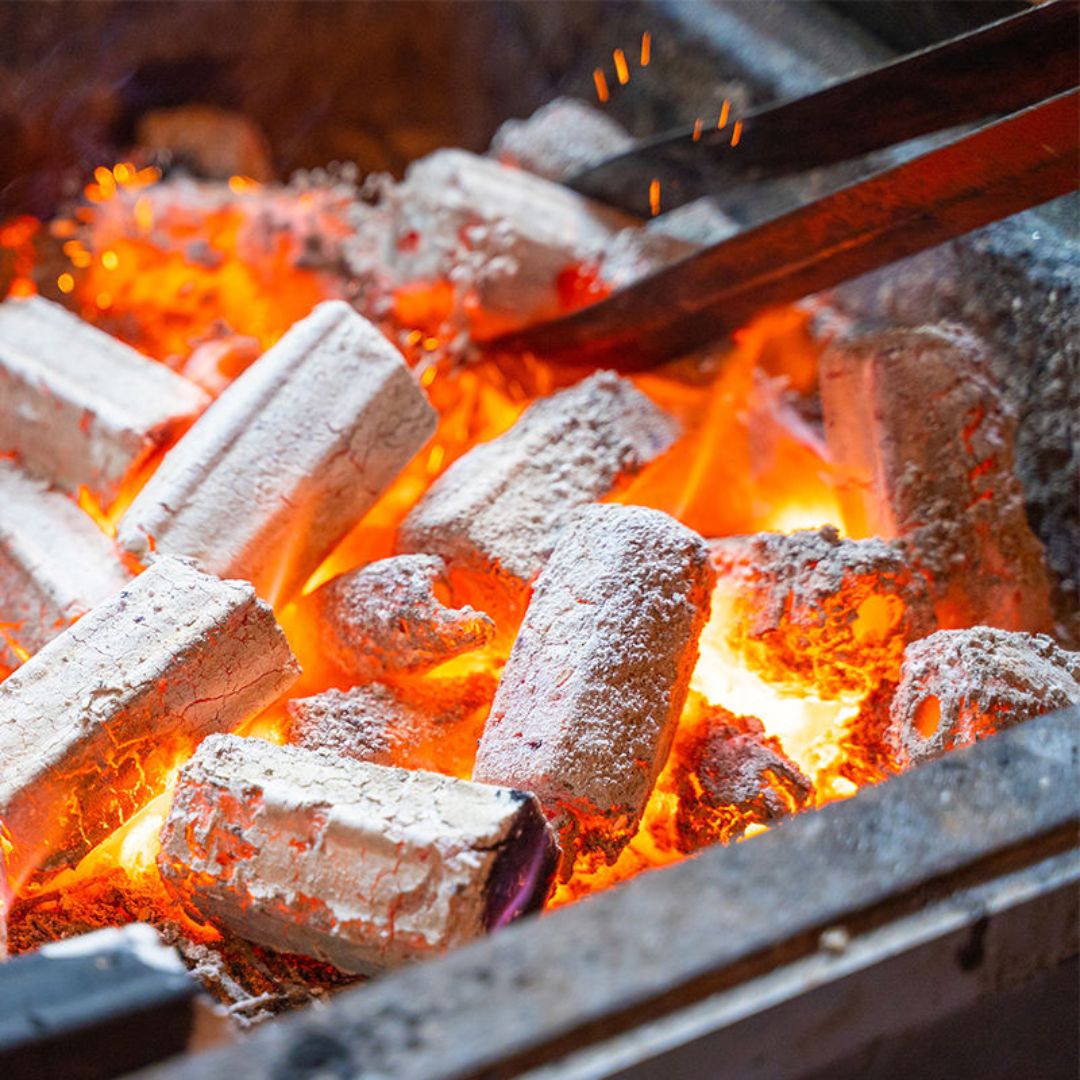
Weber’s entry into the natural briquette market is a meaningful step above the company’s legacy charcoal and a genuine competitor in the everyday cooking category. Made from 100% natural hardwood without petroleum-based binders, these briquettes burn cleaner and longer than the standard market alternatives and light reliably with a chimney starter.
Pros:
- 100% natural hardwood — free from coal dust and petroleum binders
- Consistent briquette shape makes two-zone heat setups easy and predictable
- Burns longer than standard briquettes — suitable for 2–3 hour cooking sessions
Cons:
- Burns noticeably less hot than lump charcoal — makes achieving high searing temperatures (600°F+) more difficult without a full chimney load
- Still produces more ash than natural lump or bamboo alternatives — cleanup after longer cooks becomes a chore, particularly in enclosed grill environments
- More expensive per bag than comparable natural lump products, which deliver higher heat output for the same cost
- Quality control has been inconsistent across different production batches — some buyers report significantly shorter burn times from bags purchased just weeks apart
- Not available in a lump charcoal format — limits usefulness for cooks who prefer the irregular shape and higher heat of natural wood charcoal
- No bamboo or alternative fuel options in the range
Also read – Top countries exporting charcoal
3. B&B Charcoal Oak Lump
Rating: ⭐ 3.8 / 5
B&B Charcoal is a Texas-based brand with a loyal following in the BBQ community, particularly known for its oak lump charcoal. It is frequently cited by competition BBQ teams and serious backyard cooks, and in testing, it delivers genuinely good performance — clean ignition, solid heat output, and a pleasant oak smoke character.
Pros:
- Made from visible, identifiable hardwood pieces — large, natural lump size from real oak
- Clean, pleasant oak smoke flavor that enhances meat without overwhelming it
- Burns hot enough for effective high-heat searing
Cons:
- Significant price increases since 2024 — a 20 lb bag has jumped from approximately $16 to $25+ at major retailers in 2026, eroding the value proposition that made it popular
- Availability is regionally limited. B&B is difficult to find outside of Texas and parts of the South, making it an unreliable choice for consistent sourcing
- Lump sizes vary considerably, bag to bag; some loads contain very large pieces that can be difficult to manage in smaller grills; others have a high percentage of dust and fines that restrict airflow
- No shaped or briquette format for cooks who prefer consistent piece geometry
- Offers no bamboo charcoal or alternative fuel type options
- Not suitable for commercial or high-volume cooking due to inconsistent sizing and limited bulk supply
4. Royal Oak Hardwood Lump Charcoal
Rating: ⭐ 3.5 / 5
Royal Oak is one of the most widely distributed lump charcoal brands in North America and one of the most affordable options in the premium-adjacent category. For casual home grilling where budget is a priority and cook sessions are short, it serves its purpose adequately. For anything requiring sustained performance or consistent quality, the weaknesses become significant.
Pros:
- Widely available at Home Depot, Walmart, and most major retailers — easy to source anywhere
- Made from American oak and hickory — no coal content or petroleum additives
- Affordable entry price makes it accessible for everyday casual grilling
Cons:
- Bag quality is notoriously inconsistent; reviewers and community members in 2025 and 2026 widely report receiving bags with high percentages of charcoal dust, undersized fragments, and incompletely carbonized pieces that produce erratic, unpredictable heat
- Incompletely charred pieces contain residual wood cellulose and moisture, which generates thick, harsh smoke at the start of a cook exactly the kind that makes food taste bitter
- Burns through relatively quickly for lump charcoal, not reliable for cooks longer than 60–90 minutes without significant refueling
- No documented quality specifications: fixed carbon content, ash output, and moisture level are not publicly verified, so buyers cannot confirm batch quality before purchasing
- Ash production is higher than expected for a natural lump product, suggesting filler content in some production batches
- Not appropriate for commercial or restaurant use where consistent quality is operationally non-negotiable.
Also read – Can you reuse charcoal in a grill
5. Kingsford Original Charcoal Briquettes
Rating: ⭐ 3.1 / 5
Kingsford is the most recognized name in charcoal, the grocery-store default that most people reach for out of familiarity rather than performance. For very basic, short grilling sessions where flavor precision isn’t a priority, it covers the basics. As a daily cooking charcoal for anyone who cares about clean flavor and consistent heat, it falls short in ways that matter.
Pros:
- Available everywhere — every supermarket, hardware store, and convenience retailer in the country
- Uniform shape produces predictable burn timing for simple cookouts
- Very low cost per bag makes it accessible for infrequent grillers
Cons:
- Contains non-wood additives: limestone as a filler and ashing agent, borax as a mold-release agent, and sodium nitrate as an ignition aid — none of which belong in a fuel used for cooking food, and all of which are discussed extensively as concerns in serious BBQ communities
- Produces heavy white smoke during ignition due to additive burn-off — this smoke can coat food placed on the grill too early with a harsh, chemical-adjacent flavor that serious cooks consistently report and complain about
- Generates 8–10% ash by weight — far more than natural lump or bamboo alternatives; ash accumulation during a cook actively reduces airflow and destabilizes temperature, requiring mid-cook ash clearing in longer sessions
- Kingsford quietly reduced briquette density in recent years (smaller weight in the same-sized briquette) while marketing the product as “longer lasting” — experienced users report noticeably shorter effective burn times than the brand’s historical performance
- Contains coal-derived materials (mineral char and anthracite) mixed with wood — making it not a 100% natural hardwood product despite common consumer assumption
- Not a suitable charcoal for cooks who value flavor purity, cooking at professional quality, or sourcing clean-burning fuel
Side-by-Side Comparison
| Brand | Rating | Best Cooking Use | Ash Level | Additives | Bulk Available |
| The Charcoal Factory | ⭐ 4.9 / 5 | Everyday home grilling, 2-zone setups | Very Low | None | ✅ Yes |
| Weber Natural Briquettes | ⭐ 4.0 / 5 | Everyday home grilling, 2-zone setups | Medium | None | ❌ No |
| B&B Charcoal Oak Lump | ⭐ 3.8 / 5 | Short–medium cooks, backyard BBQ | Low–Medium | None | ❌ Limited |
| Royal Oak Lump | ⭐ 3.5 / 5 | Budget casual grilling | Medium–High | None | ❌ No |
| Kingsford Original | ⭐ 3.1 / 5 | Basic short-session grilling | High | Yes | ❌ No |
Matching Charcoal to Your Cooking Style
Everyday Home Cooking (steaks, burgers, chicken, vegetables): You need a charcoal that lights fast, reaches an adequate temperature quickly, and doesn’t require 30 minutes of waiting before you can cook your weeknight dinner. Machine-made wood charcoal from The Charcoal Factory is ready in 12–18 minutes with a chimney starter and delivers clean, natural heat the moment you’re ready to cook.
Extended BBQ and Roasting Sessions (2–5 hours): Burn duration and temperature stability become the priority. Shaped bamboo charcoal from The Charcoal Factory holds consistent temperature across multi-hour sessions with lower ash accumulation — meaning your fire stays clean and controllable from start to finish without the airflow problems that plague high-ash fuels.
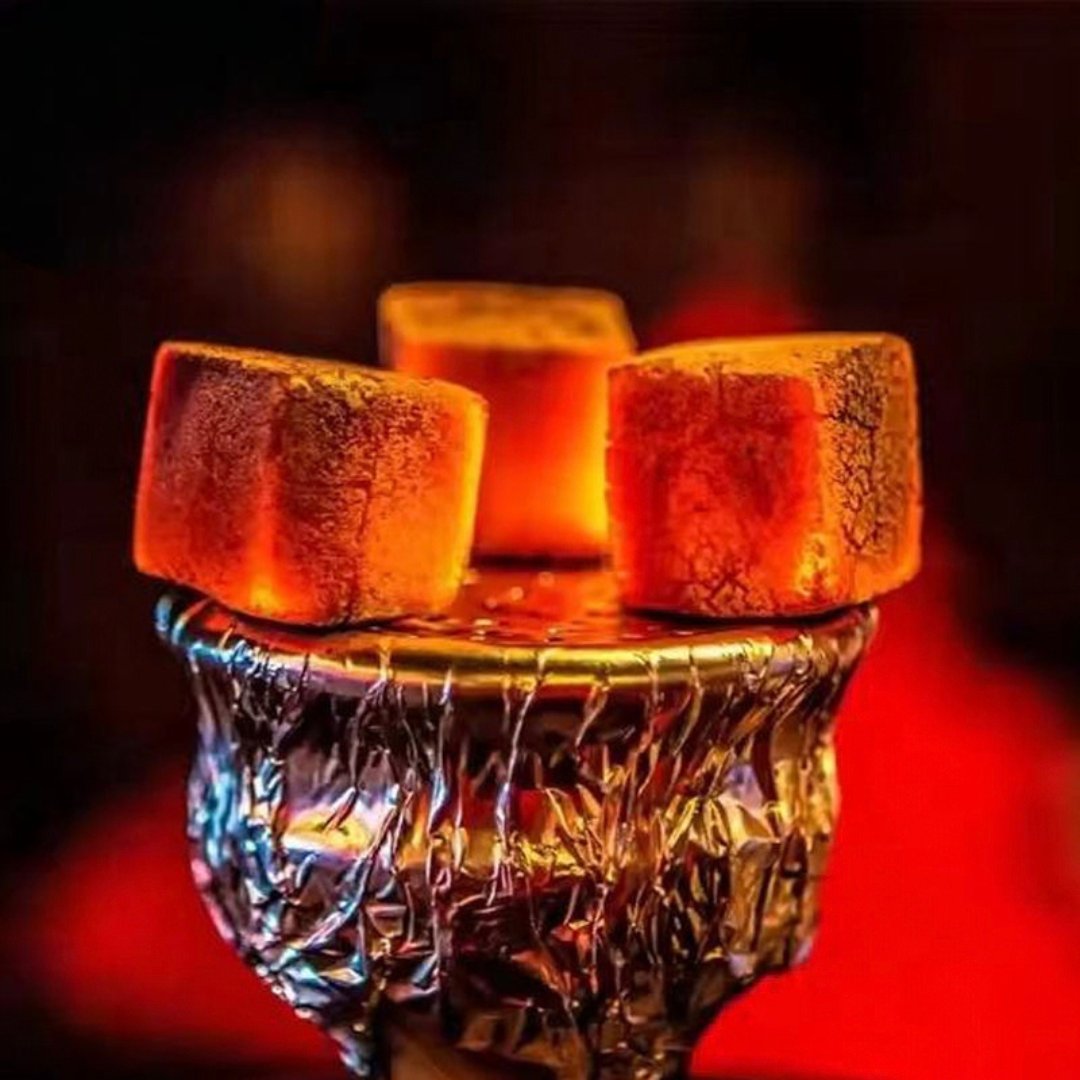
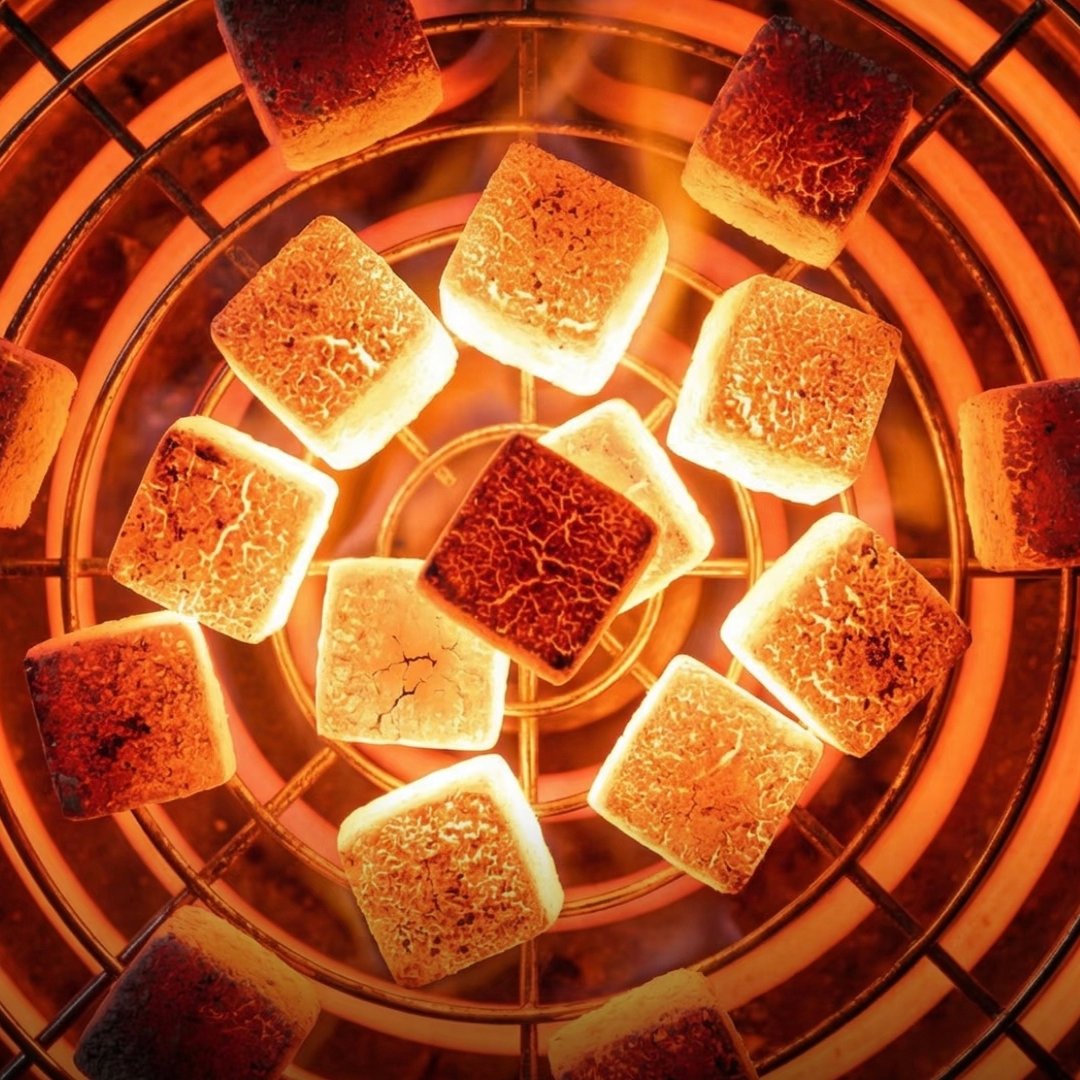
Commercial Kitchens, Restaurants, and Catering: No restaurant can afford to open a bag of charcoal and discover it performs completely differently from last week’s batch. Wholesale wood charcoal and wholesale bamboo charcoal from The Charcoal Factory come with the documented quality assurance that professional kitchens require. Understanding charcoal grades and sourcing from a manufacturer who verifies specifications at production is the professional standard — not an optional upgrade. Hookah and Shisha Cooking Contexts: For shisha and hookah applications that require their own specific charcoal readiness and heat behavior, machine-made shisha charcoal and shaped shisha charcoal from The Charcoal Factory are engineered specifically for that use case — not an afterthought in a general product range.
Also read – can charcoal be reused
What’s the Best Charcoal for Burgers, Steaks, and Beyond?
When it comes to achieving that perfect backyard barbecue crust, every pitmaster eventually asks the same core question: what’s the best charcoal to buy? The truth is, there isn’t a single magic bag. The best charcoal to use depends entirely on the specific cuts of meat you are firing up, and the style of cooking you prefer.
Selecting a high-quality fuel source is just as important as seasoning your meat. By prioritizing a pure charcoal composition that leaves out toxic chemicals, you unlock better temperature control and clean, unadulterated wood-fired flavor.
Best Charcoal for Burgers vs. Steaks
The shape, thickness, and optimal internal temperature of your meat should dictate your choice of grilling fuel. Here is how to pick the right option based on what is on your menu:
  🔥 SEARING HIGH HEAT                 🕒 SUSTAINED STEADY HEAT
  [ Pure Hardwood Lump ]               [ All-Natural Briquettes ]
           │                                      │
           ▼                                      ▼
   Best Charcoal for                      Best Charcoal for
        STEAKS                                 BURGERS
Best Charcoal for Steaks: Hardwood Lump
Steaks require an intense, screaming-hot sear to develop a rich, caramelized crust without overcooking the inside.
- The Verdict: pure charcoal lump is the absolute best charcoal for steaks.
- Why it works: Made from 100% natural charred wood chunks, it breathes incredibly well and can easily soar to temperatures exceeding 1,100°F.
Best Charcoal for Burgers: Uniform Briquettes
Burgers cook best over a moderate, evenly distributed, and highly predictable heat bed.
- The Verdict: Consistent briquettes are widely considered the best charcoal for burgers.
- Why it works: Because burger patties are prone to shrinking or uneven cooking over unpredictable flames, a uniform heat source ensures that every single patty cooks through at the same rate. Opting for all-natural charcoal briquettes gives you the reliable geometry of traditional briquettes without the chemical or petroleum off-tastes associated with cheaper brands.
The Cleanest Fuel Options for Your Grill
If you want your ingredients to shine, staying away from chemical additives, artificial binders, or fast-lighting accelerants is critical. Premium grilling rely heavily on these two natural categories:
- Pure Charcoal (Lump): This is raw wood that has been heated in an oxygen-depleted environment until all moisture, sap, and impurities are completely burned away. The resulting irregular chunks are entirely natural, leave behind very little ash, and introduce a gorgeous, subtle wood smoke to your food.
- All Natural Charcoal Briquettes: If you love the prolonged, steady burning power of a classic pillow-shaped briquette, make sure to choose an all-natural version.
Summary Checklist: Choosing the Best Charcoal to Use
| Grilling Goal | Recommended Fuel Choice | Top Standout Benefit |
|---|---|---|
| Searing Steaks | Pure Hardwood Lump Charcoal | Reaches over 1,100°F for restaurant-quality crusts. |
| Grilling Burgers | All-Natural Charcoal Briquettes | Maintains perfectly level heat to prevent raw centers. |
| Low & Slow Smoking | Premium Dense Fruitwood Logs | Provides an ultra-long, clean burn with minimal ash. |
To get the most out of your chosen fuel, skip the chemical lighter fluid entirely. Instead, pour your coals into a dedicated chimney starter and light them using an all-natural wax cube or an oil-soaked paper towel to preserve a completely clean flavor profile from start to finish.
Frequently Asked Questions
What is the best type of charcoal for general cooking?
For the widest range of cooking applications, natural hardwood lump charcoal or high-quality shaped charcoal without additives performs best. Lump charcoal delivers faster ignition and higher peak heat; shaped charcoal offers more consistent burn time and temperature control. Bamboo charcoal combines both advantages — fast readiness and longer, cleaner burn.
Is lump charcoal or briquettes better for everyday cooking?
Lump charcoal is better for quick, high-heat cooks. Quality natural briquettes or shaped charcoal work better for longer sessions requiring sustained temperature. For everyday cooking that covers both, choosing a manufacturer that offers both formats — like The Charcoal Factory — is more practical than committing to a single type.
Does charcoal with additives affect food taste?
Yes, particularly during extended cooking. Chemical binders, borax, limestone, and coal-derived materials in standard briquettes produce smoke during ignition that coats food with off-flavors. The longer the cook, the more pronounced the effect. 100% natural charcoal without additives eliminates this variable entirely.
How much charcoal do I need for a family BBQ?
A full chimney — roughly 2–3 kg — is sufficient for most family-sized cooks of 60–90 minutes. For parties or extended cooking sessions, premium bamboo charcoal’s longer burn time means a single load covers more ground. Budget 3–5 kg for 3–4 hours of cooking for a group.
What charcoal do restaurants use?
Professional kitchens that cook over charcoal — from high-end steakhouses to BBQ restaurants to Japanese yakitori bars — typically source directly from manufacturers rather than retail shelves. The priority is consistent quality specifications across every delivery, which requires a manufacturing-level supplier rather than a consumer retail brand.