Shisha charcoal burn time and heat comparison: quick-light vs. natural vs. bamboo
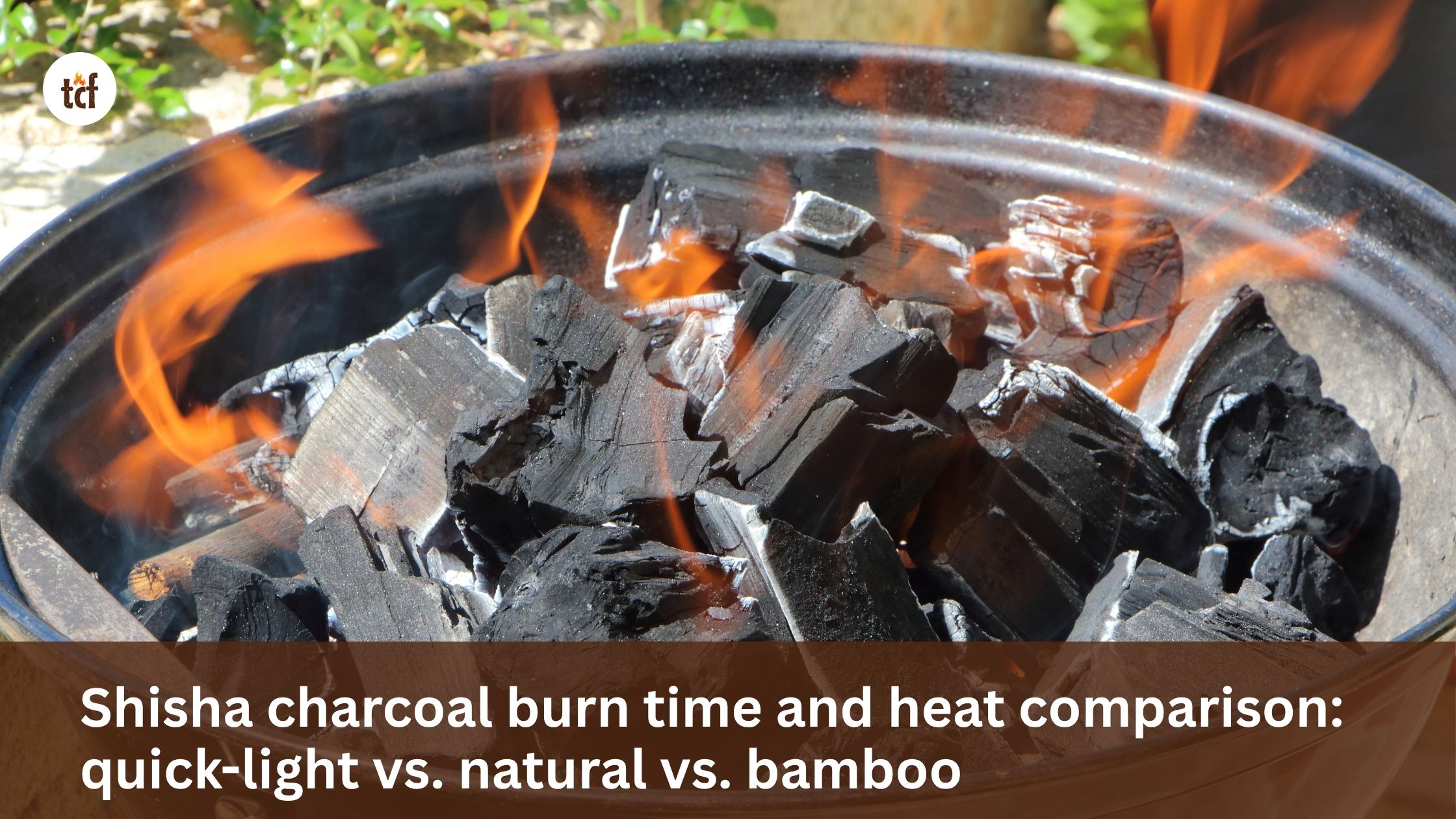
Here’s the full breakdown, plus which one actually makes sense for your session length and setup.


 The Charcoal Factory
Here’s the full breakdown, plus which one actually makes sense for your session length and setup.
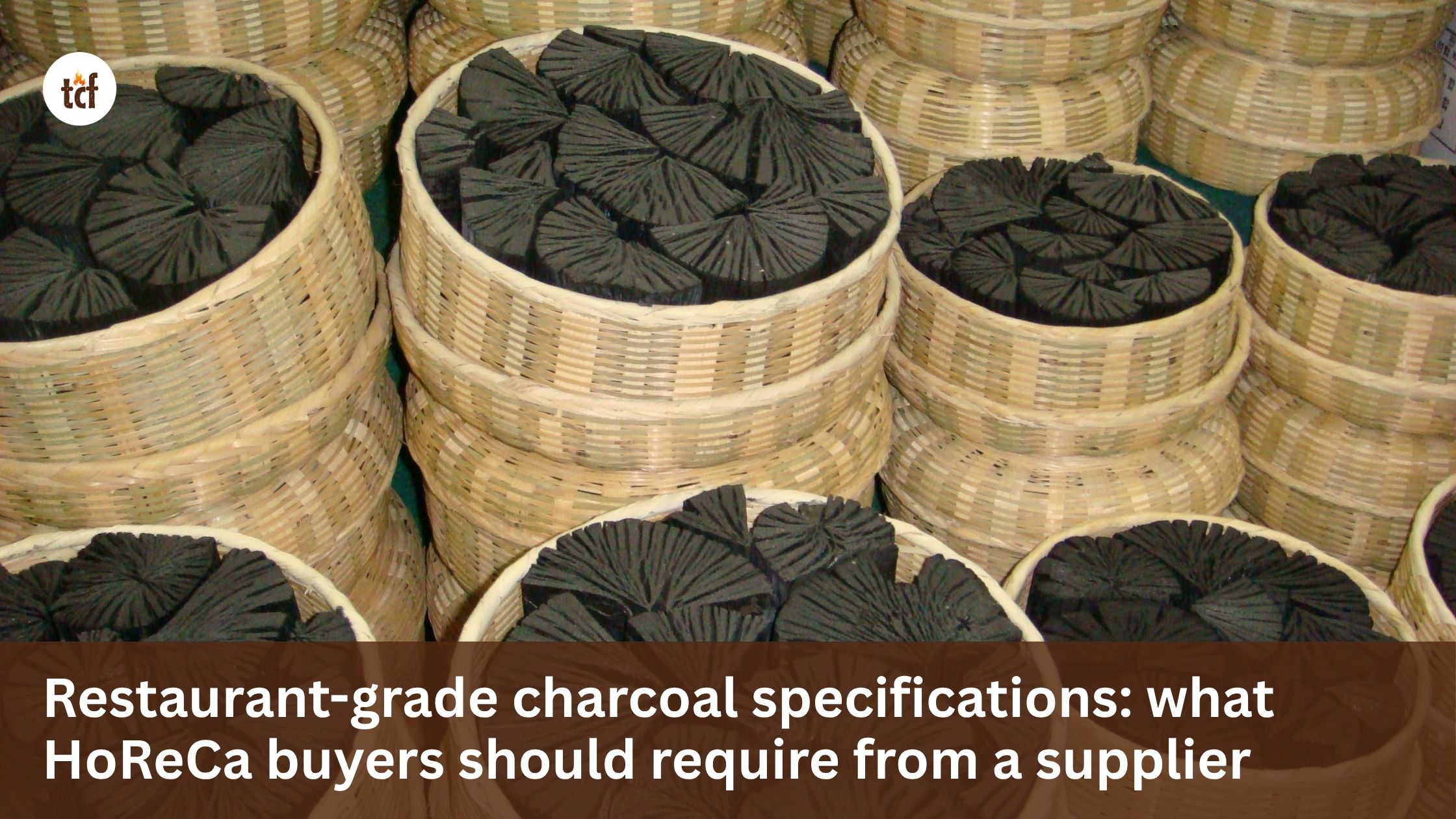
Here’s what to put in an RFP or supplier agreement instead of trusting a vague “premium quality” claim on a quote sheet.
There’s no universally “best” term. There’s a best term for your specific situation. Here’s how to figure out which one that is.
The difference isn’t just cosmetic. It affects burn time, ignition speed, ash output, and in some cases, what’s actually in the charcoal you’re buying.
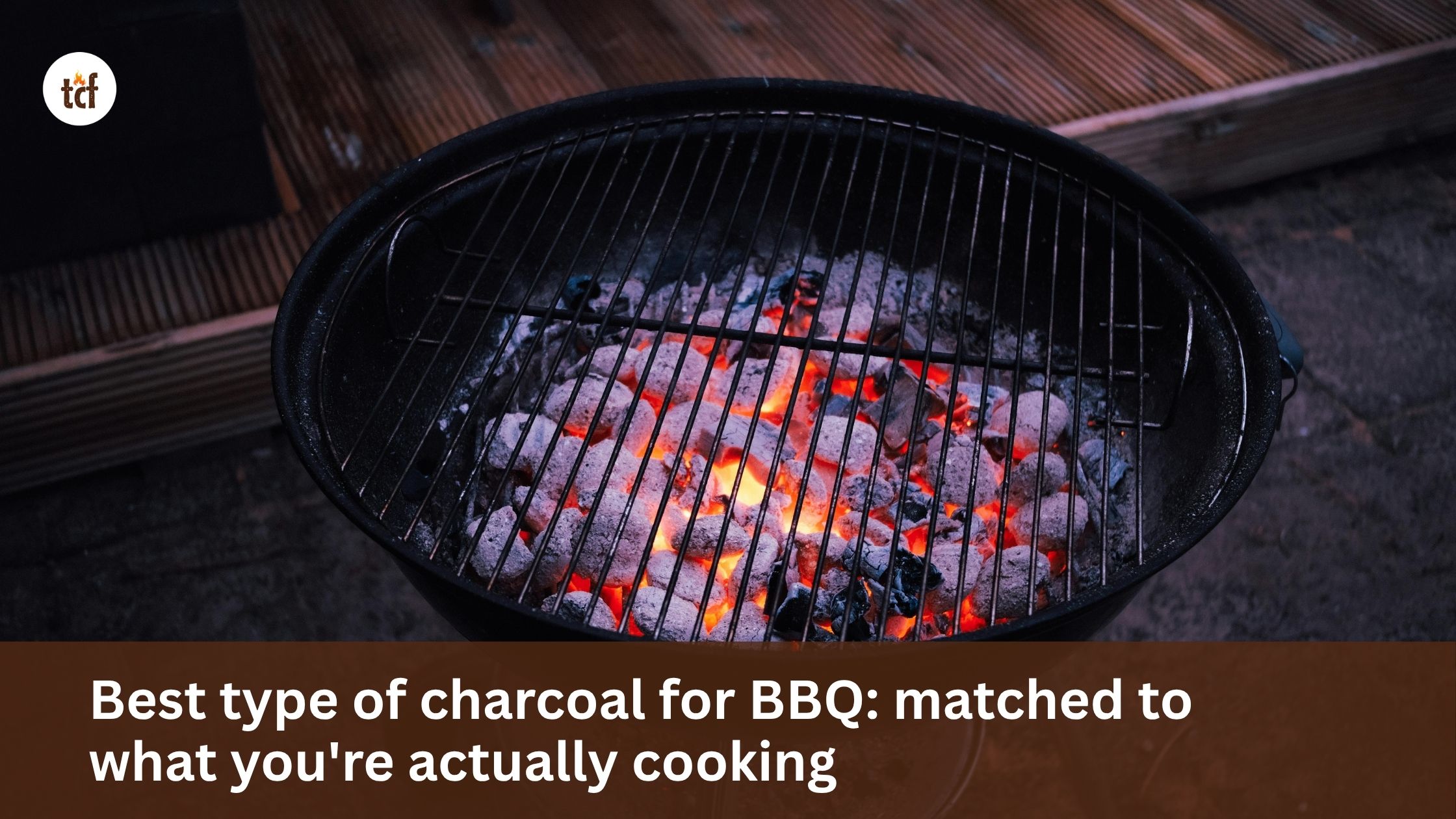
Instead of another general lump-vs-briquette breakdown, here’s how to match charcoal type to the actual dish in front of you, plus the burn data behind why each one performs the way it does.
Here’s the full process, what drives the MOQ, and where the timeline actually goes if you’re planning a launch date.

Here’s what it actually checks, how the process works, and why skipping it costs buyers more than the inspection fee itself.
A bulk charcoal supply contracts should lock down 6 things: pricing mechanism, quality specifications, volume commitments, delivery penalties, payment terms, and force majeure conditions.
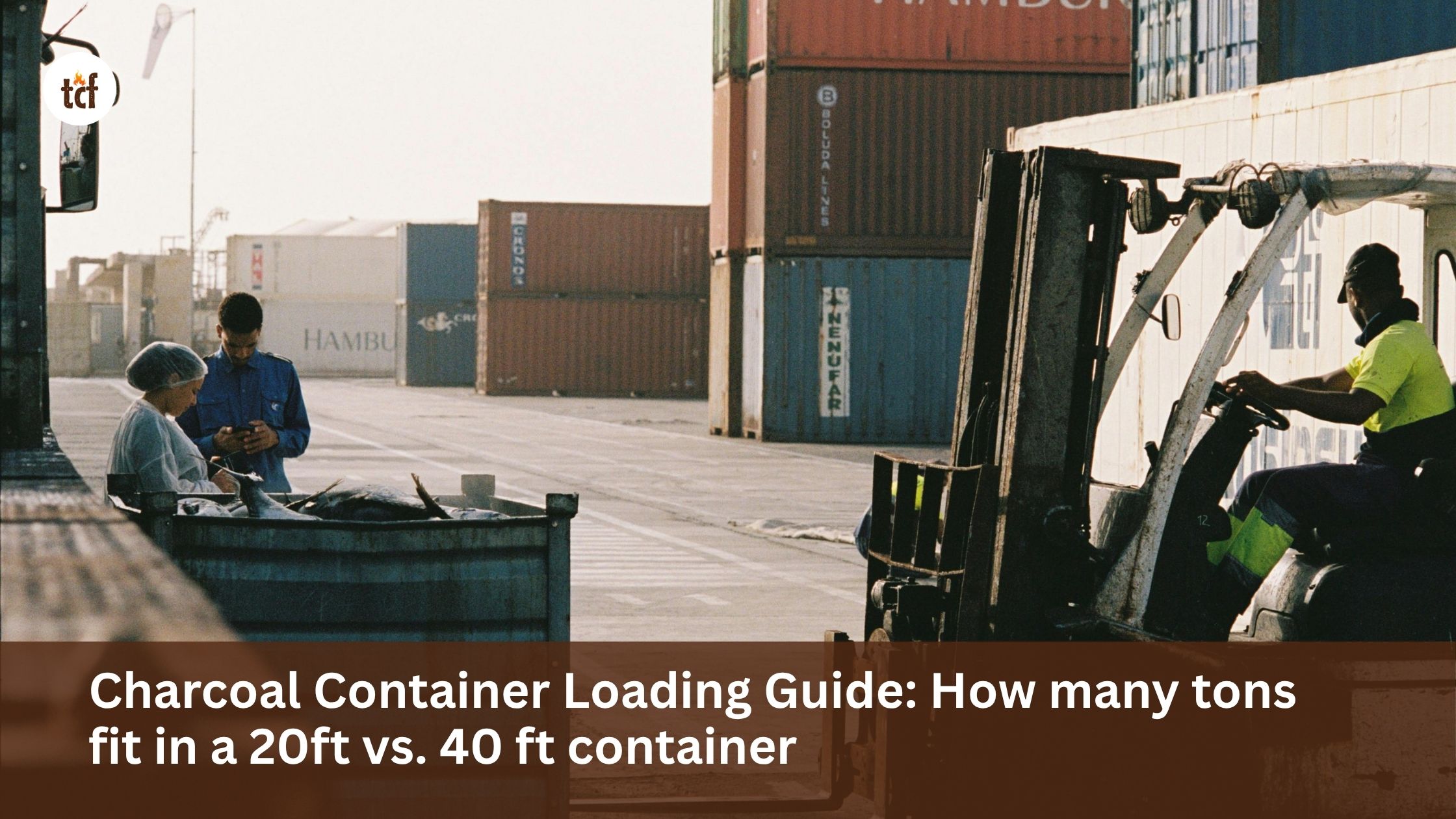
There’s no single answer here; charcoal isn’t a uniform product. Below is the breakdown by type, plus the safety limits that cap how full you can actually pack a container.
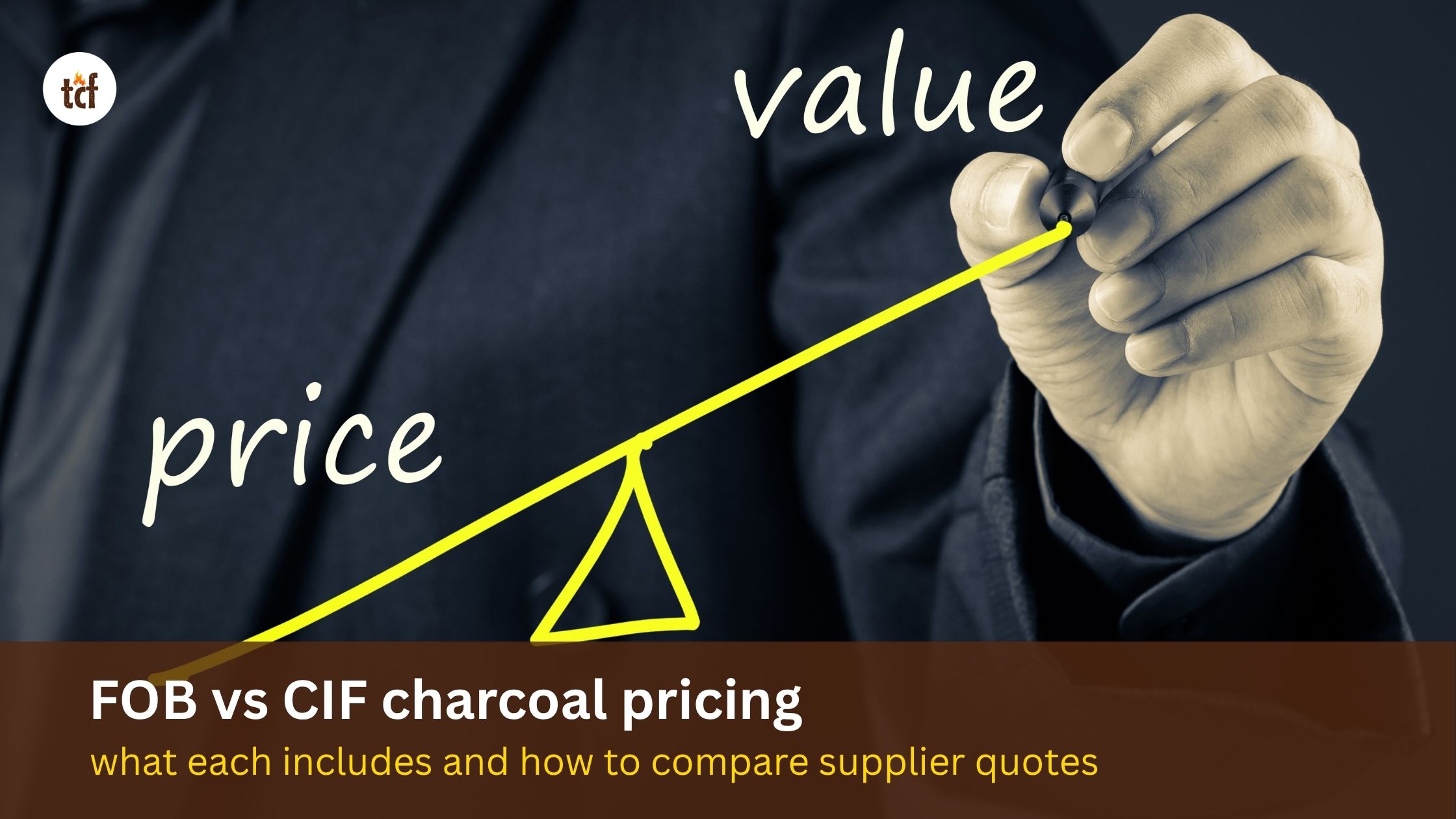
Comparing an FOB quote to a CIF quote as if they’re the same number is the single most common pricing mistake buyers make. Here’s what’s actually inside each one, and how to normalize quotes so you’re comparing real costs.