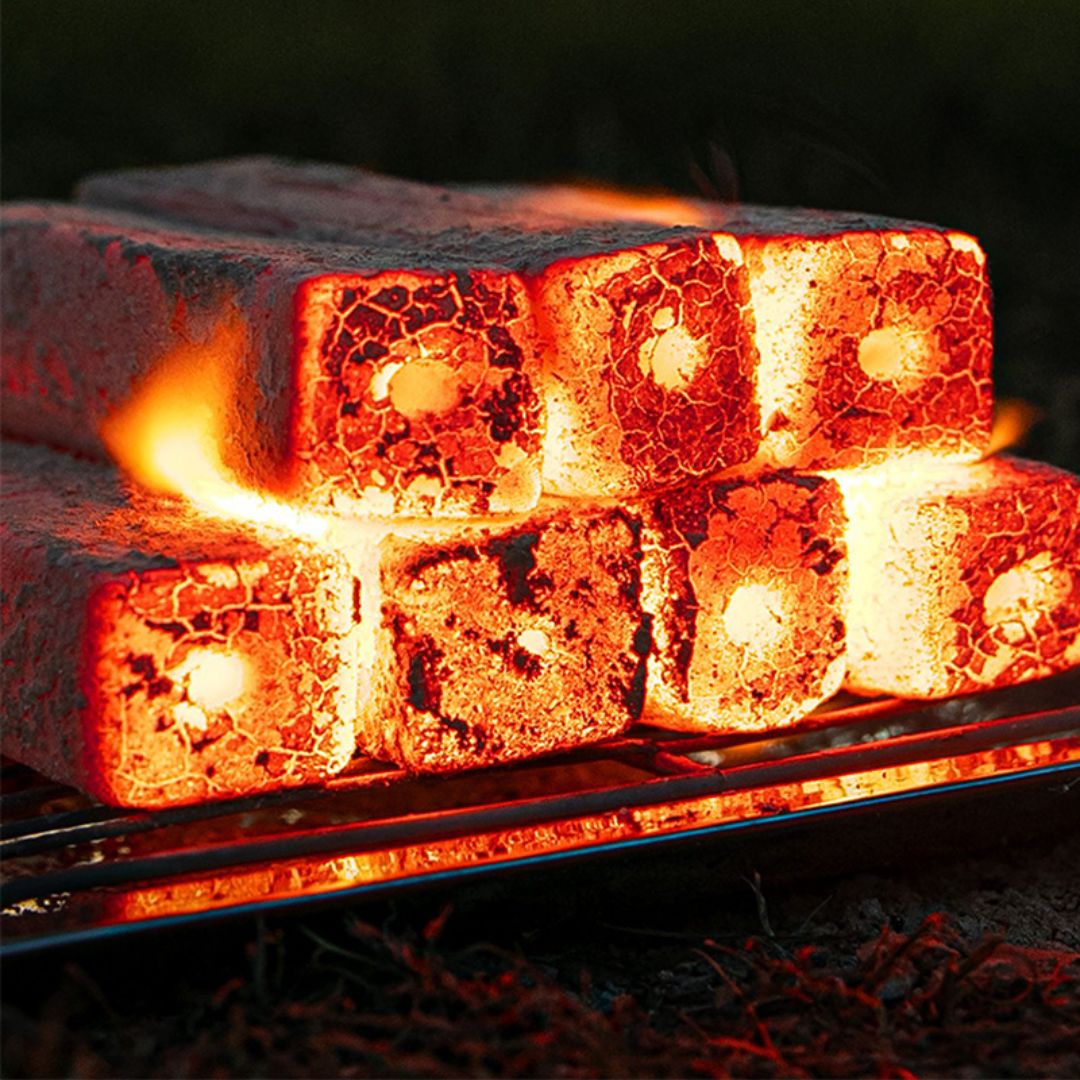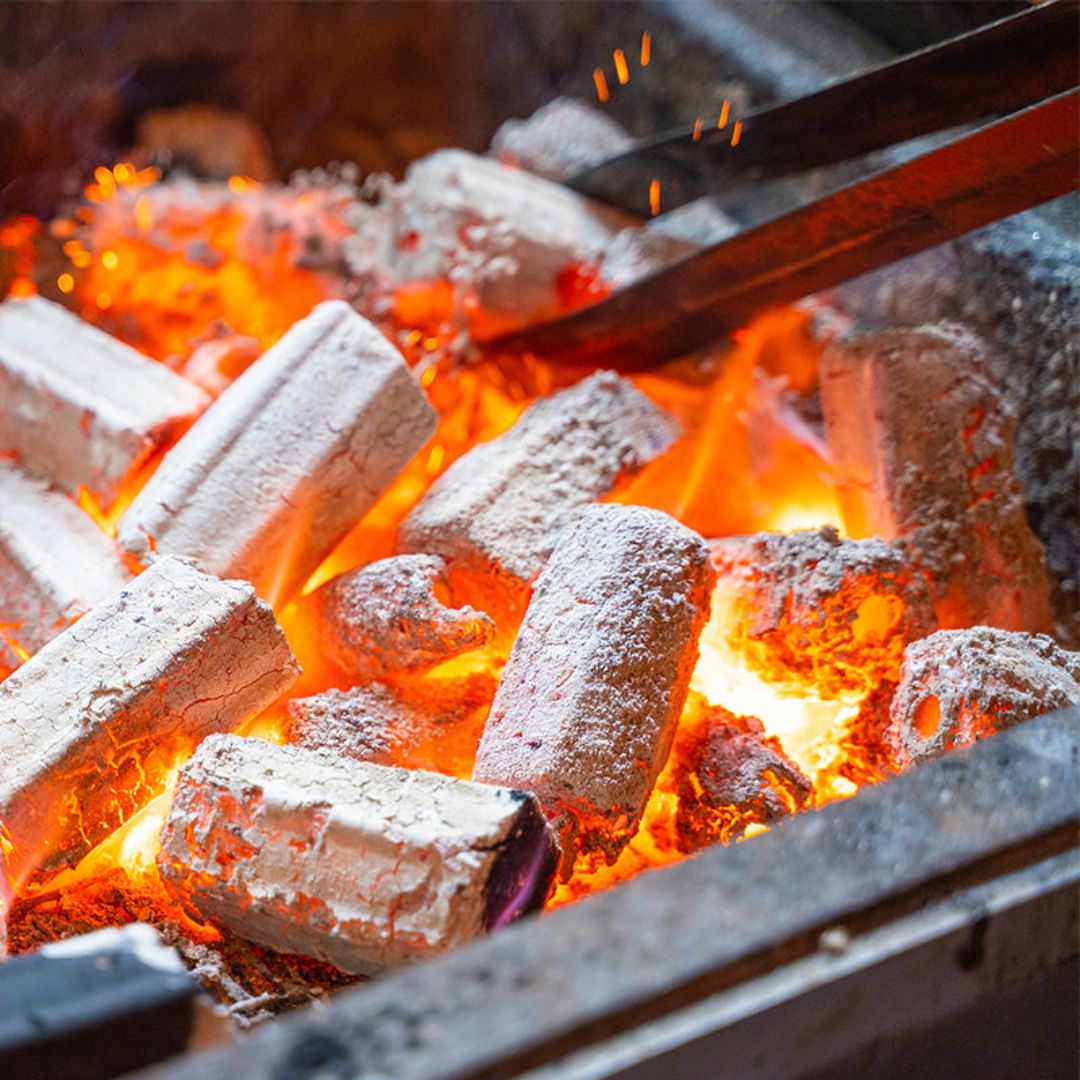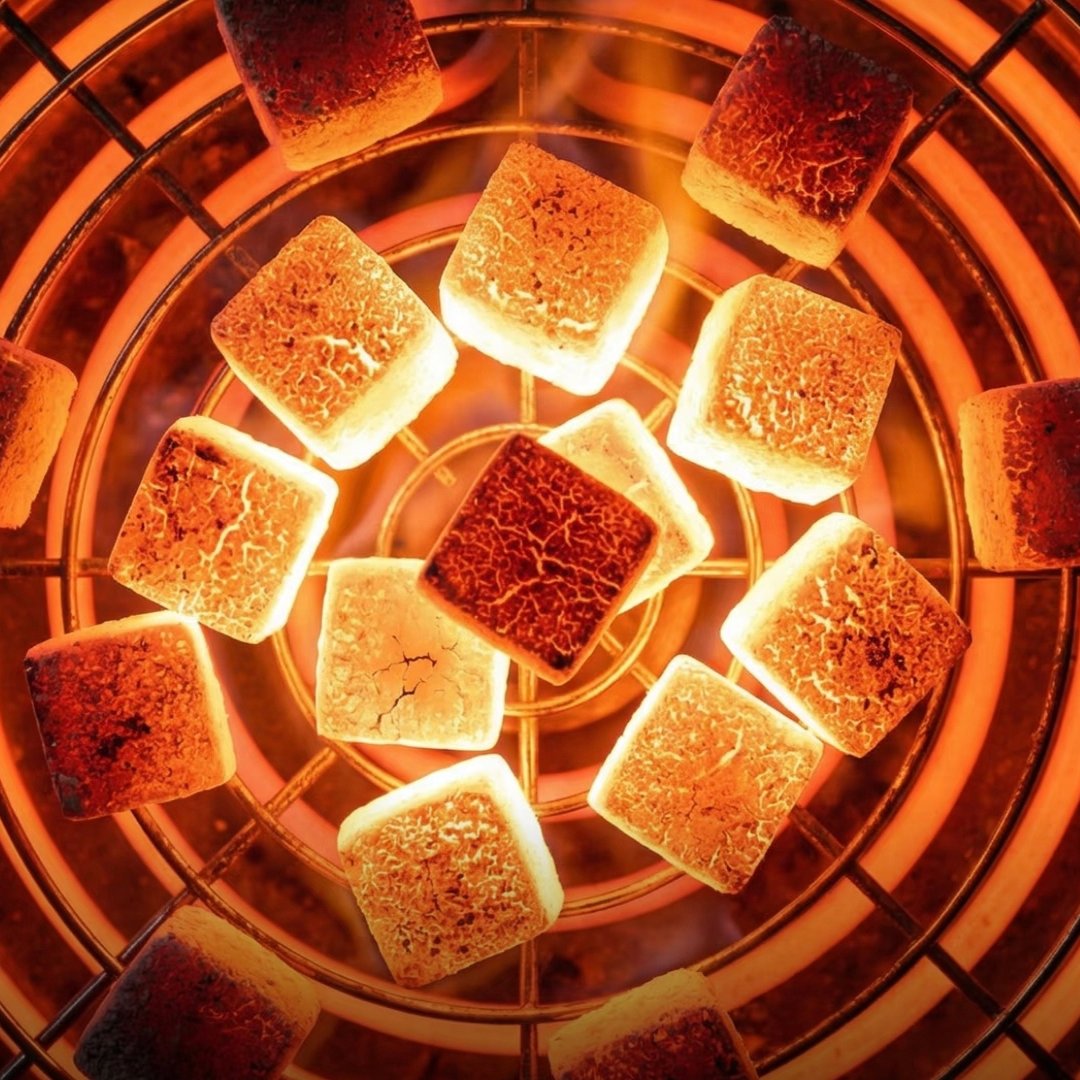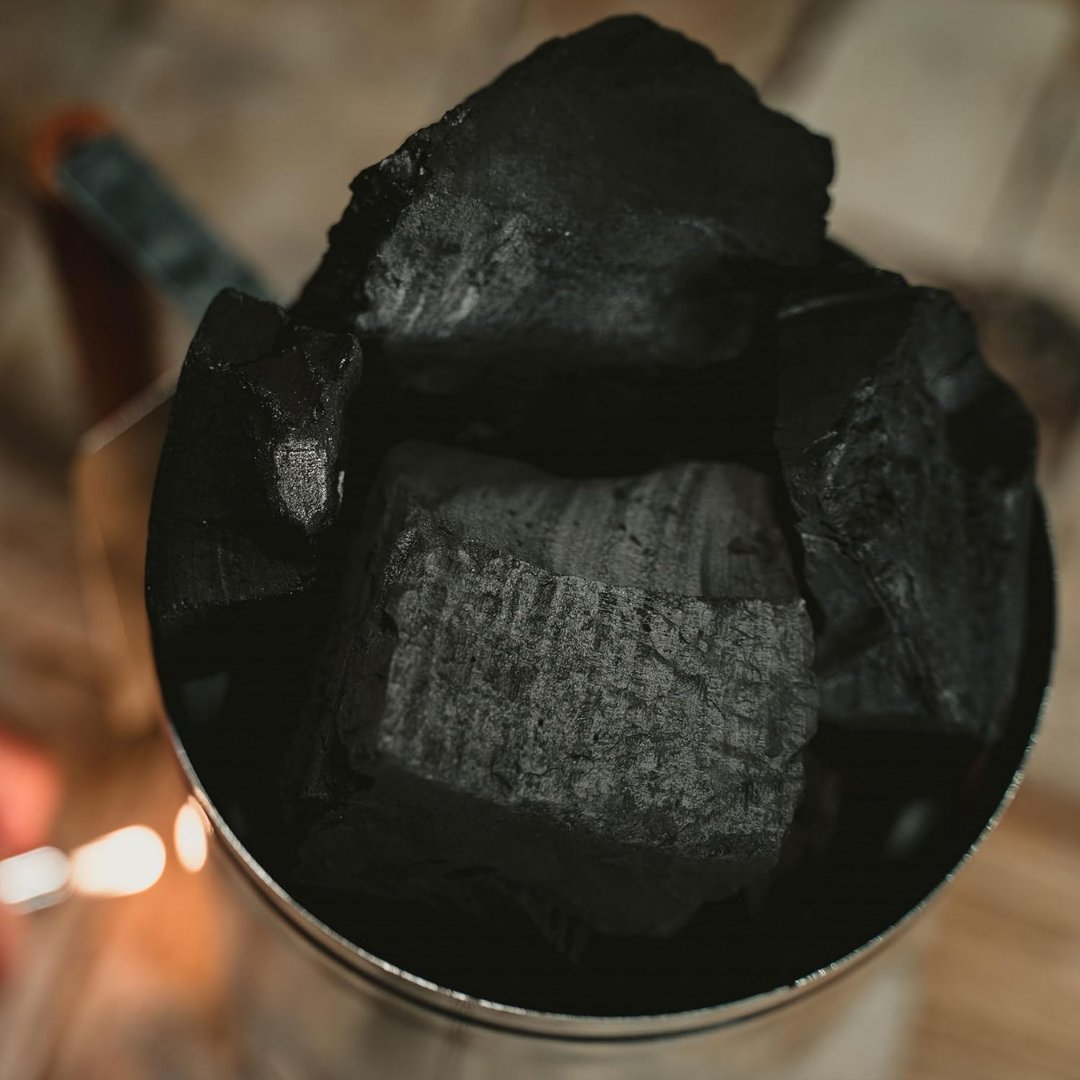




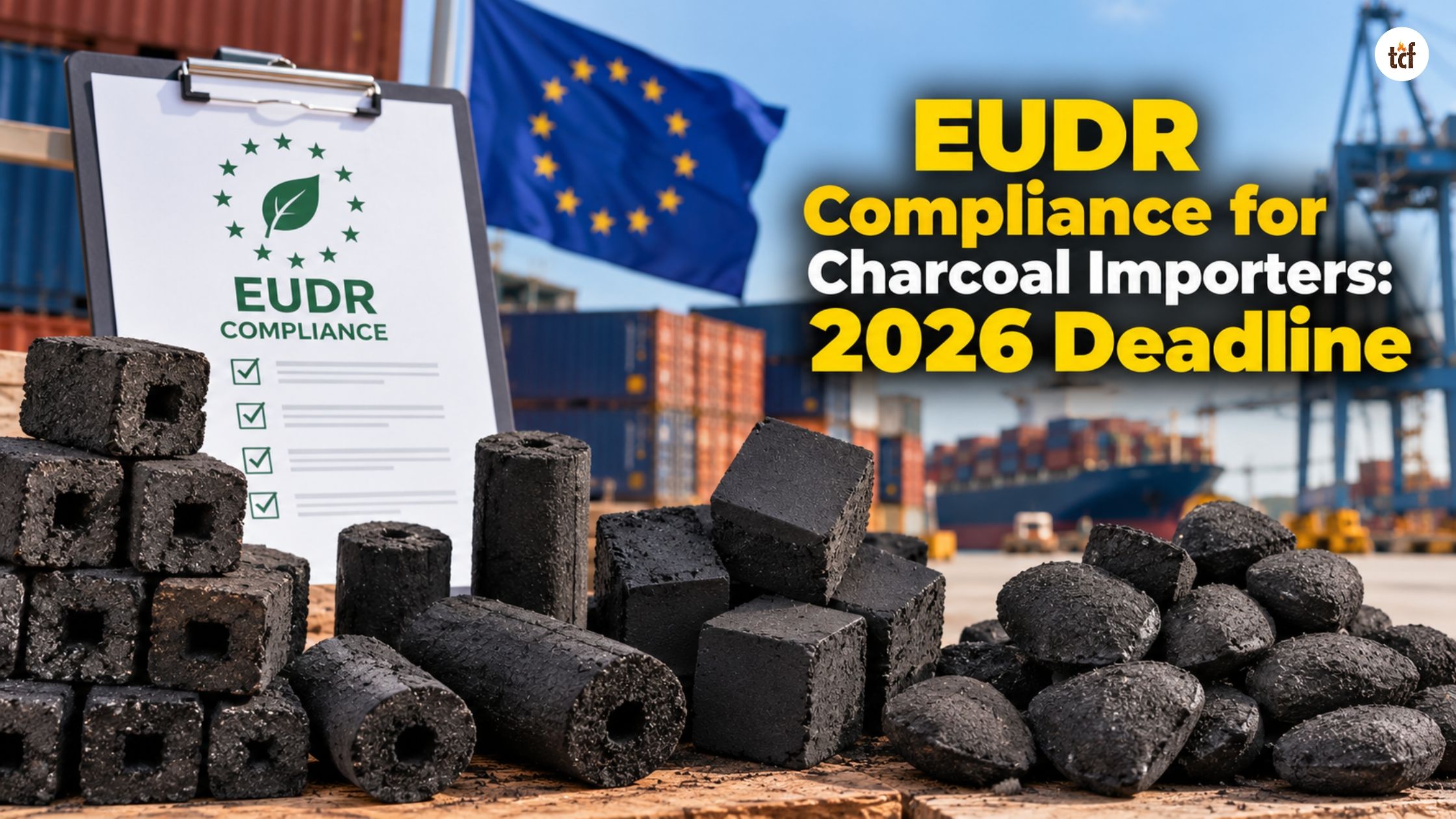
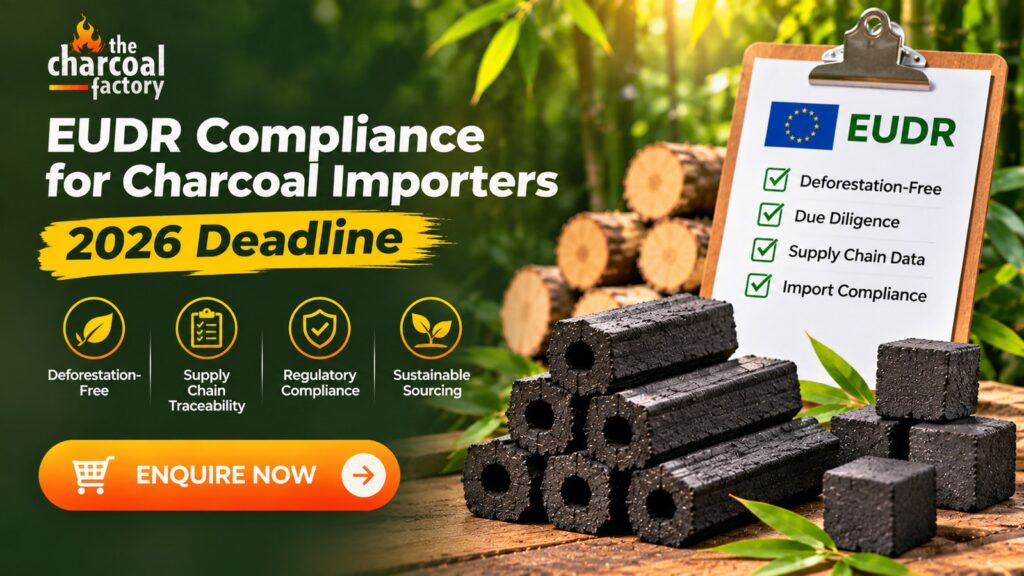
EUDR Compliance for Charcoal Importers, The EUDR charcoal rules are now settled: charcoal made from wood is in scope, and large and medium importers must comply from 30 December 2026, with micro and small operators following from 30 June 2027. Since 18 September 2026, charcoal made only from bamboo is outside the regulation.
The EU Deforestation Regulation requires companies placing certain products on the EU market to show they are deforestation-free and legally produced. For charcoal importers, the most important question is now simple: what is your charcoal made of?
Key takeaways
- Wood charcoal is in scope. It falls under the EUDR’s wood commodity.
- Bamboo charcoal is out. Delegated Regulation (EU) 2026/2102 excluded bamboo from the regulation.
- The deadline is 30 December 2026 for large and medium operators, and 30 June 2027 for most micro and small operators.
- The first importer files. Downstream operators and traders no longer submit their own due diligence statements.
- Wood charcoal needs geolocation data for where the wood was harvested, plus evidence it was legally produced.
- Blends count as wood. A product mixing bamboo with wood is in scope for the wood part.
Table of Contents
Which charcoal products are covered by the EUDR?
Charcoal comes under HS heading 4402 and is listed in the EUDR’s Annex I under the wood commodity. The scope depends on the raw material.
| Charcoal type | HS code | EUDR status | Why |
| Wood charcoal (lump, wood briquettes, wood shisha charcoal) | 4402.90 | In scope | Made from wood |
| Bamboo charcoal, including bamboo shisha charcoal | 4402.10 | Out of scope since 18 September 2026 | Bamboo excluded by Delegated Regulation (EU) 2026/2102 |
| Coconut shell charcoal | 4402.20 | Generally treated as out of scope | Coconut is not one of the EUDR commodities; confirm with your customs broker |
| Bamboo and wood blends | Depends on classification | Wood portion in scope | The exclusion covers products only to the extent they are made of bamboo |
The bamboo exclusion comes from Commission Delegated Regulation (EU) 2026/2102, published in the Official Journal on 17 September 2026 and in force from the next day. It states that the EUDR does not apply to bamboo, rattan and other woody materials, or to products under the wood heading to the extent they are made of them (EUR-Lex).
Earlier guidance, including some charcoal import guides, said EUDR applied in full to bamboo charcoal. That was correct before September 2026 but is now out of date. For HS codes by product, see charcoal HS codes.
Also read – Machine-Made Charcoal Raw Materials
When is the EUDR charcoal deadline?
The EUDR was postponed twice. Regulation (EU) 2025/2650, published in December 2025, set the current dates:
| Date | What happens |
| 18 September 2026 | Amended product list in force; bamboo excluded |
| 30 December 2026 | Obligations apply to large and medium operators and traders |
| 30 June 2027 | Obligations apply to most micro and small operators |
Some sources note that the later date for micro and small operators applies to non-timber products, so check with an adviser whether the extension covers your wood charcoal imports.
Who has to do what under the EUDR?
The December 2025 amendment put the main responsibility on the company that first places the product on the EU market.
| Role | Example in the charcoal trade | Main obligation |
| Operator | The EU importer bringing wood charcoal in from China or elsewhere | Carry out due diligence and submit a due diligence statement before the goods are placed on the market |
| Downstream operator or trader, non-SME | A large distributor or retail chain buying from that importer | Register in the EU information system; no own statement, but must act on substantiated concerns |
| Downstream operator or trader, SME | A smaller wholesaler or shop | No statement; keep supplier information |
| Micro or small primary operator in a low-risk country | Mostly EU producers selling their own goods | A one-off simplified declaration instead of statements |
For most charcoal imports from outside the EU, the importer is the operator and carries the filing obligation.
What must wood charcoal importers do before 30 December 2026?
If you import wood charcoal, or bamboo products blended with wood, prepare these steps now:
- Map your supply chain. Identify every supplier and, behind them, where the wood was harvested.
- Collect geolocation data for the plots of land where the wood was harvested, with the harvest date or period.
- Gather legality evidence showing the wood was produced in line with the laws of the country of production.
- Confirm the deforestation-free status. The wood must not come from land deforested after 31 December 2020.
- Assess and reduce risk. Full risk assessment and mitigation apply unless all your sources are in countries classified as low risk, where simplified due diligence is allowed (Coolset). Sources disagree on how the benchmarking applies in practice, so confirm the current classification of your sourcing countries.
- Submit the due diligence statement in the EU information system before the goods are placed on the market, and quote its reference number in customs.
- Keep records for at least five years.
Charcoal is often made from mixed wood residues from many small sources, which makes geolocation data harder to collect than for logs or sawn timber. Start with suppliers early. For the filing itself, see the EUDR due diligence statement guide.
What should bamboo charcoal importers still keep on file?
Bamboo charcoal is outside the EUDR, but you may still need to show customs or customers that your product really is pure bamboo. Keep:
- A supplier declaration that the product is made only from bamboo, with no wood content.
- The correct HS code, 4402.10 for bamboo charcoal, on the commercial invoice and customs declaration.
- Consistent descriptions across the invoice, packing list, phytosanitary certificate and packaging. A bag labelled “hardwood” with bamboo paperwork invites questions.
- A batch lab report for quality, which also supports the product description.
If you also sell blends or wood charcoal, keep those lines and their paperwork clearly separate, so the bamboo line isn’t pulled into scope by mistake.
The EUDR’s due diligence obligations also don’t replace other EU rules. Charcoal still ships as UN1361 dangerous goods, and barbecue charcoal sold in Europe is measured against EN 1860-2. See charcoal import regulations in Europe.
What are the penalties for non-compliance?
EU member states set the penalties, but the EUDR requires them to be effective and dissuasive. They include fines whose maximum must be set at no less than 4% of a company’s total annual EU turnover, confiscation of products or revenue, and temporary exclusion from public contracts. Goods placed on the market without a valid due diligence statement can also be held at the border.
Preparing for the EUDR charcoal deadline
The EUDR charcoal question now starts with raw material. Wood charcoal importers need supply chain data in place before 30 December 2026; bamboo charcoal importers need clean paperwork showing the product is pure bamboo. For bamboo charcoal and bamboo shisha charcoal from China, see the wholesale bamboo charcoal and hookah charcoal ranges.
Frequently asked questions
Is charcoal covered by the EUDR?
Wood charcoal is. It falls under HS heading 4402 and the EUDR’s wood commodity. Charcoal made only from bamboo has been outside the EUDR since 18 September 2026.
When does EUDR apply to charcoal importers?
From 30 December 2026 for large and medium operators and traders, and from 30 June 2027 for most micro and small operators.
Do I need a due diligence statement for bamboo charcoal?
No, not for products made only from bamboo. Keep a supplier declaration and consistent paperwork showing the product is pure bamboo.
What about shisha charcoal?
It depends on the raw material. Bamboo shisha charcoal is out of scope, coconut shell shisha charcoal is generally treated as out of scope, and shisha charcoal made from wood is in scope.