


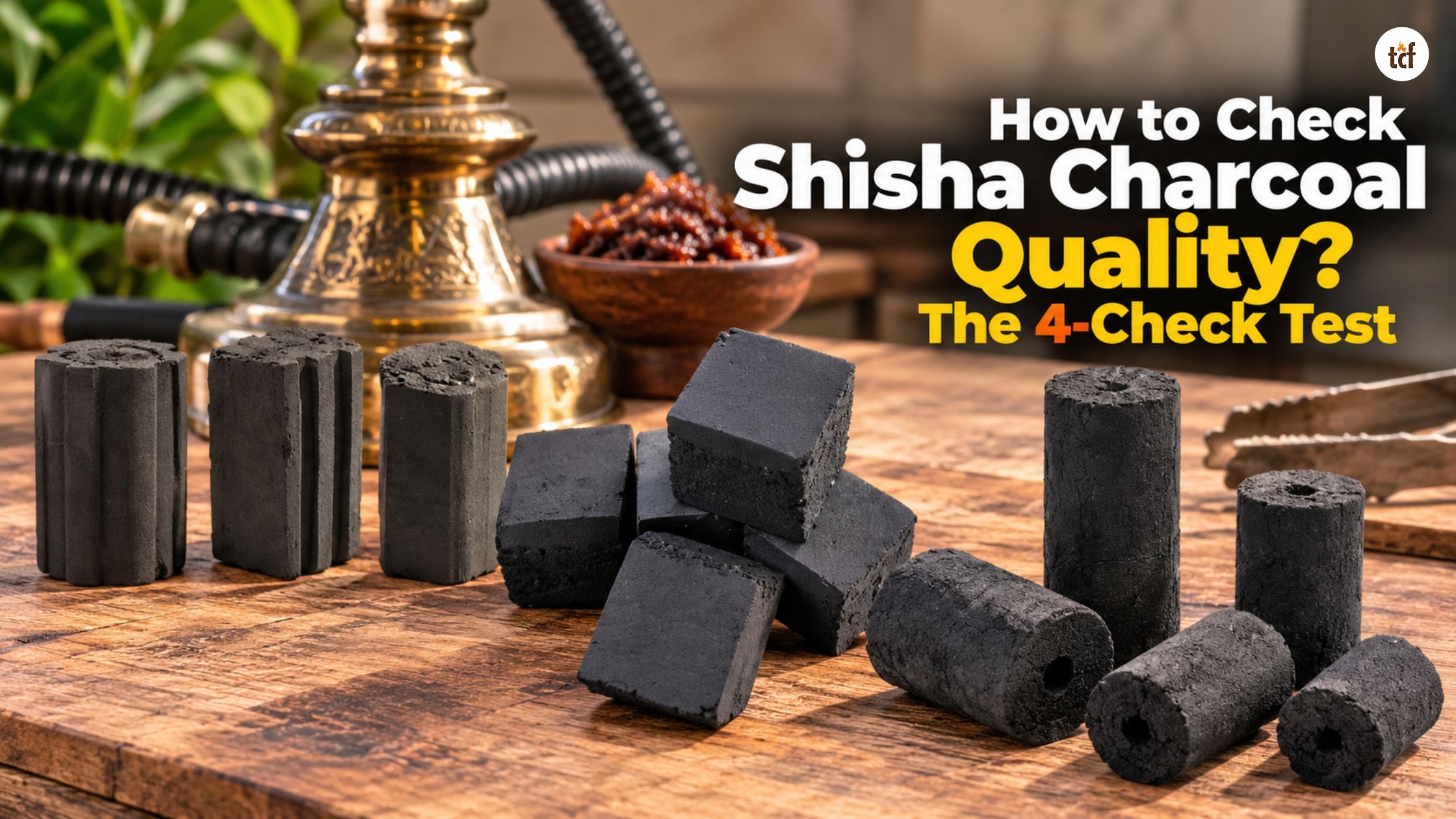
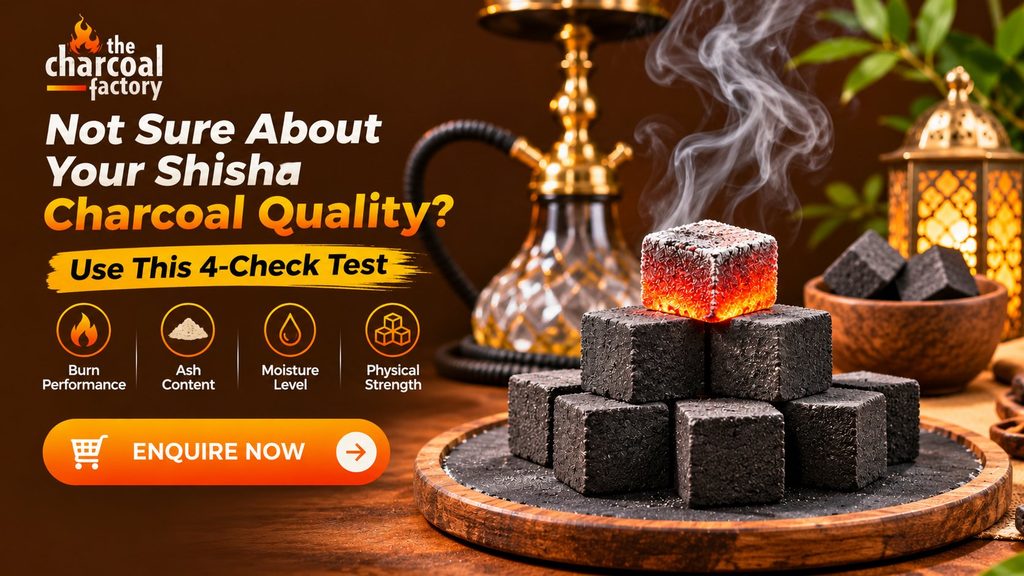
How to check shisha charcoal quality comes down to four checks: inspect the coals, test how well they hold together, run a burn test, and read the lab report. Together, they tell you whether a coal will light evenly, burn cleanly, survive shipping and stay consistent from one order to the next.
The first three need nothing more than a burner, a plate and a timer. The fourth is what separates a good sample from a good supplier.
Key takeaways
- Check 1: inspect. Uniform size, a smooth, solid surface and little dust in the box.
- Check 2: strength. Good coals don’t crumble when pressed or chip badly when dropped.
- Check 3: burn. Even glow on every face, no chemical smell, no sparks, and fine light-grey ash.
- Check 4: paperwork. A batch lab report for ash, fixed carbon and moisture, plus binder and accelerant declarations.
- Test more than one batch. One good box proves little; consistency across orders is what matters.
- Bamboo and coconut coals are checked the same way. The four checks apply to both.
Table of Contents
How to check shisha charcoal quality: the 4 checks
Check 1: Inspect the coals
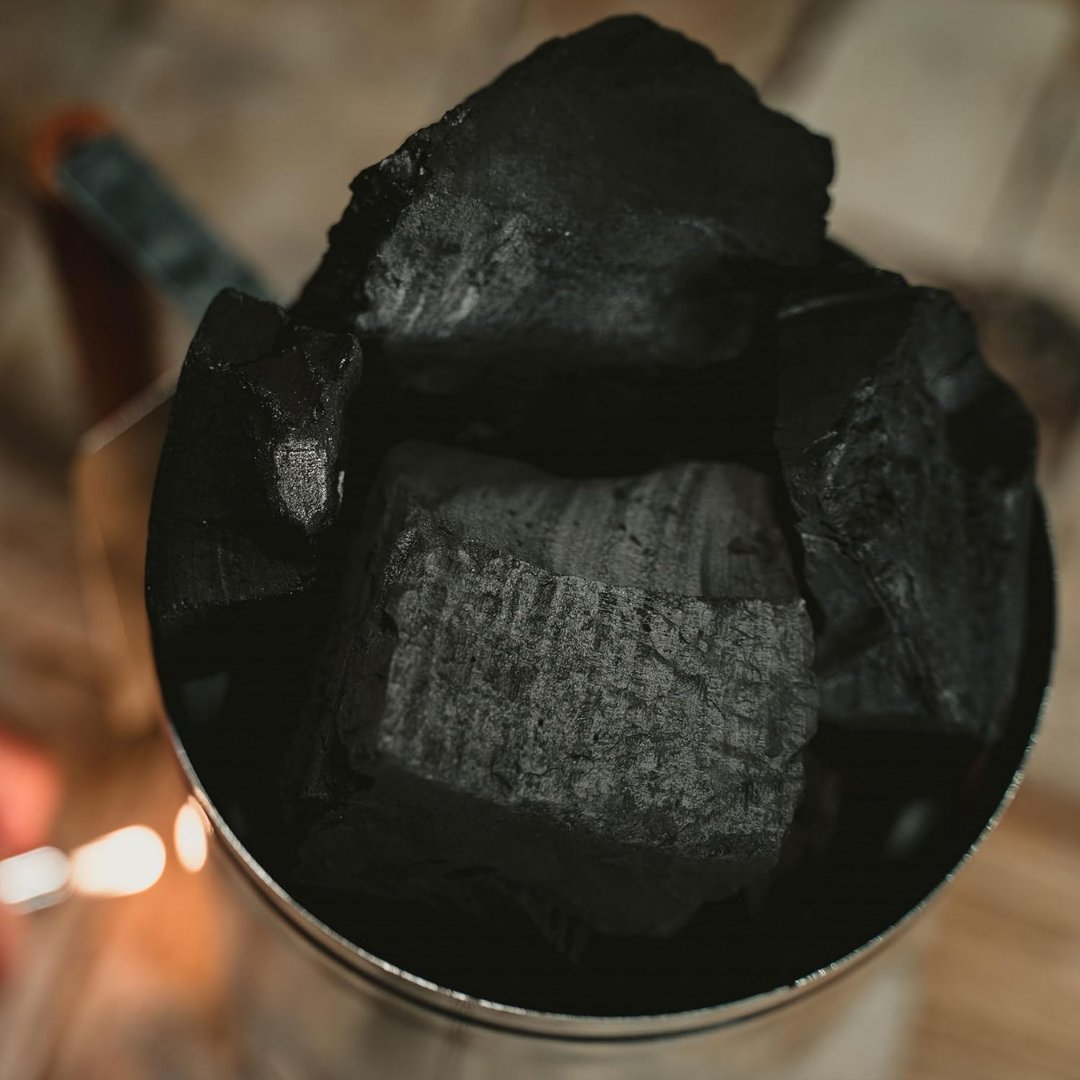
Open a box and look before you light anything. Good shisha coals show their quality on the outside.
- Uniform size and shape. Pieces should match in size and weight. Uneven coals can’t be preheated on one timer and give uneven heat on the bowl. Measure a few with a ruler or calipers.
- Solid, even surface. A smooth, dense surface with few cracks. Deep cracks and chipped edges suggest poor pressing or rough handling.
- Little loose dust. A small amount of fine powder is normal; a layer of dust or broken pieces at the bottom of the box points to weak coals or poor packing.
- Weight for size. Denser coals feel heavy for their size and generally burn longer. Compare against a sample you know performs well.
- Dry feel. Coals should feel dry, not cool or clammy. Damp coals light slowly and spit.
- Sealed packaging. An intact inner bag protects coals from moisture during shipping and storage.
Write down what you see for each sample, so you can compare suppliers side by side later.
Check 2: Test the strength
Shisha coals travel a long way, are handled by staff and sit in burners. Weak coals break before they ever reach a bowl.
- Press test. Squeeze a coal firmly between your fingers. A good coal stays intact. If it crumbles or leaves heavy black powder on your hand, it is poorly pressed or under-carbonized.
- Drop test. Drop five coals from about waist height onto a hard floor. Most should survive whole or with only small chips. Many broken pieces means more breakage in shipping and more waste at the lounge.
- Tap test. Tap two coals together. A clear, hard sound suggests a dense, well-made coal; a dull, soft sound suggests low density or moisture.
For buyers comparing suppliers, weigh the coals before and after the drop test. The weight lost as chips and dust gives you a simple number to compare between samples.
Check 3: Run a burn test
The burn test shows what your customers will actually experience. Run it in a well-ventilated space, because every burning coal gives off carbon monoxide.
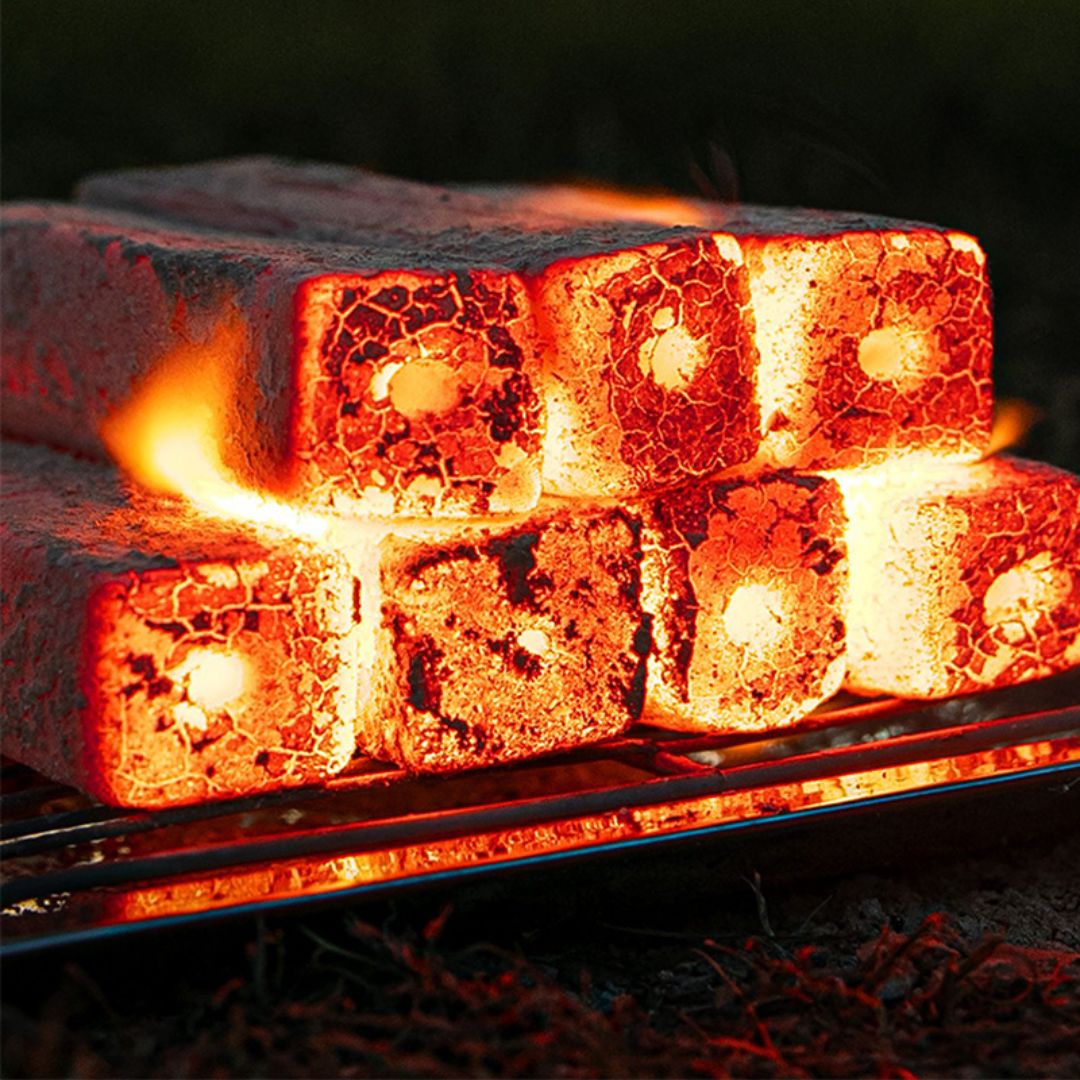
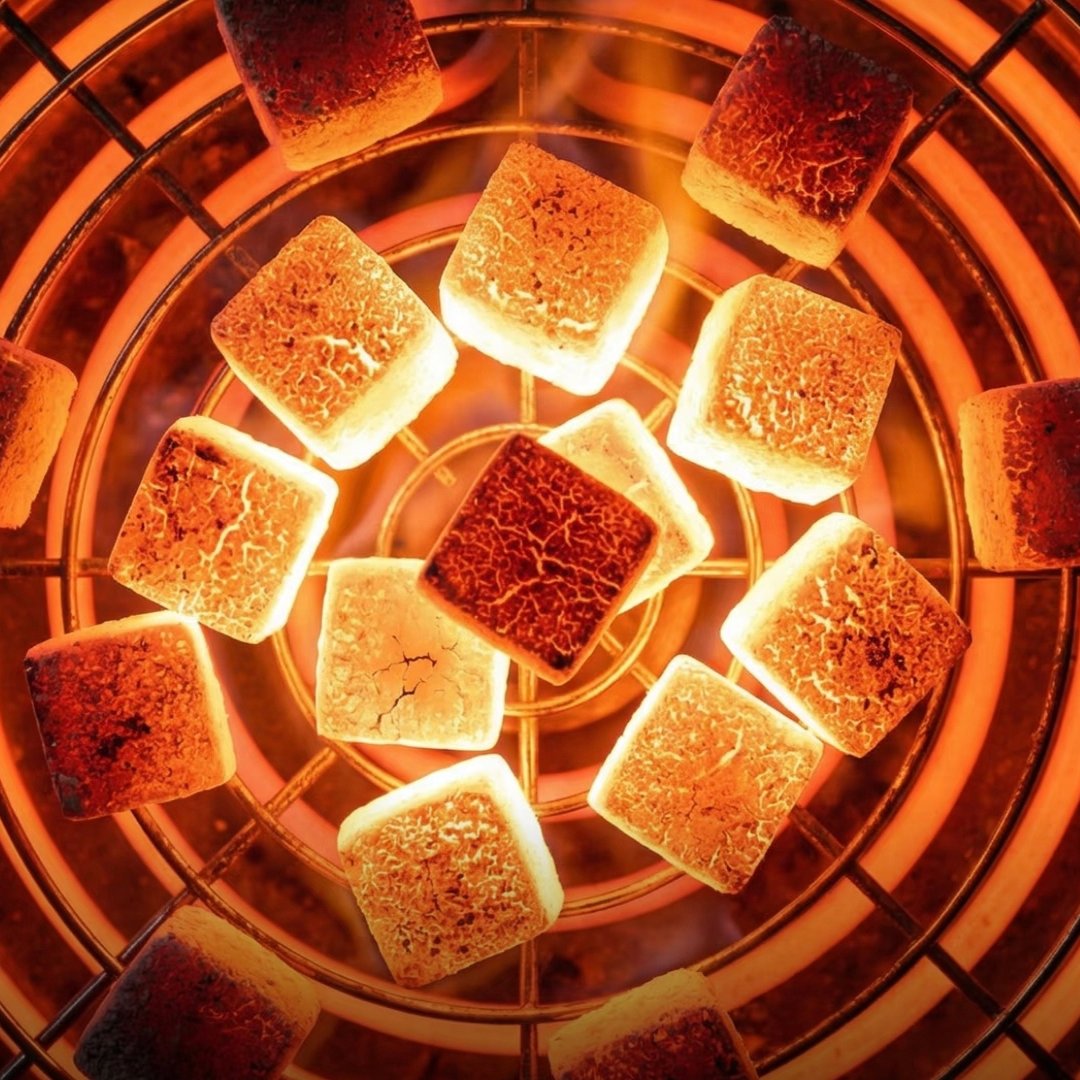
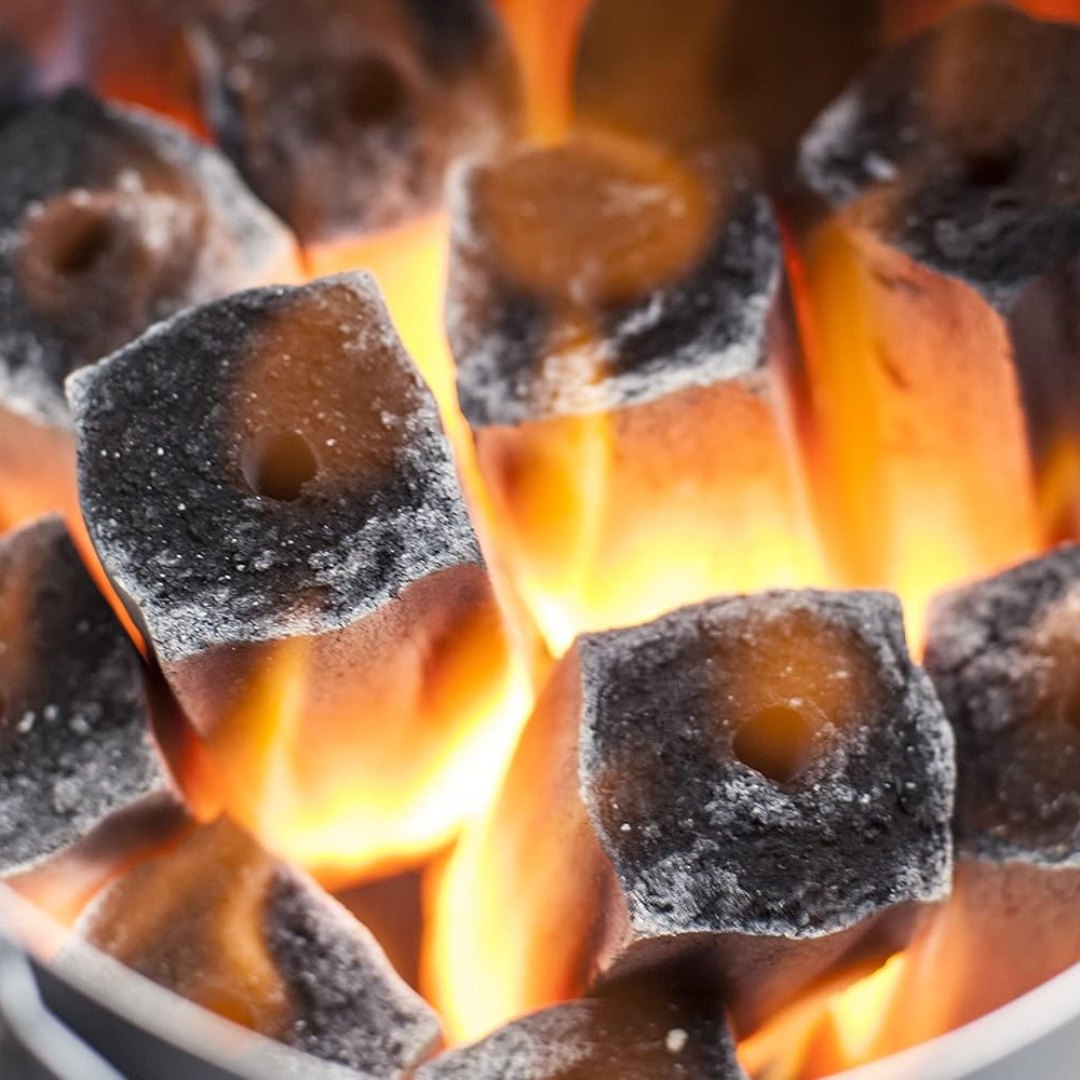
- Preheat on an electric coil burner and time how long it takes until the coal is ready: every face glowing evenly, covered in a thin grey ash, with no black patches left.
- Smell it once fully lit. A good natural coal is close to odorless. A sharp chemical smell suggests an accelerant or impurities.
- Watch for sparks and popping. Natural coals should heat quietly. Spitting usually means moisture or poor carbonization.
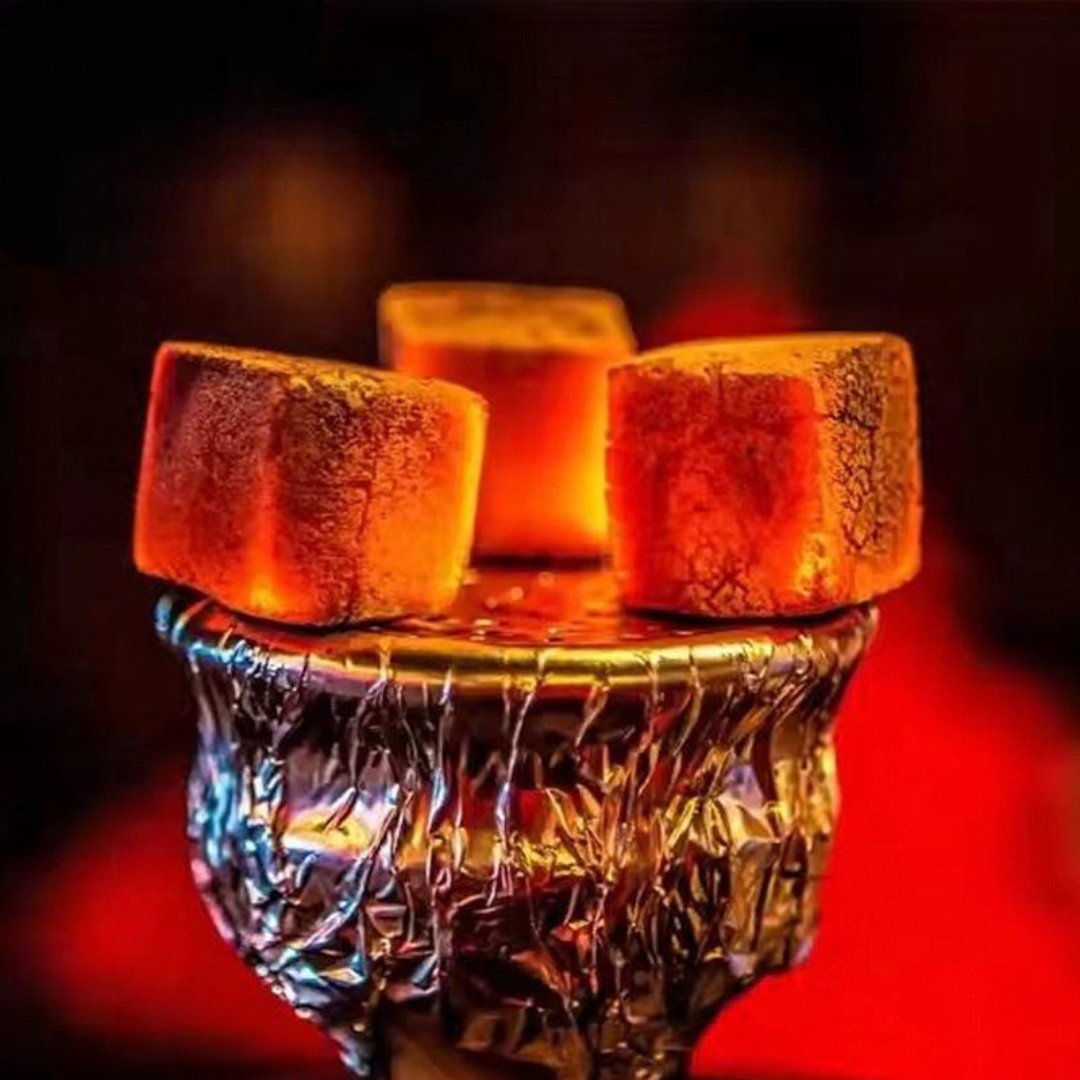
- Put it on a bowl with the foil or heat management device you normally use, and time how long it gives useful heat. Burn time depends heavily on cube size, airflow and setup, so only compare coals tested the same way.
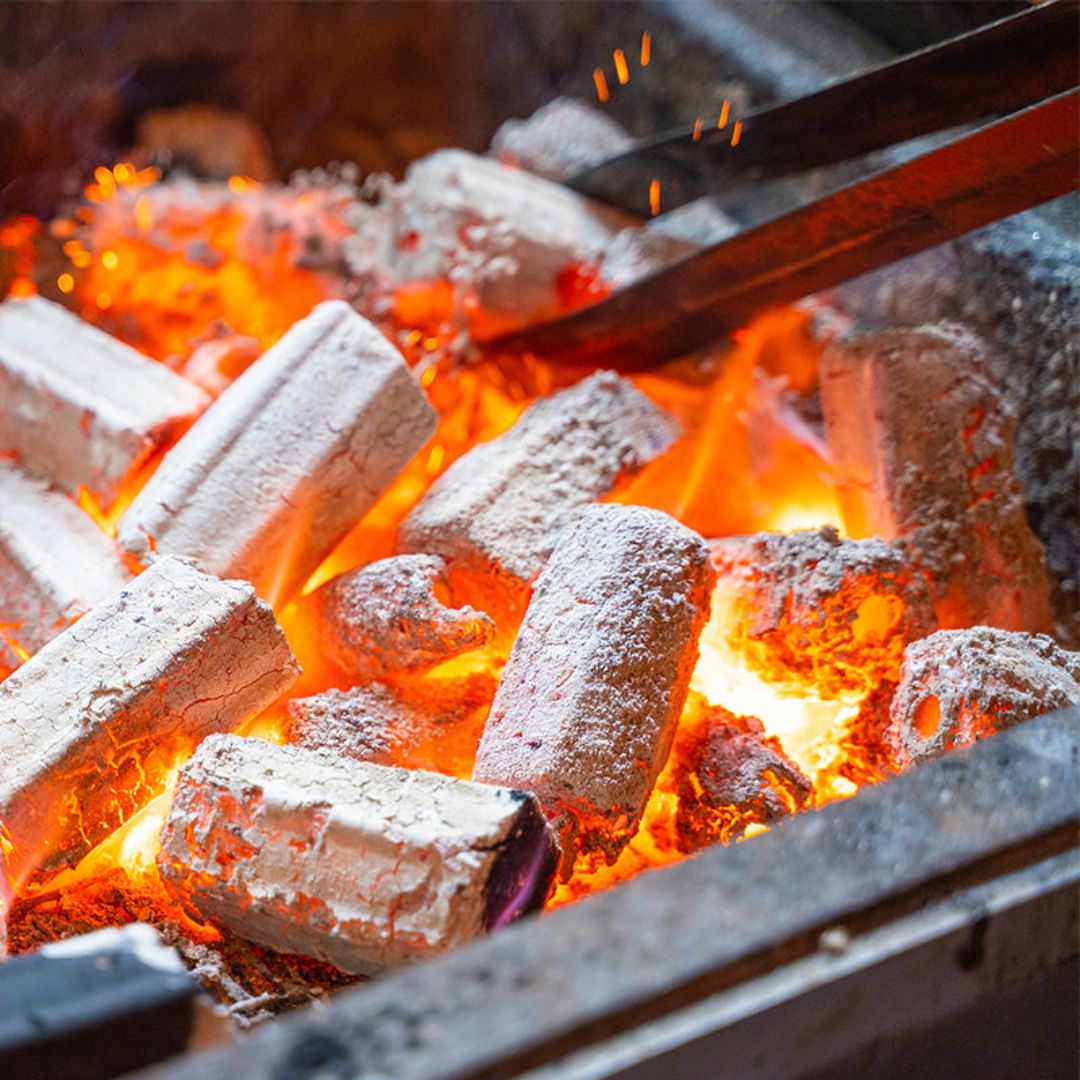
- Check the ash. Good coals leave a small amount of fine, light-grey ash that often holds the coal’s shape. Dark, gritty or heavy ash suggests impurities or incomplete carbonization
Test at least three coals from each sample and record the results. For how natural and quick-light coals compare in a burn test, see quick-light vs natural coconut charcoal, and for burn time across coal types, see shisha charcoal burn time and heat comparison.
Check 4: Read the paperwork
The first three checks tell you about one box. The paperwork tells you whether the next container will match it.
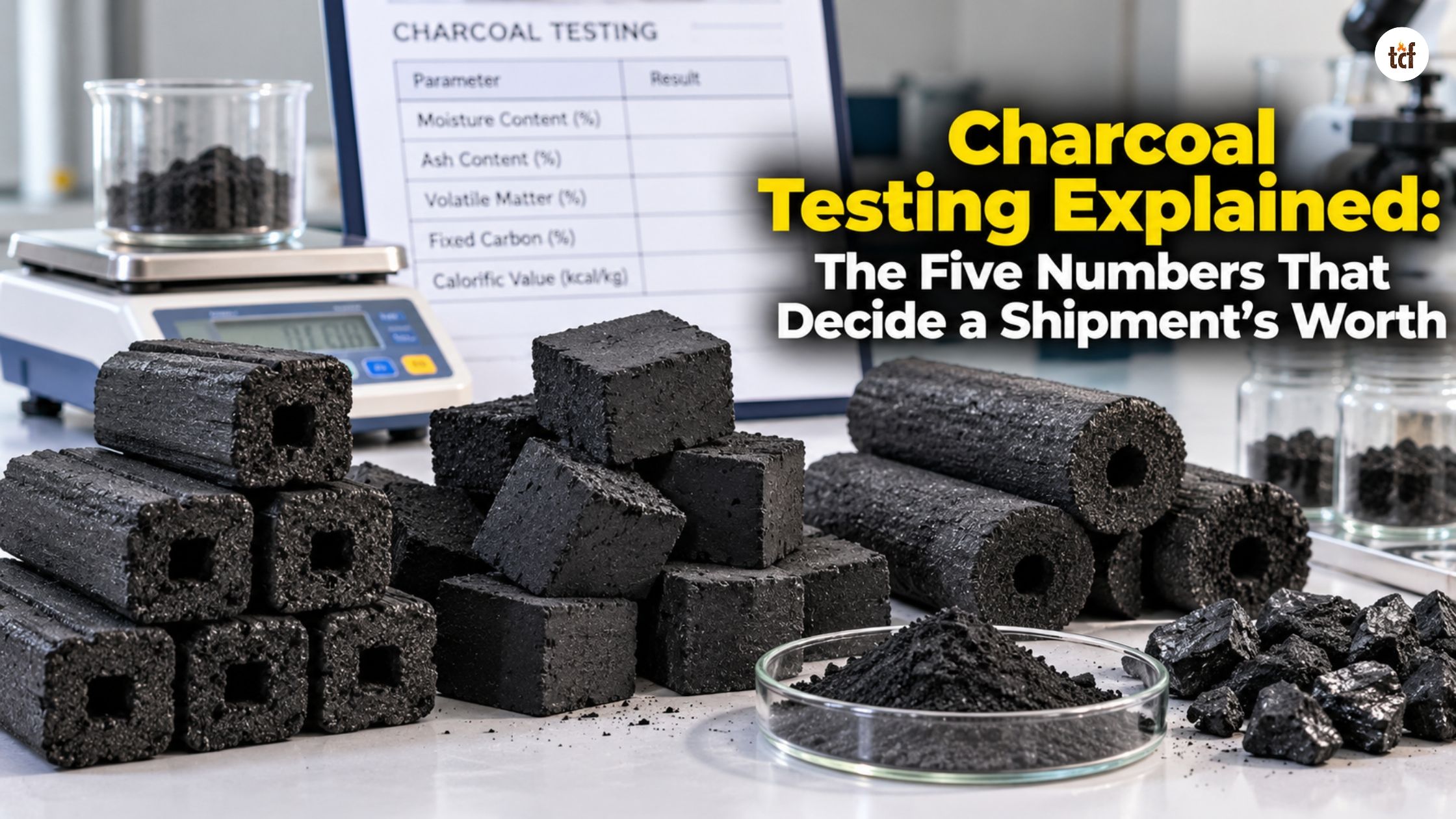
- A batch lab report showing ash, fixed carbon, moisture, and volatile matter, with the test basis and method stated. Ash matters most for shisha, because it falls into the bowl. As a benchmark, one published comparison puts premium coconut shisha coals below about 2.5% ash
- A batch number that matches the boxes you will receive.
- A binder declaration, usually a food-grade starch for pressed coals.
- An accelerant declaration confirming the coals are natural, with no ignition chemicals.
- Size tolerance and pieces per box, so you know what you are buying and can compare price per coal.
Our guide on how to read a certificate of analysis for charcoal explains how to check a lab report is genuine and comparable.
How do you score the results?
| Check | Pass | Warning | Fail |
| Inspection | Uniform, solid, little dust | Some size variation or chips | Mixed sizes, heavy dust, damp feel |
| Strength | No crumbling, few chips on drop | Some breakage | Crumbles when pressed |
| Burn | Even glow, no smell, no sparks, light-grey ash | Slow to light or a faint smell | Chemical smell, sparks, dark or heavy ash |
| Paperwork | Batch lab report and declarations | Report without batch number or basis | No lab data, or vague answers |
A sample that passes all four is worth a trial order. Repeat the checks on a second batch before committing to regular containers.
Testing samples before you order
Now you know how to check shisha charcoal quality; the next step is samples. The Charcoal Factory’s shisha range includes natural bamboo shisha charcoal with no accelerants, such as low-ash shaped bamboo shisha charcoal and premium machine-made bamboo shisha charcoal. See the full hookah charcoal range to request samples.
Frequently asked questions – How to Check Shisha Charcoal Quality
What is the quickest way to check shisha charcoal quality?
Light one coal on a burner. If it reaches an even glow on every face with no chemical smell, no sparks and fine light-grey ash, it has passed the most telling check. Confirm with a lab report before ordering in bulk.
What color should shisha charcoal ash be?
Light grey to white, and fine. Dark, grey-black or gritty ash usually points to impurities or coals that were not fully carbonized.
Why does my shisha charcoal smell when lit?
A smell during the first minutes of preheating can come from moisture or binder burning off. A strong chemical smell after the coal is fully lit suggests an accelerant or impurities.
Is bamboo shisha charcoal as good as coconut?
Both can make good shisha coals. Judge any coal on the four checks rather than the raw material alone.