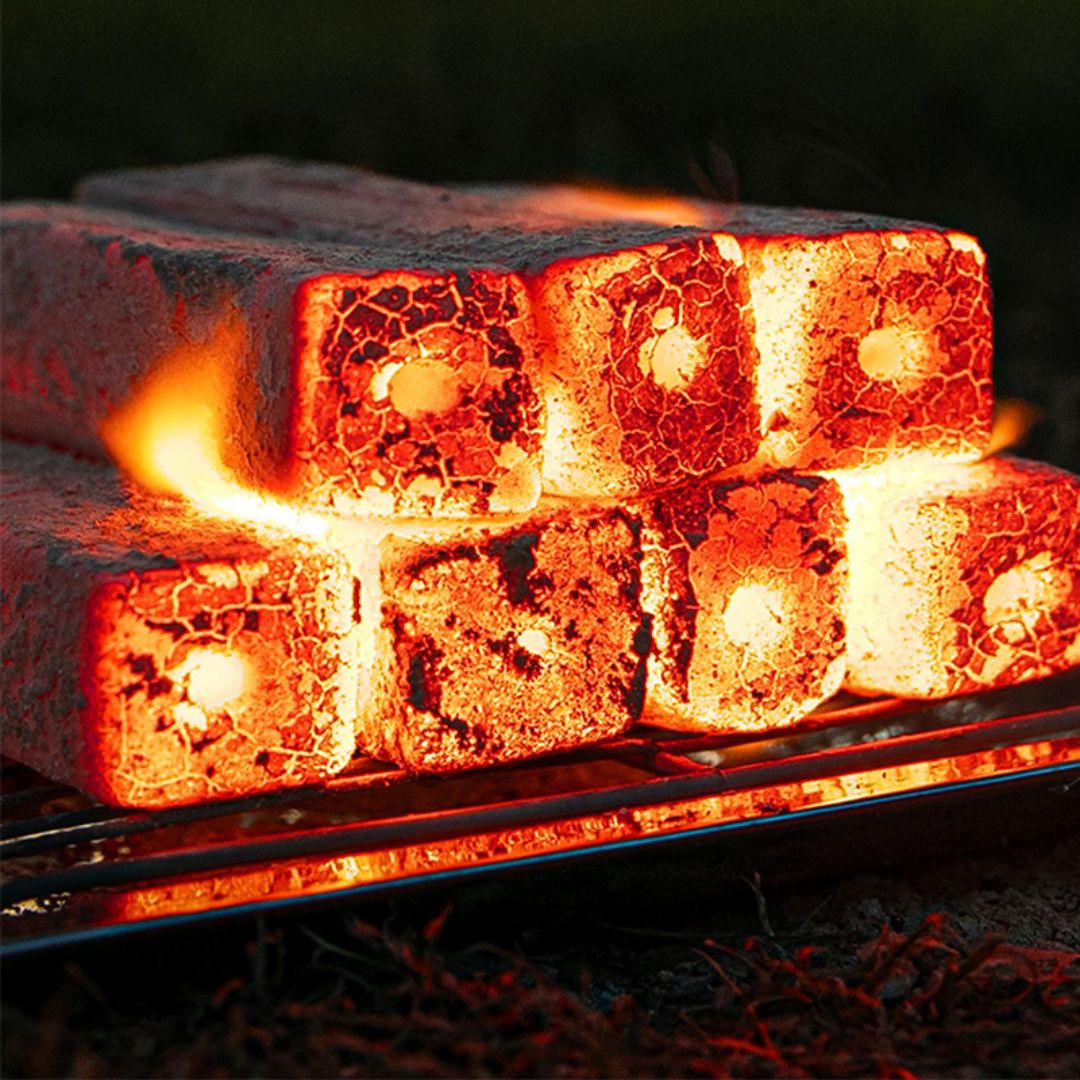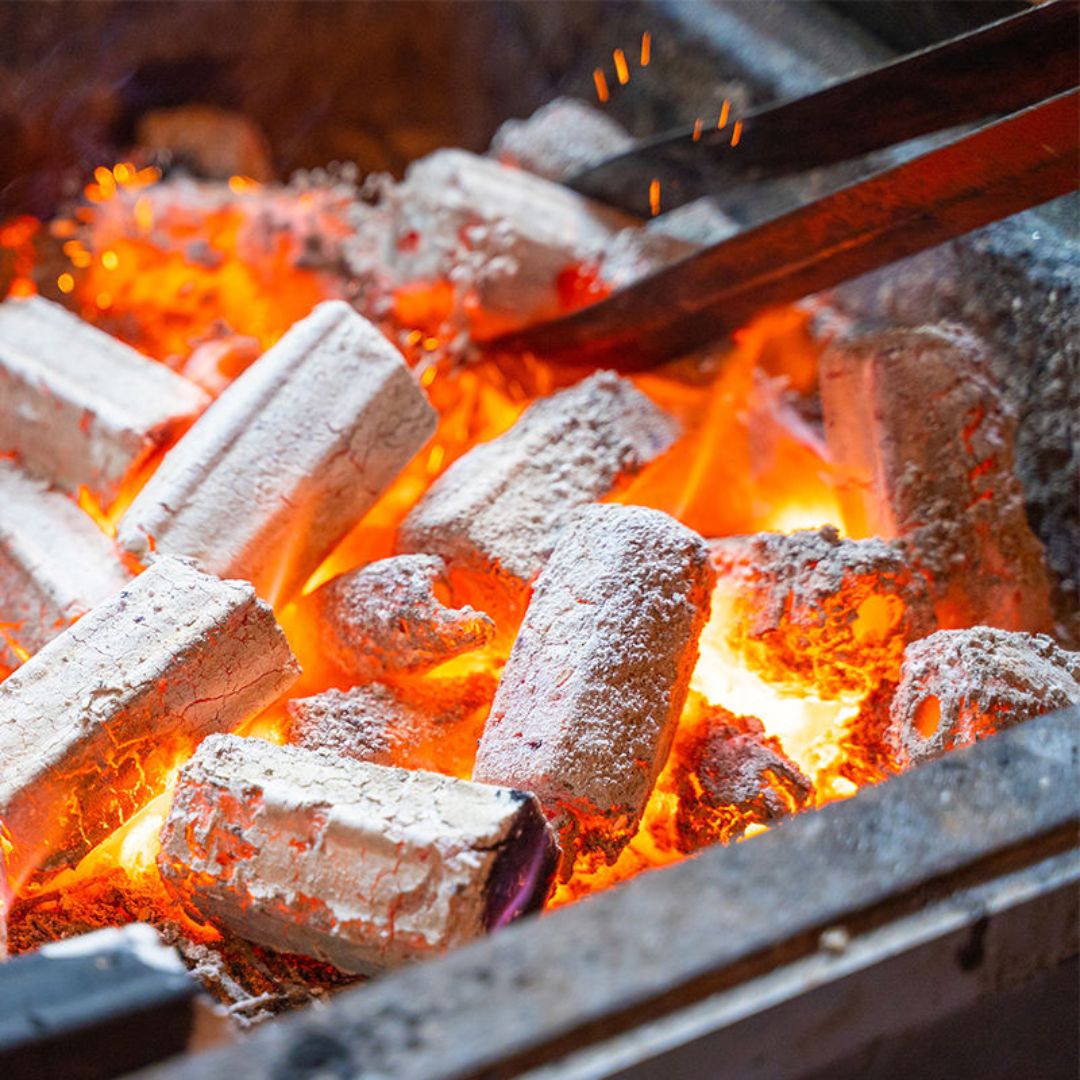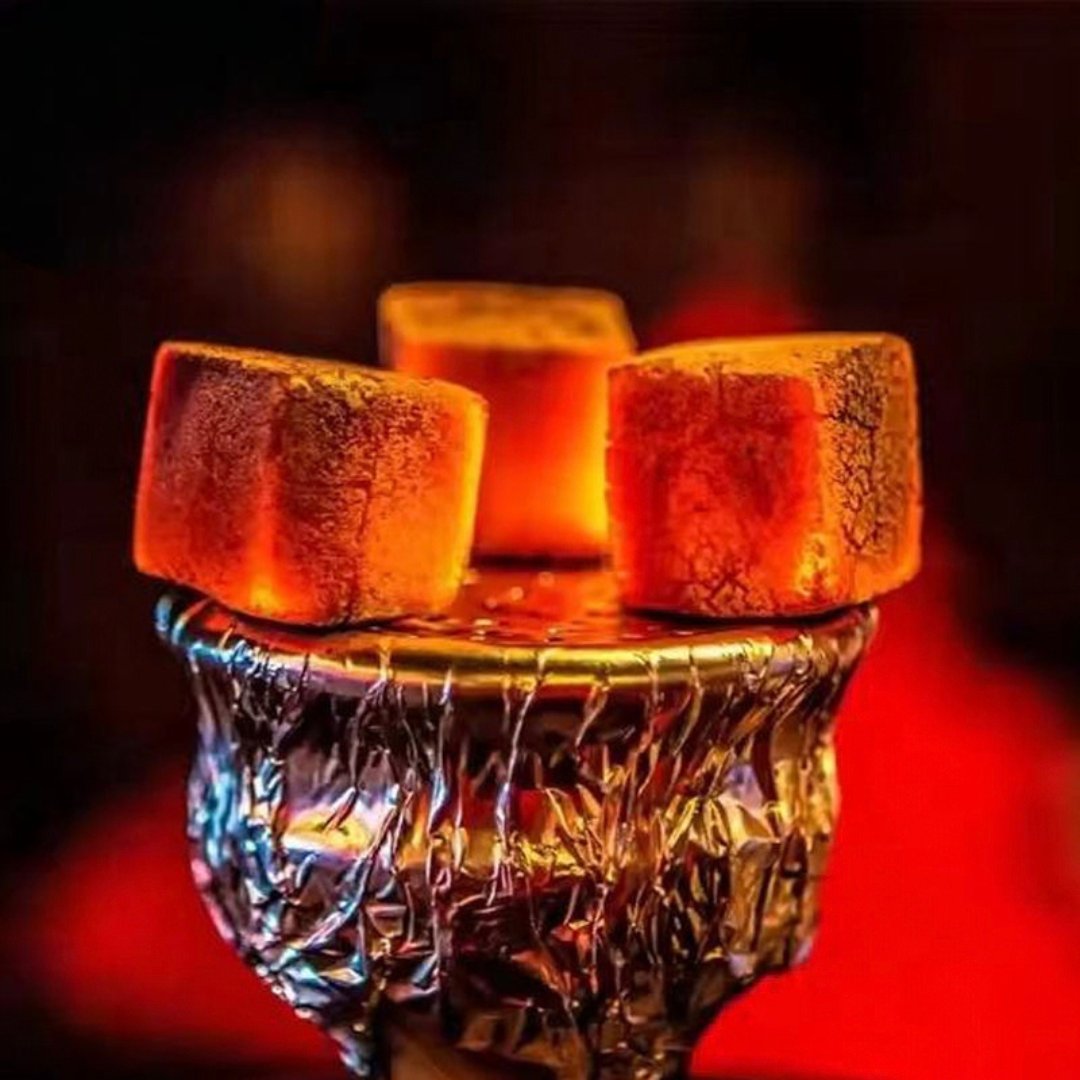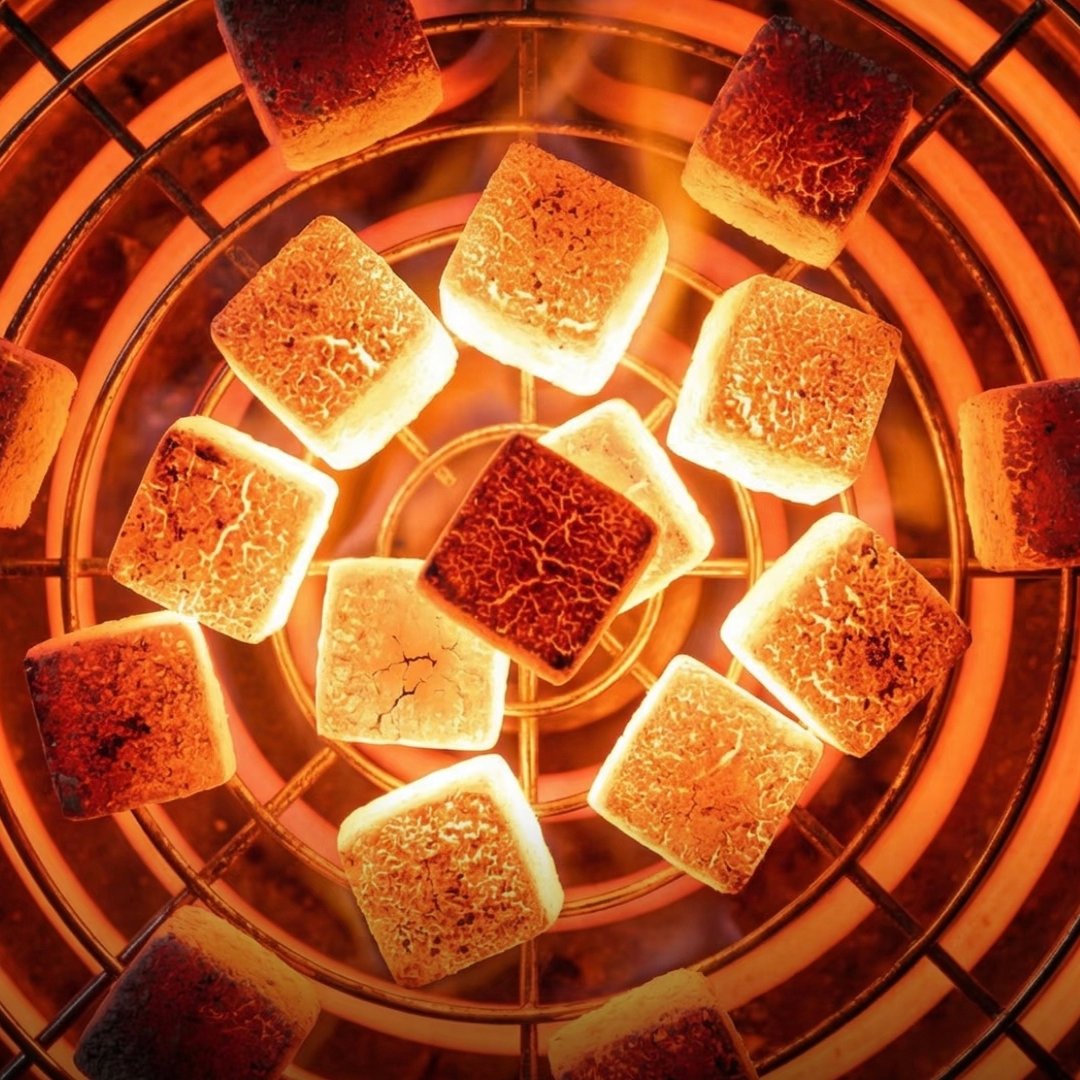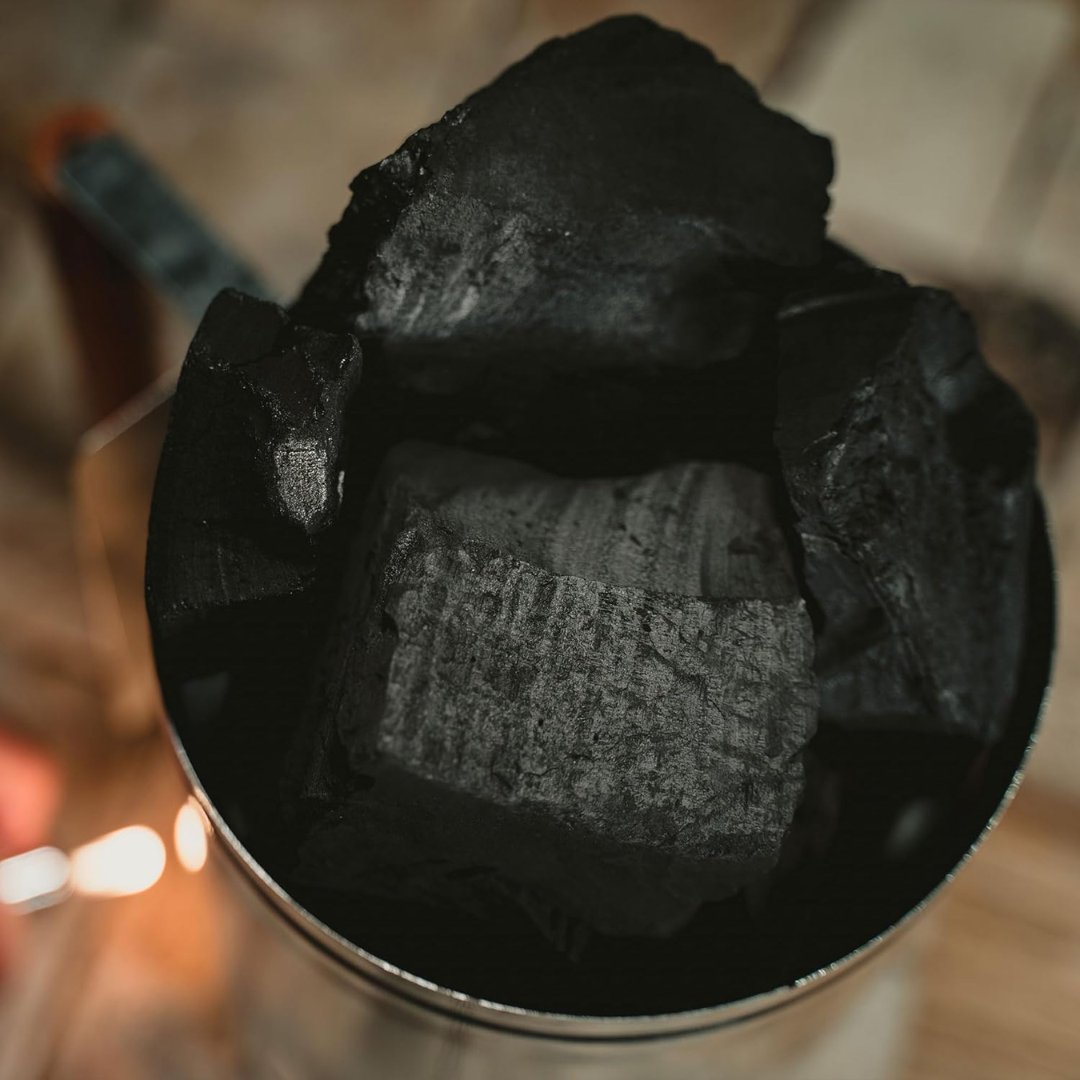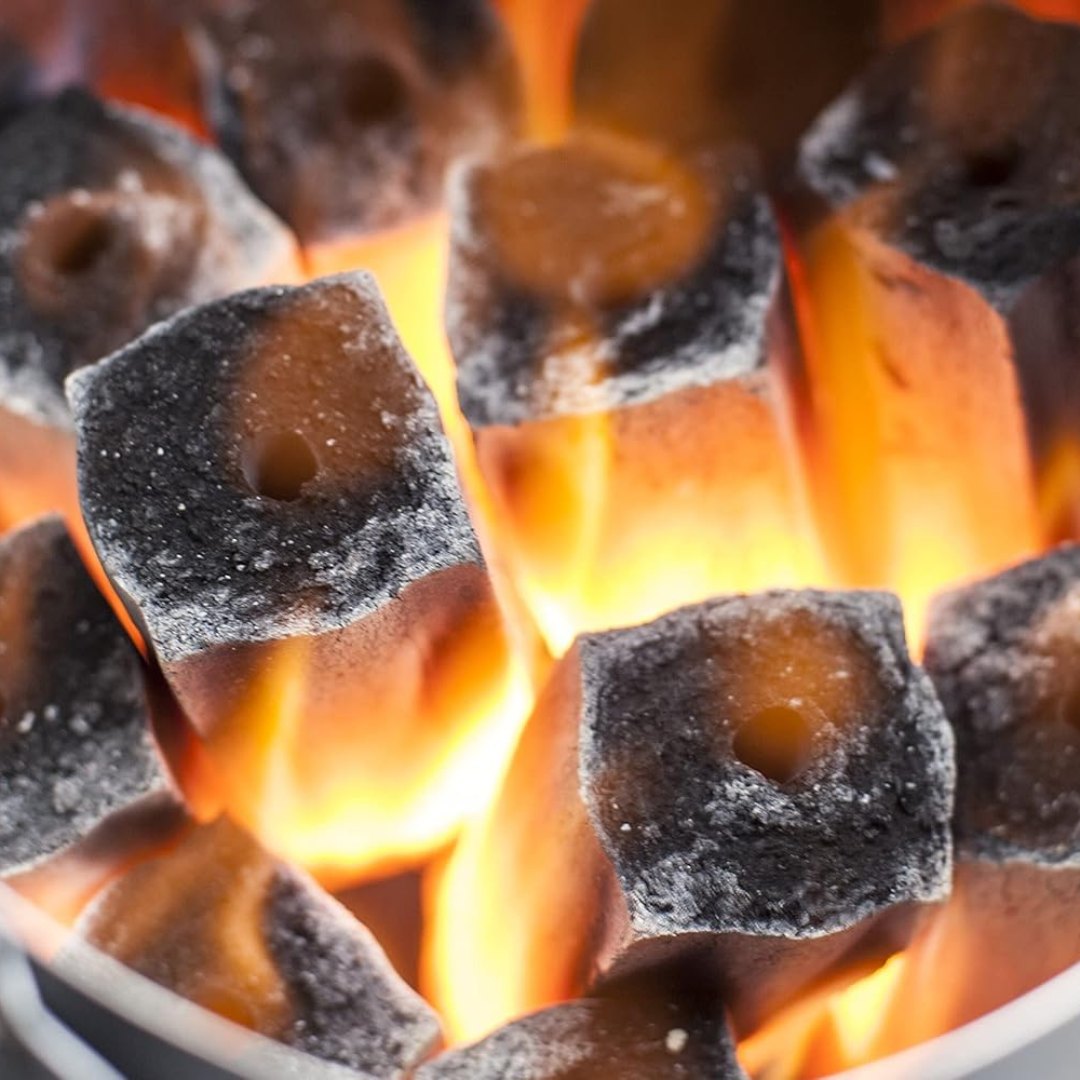


Shisha Lounge Supply Guide: Natural coconut shell charcoal is the standard fuel for serious shisha lounge operations, chosen over quick-light and pistachio/wood alternatives because it preserves flavor purity and maximizes session length, both of which affect table turnover and customer retention directly. But fuel choice is only half the operational picture. Ventilation, burner station handling, and disposal protocols carry real legal exposure for an indoor business burning charcoal continuously; this isn’t a “nice to have”; it’s what keeps a lounge open after an inspection.
Here’s what operators actually need to get right across sourcing, burn management, and safety compliance.
Table of Contents
Charcoal types: how they actually compare for lounge operations
| Natural coconut | Pistachio/wood | Quick-light | |
| Core material | Compressed coconut shells | Carbonized wood or pistachio shells | Wood base treated with sulfur/potassium nitrate |
| Ignition time | 8-15 minutes, requires electric coil or gas burner | 8-12 minutes, requires burner | 30-60 seconds, torch or lighter |
| Operational fit | Industry standard, low maintenance | Niche or regional alternative, works for traditional setups | Not recommended for lounge use |
| Flavor impact | Completely neutral, preserves the tobacco’s flavor profile | Mostly neutral, can carry a mild earthy note | Chemical or metallic, alters the smoke’s taste |
Quick-light charcoal is worth calling out specifically as something to avoid in a lounge setting despite its convenience. It releases volatile chemical aromas during ignition and leaves a heavier, flaky ash that shows up on the table, both details discerning guests notice and associate with a lower-quality operation.
Burn time and heat management
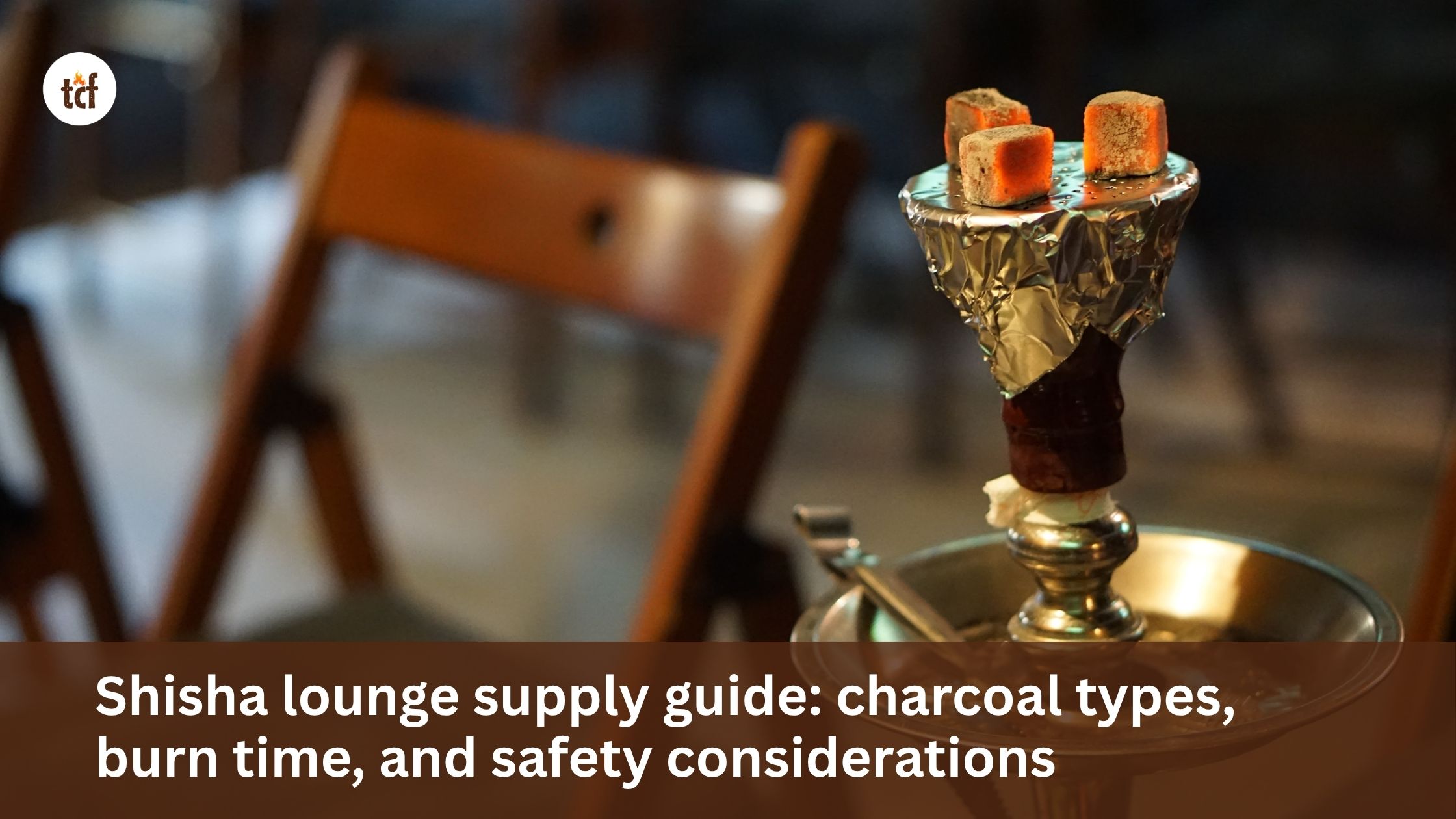
High-grade natural coconut cubes, commonly in 25mm or 26mm sizes, typically last 75 to 120 minutes per piece, enough to cover a standard guest session without frequent, labor-heavy coal changes.
Two specs matter most when sourcing in bulk:
- Fixed carbon: prioritize product specifying 75 to 85%+ fixed carbon. Higher fixed carbon translates directly to a longer, more efficient burn and fewer table touchpoints for staff during a shift. Our charcoal grades guide covers how this figure is measured and what separates A-grade from lower grades specifically for shisha use.
- Ash content: target below 3%. Low ash prevents airflow blockage in heat management devices and cuts down on fine dust landing on lounge furniture or drifting toward guests.
For a fuller comparison of burn performance across coconut, bamboo, and quick-light charcoal specifically, our shisha charcoal burn time and heat comparison breaks the numbers down side by side.
Ventilation and carbon monoxide: the compliance issue that actually closes lounges
Because hookah lounges burn charcoal continuously indoors, they draw real scrutiny from fire departments and health boards, and this isn’t hypothetical risk. In 2022, Winnipeg’s Fire Paramedic Service confirmed, through its own records, that it had ventilated 2 downtown hookah lounges after measuring carbon monoxide readings of 55 and 86 parts per million, both above the threshold where US federal workplace safety standards require action.
For reference, OSHA’s permissible exposure limit (PEL) for CO is 50 ppm averaged over 8 hours, with NIOSH recommending a stricter 35 ppm time-weighted limit and a 200 ppm ceiling that should never be exceeded even briefly. A lounge running anywhere near these numbers on a normal night, not just during an isolated incident, has a ventilation system that isn’t doing its job.
What this means operationally:
- Install a dedicated commercial exhaust system rated for continuous CO output. Standard restaurant HVAC is rarely sufficient for continuous indoor combustion at lounge volume.
- Mount commercial-grade CO detectors throughout the floor and kitchen, wired into the building’s emergency alarm system, not standalone units that only alert staff physically nearby.
Also read – BBQ charcoal vs. briquettes
Burner station safety
- Use industrial-rated equipment: dedicated 1000W+ electric coil burners or heavy-duty gas infrared ranges built for commercial shisha operations, not consumer-grade equivalents.
- Train staff on coal spacing: placing coals tightly together creates a heat vortex for faster, more even lighting, but leave a buffer zone around the edge of the burner plate to prevent coals rolling off during service.
- Enforce a “no black spots” rule before serving: coals should be fully glowing and flipped, with a light gray ash coating, before they reach a table. Serving a partially lit coal accelerates toxic CO off-gassing directly into the guest’s hose; this is a direct safety issue, not just a quality one.
Safe handling and disposal
- No customer contact with coals, ever. House rules should explicitly forbid guests from adjusting or touching coals themselves. All heat management should go through staff using heavy-duty, long metal tongs.
- Transport lit coals in covered, wind-shielded metal carriers. Never carry an individual lit coal openly across a busy floor.
- Quench every spent coal fully at close. A water-filled metal or stainless bin for end-of-night disposal is the only reliable way to eliminate the risk of a smoldering coal causing a trash bin fire after the lounge is closed and unstaffed.
Storage: the detail that’s easy to overlook
Raw coconut shell charcoal absorbs ambient humidity readily. Store wholesale bulk pallets in dry, elevated storage, away from high-moisture prep kitchen areas. Damp charcoal doesn’t just burn poorly; it sparks more aggressively when lit, which is a real hazard for whichever staff member is handling ignition.
Sourcing for lounge operations
For current bulk coconut shell and bamboo shisha charcoal specs, sizing, and private label options for lounge house brands, our wholesale hookah charcoal page has the full product range available for quote.
This article is for general informational purposes and isn’t legal or safety compliance advice. Fire, health, and ventilation regulations vary by jurisdiction; confirm current local requirements with your fire marshal and health authority before finalizing lounge operating procedures.
Frequently asked questions
What’s the industry-standard charcoal for a shisha lounge?
Natural coconut shell charcoal, chosen for its neutral flavor impact, low ash, and long, steady burn compared to quick-light or pistachio/wood alternatives. It requires a coil or gas burner to ignite, unlike quick-light, but the trade-off is a cleaner, more consistent session.
How long does premium shisha charcoal actually burn?
High-grade coconut cubes at 25mm or 26mm typically last 75 to 120 minutes, enough to cover most guest sessions without frequent coal replacement.
What CO level should trigger concern in a lounge?
OSHA’s workplace exposure limit is 50 ppm over 8 hours, and NIOSH recommends staying under 35 ppm as a stricter safety margin. A real-world case in Winnipeg saw lounges ventilated by fire crews after readings of 55 and 86 ppm, well above safe operating levels, underscoring that this isn’t a theoretical risk.
Why is quick-light charcoal discouraged in lounge settings?
Its chemical accelerant produces off-flavors and a noticeable chemical smell during ignition, and it leaves heavier, flakier ash than natural charcoal, both of which discerning guests notice and associate with lower quality.
What ash content should bulk shisha charcoal buyers look for?
Below 3%. Higher ash content causes airflow blockage in heat management devices and creates more fine dust landing on furniture and near guests, a real issue at commercial table volume.