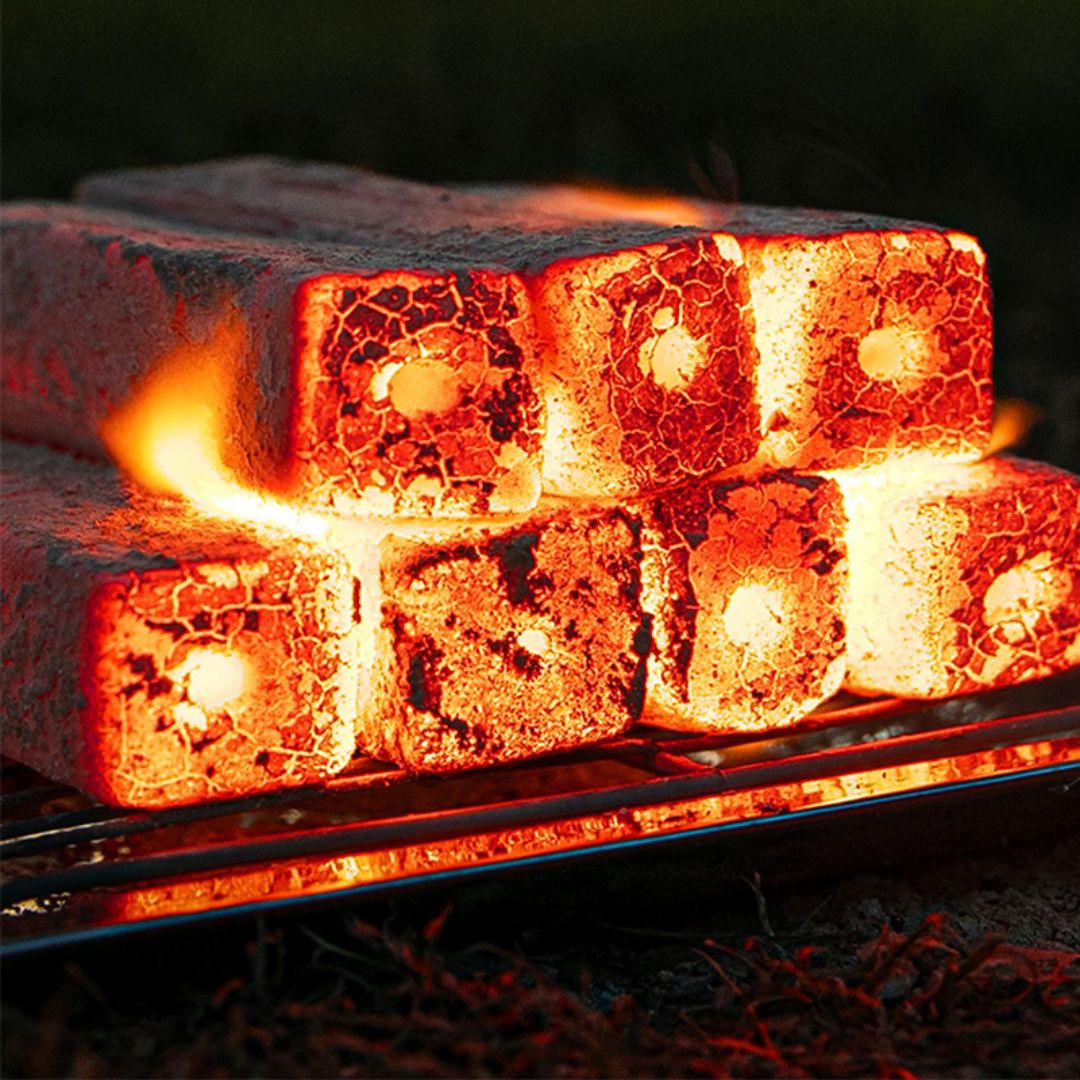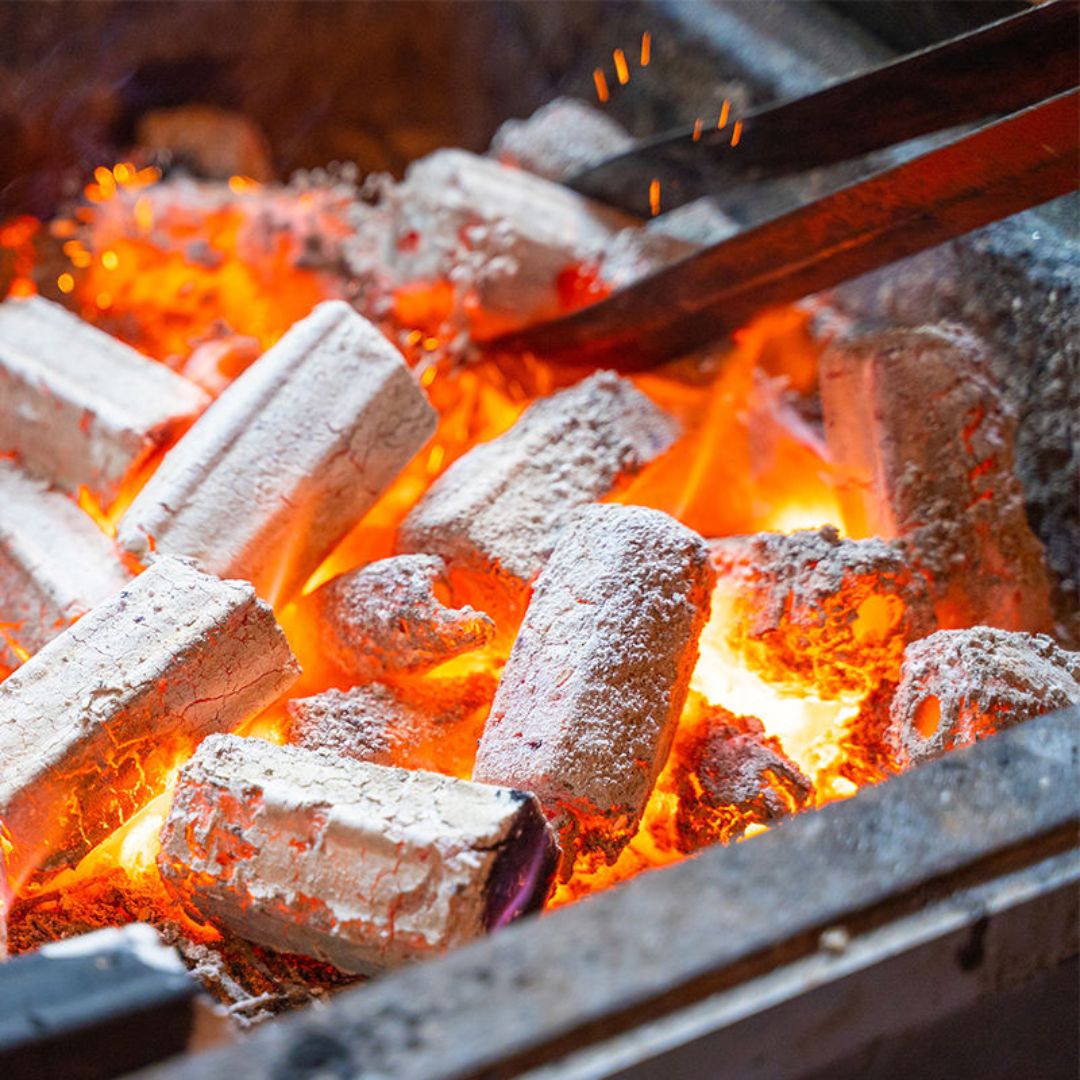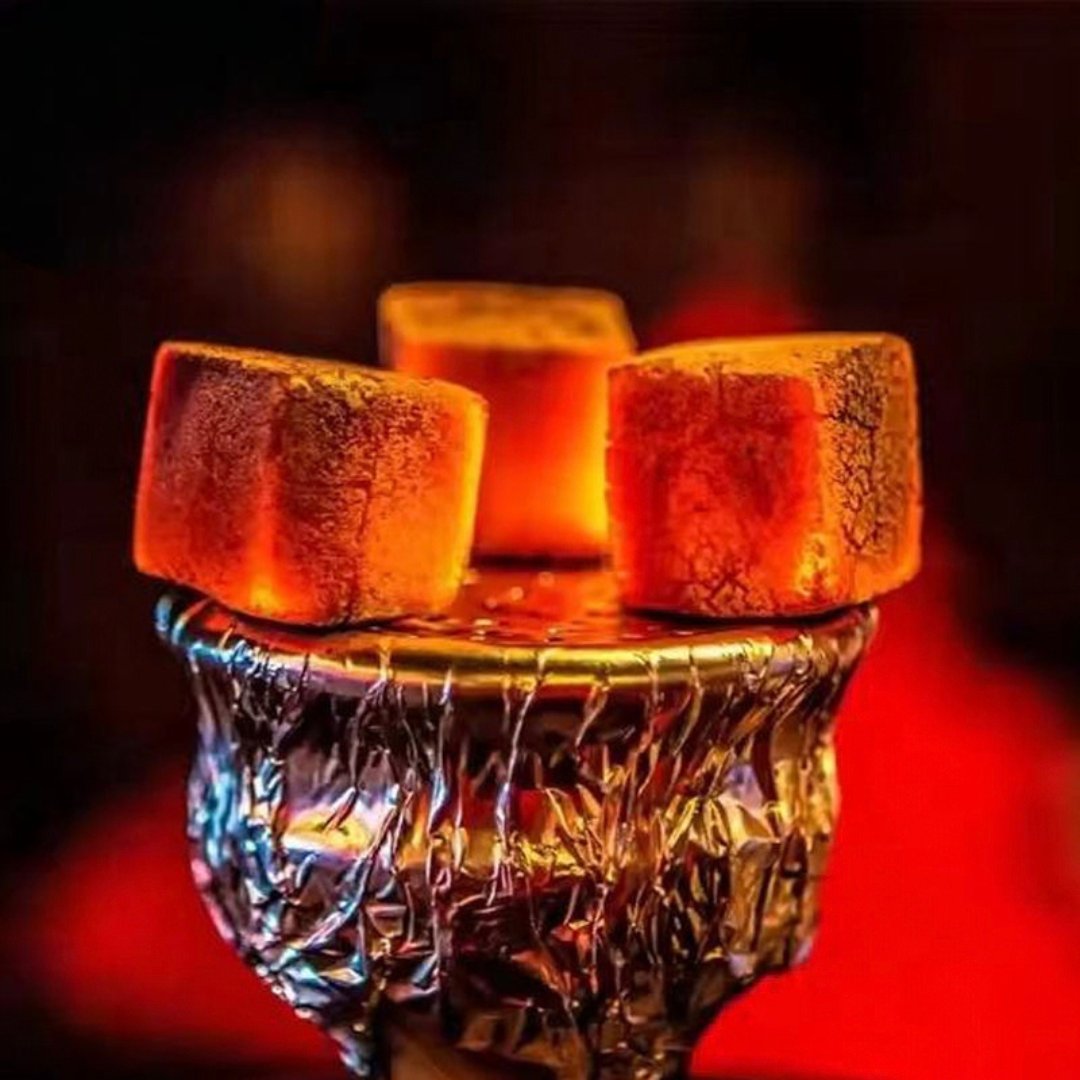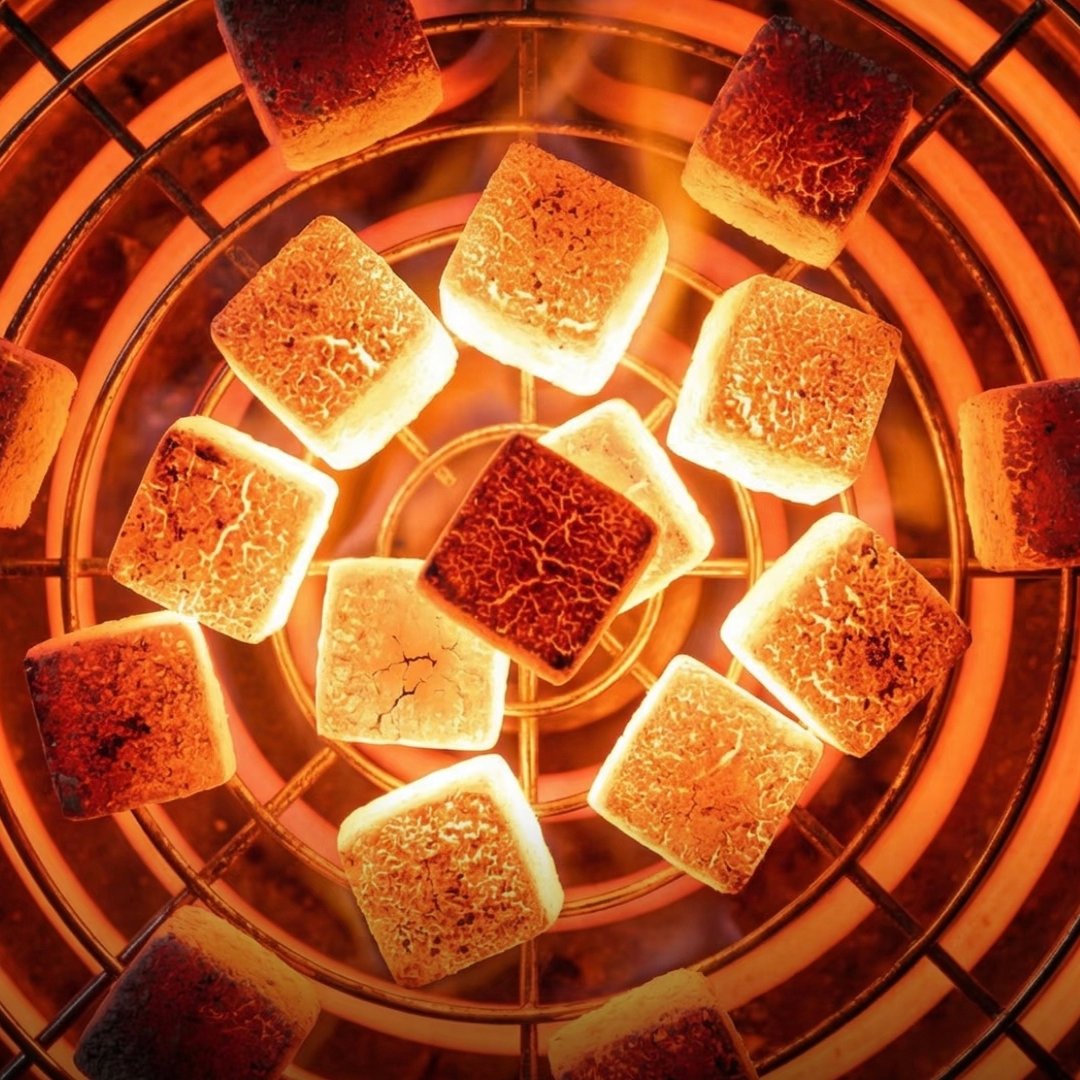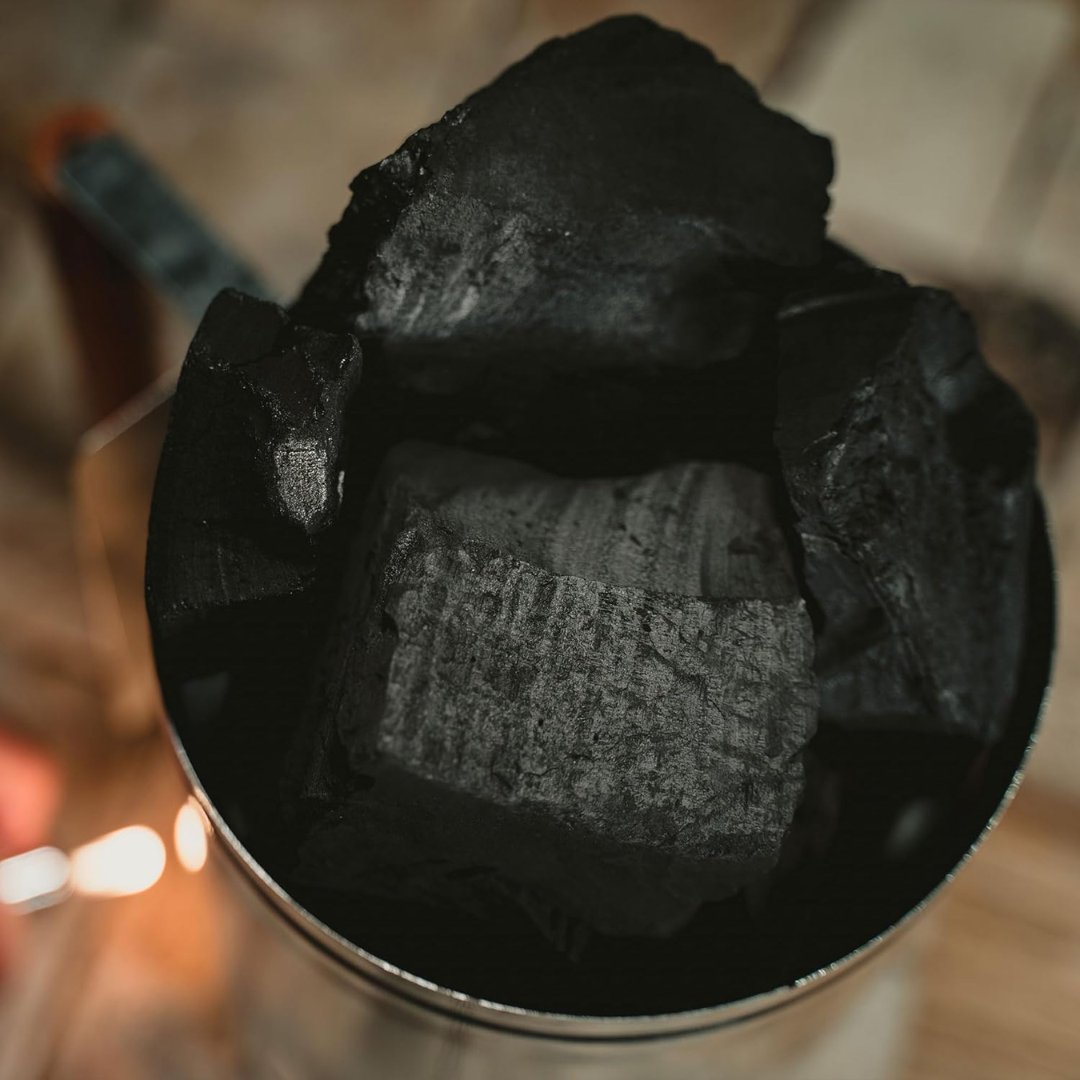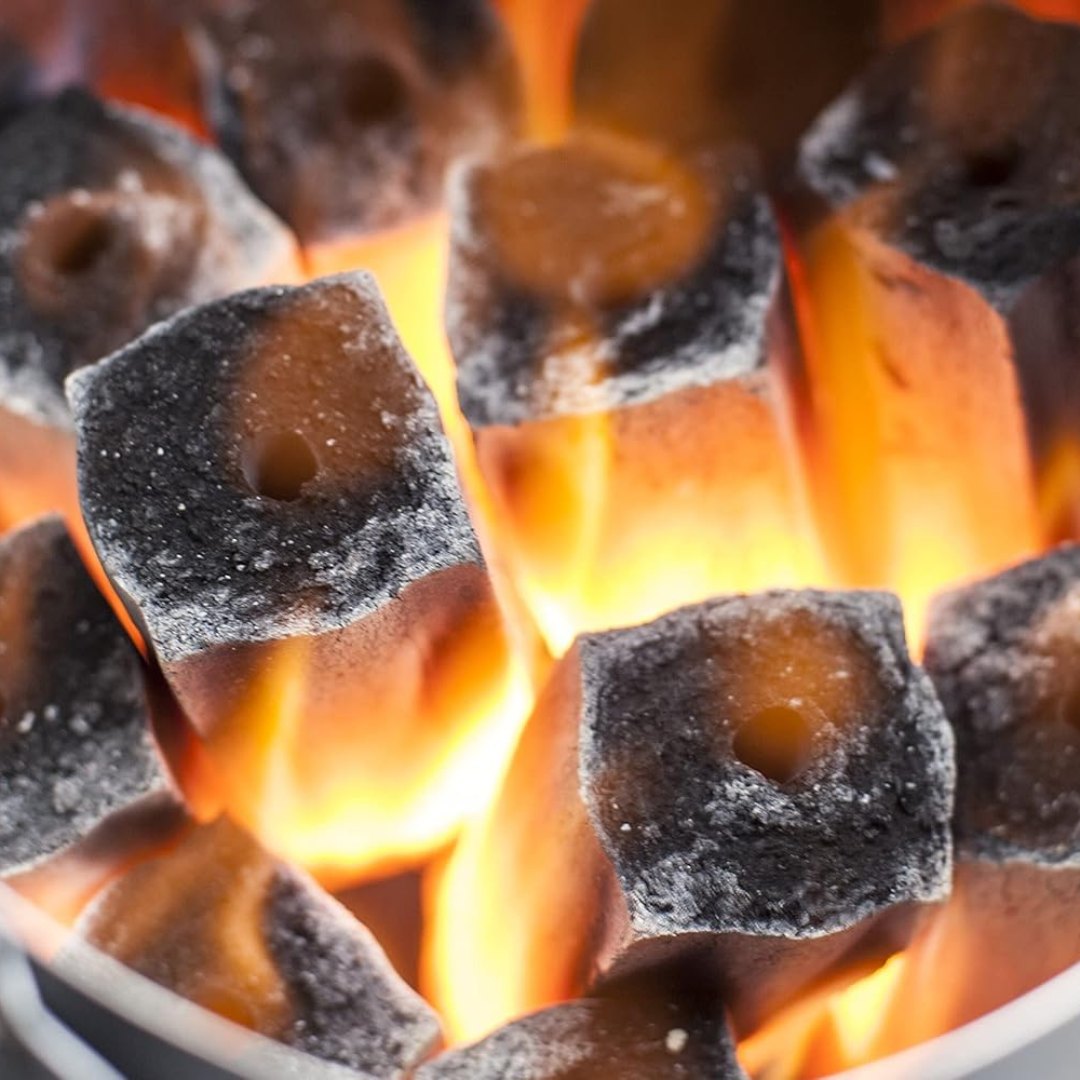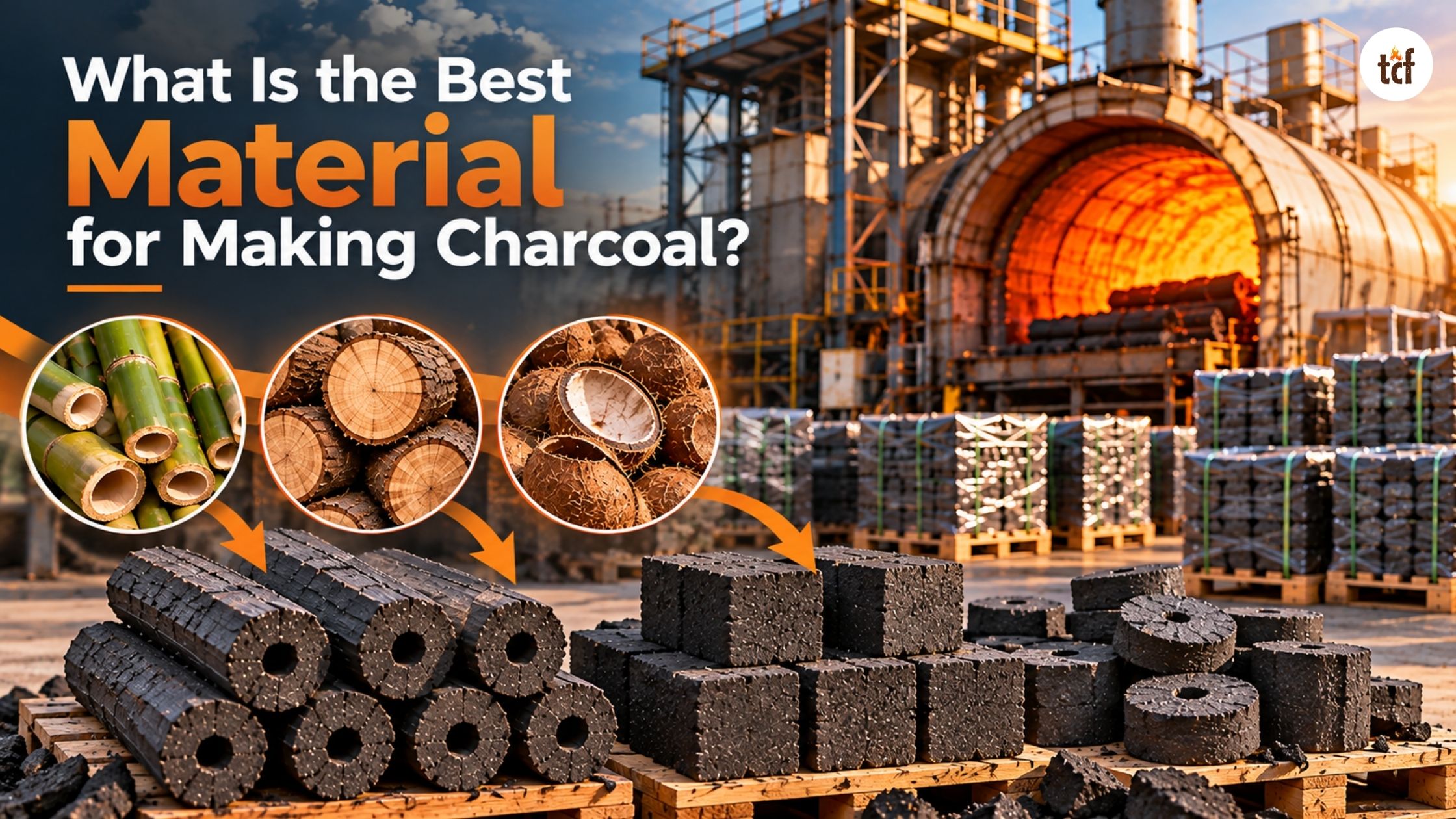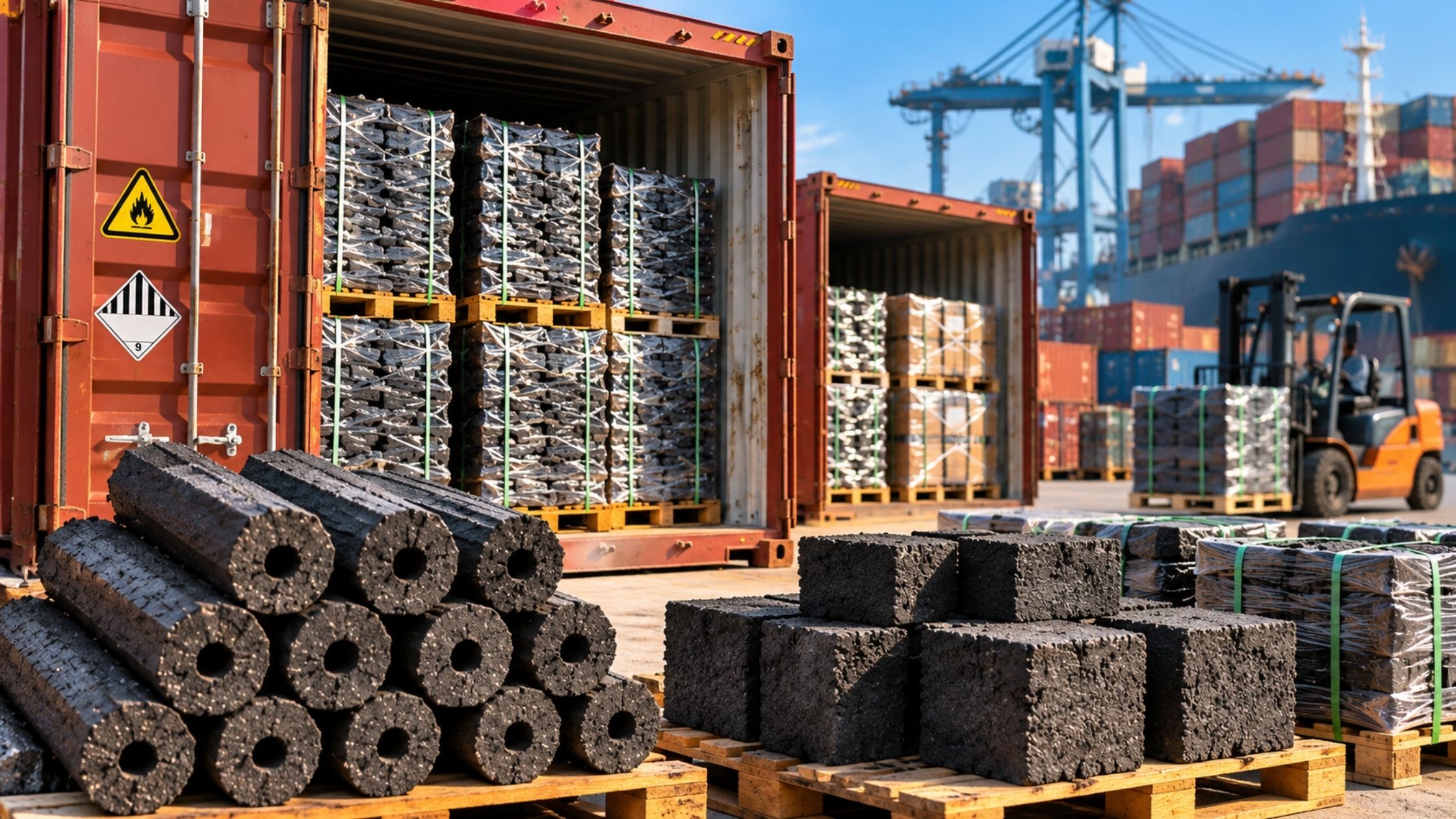



Wholesale bamboo shisha charcoal: Premium bamboo shisha charcoal should carry fixed carbon of 78 to 80% or higher, ash content of 3% or lower, and a minimum burn time of 45 to 60 minutes per piece, with high-grade bamboo commonly reaching 60 to 90 minutes. Beyond the numbers, what actually separates good shisha charcoal from mediocre charcoal is what’s not in it, no chemical accelerant, no binder, no additive.
Here’s what to check across grade, format, and sizing before placing a wholesale hookah charcoal order.
Table of Contents
What makes bamboo charcoal good for shisha?
Four things: heat retention, odor, ash, and burn time. Bamboo charcoal’s high fixed carbon content delivers sustained heat retention throughout a session. It produces minimal odor and smoke, critical since any smell interferes directly with tobacco flavor. It generates very low ash. It burns long, reducing how often a lounge or home user needs to manage coals mid-session.
A-grade bamboo charcoal should carry fixed carbon of 80% or higher and ash content of 3% or lower, both key benchmarks for premium shisha use specifically, not just general BBQ quality thresholds. Our charcoal grades guide covers how these thresholds are typically documented and verified across production runs.
Quick-light vs. natural charcoal for hookah: what’s the real difference?
Quick-light charcoal contains chemical accelerants, typically potassium nitrate, that let it ignite with a lighter in seconds. It’s convenient, but it produces a chemical taste and burns out faster than natural alternatives.
Natural charcoal requires a coil burner to ignite, taking longer to get started, but it burns longer, cleaner, and with no chemical taste. This is why natural bamboo or coconut shell charcoal is the standard choice for serious hookah lounges and home users who prioritize session quality over convenience. Our shisha charcoal burn time and heat comparison breaks down the full performance gap between quick-light, natural coconut, and bamboo side by side.
What cube sizes are standard for shisha charcoal?
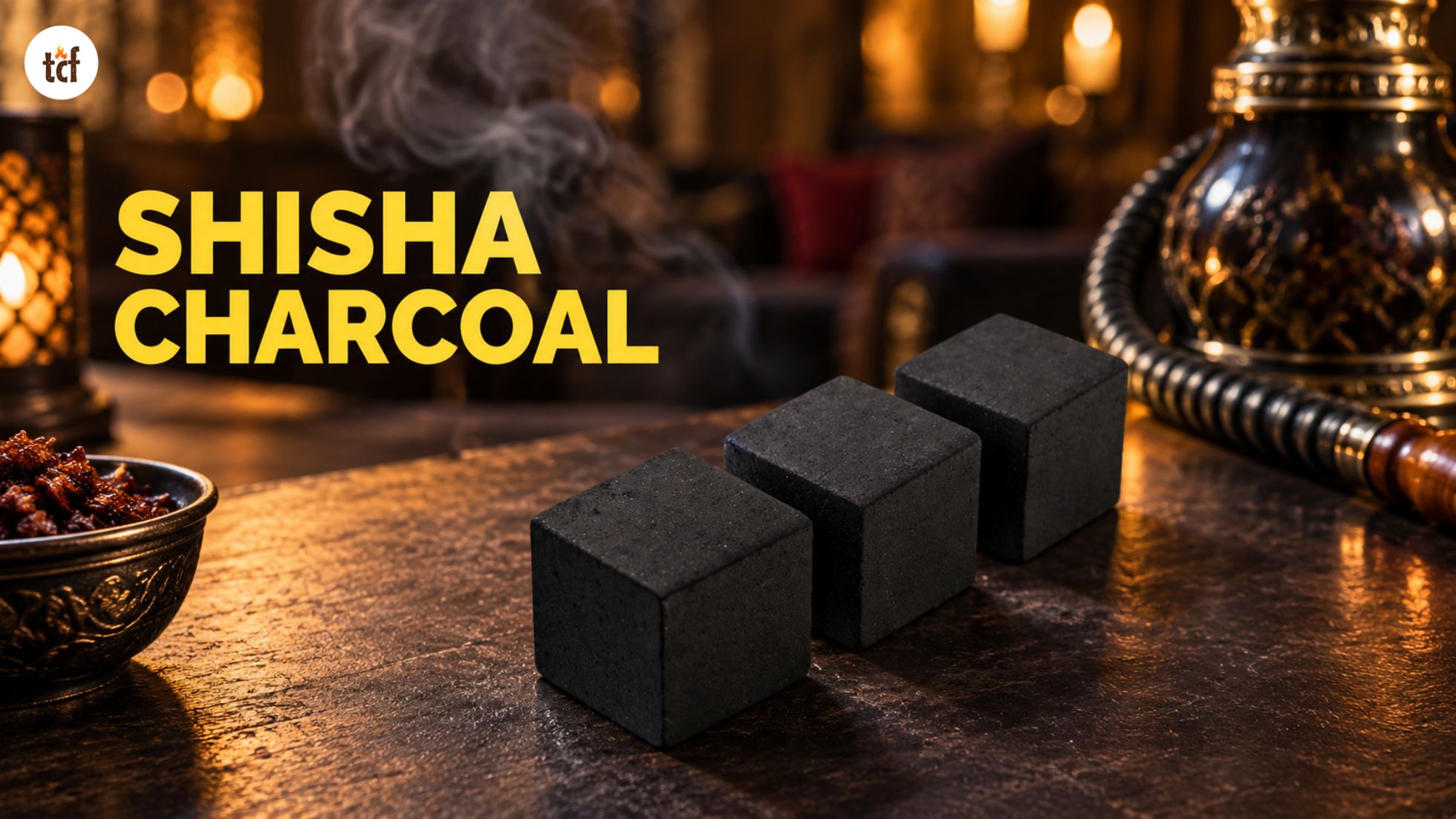
25mm and 26mm cubes are the most common dimensions used for standard shisha heads across the industry. Sizing does affect burn time directly: a 26mm cube holds noticeably more combustible mass than a 25mm cube, which translates to a longer session and, in many cases, slightly higher heat output. Industry sizing guides commonly recommend 25mm for standard bowls and heat management devices, and 26mm for larger bowls or group sessions needing extended heat.
Confirm available sizes and any custom sizing options directly with your supplier’s sales team, since exact dimensions and tolerances can be adjusted per order, particularly for private label runs.
What shapes are available for hookah charcoal?
Cube is the most popular format by far, but it’s not the only one. Common shapes across the hookah market include:
- Cubes: the industry standard, consistent heat distribution across 6 flat surfaces
- Flat rounds: maximize surface contact with the bowl for faster initial heat buildup
- Hexagonal pieces: increased surface exposure compared to cubes, which can improve airflow and combustion completeness
- Finger or stick formats: less common, used in specific regional markets or specialty applications
Custom shapes can typically be arranged for private label orders if none of the standard formats fit your brand’s positioning.
Does shisha charcoal affect the flavor of tobacco?
Yes, and this is where charcoal quality matters most to a serious buyer. Low-quality charcoal with high ash content, residual chemicals, or poor combustion will impart off-flavors into the smoke, directly undermining whatever flavor profile the tobacco itself is built around.
The fix is straightforward on paper, if not always easy to verify: source charcoal that’s pure carbonized biomass with no chemical accelerant, binder, or additive. Bamboo charcoal produced this way is naturally flavor-neutral, which is the primary requirement serious shisha buyers should be screening for, ahead of price or brand name.
What fixed carbon percentage should shisha-grade charcoal have?
A minimum of 78 to 80%. This is the top end of the market standard for hookah use specifically, higher than what’s typically required for general BBQ charcoal, since shisha charcoal needs to sustain heat over a longer, more consistent session without the peak-heat searing demands of grilling.
What’s the minimum burn time for premium shisha charcoal?
Premium natural bamboo shisha charcoal should burn for a minimum of 45 to 60 minutes per piece under standard hookah use. High-grade bamboo charcoal at 80%+ fixed carbon typically achieves 60 to 90 minutes, which matters directly for commercial hookah lounge operations, where staff time spent managing and replacing coals is a real, recurring operational cost.
This tracks with what’s reported across the broader industry: comparable premium coconut and bamboo shisha charcoal products commonly cite burn times in the 60 to 130 minute range depending on cube size and smoking conditions, consistent with the general pattern that larger, denser, higher-fixed-carbon cubes burn measurably longer.
Can shisha charcoal be private labeled for hookah lounge brands?
Yes. Private label service typically covers your brand, your artwork, with the manufacturer handling production, packaging, and export. This extends to shisha charcoal specifically, packaged for hookah lounge house brands, regional distributors, or retail products, in any language or design your target market requires.
Our private label charcoal packaging guide covers the typical MOQ, lead time, and process for a custom-branded shisha charcoal run specifically, and our broader look at bamboo vs. wood vs. coconut charcoal by market covers why bamboo in particular has become the material of choice for premium hookah lounges chasing the lowest achievable ash spec.
Sourcing wholesale shisha charcoal
For current bamboo and coconut shell shisha charcoal specs, sizing, and pricing, our wholesale hookah charcoal page has the full product range available for quote.
Quick spec reference
| Spec | Standard | Premium (A-Grade Bamboo) |
| Fixed carbon | 72-78% | ≥80% |
| Ash content | 5%+ | ≤3% |
| Burn time per piece | 45-60 min | 60-90 min |
| Common cube sizes | 25mm | 25mm, 26mm |
| Ignition method | Coil burner (natural) or lighter (quick-light) | Coil burner |
Frequently asked questions
Is bamboo or coconut shell charcoal better for shisha?
Both perform well at premium grade. Bamboo tends to achieve the lowest ash content available (3% or under at A-grade), which is why premium lounges chasing the cleanest possible spec increasingly favor it, though coconut shell remains the broader market default in many regions.
Why does quick-light charcoal taste different from natural charcoal?
The chemical accelerant, typically potassium nitrate, used to enable instant lighter ignition can carry through into the smoke, particularly noticeable in the first several minutes of a session before it fully burns off. Natural charcoal avoids this entirely since it contains no accelerant.
What size shisha charcoal should I buy for a commercial lounge?
26mm cubes are generally better suited to commercial use and group sessions, since the larger mass extends burn time and reduces how often staff need to manage coal changes during service. 25mm is the more common choice for standard single-bowl sessions.
Does higher fixed carbon always mean better shisha charcoal?
Generally yes for heat and burn performance, but it should be considered alongside ash content and composition. A charcoal with high fixed carbon but chemical additives can still produce off-flavors, fixed carbon alone doesn’t guarantee flavor neutrality.