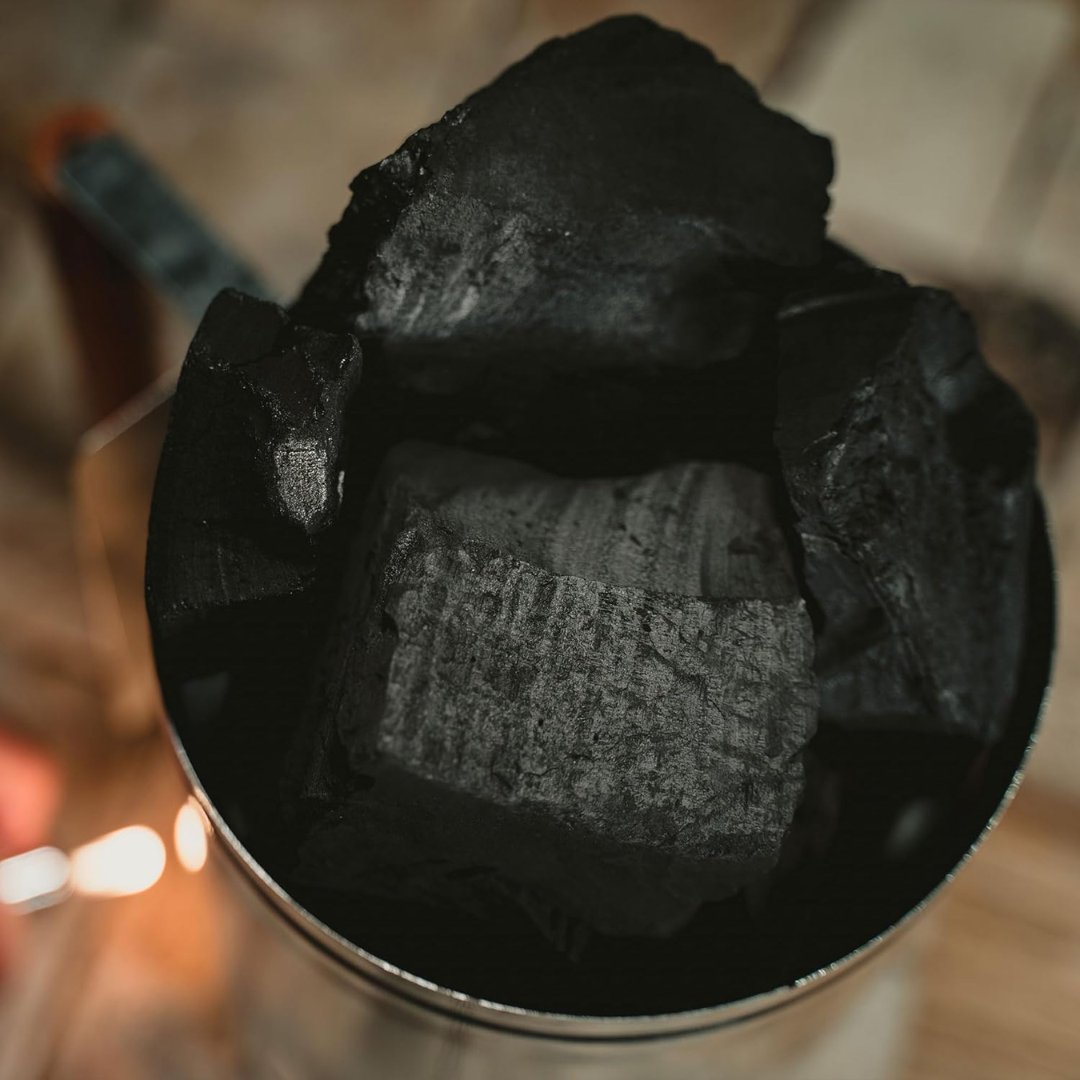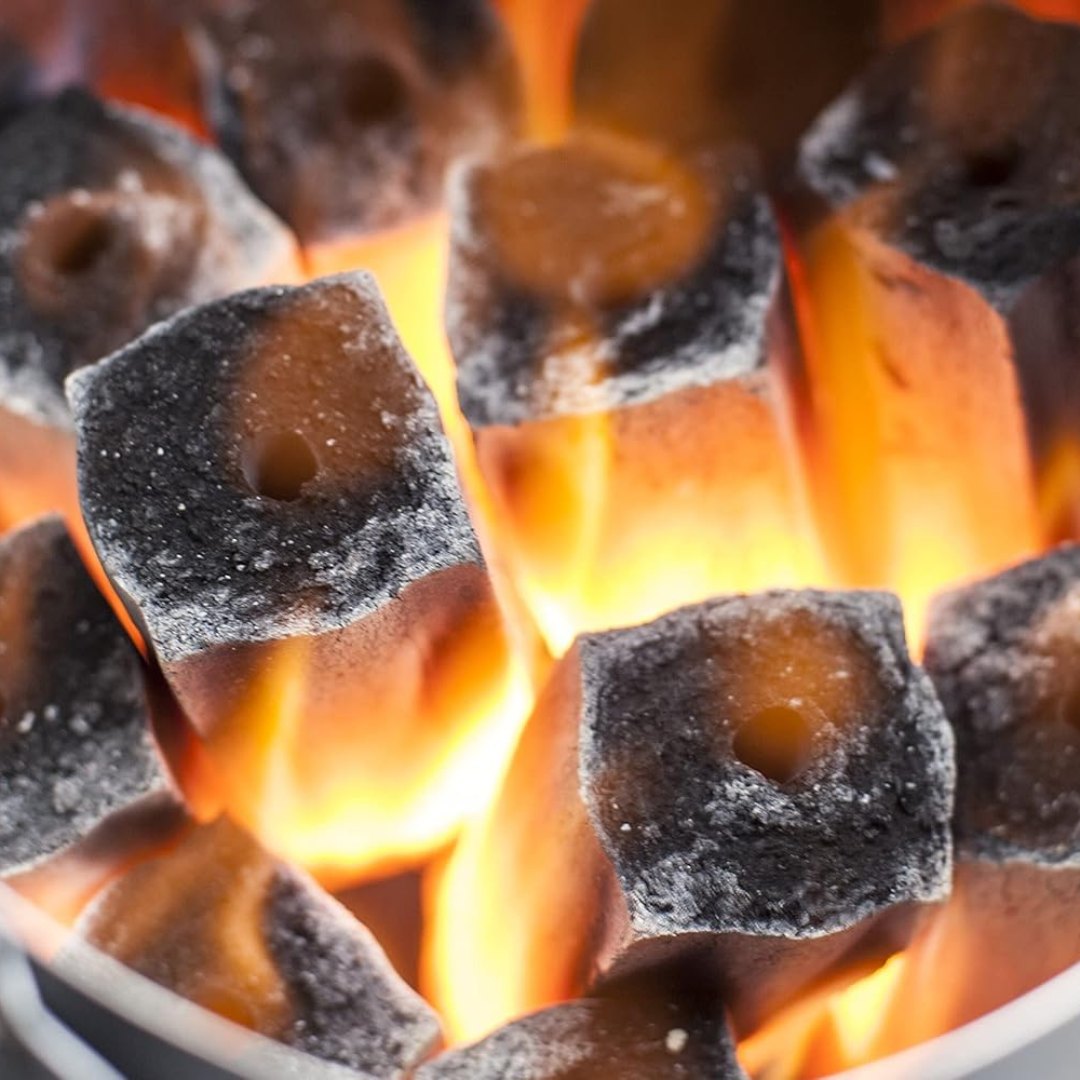



Can You Reuse Charcoal? Yes, you can absolutely reuse charcoal. Whether you’re working with lump charcoal or briquettes, leftover charcoal that hasn’t fully burned to ash still has usable fuel in it. Reusing charcoal saves money, reduces waste, and, when done correctly, has zero negative impact on the flavor of your food. The key is knowing which pieces to save, how to store them properly, and how to relight them efficiently on your next cook.
Table of Contents
Why Most Grillers Throw Away Money After Every Cook
If you grill regularly with charcoal, here’s a scenario you’ve probably lived: You pour in a full chimney of charcoal, cook a couple of steaks, and then let the rest burn out. You dump the ash the next morning without a second thought.
That’s wasted money sitting at the bottom of your grill.
Premium hardwood lump charcoal now costs anywhere from $20 to $35 per bag in 2026, and it’s not uncommon to use only half a bag per session. When you close your vents after cooking and save those leftover pieces, you’re keeping real fuel for next time — fuel you’ve already paid for.
Can you reuse charcoal in a grill? Experienced grillers and BBQ pitmasters almost universally reuse charcoal. It’s not a compromise. It’s just smart grilling.
Lump Charcoal vs. Briquettes: Which Reuses Better?
Before diving into the steps, it’s important to know that not all charcoal reuses equally well.
Lump Charcoal — The Better Candidate for Reuse
Lump charcoal is made from natural hardwood and burns cleaner. Because it’s a more natural product without binders or additives, it holds its structure better after a burn. Many experienced grillers reuse lump charcoal on almost every single cook. It relights quickly and, when mixed with fresh pieces, delivers nearly identical heat to a fresh load.
Verdict: Lump charcoal can realistically be reused 2 to 3 times before it becomes too small or fragile to be practical.
Also read – Lump charcoal vs Briquettes
Briquettes — Reusable, But With Caveats
Briquettes are made from compressed charcoal dust and often contain binders and additives. After a burn session, they tend to break down into smaller pieces faster than lump charcoal. They also absorb moisture more readily, which can make relighting harder.
That said, you can still reuse briquettes — especially for low-and-slow smoking where extreme heat isn’t required. The best strategy is to mix used briquettes with fresh ones to maintain consistent airflow and temperature.
Verdict: Briquettes are best reused once, mixed with fresh charcoal, and are more suited to low-heat cooks the second time around.
Quick Rule of Thumb: If the piece is still solid black and doesn’t crumble when squeezed, it’s worth saving. If it turns to white dust, it’s done.
Also read – types of charcoal
Step-by-Step: How to Reuse Charcoal the Right Way
Step 1: Shut Your Vents Immediately After Cooking
The moment you take your food off the grill, close all top and bottom vents completely. This cuts off oxygen and smothers the fire, stopping the charcoal from burning down further. The more charcoal you preserve now, the more you have to work with next time.
Never move hot charcoal to another container. A new container becomes a new fire, and a serious safety hazard.
Step 2: Let It Cool for a Full 24 Hours
Leave your grill undisturbed with the lid closed. Give the coals a full 24 hours to cool completely before handling. Rushing this step is dangerous.
Step 3: Separate the Good Pieces from the Ash
Using a metal scoop or utensil, gently move the charcoal around. The small, fine pieces and ash will fall through the bottom grate — let them. What remains on the grate are the pieces worth saving.
Pro tip: A kick ash basket makes this process even easier. It lets you lift and shake charcoal directly, sifting out the fine ash while keeping the reusable chunks.
Give the solid pieces a gentle squeeze test:
- Holds firm → Keep it. It still has fuel.
- Crumbles into white dust → Discard. It’s spent ash.
Step 4: Store It Dry (This Is Critical)
Moisture is the enemy of reused charcoal. Store your saved pieces in:
- A metal container with a tight-fitting lid (best option)
- A heavy-duty airtight plastic bin in a cool, dry location
- Or simply leave them in the grill with the lid secured, if you plan to grill again within a few days
Never store wet charcoal. If your charcoal got rained on, spread it out in the sun for 1–2 days to dry completely before storing.
Step 5: Load Your Chimney Starter Using the Sandwich Method
When it’s time for your next cook, grab your charcoal chimney starter and use this technique:
- Add a layer of fresh charcoal to the bottom of the chimney
- Add your saved used charcoal on top (use a scoop to load it)
- If there’s space remaining, add a few more fresh pieces on top
This “sandwich” method ensures reliable airflow around the older, denser pieces and helps everything light evenly.
Why does this work? Fresh charcoal creates the gaps and spacing needed for good oxygen flow. Used pieces are smaller and sit closer together, restricting airflow; the fresh charcoal compensates for that.
Step 6: Light It Up as Normal
Place your lighter cubes or crumpled newspaper under the chimney starter, light it, and wait. One thing to expect: the charcoal level in the chimney will sit slightly lower than with a full load of fresh charcoal. That’s normal the used pieces are smaller. Adjust your expectations and add fresh charcoal as needed to compensate.
Once your coals are ashed over and glowing, pour them into the grill and cook as usual.
Also read – Best charcoal for cooking
How Many Times Can You Reuse Charcoal?
| Charcoal Type | Recommended Reuses | Best Use Case for Reuse |
| Lump Charcoal | 2–3 times | Grilling, searing, any cook |
| Charcoal Briquettes | 1 time | Low-and-slow smoking |
| Briquettes (mixed with fresh) | 1–2 times | General grilling |
After 2–3 reuse cycles, even lump charcoal will have broken down enough that temperature control becomes inconsistent. At that point, discard it.
When Should You NOT Reuse Charcoal?
Not every leftover piece is worth saving. Here are situations where you should skip the reuse:
1. After a High-Fat Cook (Grease-Soaked Charcoal)
If you’ve been cooking fatty meats like ribs or pork belly, grease drips onto the charcoal bed. Grease-soaked charcoal burns dirty, produces unpleasant smoke, and can impart off-flavors to your food. Discard it.
2. Waterlogged Charcoal
If charcoal got soaked in rain or was doused with water to extinguish a fire, it can sometimes be dried and reused — but only if spread in direct sunlight for 2+ days. Even then, moisture can remain trapped in the center. It often isn’t worth the hassle.
3. Charcoal That’s Already Pure Ash
White, chalky ash has zero combustible material left. Sifting it out carefully before storing saves you from loading dead material into your chimney.
4. Very Small Fragments (Fines)
Tiny pieces restrict airflow, making clean combustion nearly impossible. They’re not worth lighting.
Also read – best charcoal to use
Does Reused Charcoal Affect Flavor?
This is one of the most common concerns, and the answer is reassuring: No, reused charcoal does not negatively affect the flavor of your food, as long as it’s dry and structurally intact.
Here’s the nuance: used charcoal doesn’t release additional smoke flavor the way fresh wood charcoal does when it first ignites. It burns cleaner, actually. Any “off flavor” people attribute to reused charcoal is almost always caused by grease residue or dirty smoke from improper combustion, not the charcoal age itself. Some say that reusing the charcoal can be the Best charcoal for smoking.
If you want smoke flavor, add fresh wood chunks regardless of whether your base charcoal is new or reused.
5 Smart Ways to Use Leftover Charcoal Beyond the Grill
Even pieces too small to reignite aren’t trash. Here’s what you can do with them:
- Add to Compost — Crushed charcoal (natural lump only, no additives) adds carbon to a compost pile and helps improve soil drainage and nutrient retention.
- Garden Soil Amendment — Indigenous Amazonian farming used charcoal (“biochar”) to enrich depleted soil. Crushed natural charcoal improves soil aeration and moisture retention.
- Odor Absorber — Place pieces in a small container in your refrigerator, trash area, or closet to absorb odors naturally.
- Keep Flower Water Fresh — Drop a small piece of natural charcoal into a vase of flowers. It helps keep the water clean and extends the life of cut flowers.
- Rust Prevention in Toolboxes — Natural charcoal absorbs moisture. Tossing a piece in a metal toolbox helps reduce humidity and slow rust formation.
Note: Many of these non-cooking uses require 100% natural charcoal without additives or binders. Standard briquettes with chemical binders are not suitable for composting or soil use.
Pro Tips From Experienced Grillers
- Always cover your grill. A quality grill cover prevents rain from soaking your leftover charcoal, making reuse straightforward every time.
- Use a chimney starter every time — not lighter fluid. Lighter fluid makes used charcoal much harder to relight and leaves a chemical taste behind.
- Keep a dedicated metal bucket or bin next to your grill specifically for saved charcoal. Makes the habit effortless.
- Kamado-style grills (like Big Green Egg or Kamado Joe) are the best grill type for charcoal reuse. Their ceramic design and tight seals preserve unburned fuel extremely well after each cook.
- Mix ratios matter. A good starting blend for a standard cook: roughly 60% fresh charcoal, 40% reused. Adjust based on how long or hot the cook will be.
The to Saving and Reusing BBQ Charcoal
Grilling is one of life’s greatest simple pleasures, but the cost of fuel can add up quickly over a busy summer. If you find yourself dumping out half-burned coals after every backyard cookout, you are burning through your wallet.
Can Charcoal Be Reused?
Yes, charcoal can absolutely be reused for future grilling sessions. Many outdoor cooks assume that once charcoal is lit, it becomes single-use waste. However, as long as the charcoal pieces retain their structural integrity and have not completely collapsed into ash, they still contain plenty of heat energy (BTUs).
Reusing your charcoal is highly cost-effective, environmentally friendly, and incredibly easy. Premium lump charcoal can typically be reused two to three times, while high-quality briquettes can usually get you one additional cook.
Can You Reuse Charcoal After Grilling?
You can successfully reuse charcoal after grilling by cutting off the oxygen supply immediately after you finish cooking. If you leave your grill vents open, the fire will consume all the remaining fuel until nothing is left but useless powder.
To save your coals for next time, follow these steps right after taking your food off the grates:
- Close all vents: Fully shut down the top and bottom dampers on your grill to stifle the fire.
- Suffocate the oxygen: Ensure the lid is sealed tightly to starve the coals of oxygen.
- Wait 24 hours: Allow the grill to cool down completely before handling any of the leftover fuel.
Once cooled, you can safely sort through the firebox. Discard pieces that are caked in thick grease, showing signs of mold, or crumbling instantly under a light squeeze. Keep the solid, dry fragments for your next backyard BBQ.
Can You Relight Charcoal?
You can easily relight old charcoal, but you should always mix it with fresh fuel for the best performance. Because pre-burned charcoal pieces are smaller, they sit closer together in the grill. Using 100% old charcoal can restrict airflow, making it difficult to achieve the high temperatures needed to properly sear a steak.
The most effective method to relight old charcoal is the Sandwich Method using a standard charcoal chimney starter:
- Base Layer: Pour a layer of fresh charcoal into the bottom of your chimney to establish strong, clean airflow.
- Middle Layer: Add your recycled, used charcoal pieces right in the center.
- Top Layer: Finish with another handful of fresh coals on top to help track when the entire batch is evenly lit.
- Ignite: Light a couple of firestarter cubes underneath the chimney.
Your recycled charcoal will actually light up faster than fresh coals because the original moisture and manufacturing binders have already been burned away!
What to Do with Old Charcoal
When dealing with old charcoal that is too small or fragile to relight, you can repurpose it around your home and garden. Never let spent ash or crumbly charcoal bits go to waste.
Here are the best ways to utilize old charcoal and ash:
- Garden Fertilizer: Pure, additive-free hardwood lump charcoal ash contains potash (potassium carbonate). Sprinkle it lightly over your soil to nourish tomatoes, peppers, and non-acid-loving plants.
- Natural Pest Deterrent: Mix one ounce of leftover wood ash with one ounce of hydrated lime in a gallon of water. Spray it around your vegetable garden perimeter to fend off beetles and outdoor pests.
- Home Odor Absorber: Place solid chunks of old, unburned charcoal inside a breathable cloth pouch or mesh bag. Toss it into your refrigerator, musty basement, or gym shoes to naturally neutralize bad odors.
- Safe Disposal: If you must throw it out, wait 48 hours for it to cool entirely, wrap it tightly in heavy-duty aluminum foil, and place it inside an outdoor trash bin.
The Bottom Line
How many times can you reuse charcoal? Reusing charcoal is one of the simplest, most practical habits you can build as a griller, with premium lump charcoal running $25–$35 a bag in 2026; throwing away partially burned charcoal after every cook is genuinely wasteful. The process takes less than five minutes: close your vents after cooking, let it cool, sift out the ash, store it dry, and sandwich it with fresh charcoal in your chimney next time.
Your food will taste just as good. Your grill will perform just as well. And your wallet will thank you.
For Further Reading:
charcoal exporting countries
how is bamboo charcoal made
Charcoal HS Codes
lump charcoal vs briquettes
Frequently Asked Questions
Can you reuse charcoal the next day?
Yes. In fact, the next day is the ideal time — the charcoal has fully cooled, and you can safely handle and sift it before your next cook.
Can you add new charcoal on top of old charcoal in the grill?
Yes, but it’s more effective to mix them in a chimney starter first. Simply dumping new charcoal on top of old in the firebox can result in uneven lighting and inconsistent temperatures.
Can you reuse charcoal if it gets wet?
Possibly. Spread it in direct sunlight for 1–2 days. If it dries completely and the pieces are still solid, it should light. If it crumbles or remains mushy, discard it.
Does reused charcoal burn as hot as new charcoal?
Slightly less hot, in most cases. Used pieces are smaller, which restricts airflow. For high-heat searing (above 500°F), use mostly fresh charcoal. For smoking or moderate grilling (250–400°F), reused charcoal blended with fresh works fine.
Should I reuse charcoal for smoking?
Yes — and it’s actually ideal for low-and-slow smoking, where you don’t need maximum heat. Reused charcoal produces stable, consistent temperatures when blended with fresh fuel.