

How Long Do Charcoal Briquettes Last? Properly stored, unopened charcoal briquettes typically last 2 to 3 years. Self-igniting or “match-light” briquettes are the exception; their ignition chemical starts evaporating the moment the bag is opened and can stop working reliably within 6 to 12 months. The charcoal itself doesn’t actually expire; it’s elemental carbon, chemically inert. What kills a bag of briquettes over time is moisture, not the calendar.
Here’s what actually determines whether your briquettes are still good, and how to tell before you’re standing at the grill with a bag that won’t light.
Table of Contents
Why charcoal doesn’t technically “expire”
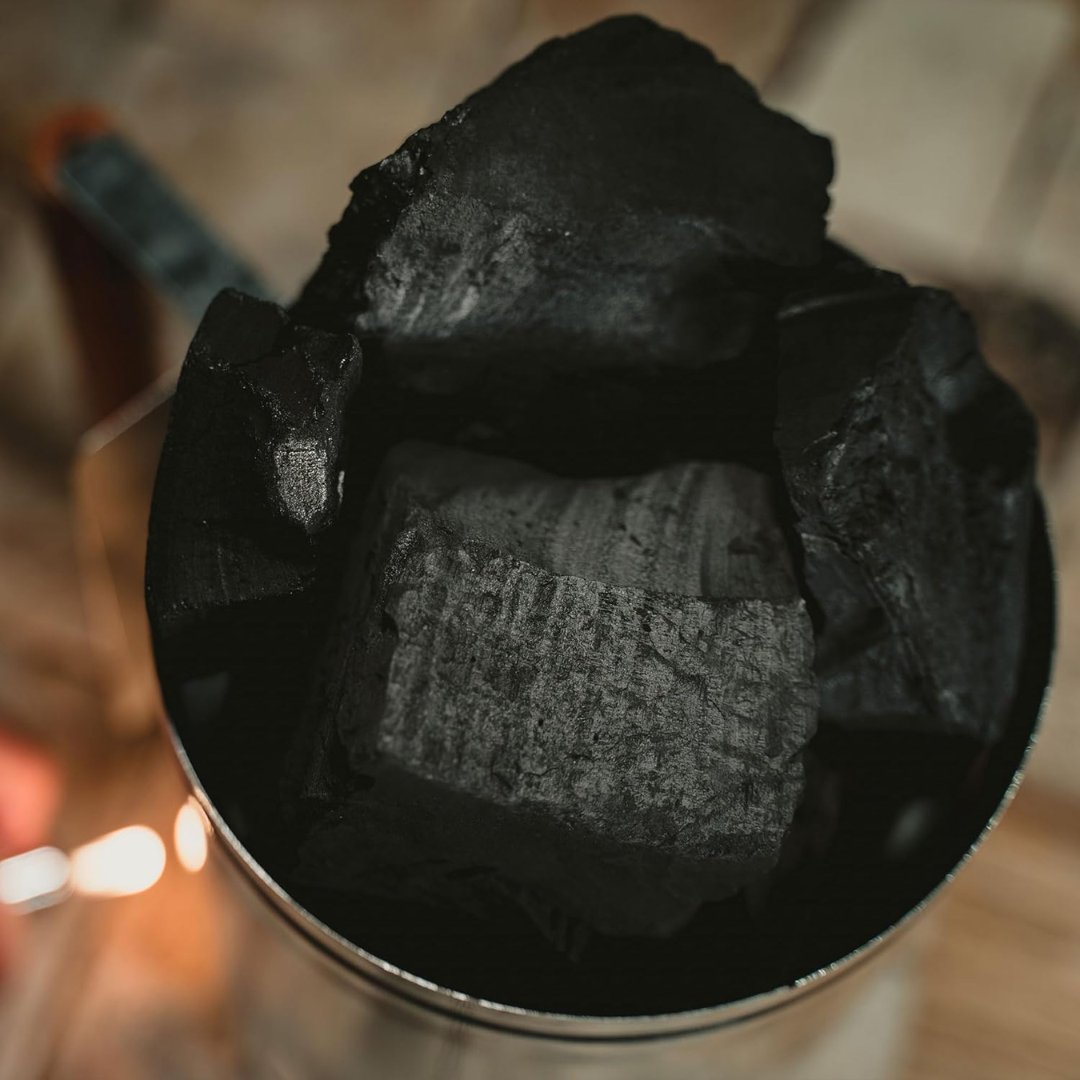
Charcoal is mostly fixed carbon, produced by burning off water, sap, and volatile compounds during carbonization. There’s nothing left in properly made charcoal to spoil, rot, or chemically break down the way food does. A bag of pure lump charcoal, kept bone dry, will burn essentially the same 10 years from now as it does today.
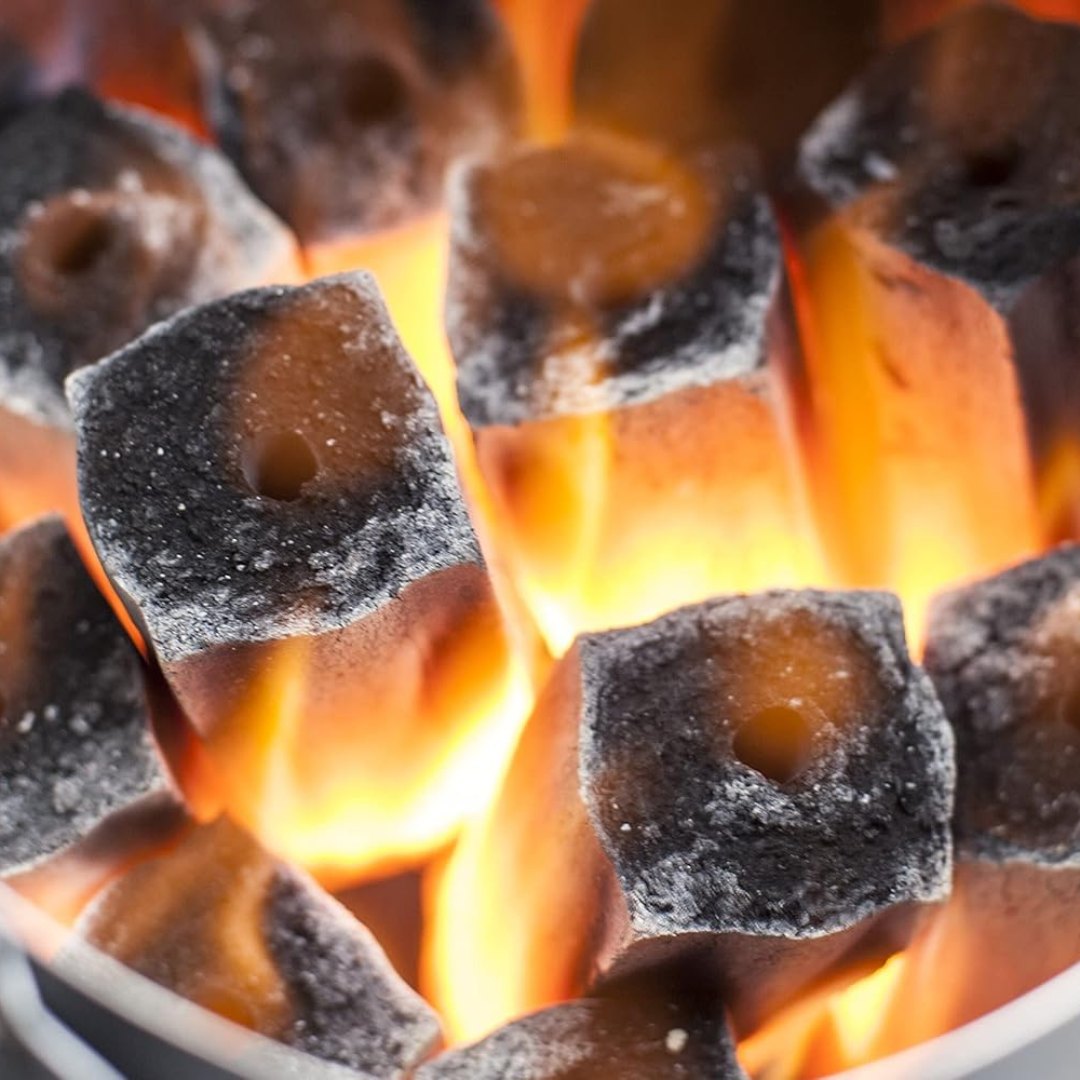
Briquettes complicate this slightly, because they’re not pure carbon. They’re compressed charcoal dust bound together with starch, sometimes with additional additives like nitrate accelerants or ash-whitening agents. Those additional ingredients are what actually create a practical shelf life, not the charcoal itself.
The real enemy: moisture, not time
Charcoal, lump or briquette, is porous by design; that’s exactly what makes it burn well. That same pore structure pulls moisture straight out of humid air, even through a sealed bag over time, and definitely through a torn or loosely closed one. Wet charcoal won’t light reliably, and if it gets wet enough, it can crumble apart entirely.
Briquettes are more vulnerable to this than lump charcoal specifically because of the starch binder, starch absorbs moisture more readily than pure carbonized wood. This is the core reason briquettes are generally rated for a shorter practical shelf life than lump charcoal, even though both are ultimately affected by the same underlying issue.
The real exception: self-igniting (match-light) briquettes
This is the one type of charcoal that genuinely has something close to an expiration date, because it’s not just charcoal; it’s charcoal pre-treated with a volatile ignition accelerant, commonly a petroleum-based solvent, designed to evaporate and ignite on contact with a flame.
That volatility cuts both ways. A patent filing investigating match-light alternatives tested Kingsford Match Light briquettes stored in a sealed bag, and found the charcoal was no longer capable of being match-lit after just one day of storage once removed from its original commercial packaging. Sealed and unopened, match-light charcoal typically holds its ignition properties for around 1 to 2 years, but once opened, that window shrinks dramatically. If you’re buying match-light charcoal, treat “keep it sealed until use” as a real instruction, not a suggestion.
Also read – Which Burns Longer: Lump Charcoal vs Charcoal Briquettes?
Signs your briquettes have actually gone bad
- They crumble easily under light pressure, rather than holding their compressed shape
- A musty or damp smell when you open the bag
- Visible clumping or a chalky, soft texture, signs of significant moisture absorption
- They won’t hold a flame even after extended lighting attempts, as opposed to just taking a bit longer to catch
If a bag shows the first 2 signs, moisture has already gotten in significantly; drying it out further may help, but performance is unlikely to fully recover.
How to actually extend shelf life
- Keep the bag sealed and airtight. Roll or clip the top tightly after each use rather than leaving it open between grilling sessions.
- Store in a cool, dry location, away from direct sunlight and away from damp areas like an uncovered shed floor or a basement without a dehumidifier.
- Consider a dedicated airtight container for opened bags, a lidded bin or tub keeps out humidity far better than the original paper bag once it’s been opened and reused multiple times.
- Avoid storing near a water source or in a garage with high seasonal humidity swings, temperature-driven condensation inside a sealed bag can introduce moisture even without an obvious leak.
Can damp charcoal be revived?
Sometimes, for briquettes and lump charcoal that have absorbed moisture but haven’t started crumbling, laying the pieces out in direct sun for a full day can drive off some of the absorbed moisture and restore usability. If the charcoal is already crumbling or visibly clumped, drying it out generally won’t bring back reliable performance, at that point it’s more efficient to replace the bag.
Choosing the right briquette for your storage conditions
If you’re stocking briquettes for extended periods, standard (non-self-igniting) briquettes hold up meaningfully better in storage than match-light varieties, worth factoring in if you’re buying in bulk ahead of a season rather than restocking weekly. Our pillow-shaped charcoal briquettes page covers current specs for standard briquette product built for consistent, predictable performance, in the grill and in storage.
Quick reference
| Type | Typical shelf life (sealed, dry storage) | Main degradation risk |
| Lump charcoal | Effectively indefinite if kept dry | Moisture absorption only |
| Standard briquettes | 2-3 years | Moisture absorption via starch binder |
| Self-igniting (match-light) briquettes | 1-2 years sealed, much shorter once opened | Accelerant evaporation, plus moisture |
Frequently asked questions – How Long Do Charcoal Briquettes Last?
Does charcoal actually expire?
No, not chemically. Charcoal is mostly elemental carbon, which doesn’t spoil or break down over time on its own. What determines practical usability is moisture exposure and, for self-igniting charcoal specifically, evaporation of the ignition accelerant.
How long do unopened charcoal briquettes last?
Commonly 2 to 3 years if stored sealed, dry, and out of direct sunlight. This isn’t a hard cutoff, it’s a practical estimate based on how quickly moisture typically finds its way in even through packaging.
Why do match-light briquettes go bad faster than regular briquettes?
Because they’re treated with a volatile ignition accelerant designed to evaporate on contact with flame. That same volatility means it can partially evaporate in storage too, testing has shown match-light charcoal can lose its ability to ignite with just a match within as little as a day once removed from sealed packaging.
How can I tell if my charcoal has gone bad?
Look for crumbling under light pressure, a musty smell, or a chalky, soft texture. Charcoal that’s merely slow to light but otherwise intact usually just needs a longer lighting time, not replacement.
Does lump charcoal last longer than briquettes?
Generally yes, since lump charcoal has no starch binder to absorb moisture the way briquettes do. Kept genuinely dry, lump charcoal can remain usable indefinitely, while briquettes have a more finite practical shelf life even under good storage conditions.