


Coconut charcoal vs hardwood charcoal are both classified under HS 4402, both ship in 40HQ containers, and both serve the BBQ and commercial fuel markets. But from a wholesale import perspective, they are fundamentally different products, with different quality benchmarks, regulatory obligations, supply chains, and landed cost structures. This guide covers what actually matters when you are choosing between them at the container scale.
Table of Contents
What Is the Core Difference Between the Two Coconut Charcoal vs Hardwood Charcoal?
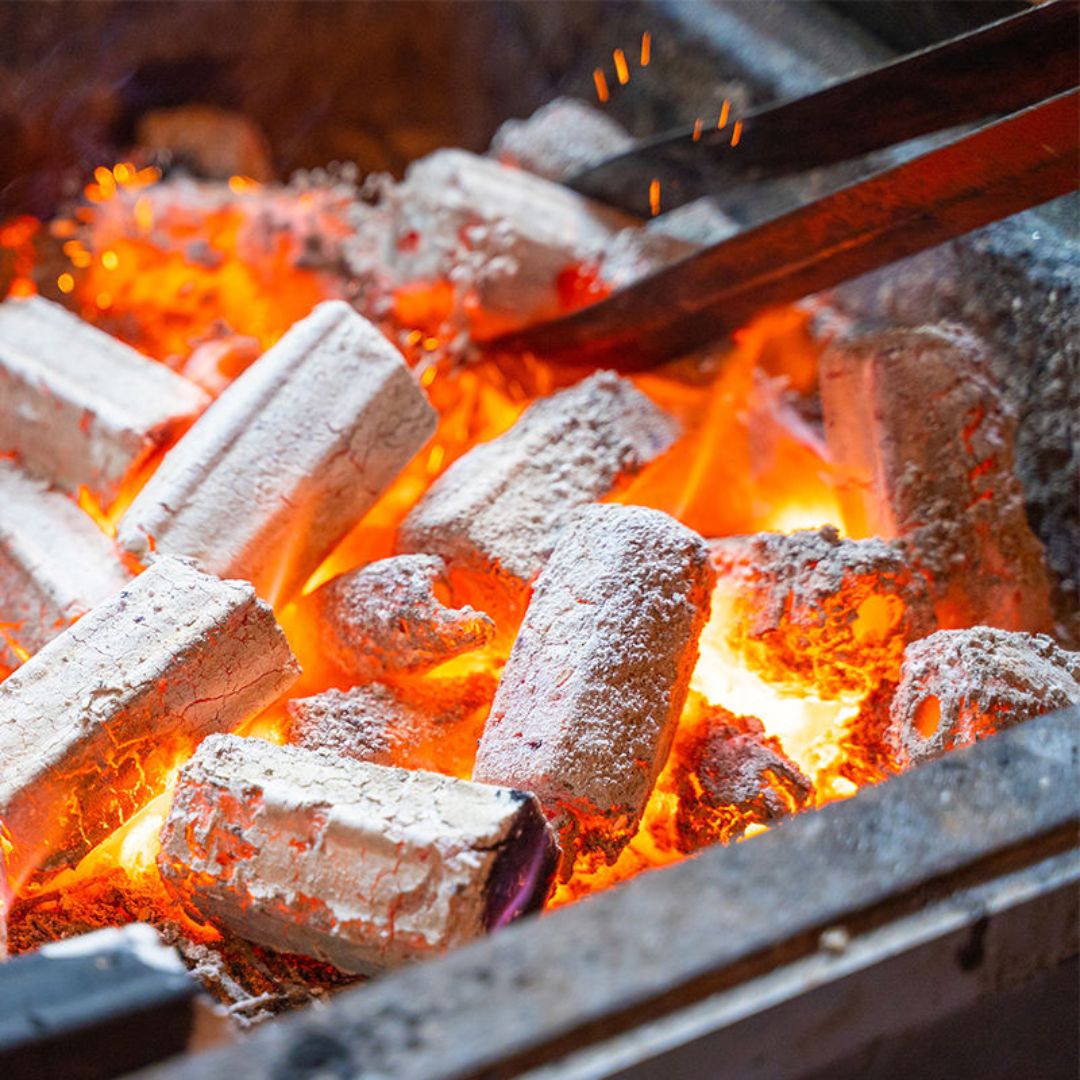
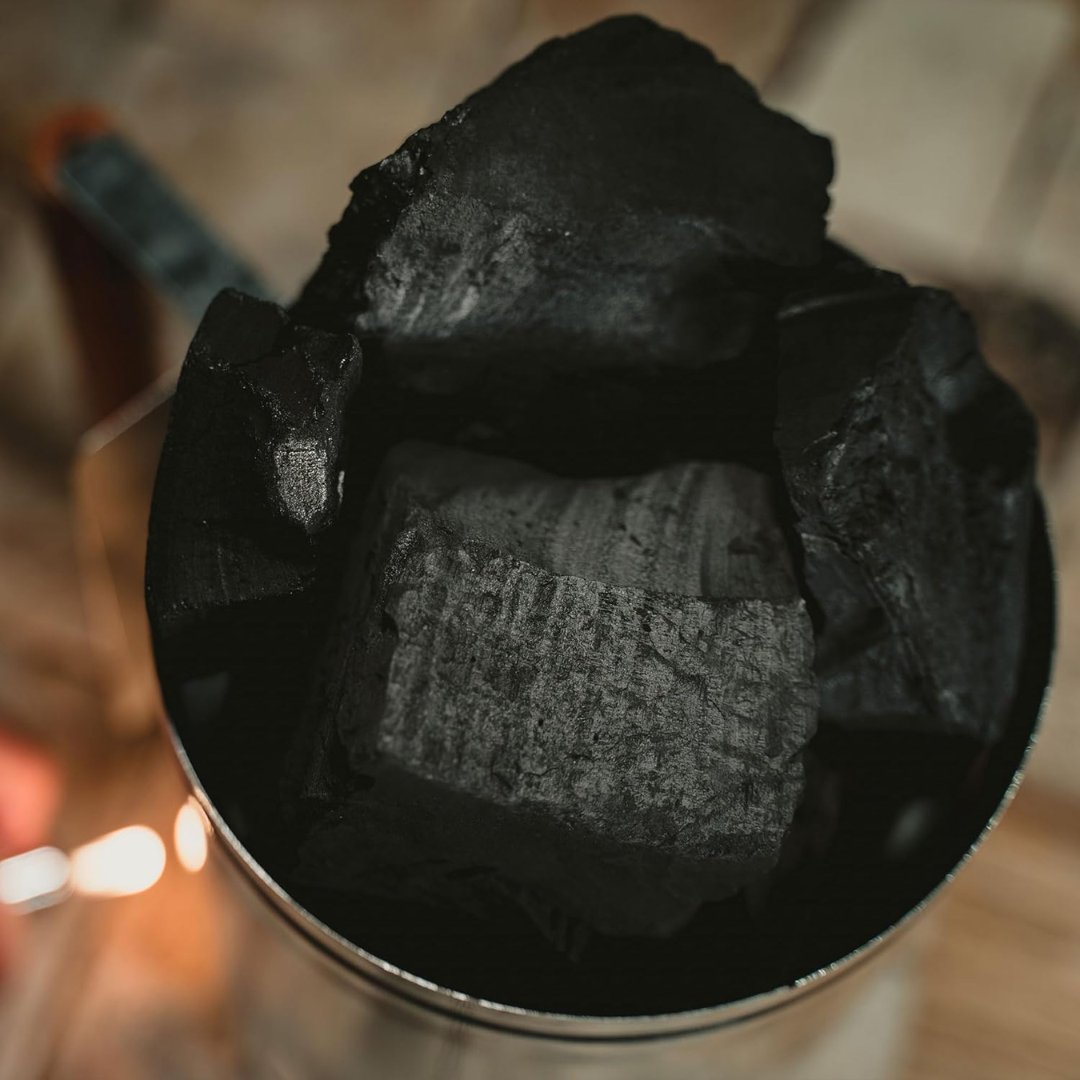
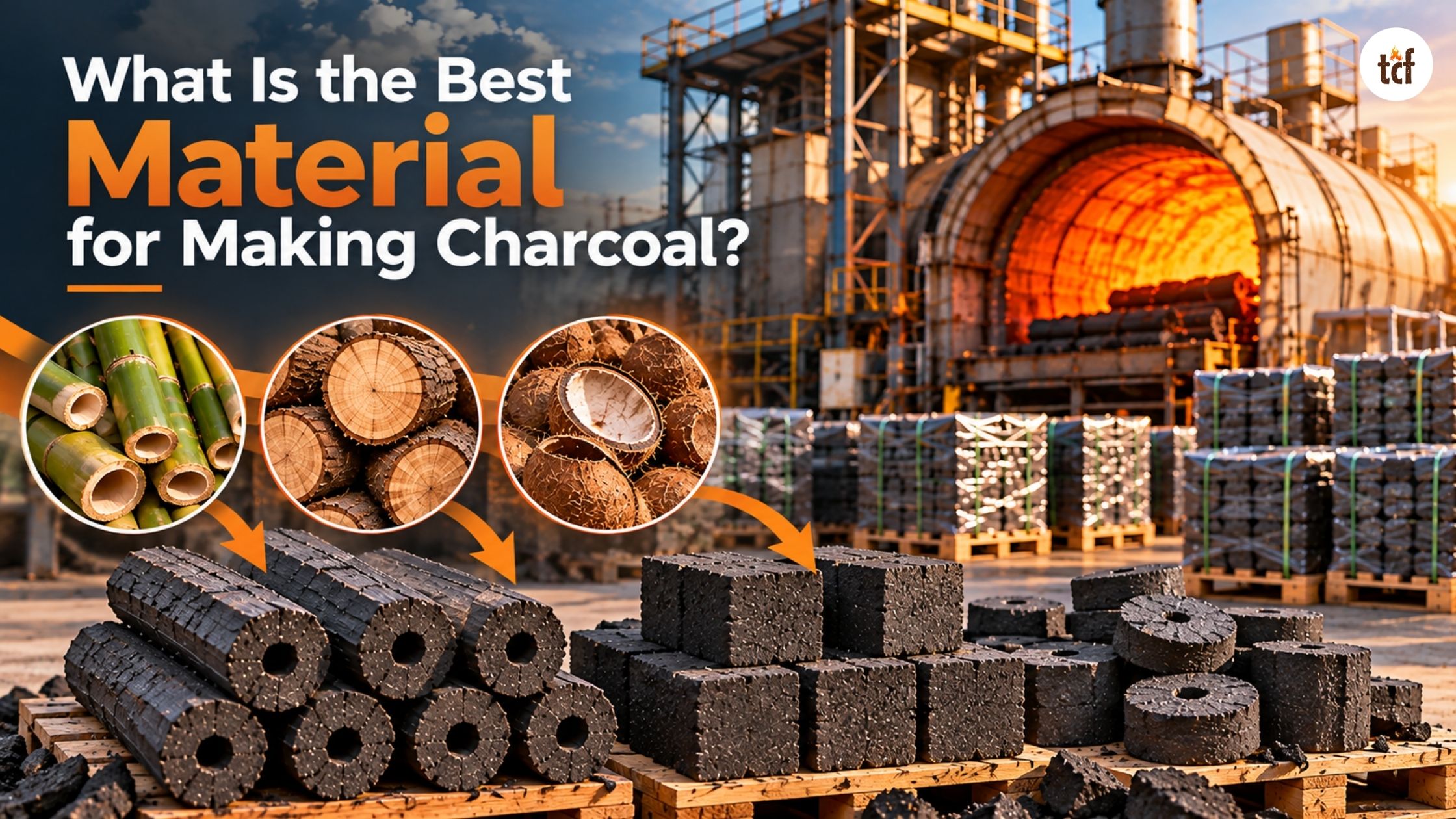
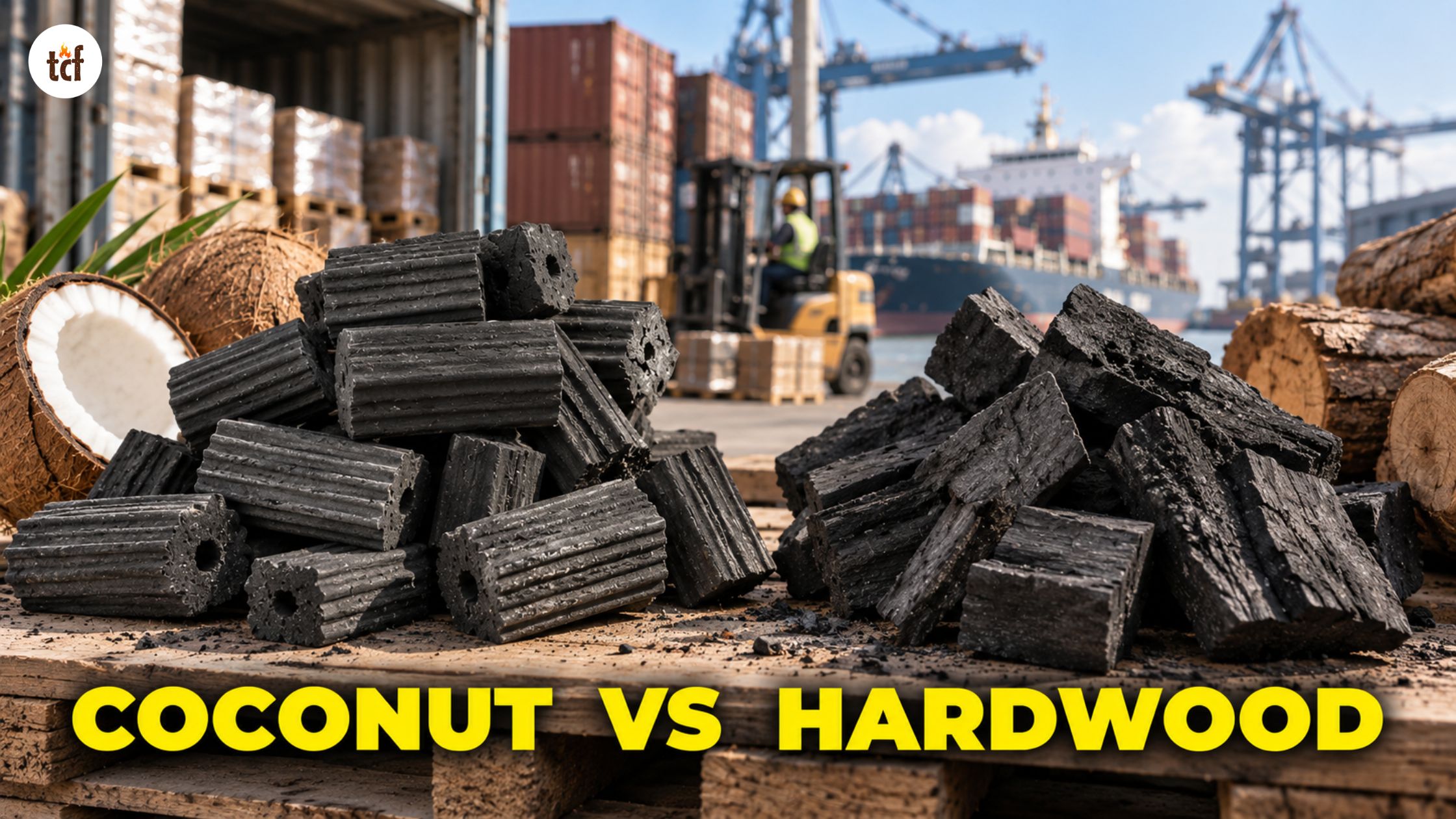
Hardwood lump charcoal is produced by carbonising dense hardwood timber species, including oak, acacia, halaban, tamarind, and mangrove in low-oxygen kilns. The output is irregular, natural-looking chunks that retain the organic structure of the original wood. Because the raw material is a forest resource, hardwood charcoal is subject to the full scope of forest risk commodity regulations in major import markets.
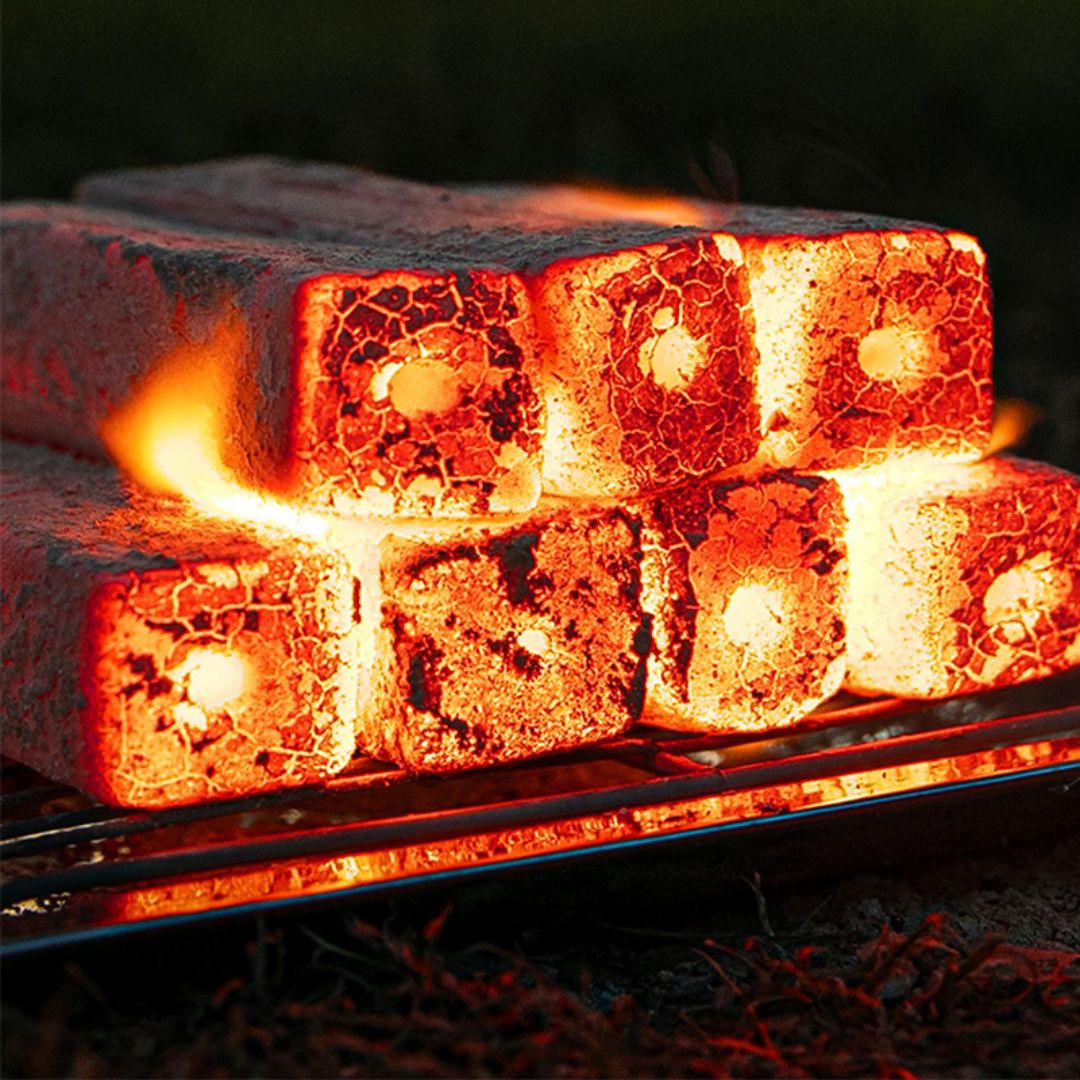
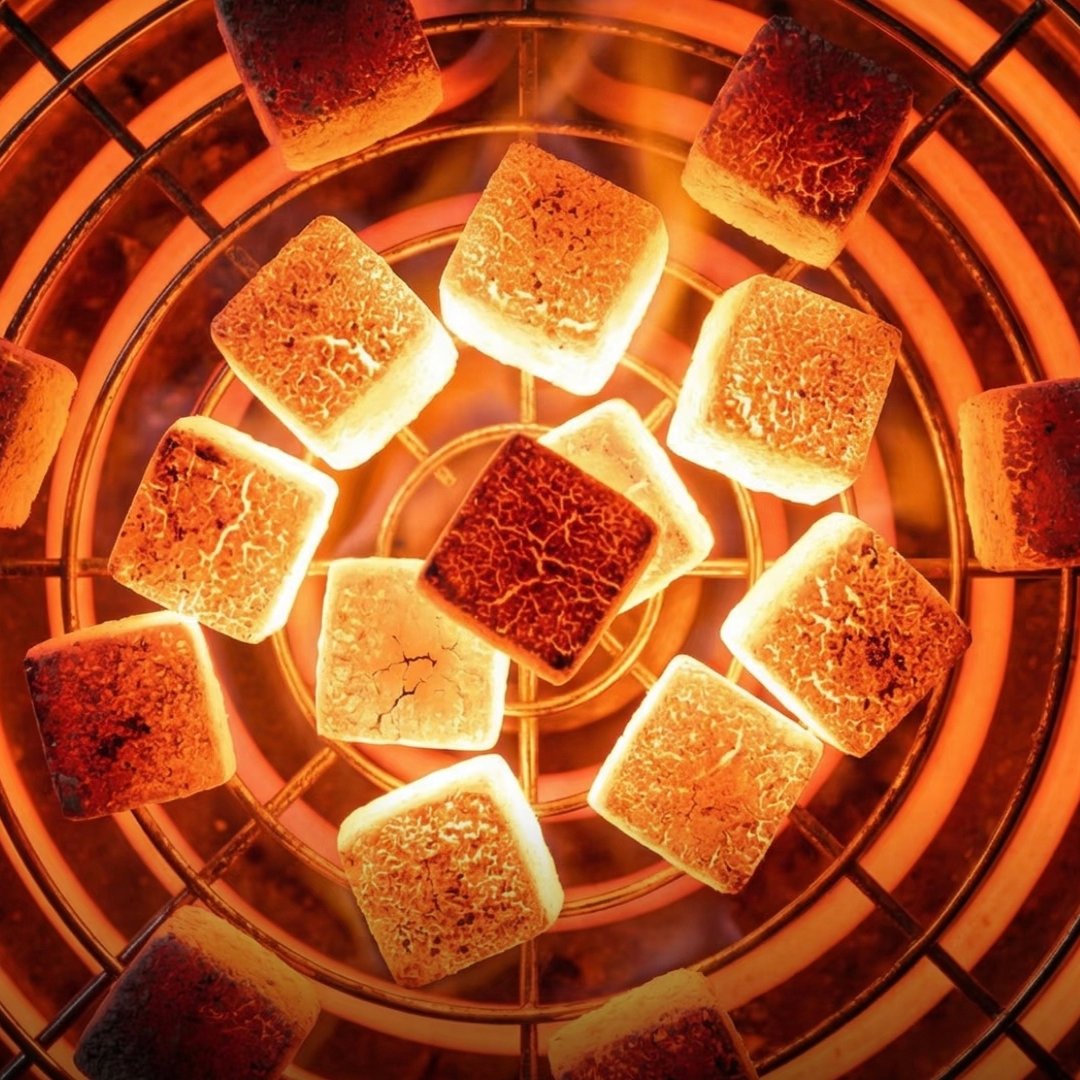
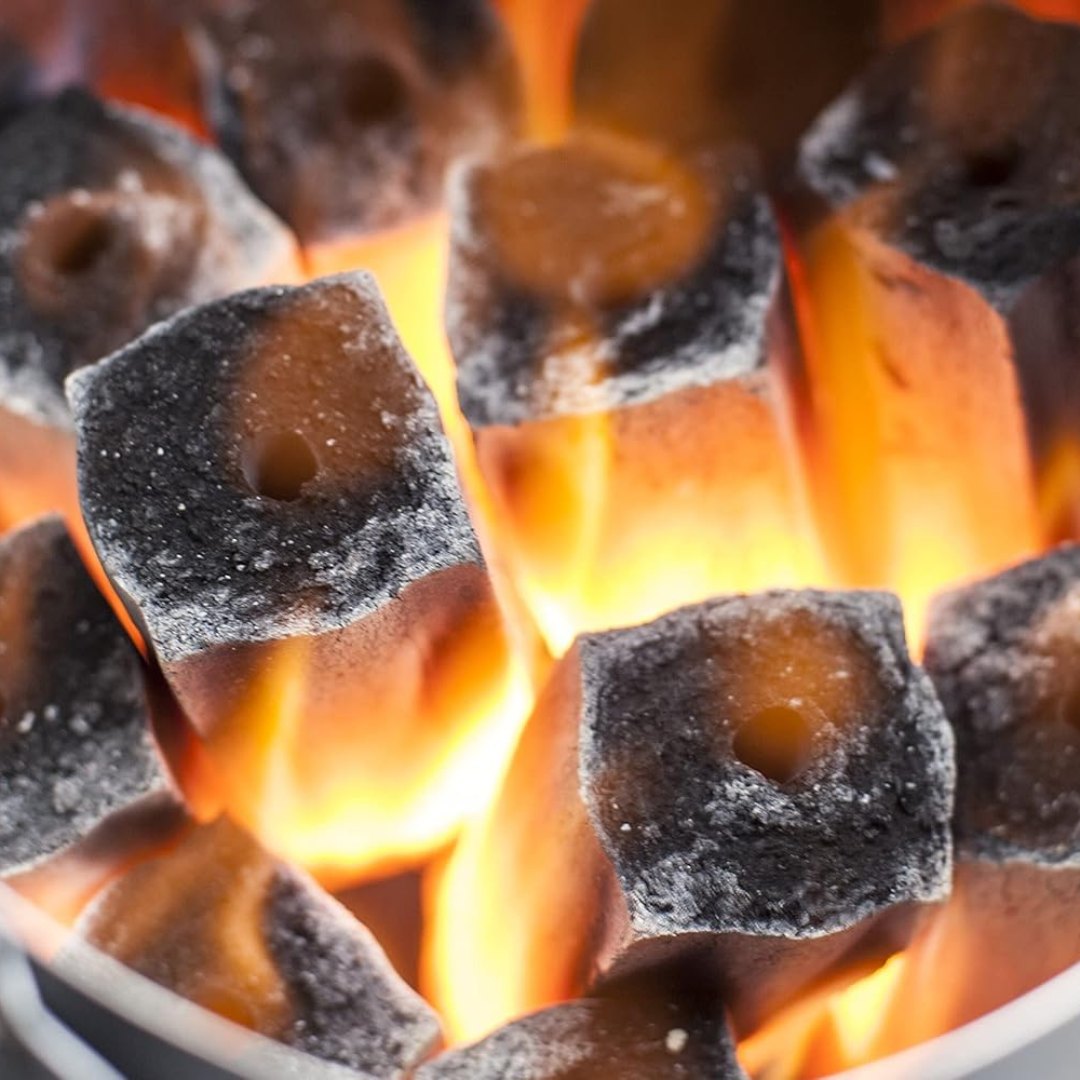
Coconut shell charcoal is produced by carbonising the shells left over from coconut processing, an agricultural byproduct, not a forest resource. The carbonised shell is then crushed and pressed with a natural binder (typically tapioca starch at 3–5% by weight) into uniform-shaped briquettes. The starting material is a waste stream; no additional trees are cut, no additional land is cleared, and no additional farming takes place to produce it.
This distinction between agricultural byproducts and forest resources is not just a sustainability narrative. It has direct and measurable consequences for how each product is regulated, documented, and priced in international trade.
How Do the Technical Specifications Compare?
The performance difference between the two products is real, consistent, and documented across independent laboratory testing. Buyers evaluating which product to import should start with these numbers.
| Specification | Coconut Shell Charcoal | Hardwood Lump Charcoal |
| Fixed Carbon | 75–85% | 65–80% (species-dependent) |
| Moisture Content | ≤5% (briquette) | ≤8% (lump) |
| Ash Content | 2–4% | 5–10% |
| Calorific Value | 7,000–7,500 kcal/kg | 6,500–7,200 kcal/kg |
| Burn Time (approx.) | 90–120 minutes per charge | 45–75 minutes per charge |
| Smoke Output | Very low | Low to moderate (species-dependent) |
| Odour During Burn | Neutral | Natural wood aroma (species-dependent) |
| Shape Consistency | Uniform (compressed) | Irregular (natural) |
| Ignition Time | 8–12 minutes | 5–10 minutes (lump ignites faster) |
The fixed carbon content figures above are industry benchmarks for premium-grade product from established exporters. Lower-grade material from either category will fall below these ranges, which is precisely why a Certificate of Analysis from a third-party lab is standard practice for every commercial shipment. Our charcoal grades explained guide covers what each specification means in practice.
Which Product Is Better for Which End Market?
Shisha and Hookah Markets
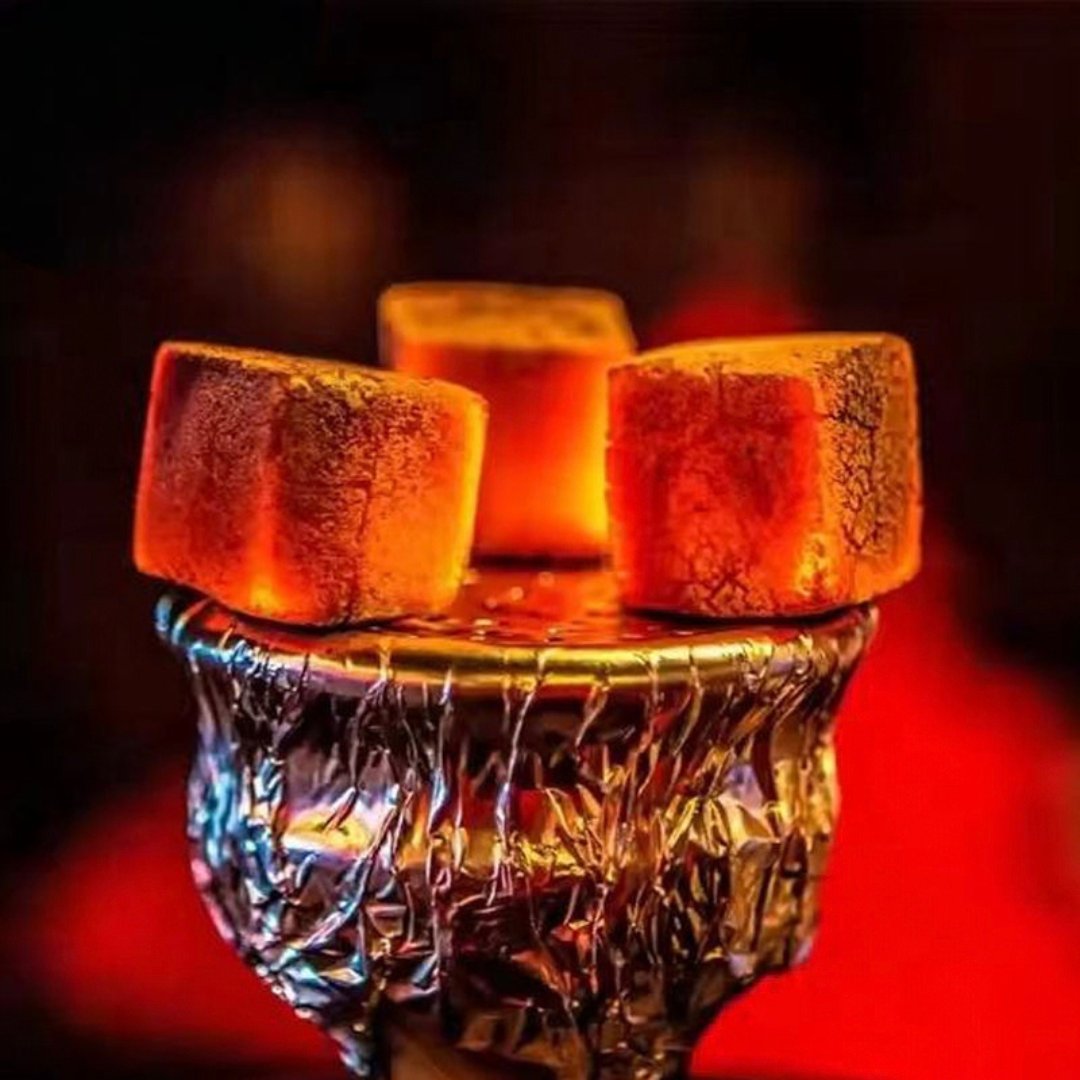
Coconut shell charcoal dominates the global shisha market with no serious competition. The reasons are specific and technical: shisha sessions run 45–90 minutes, requiring sustained, consistent heat without the need for frequent coal changes. The odour neutrality of coconut charcoal is essential, as any wood aroma from a hardwood product directly affects the flavour profile of the shisha tobacco, which is commercially unacceptable for premium lounges.
Low ash output is also critical in hookah settings. High ash production leads to heat management problems as ash accumulates on the foil, reducing airflow and forcing more frequent management. Coconut shell briquettes, generating just 2–4% ash by weight, largely eliminate this problem.
Middle Eastern markets, Saudi Arabia, UAE, Qatar, source almost exclusively from Indonesian coconut shell suppliers for exactly these reasons. This is also why wholesale shisha charcoal and wholesale hookah charcoal are dominated by coconut shell products rather than wood.
Also read – Required Documents for Importing Charcoal
Restaurant and Professional BBQ
This is where the two products genuinely compete, and where buyer preference splits by application.
High-heat, fast-cooking applications, such as searing steaks, cooking at grill temperatures above 300°C, are where hardwood lump charcoal excels. Dense hardwood ignites faster than compressed briquettes, reaches peak temperature more quickly, and for operations that rotate product frequently, the faster burn cycle is not a drawback but a feature. The natural aroma from hardwoods like oak and halaban adds to the product profile when flavour is a selling point.
Long-session cooking, slow BBQ, restaurant kitchens running continuous service, and caterers typically favour coconut shell briquettes. The 30–50% longer burn time means fewer coal changes per service, lower per-service charcoal consumption, and more consistent temperature management throughout a session. Most operators report that despite coconut shell charcoal carrying a higher per-kg price, the extended burn time makes it more cost-effective per service hour in a commercial setting.
For bulk charcoal for restaurants, the decision between the two products typically comes down to service style and kitchen workflow rather than price alone.
Retail and Supermarket Channels
Retail packaging decisions tend to follow consumer behaviour in each market. UK and European retail consumers predominantly expect lump charcoal or standard briquettes in the BBQ category. The craft BBQ and premium outdoor cooking segment — which has grown significantly across Europe in the past decade is driving demand for premium hardwood lump from specific origins and species. Premium products from named species and origins command retail shelf prices significantly above commodity charcoal.
Coconut shell charcoal is increasingly appearing in European retail, particularly in the eco-conscious and natural food store segment, where its sustainability credentials, agricultural waste, no deforestation link, and clean burn align with consumer values. This is a growing category, but still secondary to hardwood in volume terms across most European markets.
How Does the Import Regulatory Picture Differ?
This is one of the most practically consequential differences between the two products, and it is under-discussed in most sourcing guides.
HS Code Classification
Coconut shell charcoal falls under HS 4402.20 Shell or nut charcoal. Hardwood lump charcoal falls under HS 4402.90 Other wood charcoal. Both carry a 0% import duty in the EU, UK, and US under standard MFN tariffs. The difference is not in the duty rate; it is in what the subheading triggers.
The EUDR Distinction Is Material
The EU Deforestation Regulation (EUDR), which takes effect for large operators on 30 December 2026, covers wood-derived products under HS 4402. Hardwood charcoal under 4402.90 is unambiguously in scope; it originates from forest timber, and importers will need to submit a Due Diligence Statement (DDS) via the EU’s TRACES platform confirming geolocated, deforestation-free sourcing before each shipment is cleared for the EU market.
Coconut shell charcoal classified correctly under 4402.20 has a defensible argument that it falls outside the EUDR’s core intent. Coconut (Cocos nucifera) is a plantation agricultural crop, not a forest tree, and coconut shells are an agricultural byproduct rather than a forest product. Operators importing coconut shell charcoal under 4402.20 are therefore in a stronger position to argue reduced EUDR compliance burden than those importing hardwood under 4402.90.
This distinction has real commercial consequences. Suppliers who cannot provide geolocated hardwood sourcing data will be unable to meet EUDR requirements and will lose EU market access. This is already creating pricing and sourcing pressure at the supplier level for hardwood charcoal. Coconut shell suppliers, by contrast, face a less burdensome compliance path — which is one reason European charcoal buyers have been shifting a greater share of their procurement toward coconut shell products ahead of 2026.
For more on the regulatory distinction between these two HS subheadings and what triggers EUDR obligations, see our charcoal HS codes guide.
Sourcing Traceability: Much Harder for Hardwood
A 2025 peer-reviewed study published in the Forest Products Journal examined the US lump charcoal market and found evidence of fraud and misrepresentation, including the presence of IUCN Red List species in products labelled as standard commercial hardwood. This is a documented risk in hardwood charcoal supply chains globally not just in the US and it underscores why traceability for hardwood lump charcoal is genuinely difficult and why FSC certification is meaningful rather than cosmetic.
Coconut shell charcoal has an inherently simpler traceability chain. The raw material is coconut shells from a specific processing facility a single-origin agricultural byproduct. The supply chain from farm to briquette factory is typically two steps, not the multi-tier, multi-origin chain that characterises hardwood sourcing from tropical forests.
This makes coconut shell charcoal significantly easier to certify, trace, and document — which is directly relevant to both EUDR compliance and the sourcing verification that sophisticated B2B buyers now conduct routinely.
How Do Import Prices Compare?
FOB price is the most common comparison point, but the landed cost picture is more complex than the raw per-ton figure suggests.
| Product Type | FOB Price Range (2025–2026) | Key Pricing Drivers |
| Coconut shell briquettes (premium) | $1,200–$1,500/MT | Coconut shell raw material cost, shape complexity, certifications |
| Hardwood lump charcoal (standard) | $700–$1,100/MT | Species, origin, FSC status, kiln method |
| Hardwood lump charcoal (premium/FSC) | $900–$1,400/MT | Certified species, European market premium |
| Mixed wood briquettes (sawdust) | $500–$800/MT | Lower raw material cost, simpler production |
Coconut shell charcoal consistently costs 15–30% more per kilogram at FOB than equivalent-grade hardwood products. However, comparing the two on FOB price per ton misses the operational cost picture entirely.
In commercial settings, restaurants, shisha lounges, and catering operations, coconut shell charcoal’s 30–50% longer burn time per charge means that the volume consumed per service hour is significantly lower. Most commercial operators sourcing both products on a trial basis report that the per-service cost of coconut shell charcoal is broadly comparable to hardwood, and often lower once labour for coal changes is factored in.
For retail buyers, price is more directly a consideration because consumers are comparing price on the shelf rather than cost per hour of heat. In this context, hardwood charcoal’s lower entry price per pack makes it an easier sell in volume retail, while premium coconut shell products find their market in speciality and eco-oriented retail channels.
Which Country Should You Source From?
Coconut Charcoal: Indonesia Dominates
Indonesia is the world’s largest coconut producer and the undisputed leading source for coconut shell charcoal. Central Java and Yogyakarta are the primary production hubs, with direct access to major export ports. Indonesian coconut shell briquettes set the global benchmark for this product category, with consistent fixed carbon above 75%, ash below 4%, and shape uniformity that meets the specifications of the most demanding shisha markets in the Middle East and Europe.
Our coconut charcoal briquettes wholesale range is built on this supply chain. For buyers sourcing at container scale, quality vetting is still essential — the Indonesian market includes everything from premium export-grade factories to smaller operations with inconsistent output.
Also read – Customs Duties on Imported Charcoal
Hardwood Charcoal: Multiple Origins, Significant Quality Variation
Hardwood lump charcoal is sourced from a much broader range of origins. Indonesia produces quality hardwood lump from halaban and tamarind. Vietnam produces mangrove, longan, and fruitwood charcoal with a strong export infrastructure. Brazil, Paraguay, and Argentina supply European and US markets with dense hardwood products. Each origin has different species profiles, different production methods, and different FSC availability.
The quality range within hardwood lump charcoal is significantly wider than within coconut shell briquettes. Premium FSC-certified halaban from Indonesia is a fundamentally different product from a commodity mixed-wood lump from a lower-cost origin. For wholesale buyers, specifying the species, origin, and certification status not just “hardwood lump charcoal” is essential to consistent procurement. Our bulk lump charcoal range covers these distinctions in detail.
For a broader look at origin selection and what matters per supplier country, see our top countries exporting charcoal guide.
Should You Import One or Both?
Many experienced wholesale buyers carry both product types in their range. The logic is straightforward: the two products serve meaningfully different segments, and buyers who carry both are better positioned across shisha, restaurant, and retail channels than those who specialise in one.
The most common structure among multi-product wholesale operations is to source coconut shell briquettes from Indonesia as the foundation of the shisha and premium commercial BBQ range, while sourcing hardwood lump from Indonesia or Vietnam for the restaurant grilling and retail BBQ range. This gives buyers origin diversity, product diversity, and a more resilient supply chain than relying on a single product from a single origin.
Buyers building a private label charcoal programme for retail often find that a two-product approach, coconut shell for the premium eco line and hardwood for the standard BBQ line, allows effective shelf segmentation and supports different price point strategies within the same brand.
Related reading: lump charcoal vs briquettes, types of charcoal, wood vs coconut charcoal, charcoal grades explained, and our charcoal bulk buying guide.
External sources:
- Forest Products Journal — Fraud and Misrepresentation in the Lump Charcoal Market in the United States (2025, USDA Forest Products Laboratory)
- FSC International — Forest Stewardship Council Certification and EUDR Alignment
Frequently Asked Questions
Is coconut charcoal always more expensive than hardwood charcoal?
At FOB price per metric ton, yes, typically 15–30% more expensive. However, in operational settings, the longer burn time of coconut charcoal (30–50% more burn time per charge) means the per-session or per-service cost is often comparable to or lower than that of hardwood. Retail buyers face a more direct price sensitivity, where the lower entry price of hardwood lump is a genuine advantage in standard BBQ channels.
Can I use hardwood charcoal for shisha?
Technically, yes, but commercially, it is a poor fit. Hardwood charcoal even premium, odourless hardwood cannot consistently match the neutral burn profile, low ash output, and heat consistency that coconut shell briquettes deliver for shisha. Most shisha lounge operators who have trialled hardwood alternatives report customer complaints about flavour interference or inconsistent heat management. The shisha market has aligned on coconut shell charcoal for documented performance reasons, not marketing preference.
Which product is easier to certify for EU import under the EUDR?
Coconut shell charcoal (HS 4402.20) is in a substantially better regulatory position than hardwood charcoal (HS 4402.90) under the EUDR. Coconut shells are an agricultural byproduct, not a forest product, and operators can argue for reduced compliance burden. Hardwood charcoal requires full deforestation-free due diligence with geolocated sourcing data from each supplier. This is a real operational difference that is already influencing sourcing decisions among European buyers ahead of the December 2026 enforcement deadline.
Does hardwood charcoal taste different from coconut charcoal?
In BBQ applications, yes. Dense hardwoods — particularly oak, hickory, and halaban — impart a distinctive smoky aroma to food during cooking. This is a selling point in premium BBQ markets where flavour complexity is valued. Coconut shell charcoal burns with a neutral profile, allowing the natural flavours of the food to dominate. For shisha, the neutral profile is essential. For food service, the preference depends on cuisine and customer expectations.