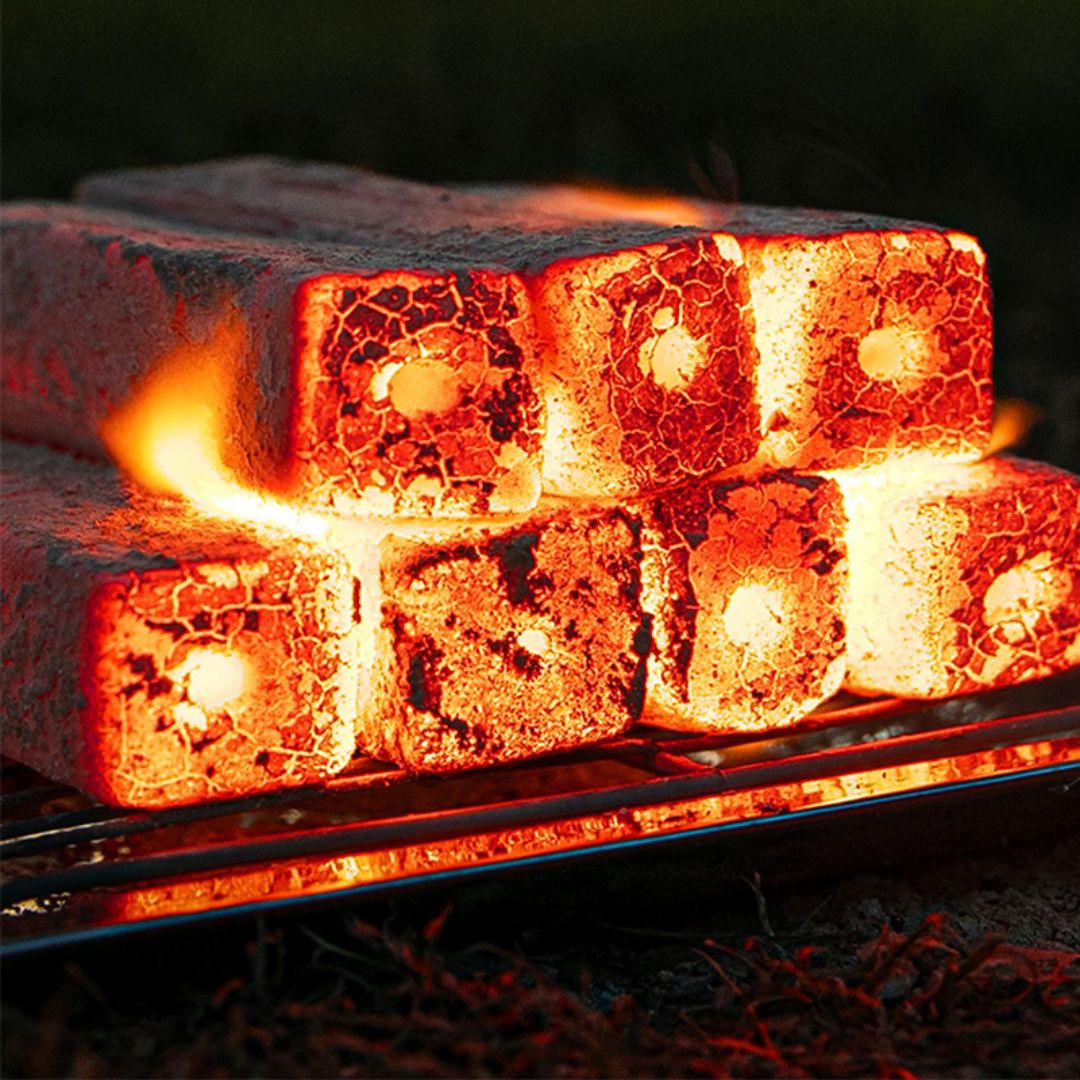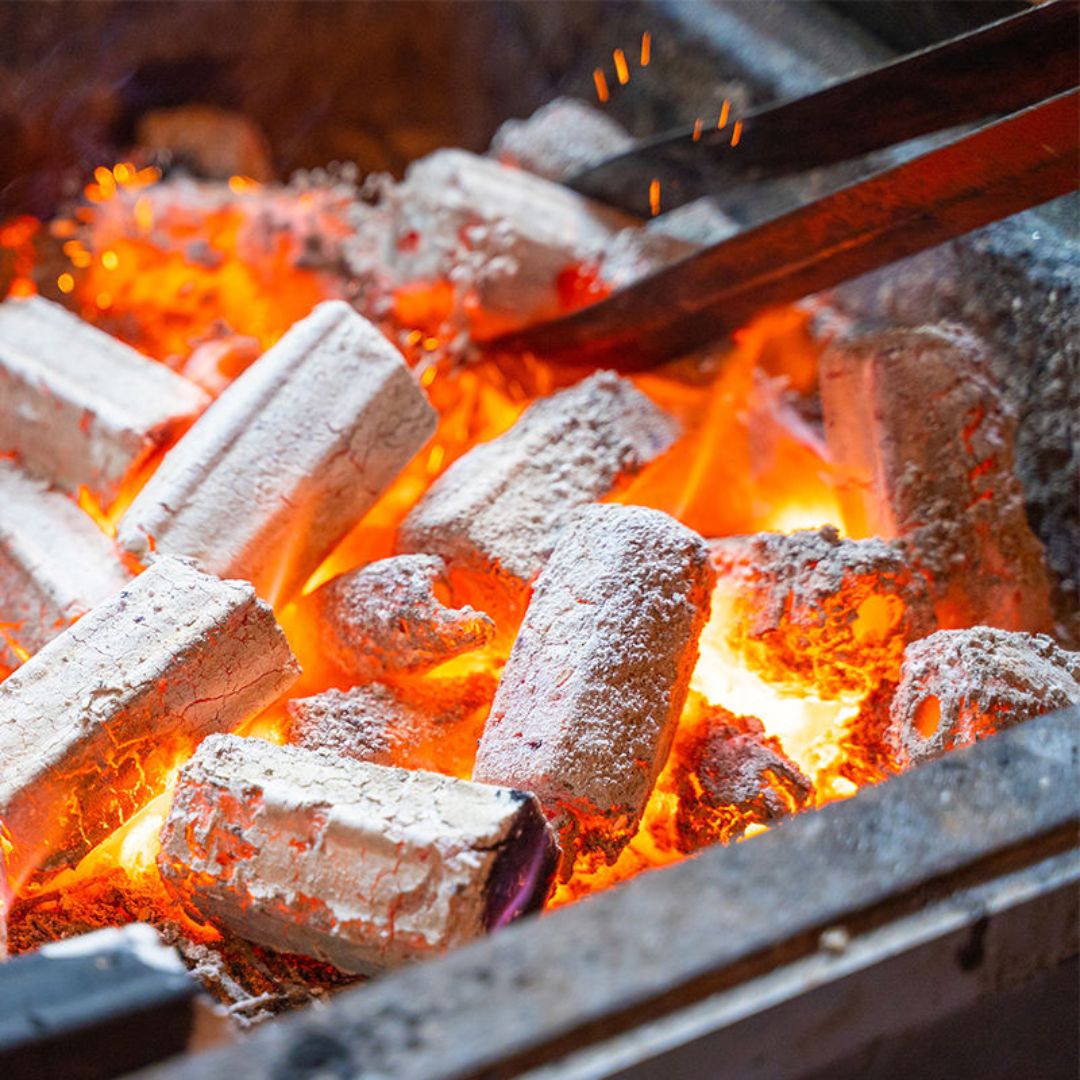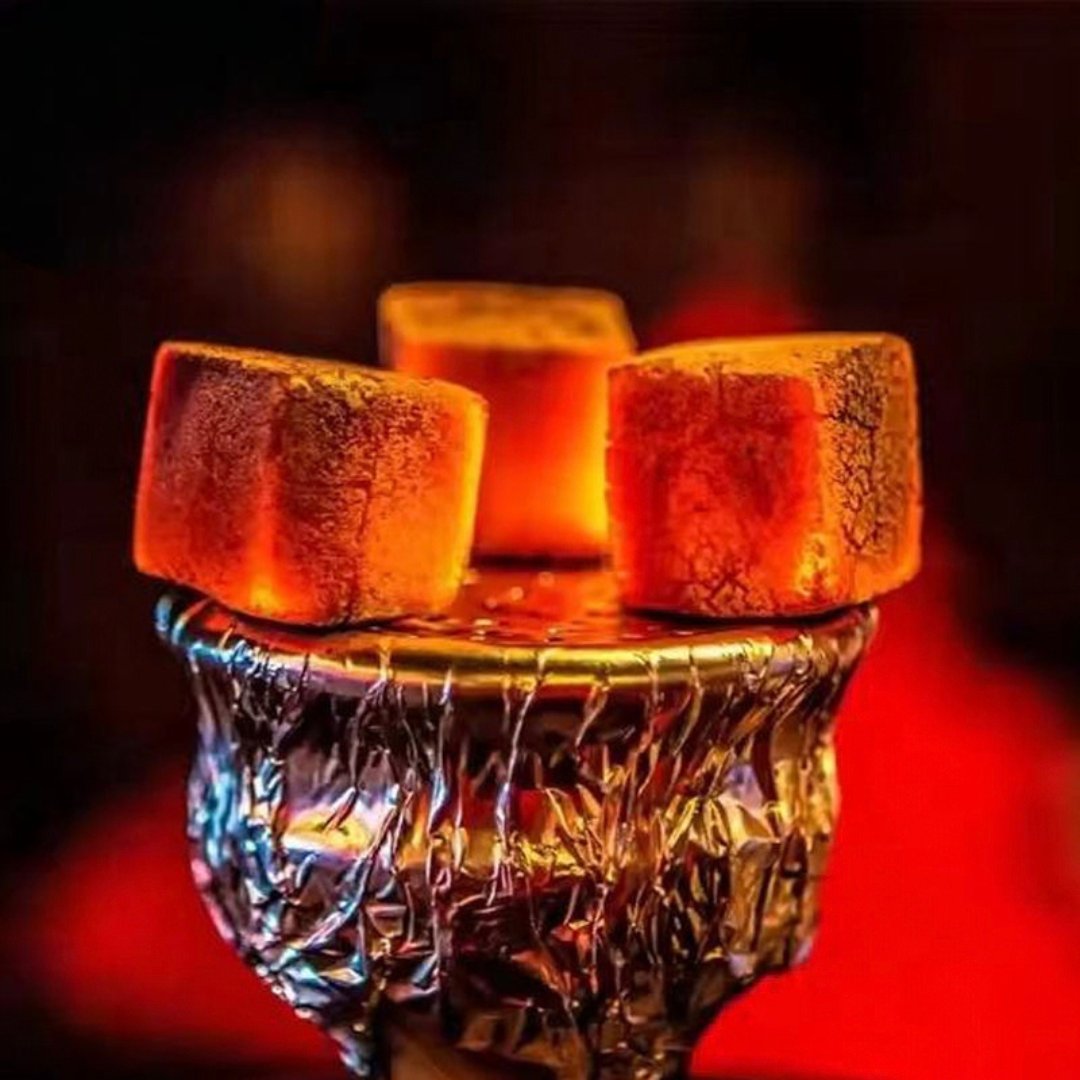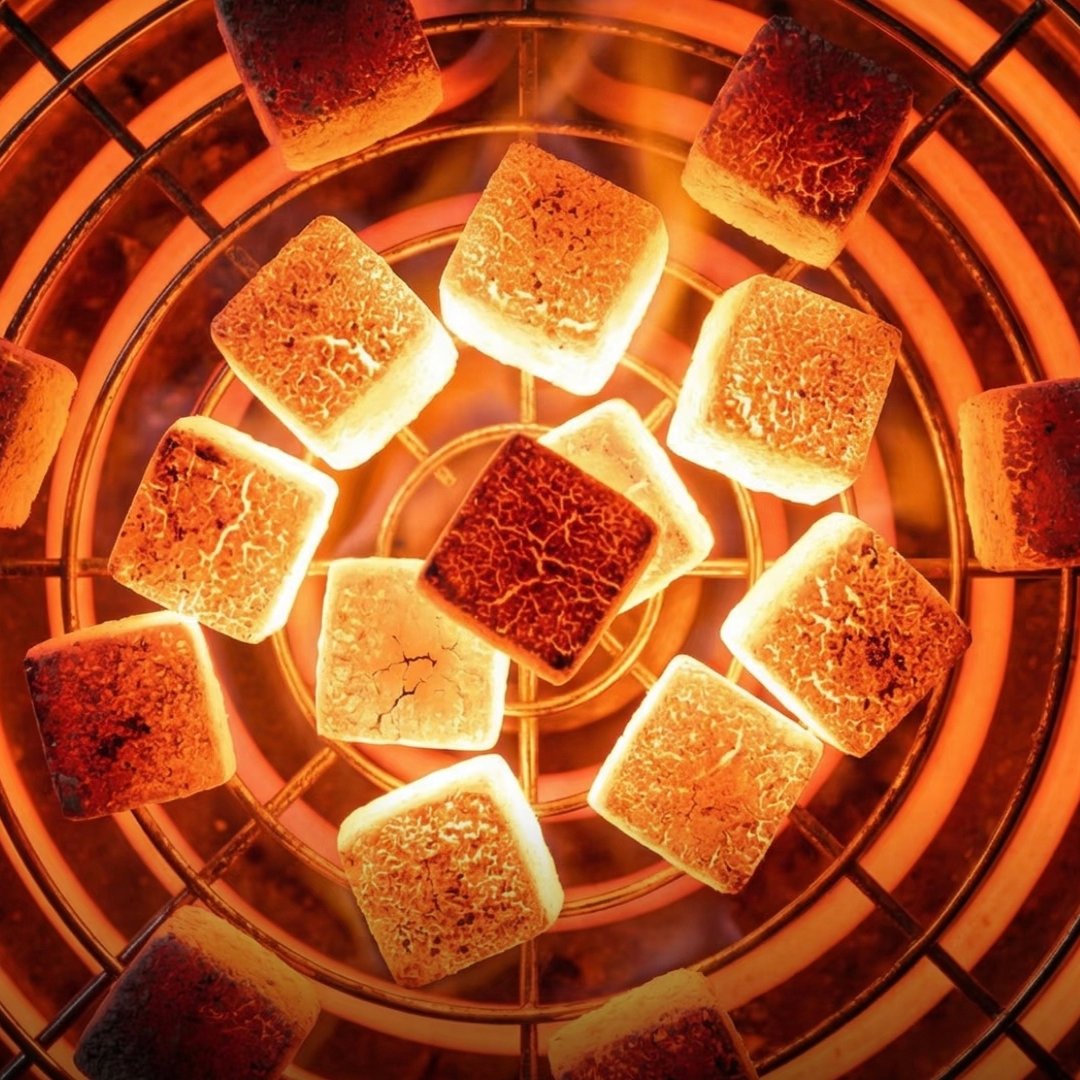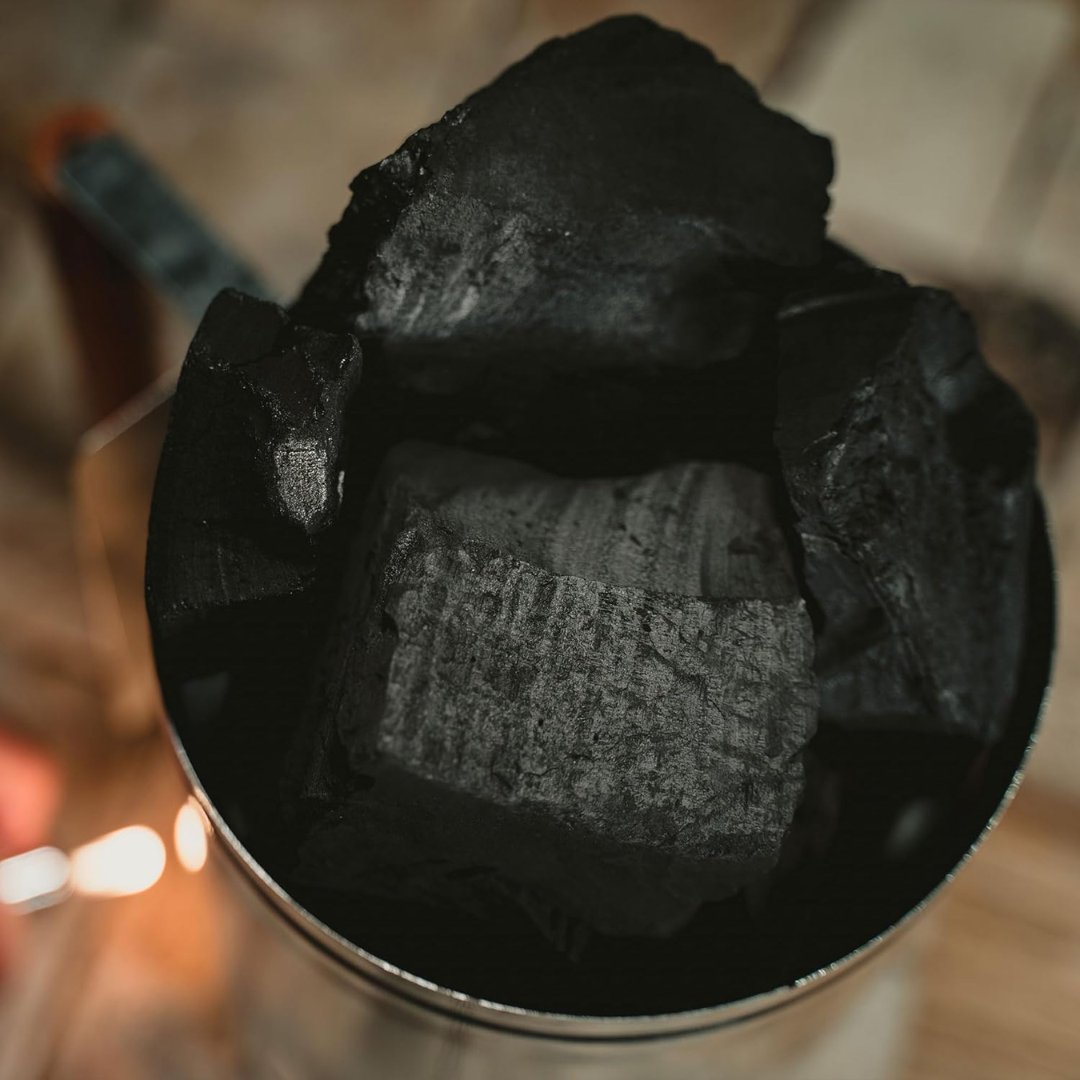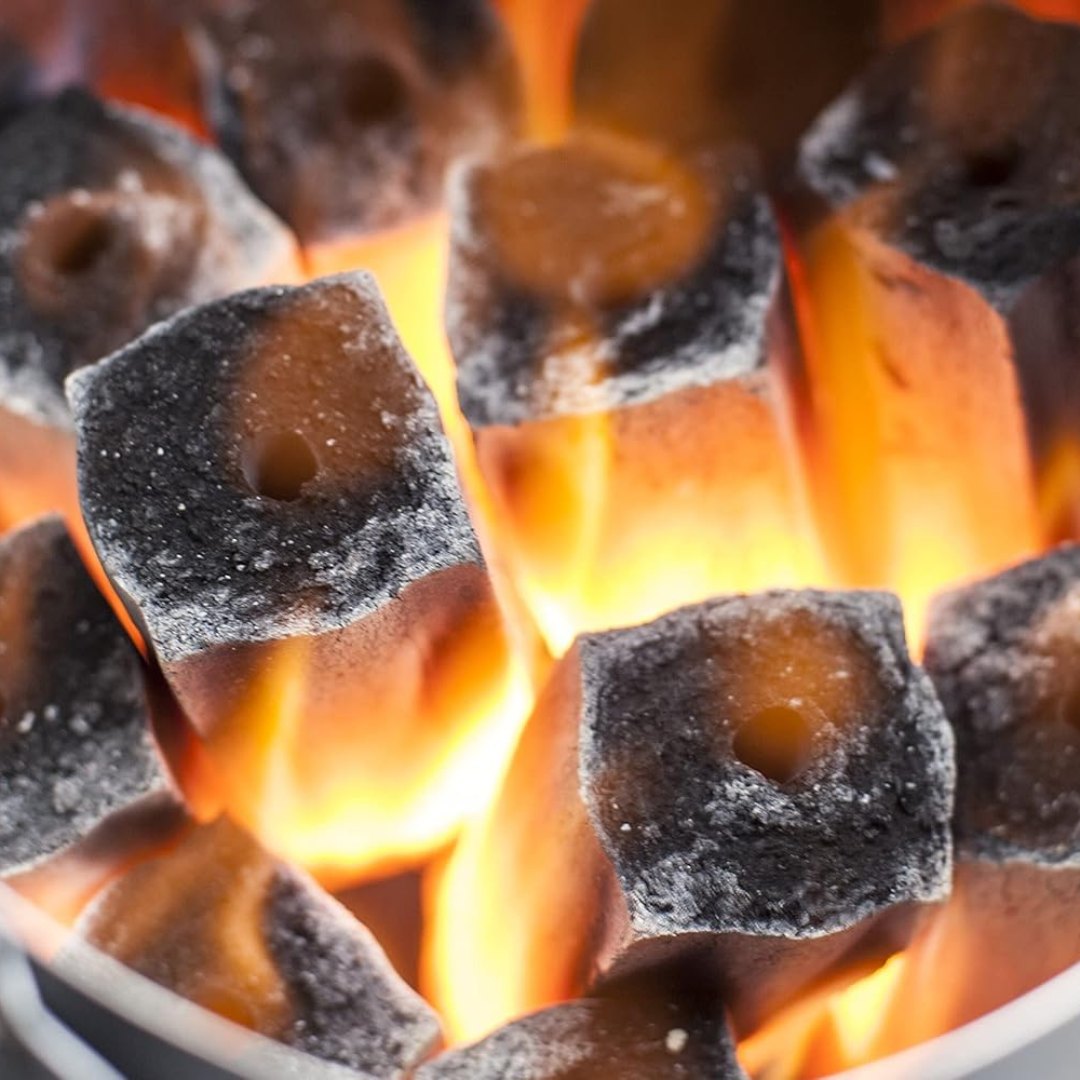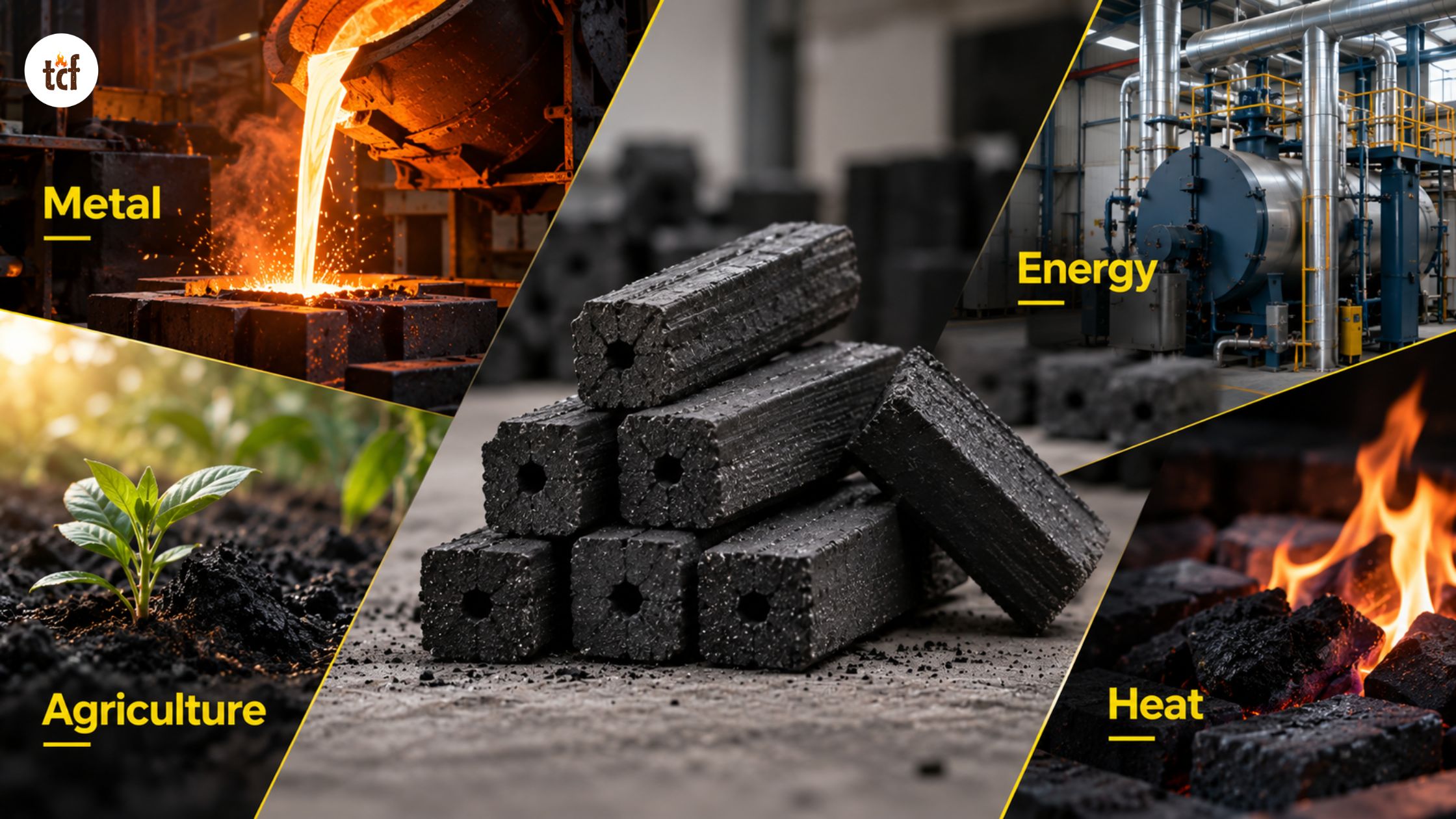


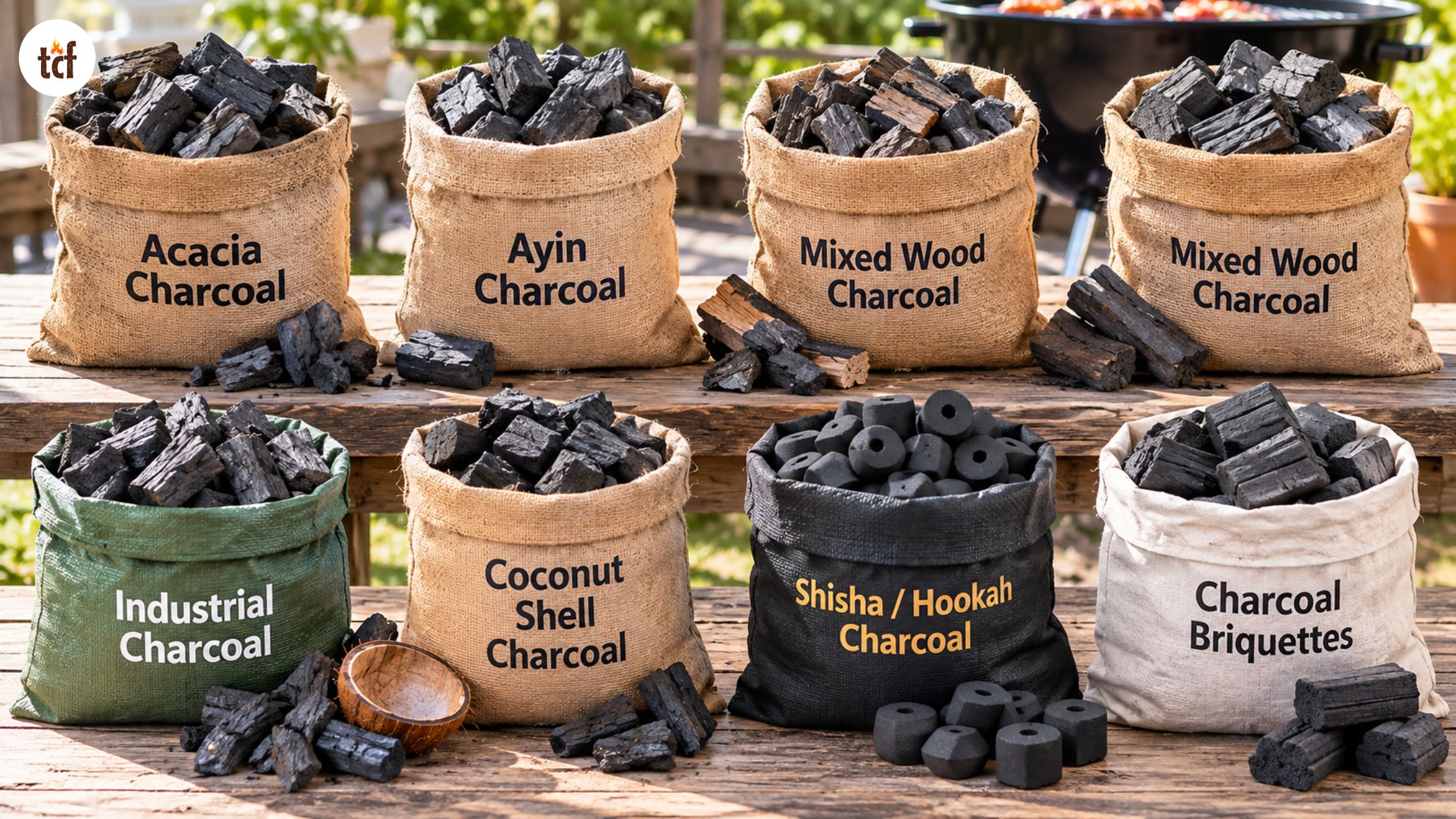
There are 5 main types of charcoal used for grilling: Lump Charcoal, Charcoal Briquettes, Hardwood Briquettes, Binchotan (White Charcoal), and Coconut Shell Charcoal. Each burns differently, costs differently, and impacts the flavour of your food in its own unique way. If you want the fastest, hottest, most natural option, go with lump charcoal. If you want consistency and affordability, briquettes win. And if you’re after an eco-friendly, long-burning fuel, coconut shell charcoal is hard to beat.
Key Takeaways
Place this box right after the opening paragraphs and before the “5 Main Types of Charcoal at a Glance” table.
- There is no single best charcoal. The right type depends on what you’re cooking and how. Charcoal affects heat, burn time, ash, and flavor as much as the cut of meat does.
- Lump charcoal is best for high-heat searing. It is all-natural, burns very hot (over 700°F), and lights in 15-20 minutes. It burns faster (1-2 hours), bags can be inconsistent, and it is the usual choice for kamado grills.
- Briquettes are the beginner-friendly everyday option. They are cheap, widely available, and burn steadily at about 600°F for 2-3 hours. They produce more ash, and food can taste “off” if you start cooking before they have fully ashed over (grey or white all over). Avoid match-light briquettes.
- Hardwood briquettes suit slow cooking and smoking. They burn for 3-4 hours, are easier to control than lump, and contain no coal dust or fillers. Check the label for additives.
- Binchotan is the premium choice. This Japanese white charcoal burns for 4-6 hours with near-zero smoke and ash and extremely high heat. It is expensive, takes 30-60 minutes to reach temperature, and is best for yakitori, fish, and special occasions. It can be reused after it is extinguished.
- Coconut shell charcoal is the most eco-friendly option. It is made from a by-product, so no trees are felled. It burns for 4-5 hours with very little smoke and ash and does not change food flavor. It takes longer to light, and quality varies by brand (some lower-grade versions may contain sulphur).
- The lump vs. briquettes decision is simple. Choose lump for fast, hot cooks under 90 minutes and for kamado grills. Choose briquettes for beginners, budgets, and steady heat over 2+ hours. Many experienced grillers keep both.
- Bad taste is usually avoidable. It comes from lighter-fluid briquettes, cooking before the coals have ashed over, or low-quality briquettes with a lot of filler.
- Burn times at a glance: lump 1-2 hours, standard briquettes 2-3, hardwood briquettes 3-4, coconut shell 4-5, binchotan 4-6.
Table of Contents
Why the Type of Charcoal You Use Actually Matters
The truth is, different types of charcoal produce different levels of heat, different burn durations, different ash levels, and dramatically different flavours. Whether you’re doing a quick weeknight cook or hosting a full summer BBQ, knowing your charcoal is the difference between an average meal and a memorable one.
The truth is, different types of charcoal produce different levels of heat, different burn durations, different ash levels, and dramatically different flavours. Whether you’re doing a quick weeknight cook or hosting a full summer BBQ (and if you’re gearing up for a big cookout this season, check out machine-made wood Charcoal — they’ve got everything from charcoal to grill tools in one easy kit), knowing your charcoal is the difference between an average meal and a memorable one.
In this guide, we break down the different types of charcoal, what real grillers are saying about each, and help you pick the best type of charcoal for your setup.
Do check out the – Charcoal in bulk
The 5 Main Types of Charcoal at a Glance
Lump charcoal is hottest, briquettes are cheapest, hardwood briquettes burn steadily, binchotan is the premium choice, and coconut shell is the most sustainable.
| Type | Heat Output | Burn Time | Ash Production | Price | Best For |
| Lump Charcoal | Very High | 1–2 hrs | Low | Medium–High | Searing, quick cooks |
| Charcoal Briquettes | Medium | 2–3 hrs | High | Low | Beginners, long cooks |
| Hardwood Briquettes | Medium–High | 3–4 hrs | Medium | Medium | Slow BBQ, smoking |
| Binchotan | Extremely High | 4–6 hrs | Near Zero | Very High | Premium grilling, yakitori |
| Coconut Shell Charcoal | High | 4–5 hrs | Very Low | Medium | Eco-friendly, long cooks |
1. Lump Charcoal — The All-Natural Crowd Favourite
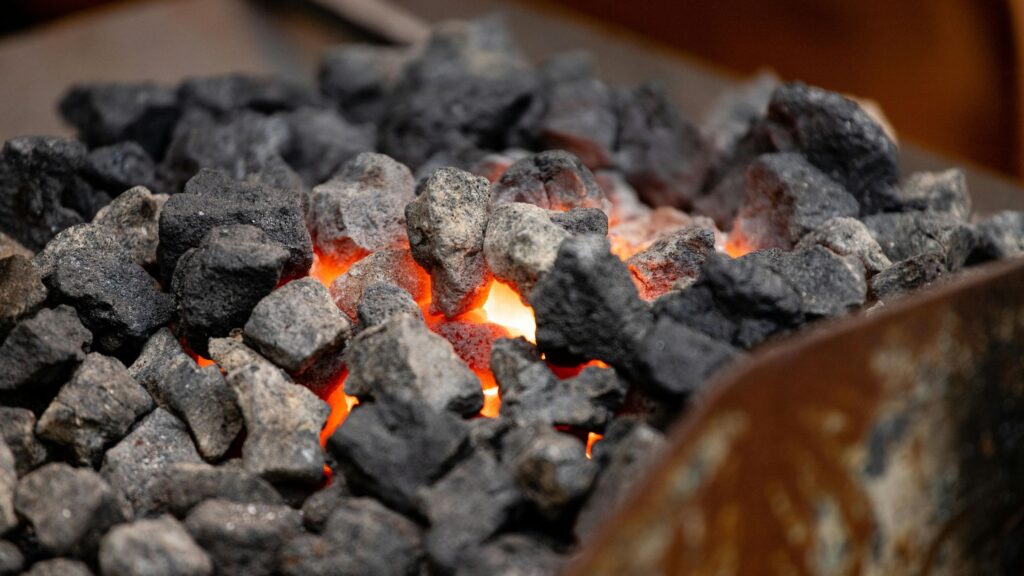
What it is: Lump charcoal is made by slowly burning chunks of hardwood (typically oak, hickory, or maple) in a low-oxygen environment until all the moisture, sap, and natural chemicals are burned off. What remains is nearly pure carbon in its most natural form.
What real people say: On forums and grilling communities, lump charcoal is consistently described as the go-to choice for purists. Grillers love that it contains zero additives, lights faster than briquettes, and reaches searing temperatures quickly. A common complaint is bag inconsistency: some lumps are too large, some are powder, but most experienced grillers say it’s worth it.
The pros:
- Burns hotter than briquettes (can exceed 700°F)
- Lights quickly — ready in 15–20 minutes with a chimney
- All-natural with no fillers, binders, or chemicals
- Very low ash production — easy cleanup
- Gives food a clean, natural smoky flavour
The cons:
- Burns faster, so you’ll use more charcoal in a long cook
- Bags can contain uneven, inconsistent pieces
- More expensive than standard briquettes
- Can be harder to maintain a consistent temperature
Best used for: High-heat searing of steaks, burgers, and chops. Also great for kamado-style grills.
Charcoal Factory Tip: Pair lump charcoal with a natural firelighter or chimney starter for the fastest, most reliable light-up, with no lighter fluid needed. Browse our wood charcoal for grilling.
2. Charcoal Briquettes — The Reliable Everyday Option
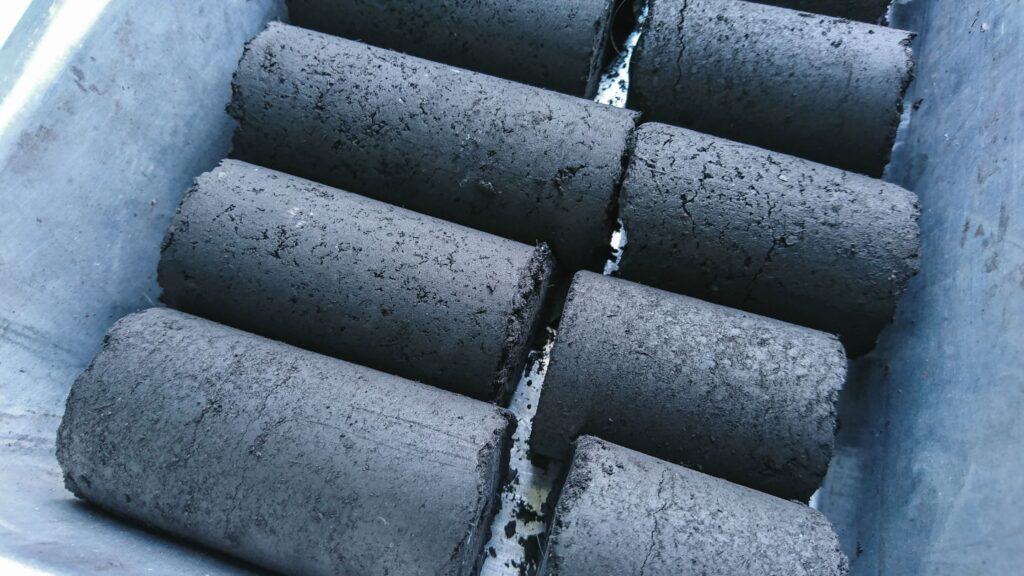
What it is: Briquettes are made from finely ground charcoal dust, sawdust, coal dust, starch binders, and sometimes limestone. They are pressed into uniform pillow shapes. Some versions (called match-light briquettes) also contain lighter fluid for instant ignition — though most experienced grillers advise against using these because of the chemical flavour they impart.
What real people say: Briquettes are the most widely discussed charcoal type online, and for good reason; they’re the most accessible. Beginners love them for their consistency and predictability. More advanced grillers often critique the additives and the “off” taste that can linger if the briquettes aren’t fully ashed over before cooking. The consensus: let them ash over completely (wait until they turn grey/white) and the taste issue mostly disappears.
The pros:
- The cheapest and most widely available option
- Burns at a consistent, predictable temperature (~600°F)
- Long, even burn time — great for slow cooks
- Easy to manage, especially for beginners
- Available at petrol stations and most supermarkets
The cons:
- Can produce a chemical or off-taste if cooking starts too soon
- Slower to light than lump charcoal
- Produces significantly more ash
- Contains additives and fillers
Best used for: Longer cooks, indirect cooking, and beginners getting into grilling.
Also read – How is bamboo charcoal is made
Charcoal Factory Tip: Stock up before the season hits. Machine-made bamboo charcoal is a great value buy ahead of bank holidays, Father’s Day grills, or summer garden parties.
3. Hardwood Briquettes — The Long-Burn Purist’s Choice
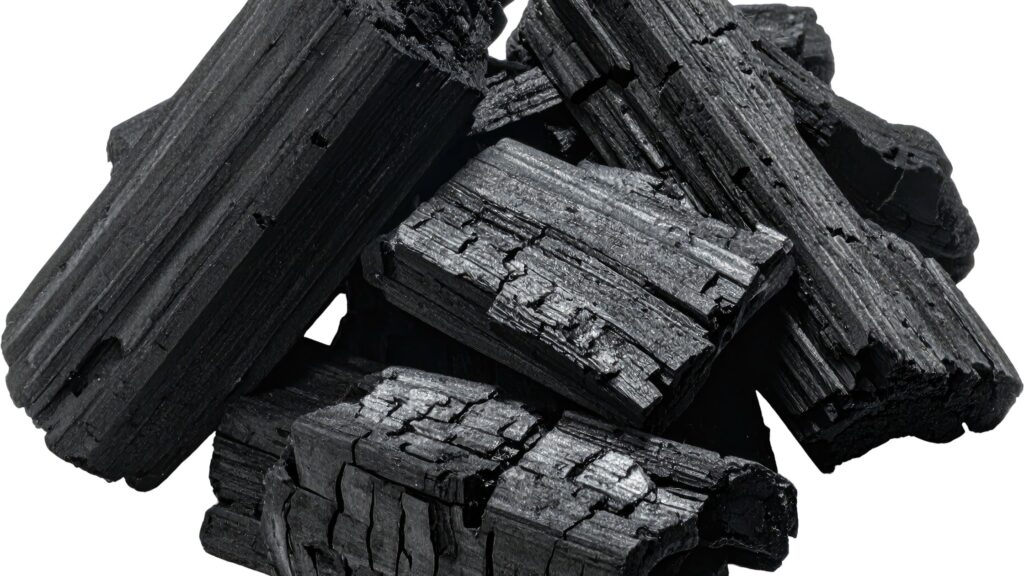
What it is: Hardwood briquettes take the best of both worlds: they’re made from 100% compressed natural hardwood (often without chemical binders), pressed into a uniform briquette shape.
Charcoal Factory Tip: Planning a big roast or slow-smoked feast for the holidays? Hardwood briquettes give you the steady heat you need. Browse our charcoal range to stock up for seasonal cooks.
The pros:
- Burns longer and more steadily than lump charcoal
- Easier to control the temperature than a lump
- More natural than standard briquettes
- Consistent burn — great for low-and-slow cooking
- Generally cheaper than premium lump charcoal
The cons:
- Can take longer to fully ignite
- Some hardwood briquettes may still emit a slight chemical smell if additives are present; always check the label
- Produces more ash than lump
Best used for: Smoking, indirect BBQ, brisket, ribs, chicken, anything that needs steady heat over 2+ hours.
Charcoal Factory Tip: Planning a big roast or slow-smoked feast for the holidays? Hardwood briquettes give you the steady heat it needs. Browse our charcoal range to stock up for seasonal cooks.
4. Binchotan (White Charcoal) — The Premium Japanese Standard
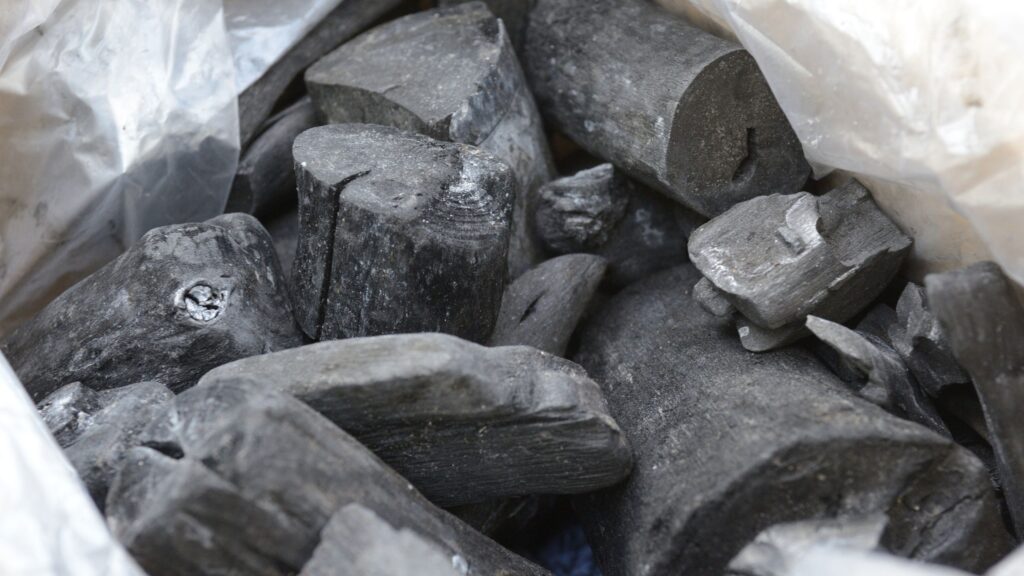
What it is: Binchotan, also called binchō-zumi or white charcoal, is considered the most premium charcoal in the world… followed by a final phase where oxygen is reintroduced and temperatures soar to around 980°C / 1,800°F.
What real people say: Binchotan is discussed with near-reverence by serious grillers and professional chefs. The near-zero smoke and odourless burn make it the only charcoal that genuinely does not interfere with food flavour at all. However, the 30–60 minute ignition time and high price point (often 5–10x the cost of standard charcoal) mean most home grillers use it for special occasions rather than everyday cooking. Choosing the right size of charcoal for grilling is important.
The pros:
- Burns for 4–6 hours and can be reused for 3 more hours after cooling
- Virtually zero smoke — no interference with food flavour
- Extremely high heat output
- Near-zero ash production
- Considered the gold standard for yakitori, Japanese BBQ, and high-end restaurants
- Reusable — simply extinguish and store
The cons:
- Very expensive and difficult to source
- Takes 30–60 minutes to fully come to temperature
- Not available in regular shops — specialist online orders needed
- Requires proper storage to maintain quality
Best used for: Special occasion grilling, Japanese BBQ (yakitori), high-end restaurants, or delicate proteins like fish and seafood where smoke interference must be minimal.
Also read – best charcoal to use
Charcoal Factory Tip: Looking to impress at a special dinner or holiday cookout? Premium charcoal makes an exceptional gift for the grill enthusiast in your life at Christmas or on birthdays. See our bamboo charcoal wholesale range.
Must read if you want to know which charcoal is best for grilling, wood vs coconut charcoal.
5. Coconut Shell Charcoal — The Sustainable, Long-Burn Choice
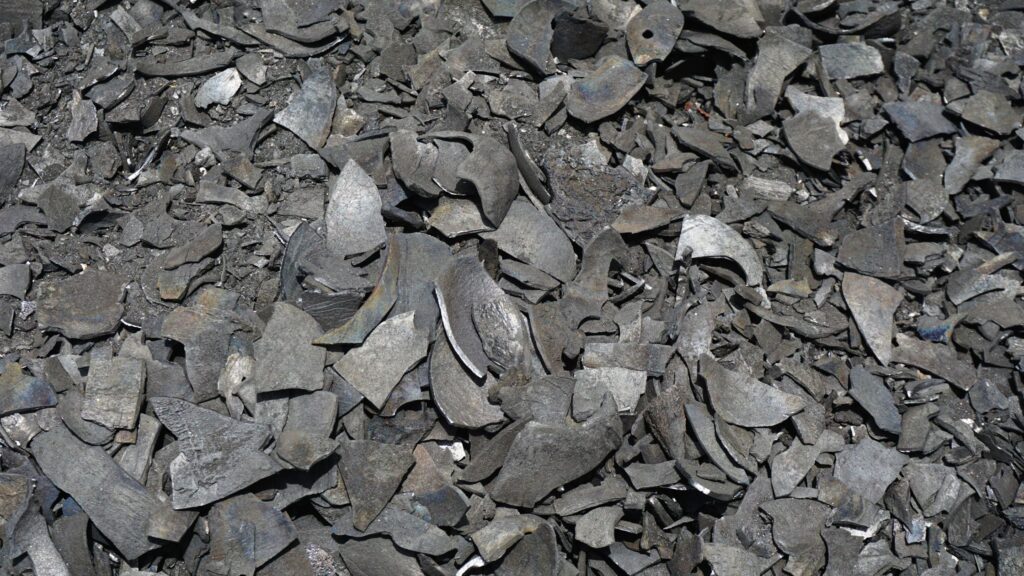
What it is: Coconut shell charcoal is made from discarded coconut shells a genuine by-product of the coconut industry, compressed into uniform cubes or hexagonal shapes. Because no trees are felled in its production, it is widely regarded as one of the most environmentally sustainable charcoal options available.
What real people say: Coconut shell charcoal has a growing and devoted following, especially among eco-conscious grillers. Users highlight its surprisingly long burn time and very low smoke output. It is often compared favourably to briquettes, burning hotter, cleaner, and longer. A common note is that it can take a little longer to get going than a lump, but once lit, it holds steady heat for hours. Some users note it may contain traces of sulphur depending on the brand, so sourcing quality-certified products is important.
The pros:
- Burns for 4–5 hours — excellent value per burn
- Produces very little smoke and ash
- Sustainable and eco-friendly — no deforestation
- Does not alter food flavour — a neutral, clean cook
- Burns at high temperatures — comparable to lump charcoal
The cons:
- Takes longer to light than lump charcoal
- Availability can be limited in some areas
- Quality varies by brand — some lower-grade versions may contain sulphur
- Slightly higher price than standard briquettes
Best used for: Eco-conscious grillers, long cooking sessions, shisha/hookah use, and anyone who wants a clean, steady burn without a heavy smoky flavour.
Charcoal Factory Tip: Machine-made shisha charcoal made from sustainably sourced coconut shell is a great gift idea for Earth Day, eco-minded friends, or anyone building a greener garden setup.
Also read – Best Charcoal Types for BBQ
Lesser-Known Charcoal Types Worth Knowing About
Thai Charcoal
Less common in the West but hugely popular across Southeast Asia, Thai charcoal is prized for its exceptionally long burn time (up to 4 hours even at high heat), near-zero smoke, and zero odour. It takes time to light up to 30 minutes but is ideal for low-and-slow egg-style cookers.
Bamboo Charcoal
A fast-burning, aromatic charcoal option that adds subtle flavour. It is more commonly used in Asian cuisines and is particularly well-suited for grilling fish and vegetables.
Must read – Top Countries Exporting Charcoal in 2026
Fruitwood Charcoal Blends (Apple, Cherry, Peach)
These blends add distinctive fruity, sweet smoke notes to food. Apple wood gives a mild, sweet flavour; cherry adds a slightly richer tone; peach creates a delicate aromatic smoke. These are niche options, but grillers who use them tend to become loyal converts.
Lump Charcoal vs Briquettes: The Most Common Debate
This is the most searched and debated topic among home grillers. Here’s the honest summary:
Choose Lump Charcoal if you:
- Want the hottest possible fire for searing
- Prefer a 100% natural, additive-free fuel
- Are doing a quick cook (under 90 minutes)
- Own a kamado grill (most require lump)
Choose Briquettes if you:
- Are a beginner who wants predictability
- Need to maintain steady temperatures for 2+ hours
- Are grilling on a budget
- Need something available at the last minute
The real-world answer from the grilling community: Most experienced grillers keep both on hand. Lump for weekend steaks and searing, briquettes for slow overnight cooks or when hosting a large group.
Which Is the Best Type of Charcoal?
There is no single “best”; charcoal types depend entirely on what you’re cooking and how you’re cooking it.
| Your goal | Best charcoal type |
| Hottest possible sear | Lump Charcoal |
| Long, consistent cook | Charcoal Briquettes or Hardwood Briquettes |
| Premium, flavour-neutral cook | Binchotan |
| Eco-friendly, long-burn | Coconut Shell Charcoal |
| Best for beginners | Charcoal Briquettes |
| Best for kamado grills | Lump Charcoal |
| Best for smoking/BBQ | Hardwood Briquettes |
Final Word
Understanding the different types of charcoal or charcoal types transforms you from someone who just “grills” to someone who truly cooks with intention. Whether you’re firing up a quick weeknight meal with lump charcoal, hosting a summer gathering with a big bag of briquettes, going eco with coconut shell charcoal, or splurging on binchotan for a special occasion, each type has a time, a place, and a purpose.
The best type of charcoal is simply the right one for the job at hand.
For Further Reading:
charcoal exporting countries
how is bamboo charcoal made
Charcoal HS Codes
lump charcoal vs briquettes
Can charcoal be reused
Best charcoal for smoking
Is lump charcoal healthier than briquettes?
Yes — lump charcoal contains no additives, binders, or chemicals. Standard briquettes may contain coal dust, starch binders, and limestone, which can produce more smoke and carry trace chemicals. For a cleaner, more natural cook, lump or coconut shell charcoal is a better option.
Can you mix different types of charcoal?
Absolutely. Many experienced grillers mix lump charcoal with briquettes to combine the high heat of lump with the longer, more consistent burn of briquettes.
What is the most eco-friendly charcoal?
Coconut shell charcoal is generally the most eco-friendly option, as it is made from a by-product (coconut shells) with no deforestation required. Look for FSC-certified lump charcoal as another sustainable option.
Why does my charcoal smell chemical or leave a bad taste?
This is almost always a result of either: (a) using match-light briquettes with lighter fluid — avoid these, (b) starting to cook before briquettes are fully ashed over — always wait until they are grey/white all over, or (c) using lower-quality briquettes with high filler content.
How long does charcoal burn?
Lump charcoal: 1–2 hours
Standard briquettes: 2–3 hours
Hardwood briquettes: 3–4 hours
Binchotan: 4–6 hours (reusable for 3 more hours)
Coconut shell charcoal: 4–5 hours
Types of Charcoal Grills
Kettle grills, barrel grills, and ceramic/kamado grills. They vary in shape, heat control, price, and how well they cook food.