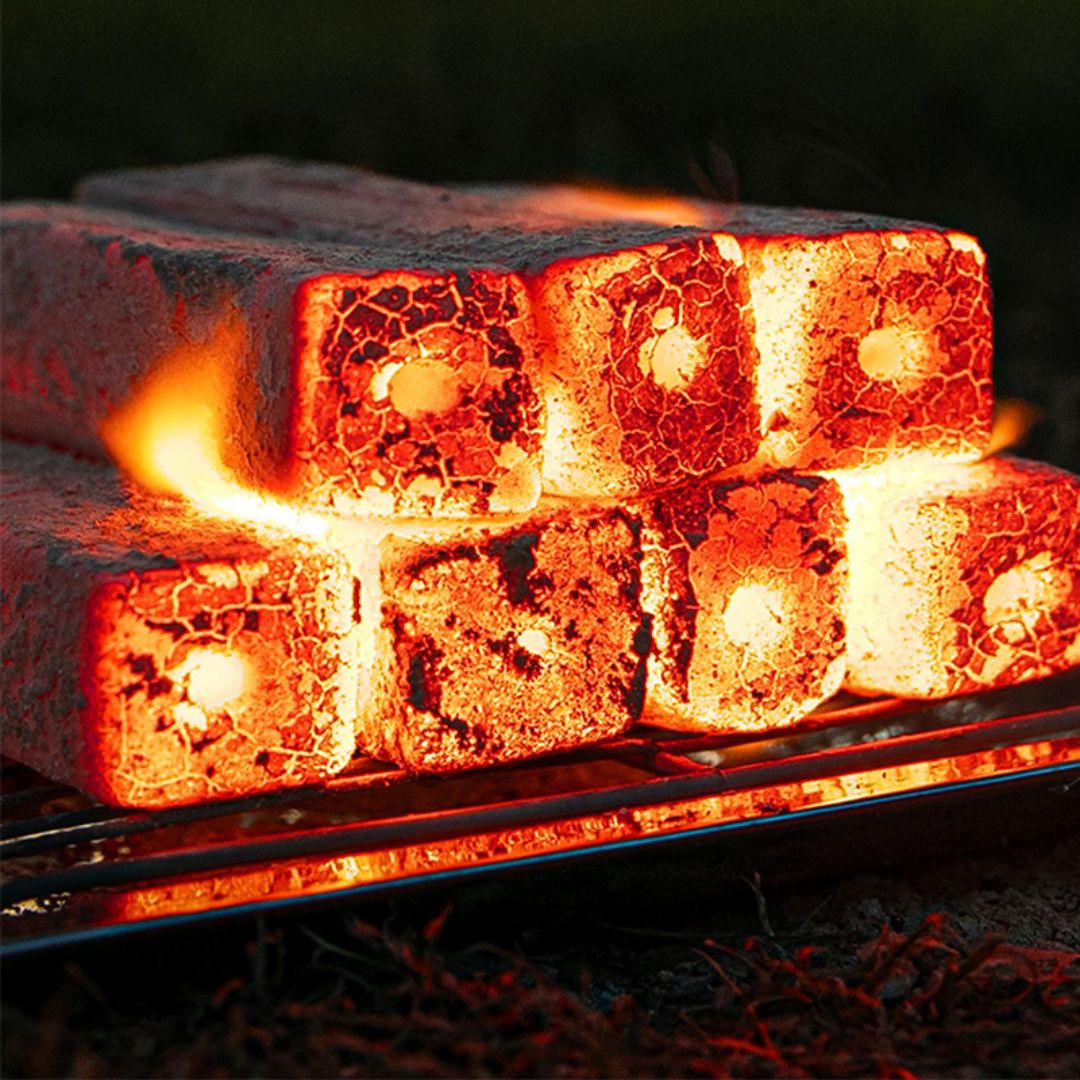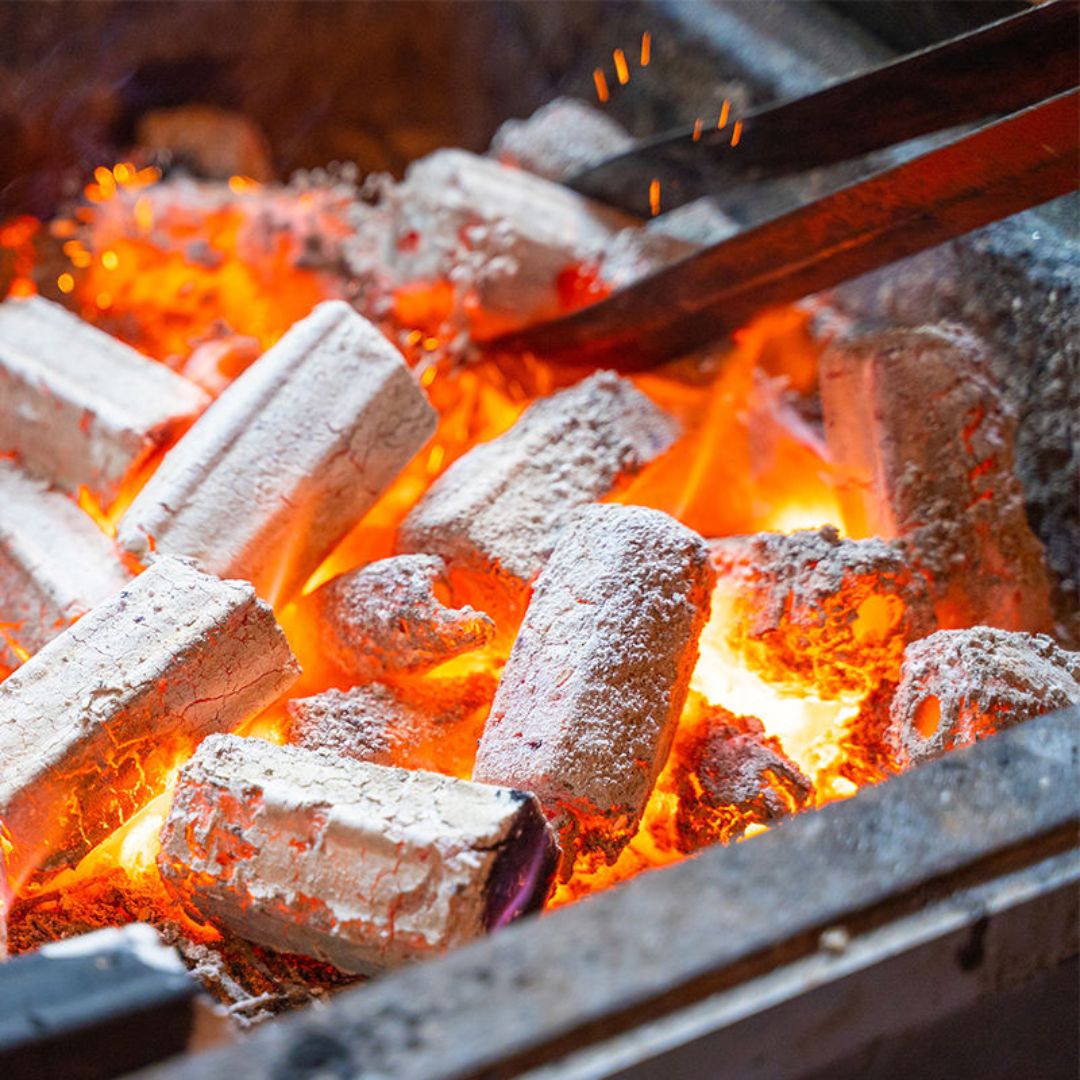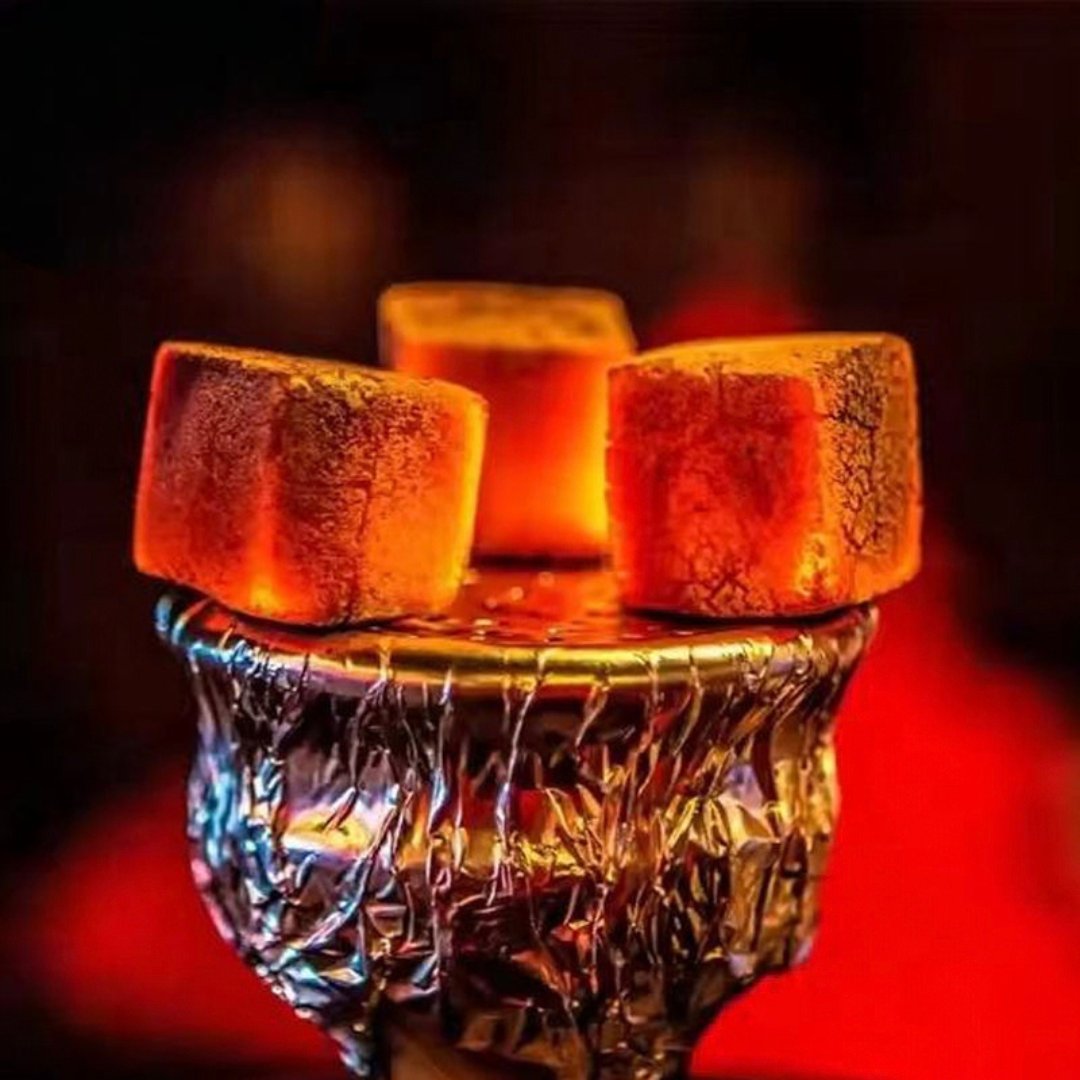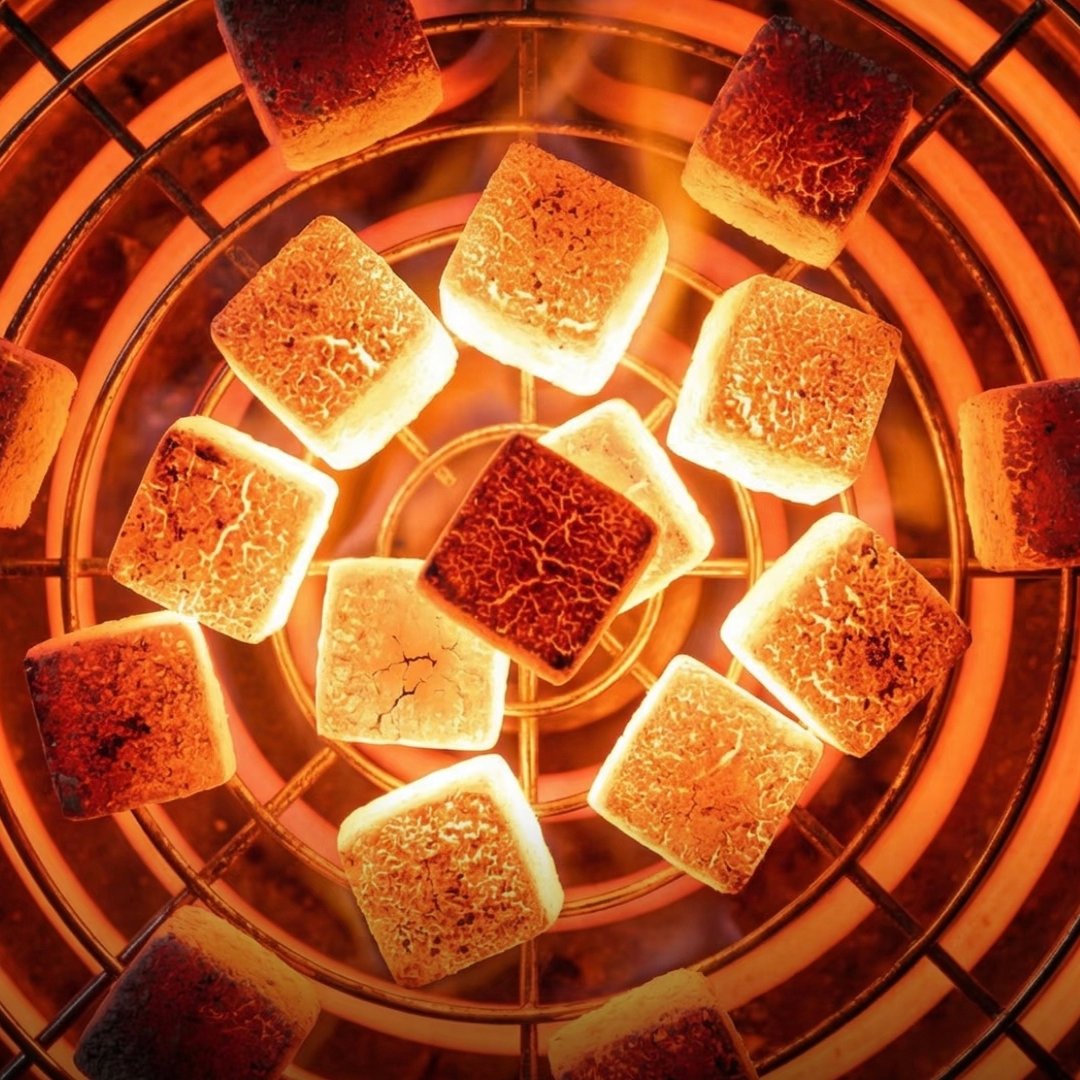



How to import charcoal from China? To import charcoal from China, you need to: identify the right charcoal type for your market, find a verified Chinese manufacturer, agree on FOB or CIF pricing, prepare the required import documents (Commercial Invoice, Packing List, Bill of Lading, Phytosanitary Certificate, Fumigation Certificate, and Certificate of Origin), use the correct HS code (4402.90 for most wood charcoal, 4402.10 for bamboo charcoal), and clear customs through a licensed broker. Most wood charcoal enters the USA, UK, and EU duty-free or at minimal tariff rates. A standard 40HQ container holds 18–26 tons and costs approximately $15,000–$25,000 landed, depending on destination and charcoal type.
Table of Contents
Why Import Charcoal from China?
China is the world’s largest charcoal exporter, supplying BBQ brands, wholesale distributors, supermarket chains, shisha lounges, and industrial buyers across the globe. The scale, material diversity, and manufacturing capability available in China is unmatched — from coconut charcoal briquettes produced from Southern China’s coconut belt to dense hardwood lump charcoal from Northern China’s oak and elm forests.
For importers in the USA, UK, and Europe, sourcing charcoal from China offers:
- Competitive FOB pricing across all charcoal types
- Large-scale production capacity for consistent, reliable supply
- Full private label and custom packaging capability
- International certifications, including CE, ISO, SGS, and FSC
- A wide product range under one roof — briquettes, lump, shisha, bamboo, and wood charcoal
Step 1: Choose the Right Charcoal Type for Your Market
Before initiating any supplier contact, be clear on what charcoal type your end market actually demands. Different markets have very different preferences.
| Charcoal Type | Best For | Key Markets | Typical FOB (China) |
| Charcoal Briquettes | BBQ retail, supermarkets, grilling | USA, UK, Germany | $550–$800/ton |
| Bulk Lump Charcoal | Restaurants, high-heat grilling | USA, UK, France | $600–$900/ton |
| Coconut Charcoal Briquettes | Shisha cafes, eco-focused retail | UK, Germany, Middle East | $700–$1,000/ton |
| Shisha / Hookah Charcoal | Hookah lounges, shisha distributors | UK, France, Netherlands | $700–$1,100/ton |
| Bamboo Charcoal | Eco-retail, filtration, deodorizing | EU, USA | $650–$950/ton |
| Wood Charcoal | Industrial, restaurant, BBQ | USA, UK, EU broadly | $550–$850/ton |
Market-specific notes:
- USA: Buyers prioritize high-heat lump charcoal for grilling and BBQ competition use. FDA-compliant packaging and country of origin labelling are required. Wholesale BBQ charcoal in bag formats (8lb, 10lb, 20lb) is the retail standard.
- UK: Strong demand for both BBQ briquettes and shisha/hookah charcoal, driven by a large Middle Eastern diaspora and vibrant shisha café culture. Wholesale hookah charcoal and coconut shell briquettes perform particularly well.
- Europe (Germany, Netherlands, France): FSC certification and EUDR (EU Deforestation Regulation) compliance are increasingly mandatory. Eco-labelled, smokeless charcoal is preferred. Bamboo and coconut variants are gaining strong retail traction.
Step 2: Find a Verified Chinese Charcoal Manufacturer
Always source directly from manufacturers — not trading companies. Traders typically add 15–30% markup without improving quality or documentation. A legitimate Chinese charcoal manufacturer will provide:
- Product specifications: fixed carbon %, moisture %, ash content %, and burn time
- Third-party test reports (SGS, Intertek, or equivalent)
- Factory photos and warehouse images
- Export documentation support (all certificates)
- Flexible MOQs and custom packaging capability
What to look for in a Chinese charcoal manufacturer:
- Verified export track record to your target market (USA, UK, or EU)
- Relevant certifications for your destination (CE for Europe, FSC for EU EUDR compliance)
- Capacity to handle your volume — at least 10–20 containers per month for serious buyers
- Private label or white label support if you’re building a retail brand
The Charcoal Factory offers the full range of product types — including machine-made shisha charcoal, shaped wood charcoal, machine-made bamboo charcoal, and shaped bamboo charcoal — and supplies importers, distributors, and supermarket private label programmes globally.
Step 3: Get a Quotation and Agree on Trade Terms
Once you’ve identified your supplier, request a formal quotation. The two most common trade terms for charcoal imports from China are:
FOB (Free On Board): The supplier delivers the goods to the named Chinese port. You arrange and pay for international freight, insurance, and import customs. FOB gives you more control over shipping costs and carrier choice.
CIF (Cost, Insurance & Freight): The supplier arranges and pays for freight and insurance to your destination port. You handle customs clearance and last-mile delivery. CIF is more convenient for first-time importers but less transparent on shipping costs.
Standard payment terms from Chinese charcoal manufacturers:
- 30% deposit on order confirmation
- 70% balance before container is released / after Bill of Lading issued
- Payment via T/T (Telegraphic Transfer) is standard; Letter of Credit (L/C) available for larger orders
What to confirm in your quotation:
- MOQ — typically 1 x 40HQ container (18–26 tons depending on product and packaging)
- Lead time — usually 15–30 days from deposit receipt
- Packaging format — bag weight, material (kraft paper, woven polypropylene, vacuum sealed), branding options
- Certifications included with the shipment
Also read – How to Import Charcoal From China
Step 4: Understand the HS Codes for Charcoal Imports
Getting the Harmonized System (HS) code right is critical. It determines your import duty rate and the documentation your customs broker will require. Using the wrong code can cause delays, fines, or reclassification at the border.
| HS Code | Description | Covers | USA Duty | UK Duty | EU Duty |
| 4402.10 | Wood charcoal — bamboo | Bamboo charcoal, bamboo briquettes | 0% | 0% | 0% |
| 4402.90 | Wood charcoal — other | Hardwood lump, wood briquettes, coconut shell charcoal | 0% | 0% | 0% |
| 3802.10 | Activated carbon | Activated charcoal for filtration/industrial use | 4.8% | 3.5% | 6.5% |
Most bulk charcoal imported from China falls under HS 4402.90 or 4402.10, both of which enter the USA, UK, and EU at 0% import duty. This is a major advantage compared to many other commodity imports.
Important note for USA importers (post-2025 tariff landscape): Always verify current US tariff schedules with your customs broker, as additional Section 301 tariffs on Chinese goods have affected some product categories. Wood charcoal under HS 4402 has historically been low-impact, but confirm with a licensed customs broker before finalizing your order.
Step 5: Prepare Your Import Documentation
This is where most first-time importers run into delays. Every document listed below serves a specific customs or regulatory purpose. Missing even one can hold your container at port, costing you demurrage fees of $100–$300 per day.
Documents Your Chinese Supplier Provides:
Commercial Invoice — Details the buyer, seller, product description, quantity, unit price, and total value. Used by customs to assess the shipment value.
Packing List — Line-by-line breakdown of what is inside every carton and pallet in the container. Must match the Commercial Invoice exactly.
Bill of Lading (B/L) — Issued by the shipping line. This is the title document for your goods — you need the original B/L to take possession of the container at the destination port.
Certificate of Origin (CO) — Confirms the goods were manufactured in China. Required by customs in most destinations.
Phytosanitary Certificate — Issued by China’s General Administration of Customs. Certifies the charcoal is free from pests and plant diseases. Required in the USA, UK, and EU for all wood-derived products including charcoal.
Fumigation Certificate — Confirms wooden pallets and packaging comply with ISPM-15 international phytosanitary standards (heat treatment or methyl bromide treatment). Without this, your container can be rejected at the port of entry.
SGS or Third-Party Test Report — Independent quality verification showing fixed carbon content, moisture, ash, and other product parameters. Not always mandatory at customs but increasingly required by retail buyers and restaurant chains.
Documents You Prepare on Your End:
- Customs Entry / Import Declaration — Filed by your licensed customs broker in your country
- Import Bond (USA) — Required by US Customs and Border Protection (CBP) for commercial imports
- VAT/GST Registration (UK & EU) — You will pay import VAT at the port; ensure you are registered to reclaim it
Step 6: Arrange Sea Freight from China
Sea freight is the only practical option for bulk charcoal imports. Air freight is cost-prohibitive at commercial volumes.
Container Options:
20ft container: Holds approximately 10–14 tons of charcoal. Suitable for trial orders or smaller importers.
40HQ (High Cube) container: Holds approximately 18–26 tons depending on charcoal type and packaging density. This is the standard commercial import unit and gives you the best cost per ton.
Estimated Sea Freight Costs from China (2025):
| Destination | Transit Time | Estimated Freight (40HQ) |
| Los Angeles / Long Beach (USA) | 18–24 days | $2,500–$4,500 |
| New York / East Coast USA | 25–35 days | $3,500–$5,500 |
| Felixstowe / Southampton (UK) | 25–32 days | $2,500–$4,000 |
| Rotterdam (Netherlands) | 25–32 days | $2,500–$4,000 |
| Hamburg (Germany) | 28–35 days | $2,800–$4,200 |
| Antwerp (Belgium) | 26–33 days | $2,600–$4,000 |
Freight rates fluctuate with global shipping market conditions. Always get live quotes from your freight forwarder at the time of booking.
Work with a freight forwarder experienced in Chinese commodity exports. They will handle the booking, container collection from the factory, export customs in China, and delivery to the destination port.
Step 7: Clear Customs and Take Delivery
Once your container arrives at the destination port, your customs broker will:
- File the import declaration using the Bill of Lading, Commercial Invoice, Packing List, and Phytosanitary Certificate
- Pay any applicable import duties (typically 0% for charcoal under HS 4402) and import VAT
- Obtain customs release — typically 2–5 business days in the USA and UK, 3–7 days in the EU
- Arrange port pickup and delivery to your warehouse
Customs tips for each market:
- USA: Ensure your Commercial Invoice clearly states the country of origin (China) and product description (e.g., “Wood charcoal, not agglomerated, HS 4402.90”). CBP may request additional information on the manufacturing process.
- UK: Post-Brexit, all imports from China require a UK customs declaration. HMRC’s CHIEF/CDS system is used. Confirm that your supplier’s Certificate of Origin is stamped by the China Council for the Promotion of International Trade (CCPIT).
- EU: The EU Deforestation Regulation (EUDR) requires importers to demonstrate that charcoal was not produced from illegally deforested land. FSC-certified charcoal simplifies compliance significantly. Request FSC chain-of-custody documentation from your supplier.
Full Cost Breakdown: Importing One 40HQ Container of Charcoal from China
Here is a realistic landed cost estimate for importing a full 40HQ container of charcoal briquettes (22 tons) from China to three key destinations:
| Cost Item | To USA (West Coast) | To UK (Felixstowe) | To EU (Rotterdam) |
| Charcoal – 22 tons @ $650/ton | $14,300 | $14,300 | $14,300 |
| Sea freight (40HQ) | $3,000–$4,000 | $2,500–$3,500 | $2,500–$3,500 |
| Origin charges (China) | $300–$500 | $300–$500 | $300–$500 |
| Insurance (~0.3% of cargo value) | $45–$55 | $45–$55 | $45–$55 |
| Import duty (HS 4402.90) | 0% | 0% | 0% |
| Customs clearance | $400–$700 | $350–$600 | $400–$700 |
| Port handling & local delivery | $600–$1,200 | $500–$900 | $500–$900 |
| TOTAL LANDED COST | $18,645–$20,755 | $17,995–$19,855 | $18,045–$19,955 |
| Cost per kg (landed) | $0.85–$0.94/kg | $0.82–$0.90/kg | $0.82–$0.91/kg |
At a landed cost of $0.82–$0.94/kg, charcoal briquettes typically retail between $1.80–$3.50/kg in Western markets, giving distributors and importers healthy margins. Shisha and hookah charcoal commands a premium over standard BBQ briquettes, often retailing at $3–$6/kg in the UK and European markets.
Regulatory Requirements by Destination
Importing Charcoal into the USA
- HS Code: 4402.90 (hardwood/wood charcoal), 4402.10 (bamboo charcoal)
- Import duty: 0% (confirm current Section 301 status with your broker)
- Required documents: Commercial Invoice, Packing List, Bill of Lading, Phytosanitary Certificate, Fumigation Certificate (ISPM-15 pallets), Certificate of Origin
- Labelling requirements: Country of origin (“Made in China”) must appear on retail packaging; net weight in US customary units (lbs); FDA-compliant food-contact labelling for BBQ charcoal
- Key agency: US Customs and Border Protection (CBP)
- No import licence required for standard wood charcoal
Importing Charcoal into the UK
- HS Code: 4402.90 / 4402.10 (same as international standards post-Brexit)
- Import duty: 0% under UK Global Tariff for HS 4402
- Import VAT: 20% (reclaimable if VAT-registered)
- Required documents: All standard documents plus UK customs declaration via HMRC CDS
- EUDR equivalent: The UK is developing its own Forest Risk Commodities regulation — FSC certification is strongly recommended to future-proof your supply chain
- Labelling requirements: English-language labelling, net weight in metric, country of origin
- Key agency: HMRC (customs), APHA (phytosanitary checks)
Importing Charcoal into Europe (EU)
- HS Code: 4402.90 / 4402.10
- Import duty: 0% under EU Common External Tariff for HS 4402
- Import VAT: Varies by country (19–25%); reclaimable for VAT-registered businesses
- EUDR Compliance (mandatory from 2025): Charcoal is listed as a regulated commodity under the EU Deforestation Regulation. Importers must submit a due diligence statement confirming products are not linked to deforestation. FSC-certified charcoal is the most practical route to compliance.
- Required documents: All standard documents plus EUDR due diligence statement; EUR.1 or Generalized Scheme of Preferences certificate may be required depending on origin
- Key entry ports: Rotterdam, Hamburg, Antwerp, Felixstowe (if routing through the UK)
- Key agency: European Customs (varies by member state), EUDR enforcement authority
Common Mistakes When Importing Charcoal from China
1. Skipping sample orders. Always request product samples before committing to a container. A $50–$100 sample shipment can prevent a $20,000 quality disaster. Test moisture content, burn time, ash output, and packaging durability.
2. Using the wrong HS code. Bamboo charcoal (4402.10) and wood charcoal (4402.90) have the same 0% duty in most markets, but the codes affect customs documentation and statistical records. Activated charcoal (3802.10) is classified entirely differently and attracts higher duty rates. Confirm with your broker.
3. Missing the Fumigation Certificate. All wooden pallets used in Chinese exports must comply with ISPM-15 (either heat-treated or methyl bromide fumigated). Missing this certificate means your container can be held, fumigated at your expense at the destination port, or rejected.
4. Overlooking EUDR requirements. EU importers who ignore the EU Deforestation Regulation face significant fines and container seizures. If you’re importing into the EU, only work with suppliers who can provide FSC certification and EUDR-compatible traceability documentation.
5. Choosing a trading company over a manufacturer. Many Chinese suppliers presented on B2B platforms are trading intermediaries who source from third-party factories. This adds cost, reduces quality control, and complicates certification. Always verify you are dealing directly with a manufacturer.
6. Not specifying the moisture content in the contract. Charcoal with moisture above 5–7% will perform poorly in BBQ and shisha applications and may develop mould in transit. Specify maximum moisture in your purchase contract and require moisture test reports from SGS or equivalent.
7. Ignoring packaging requirements for your market. UK and EU retailers have specific labelling laws. US retailers require imperial weight labelling. Confirm all packaging specifications — language, weight units, certifications displayed, barcode format — with your supplier before production begins. Private label charcoal programmes handle this by default.
Charcoal Import Checklist for USA, UK & Europe
Use this before placing your first container order:
- Charcoal type and specification confirmed (fixed carbon %, moisture %, ash %)
- HS code verified with customs broker (4402.10, 4402.90, or 3802.10)
- Supplier verified — manufacturer, not trader; export track record confirmed
- Samples received and tested
- FOB or CIF pricing agreed; payment terms confirmed
- All documents requested: Commercial Invoice, Packing List, B/L, CO, Phytosanitary, Fumigation, SGS report
- FSC certification confirmed (essential for EU; strongly recommended for UK)
- Packaging format, language, and labelling confirmed for target market
- Freight forwarder and customs broker appointed
- Import VAT/bond arranged
- EUDR due diligence statement prepared (EU importers)
- Warehouse space confirmed for container receipt
Frequently Asked Questions
Do I need a licence to import charcoal from China into the USA?
No specific import licence is required for wood charcoal (HS 4402) in the USA. You need standard customs registration, a licensed customs broker, and a US importer of record bond. Some states may have additional retail or wholesale business licensing requirements.
Do I need a licence to import charcoal into the UK?
No specific licence is required for standard wood charcoal imports into the UK. You need a UK EORI number to file customs declarations and must register for import VAT if your business is VAT-registered.
What is the minimum order quantity (MOQ) for importing charcoal from China?
One 40HQ container (approximately 18–26 tons) is the standard commercial MOQ. Some suppliers offer LCL (Less than Container Load) shipments for trial orders, but the per-ton cost is significantly higher. For first-time importers, one full container is the recommended starting point to properly test quality and market demand.
How long does it take to import charcoal from China?
Total lead time from order to warehouse delivery is typically 6–10 weeks: 15–30 days production lead time + 18–35 days sea transit + 3–7 days customs clearance + 2–5 days local delivery. Plan inventory accordingly — most established importers maintain 3–4 months of forward stock.
Is FSC certification mandatory for importing charcoal into the EU?
FSC certification is not legally mandatory, but the EU Deforestation Regulation (EUDR) requires importers to provide a due diligence statement confirming the charcoal is not linked to deforestation. In practice, FSC chain-of-custody documentation from your Chinese supplier is the most efficient way to satisfy this requirement.
Can I import charcoal from China under my own brand?
Yes. Many Chinese charcoal manufacturers, including The Charcoal Factory, offer full private label services — custom bag design, branding, and retail-ready packaging for supermarket private label programmes and wholesale distribution.