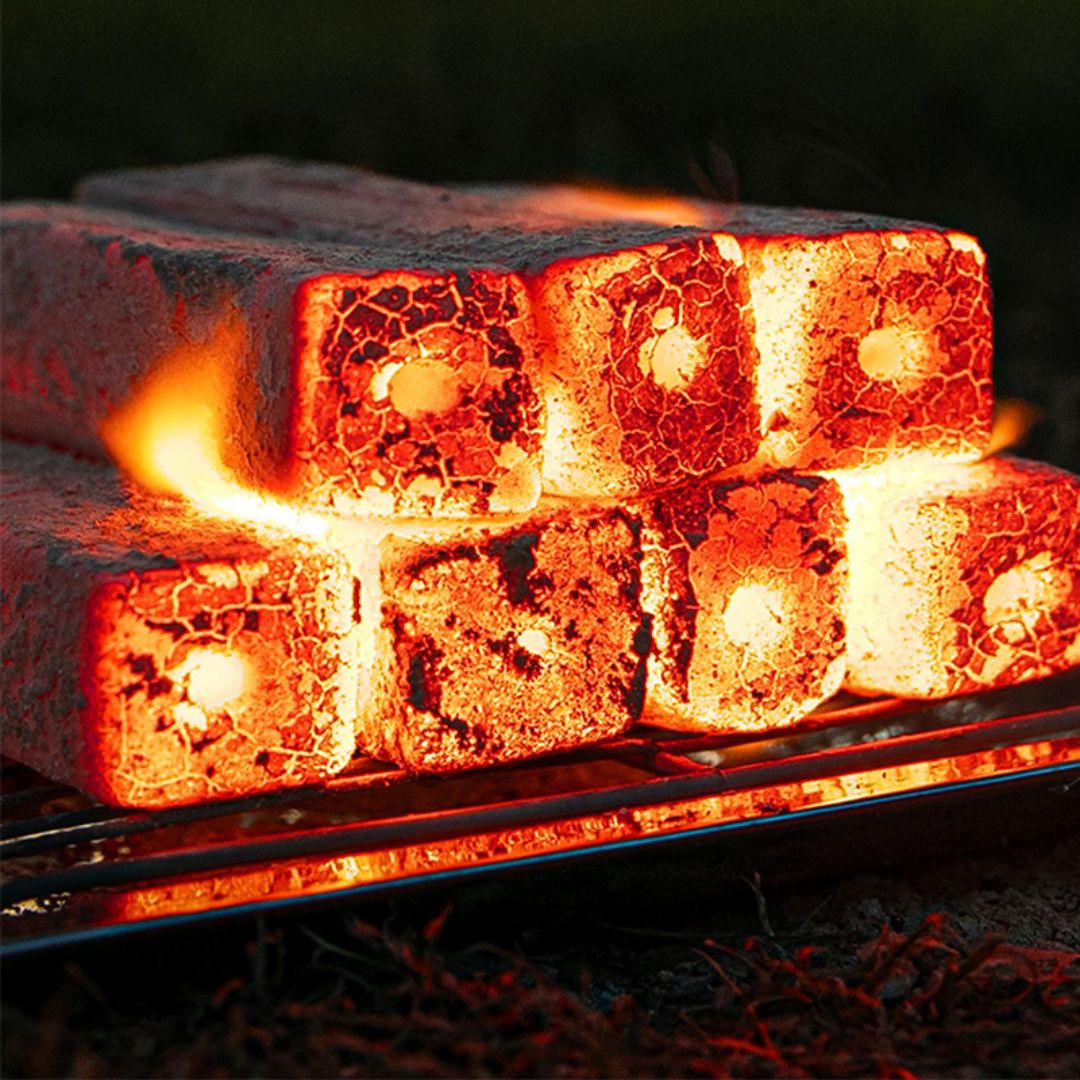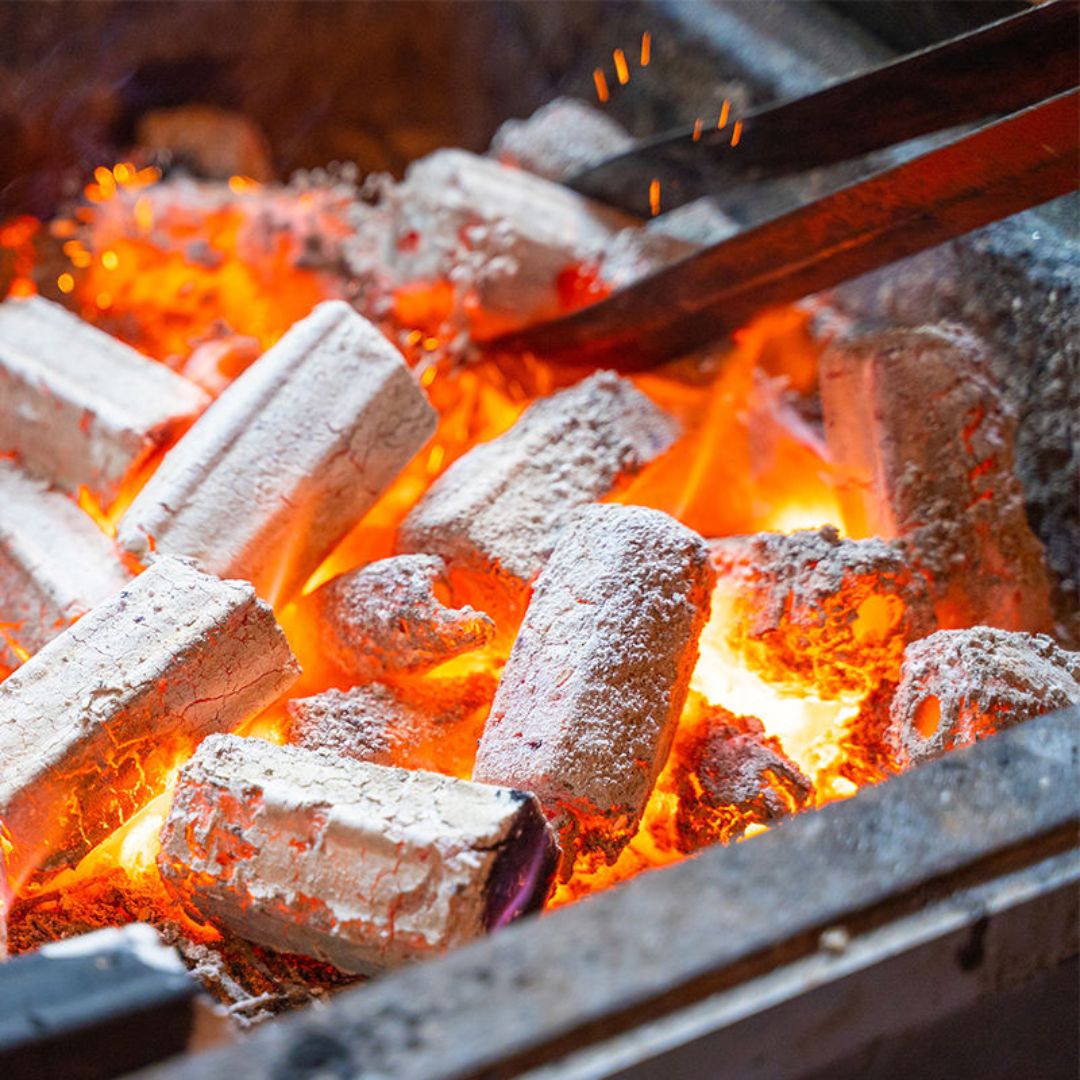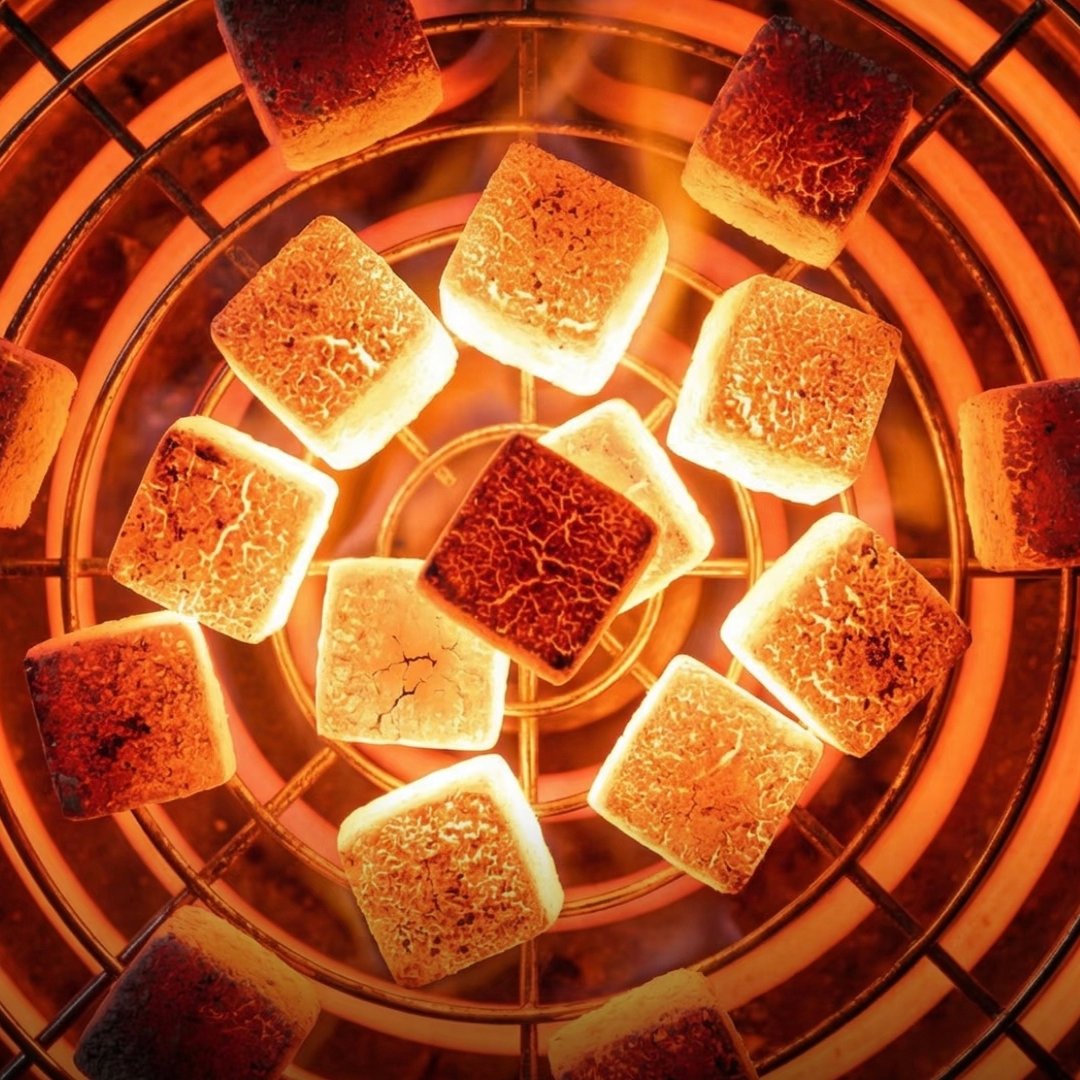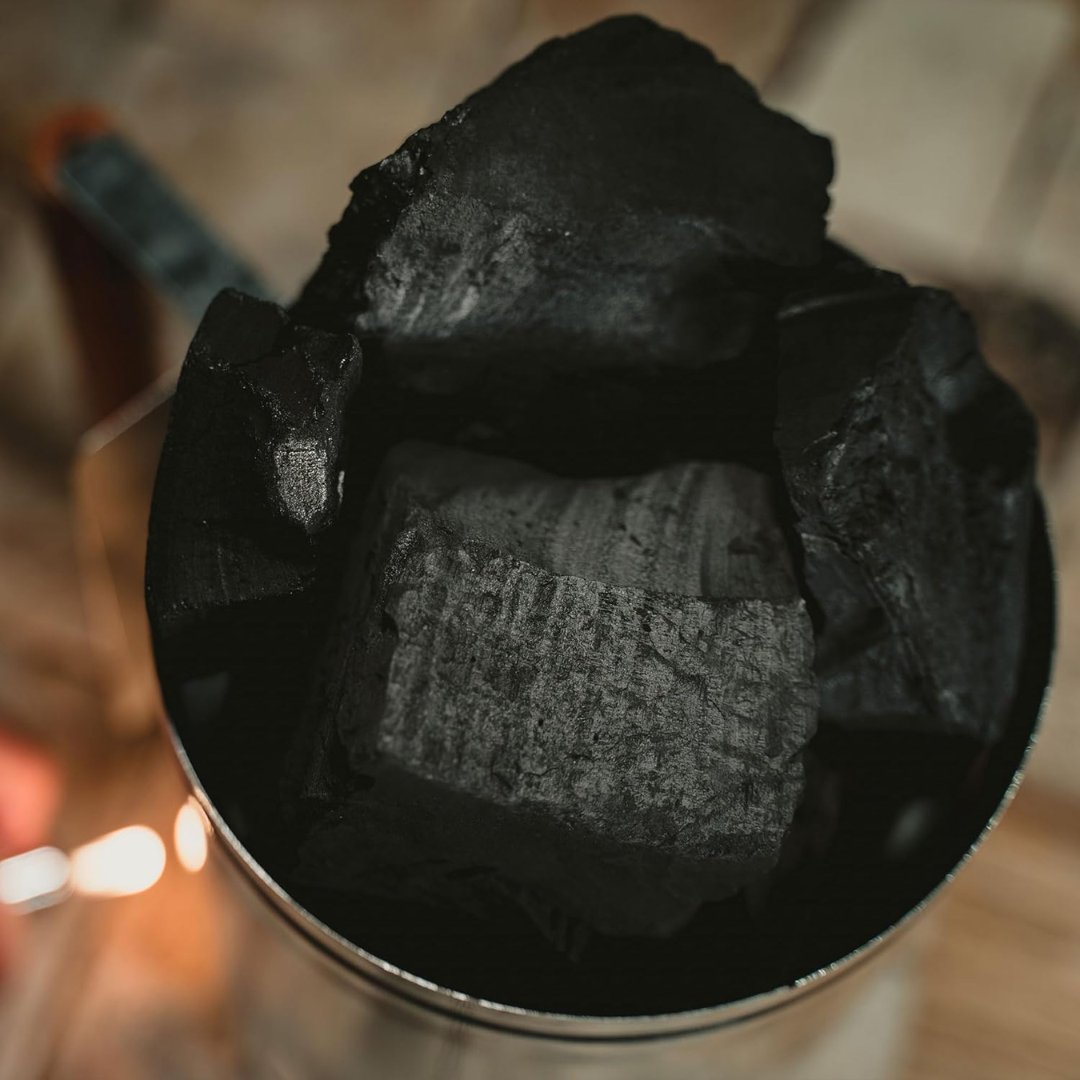



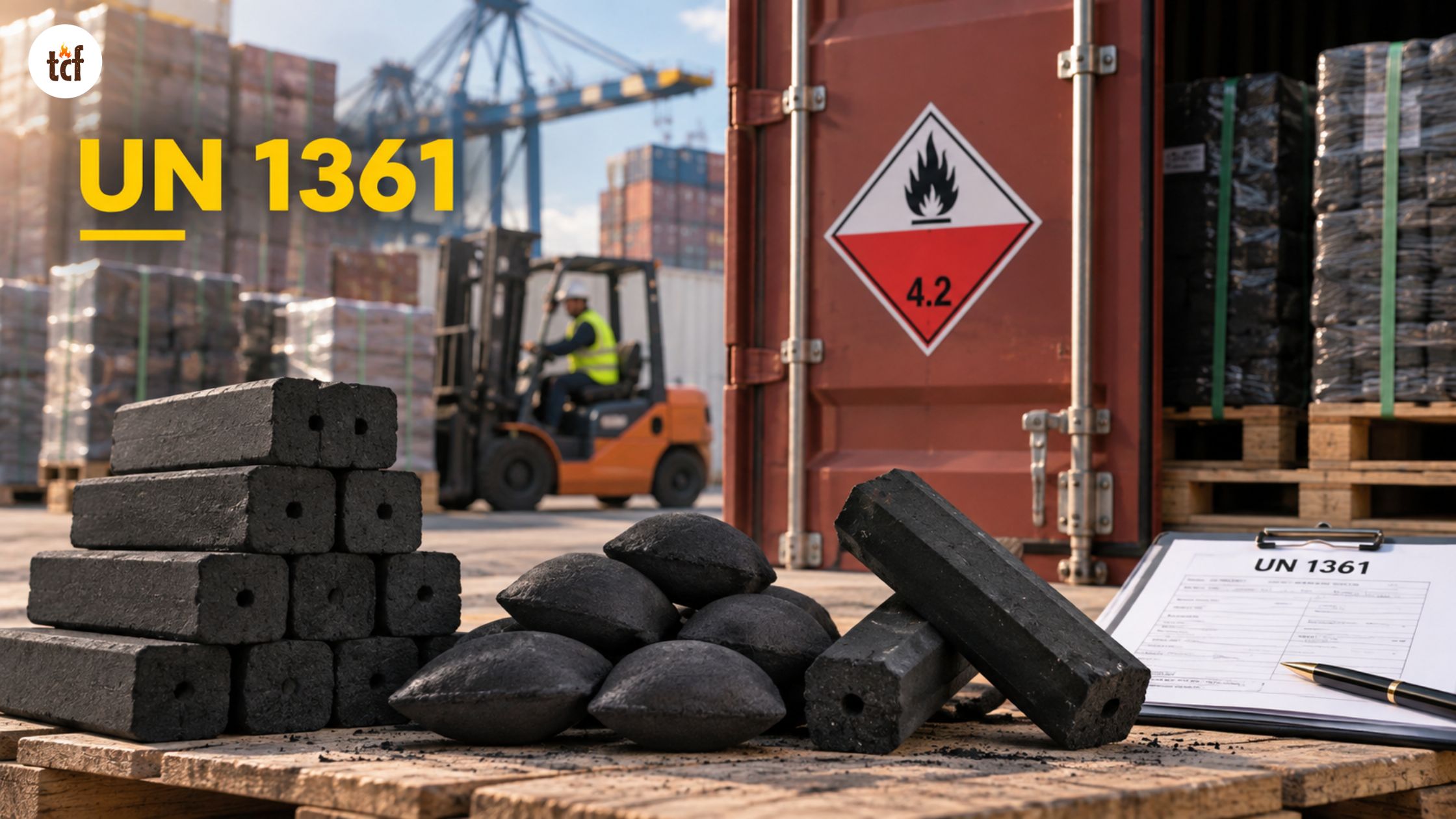
Charcoal dangerous goods shipping: Charcoal shipped by sea must now be declared as Dangerous Goods under UN1361, Class 4.2 (spontaneously combustible), regardless of prior “tested safe” exemptions. This comes from IMDG Amendment 42-24, voluntary from January 1, 2025, and mandatory from January 1, 2026.
Here’s what UN1361 actually requires, why the rule changed, and what it means for anyone importing or exporting charcoal.
Table of Contents
What is UN1361?
UN1361 is the UN shipping classification for “Carbon, animal or vegetable origin,” covering charcoal, charcoal briquettes, biochar, and similar carbon products. It falls under Class 4.2: substances liable to spontaneous combustion.
The classification isn’t new. What changed is how charcoal qualifies for it. Charcoal used to be testable out of Dangerous Goods status using the NH4 self-heating test. That exemption path is gone under the new rules.
Why the rule changed
Between 2015 and 2022, 68 container ship fires were directly linked to charcoal cargo. Charcoal can self-heat and ignite days after loading, deep inside a sealed container, well after the point where a pre-shipment test would have caught it.
Regulators concluded the old testing method wasn’t catching that risk. IMDG Amendment 42-24 replaces “test it and hope” with fixed process controls that apply to every shipment, with no exceptions based on prior test results.
Must read – charcoal ash content moisture specs
What is Special Provision 978 (SP978)?
SP978 is the specific rule set attached to UN1361 under the new amendment. It sets out 4 core requirements:
- Weathering period: charcoal must be weathered for at least 14 days after production before packing, in covered, open storage. Alternatively, it can be packed under inert gas immediately after pyrolysis, followed by 24 hours of storage.
- Temperature limit: the material’s temperature can’t exceed 40°C on the day it’s packed.
- No unpackaged bulk containers: charcoal can no longer move in a container as loose bulk cargo with no packaging.
- UN-approved packaging only: shipments must use certified packaging built for Class 4.2 goods.
What packaging is allowed
Charcoal must go into UN-approved and certified packaging rated for Class 4.2 substances. Certain packaging types are specifically excluded: 5H1, 5L1, and 5M1 bags are not allowed under the current rules.
If you’re currently using standard woven or plastic sacks without a UN certification code, they don’t qualify. Confirm your packaging supplier can provide UN marking and test certificates before you commit to a run.
Marking, labelling, and placarding
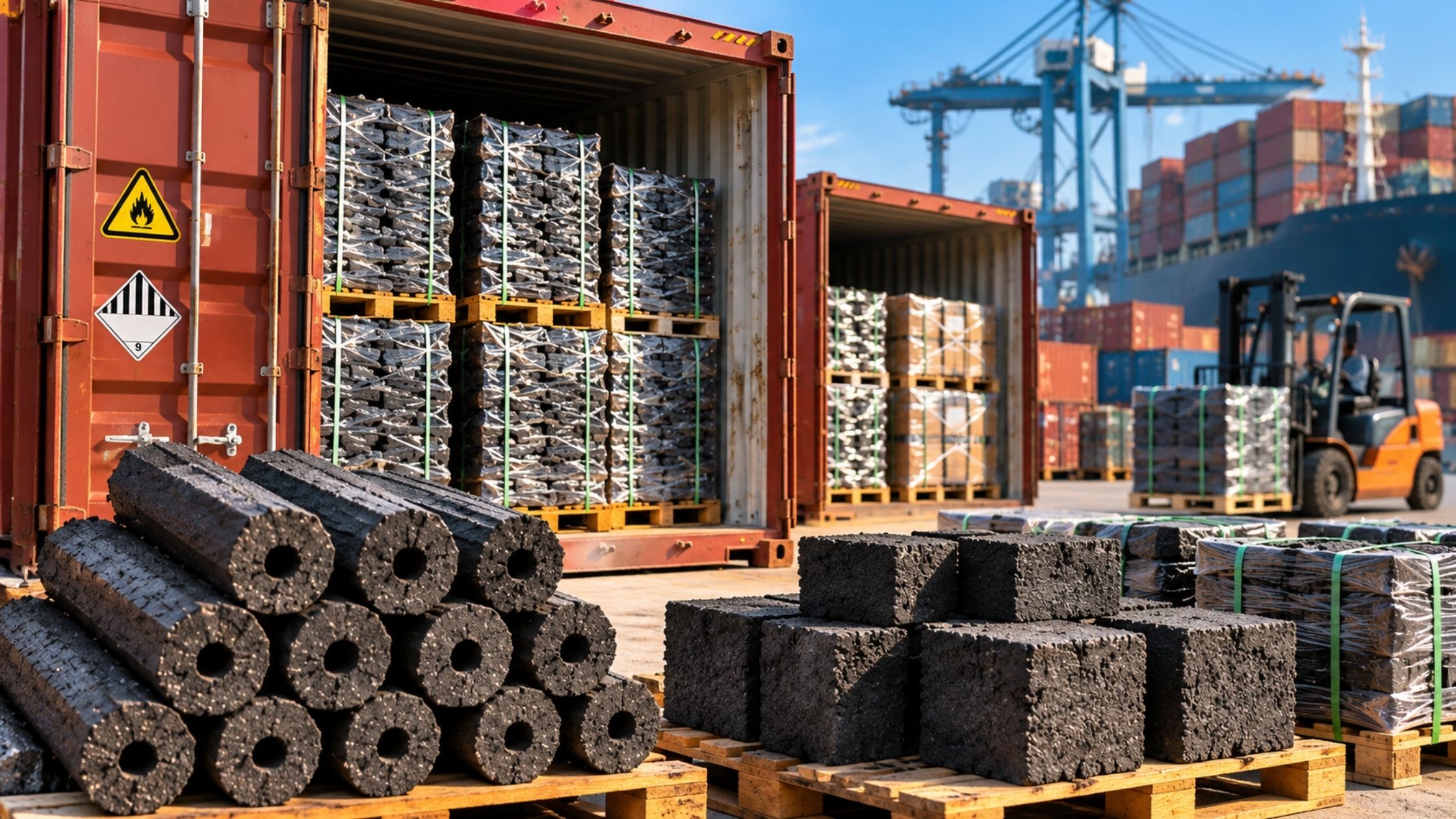
Every package needs the Class 4.2 hazard label and the correct UN number marking. At the container level, the Class 4.2 placard must be displayed on all 4 sides of the container.
What appears on the package itself depends on the packaging type. Single packaging (like UN-approved bags) needs full marking on each unit. The exact marking requirement should be confirmed against your packaging’s specific UN approval documentation, since it varies by format.
Required shipping documentation
The Dangerous Goods Declaration for a UN1361 shipment needs to include:
- UN number and proper shipping name: UN1361 CARBON, animal or vegetable origin, Class 4.2
- Packing group (typically PG III for charcoal)
- Emergency Schedule (EmS) codes: F-A, S-J
- Date of production
- Date of packing into packaging
- Temperature of the material on the day of packing
- Emergency contact name and phone number
A production-to-packing timeline that doesn’t show at least 14 days of weathering, or a packing-day temperature above 40°C, is one of the fastest ways to get a shipment held or rejected before it even reaches the terminal.
Also read – EUDR Due Diligence Statement
Container packing requirements
Beyond packaging and paperwork, physical loading matters too. A minimum gap, commonly cited at 30 cm, needs to be left between the top of the cargo and the container roof to allow for heat dissipation. Overpacking a container tight to the ceiling increases self-heating risk and can trigger a rejection at the port.
Does this apply to bulk shipments?
Largely, no. The IMSBC Code, which governs solid bulk cargo, prohibits Class 4.2 self-heating substances from bulk carriage entirely. Since UN1361 charcoal is classified as self-heating, bulk shipment without packaging is not a workaround; it’s restricted under a separate code with the same underlying safety concern.
Unless a shipper can prove non-self-heating status through a specific technical test (ADR 2.2.42.1.7) and get that recognized by a competent authority, treat bulk charcoal shipping as effectively off the table under current guidance.
Timeline: when this became mandatory
- January 1, 2025: voluntary compliance period began. Several major carriers, including Hapag-Lloyd, started enforcing the new requirements ahead of the deadline.
- January 1, 2026: mandatory compliance under IMDG Amendment 42-24. Every charcoal shipment by sea must meet the full UN1361/SP978 requirements from this date, with no self-heating test exemption available.
Some carriers offered temporary relief during the transition. Hapag-Lloyd, for example, waived its Dangerous Goods Premium surcharge for UN1361 shipments between April 1 and December 31, 2025, though other DG-related fees still applied.
What this means for importers and factories
If you’re sourcing charcoal, especially coconut shell or wood charcoal for shisha, BBQ, or industrial use, this changes 3 things in your supply chain:
- Cost: expect higher shipping costs from DG surcharges, certified packaging, and in some cases factory audit fees, since different carriers may require separate audits.
- Lead time: the mandatory 14-day weathering period needs to be built into production scheduling, not treated as a formality.
- Supplier documentation: you’ll want a factory that can consistently provide production dates, packing dates, and packing-day temperature records for every shipment, not just on request.
This is part of why sourcing from a factory with established weathering and temperature-control processes matters more now than it did before the amendment. Our charcoal manufacturing process page covers how we handle weathering and moisture control before packing, and our production facility page covers the storage and packing setup behind that documentation.
Frequently asked questions
Is all charcoal now classified as Dangerous Goods?
Yes, under IMDG Amendment 42-24, all charcoal of animal or vegetable origin shipped by sea falls under UN1361, Class 4.2, regardless of prior self-heating test results.
Can charcoal still be shipped in bulk without packaging?
No. The amendment specifically removes the option to ship charcoal as unpackaged bulk cargo in containers. Separately, the IMSBC Code prohibits the bulk carriage of Class 4.2 substances entirely.
What packing group does charcoal fall under?
Charcoal is typically assigned Packing Group III under UN1361, the lowest danger tier within Class 4.2, but it still requires full Dangerous Goods documentation and UN-approved packaging.
How long does charcoal need to weather before packing?
A minimum of 14 days in covered, open storage after production. An alternative path allows packing under inert gas immediately after pyrolysis, followed by 24 hours of storage.