

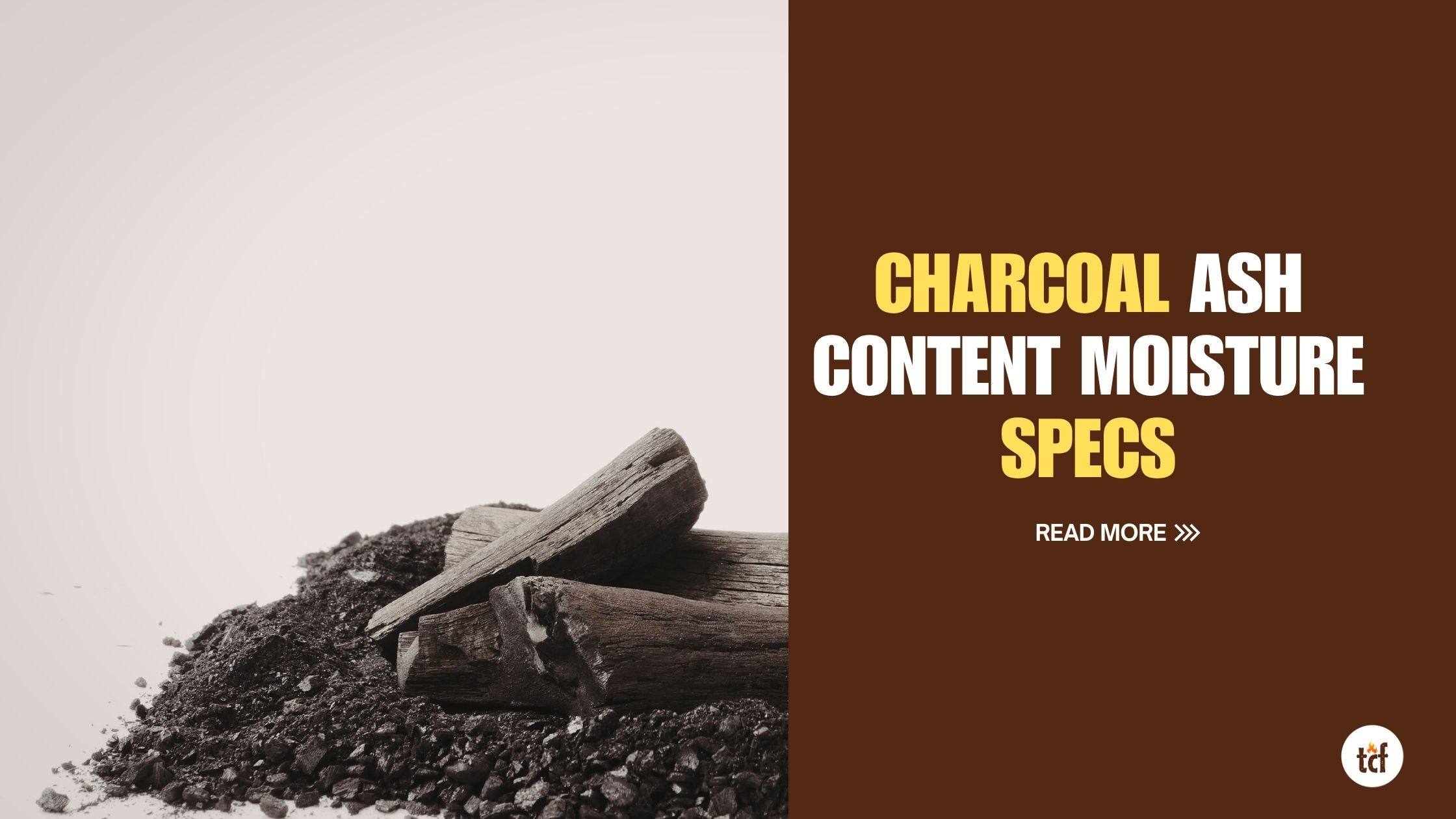
Charcoal ash content moisture specs refer to the percentage of ash remaining after combustion and the amount of water present in the charcoal before use. For high-quality charcoal, moisture content is typically kept below 8%, while ash content varies by application, ranging from less than 2% for premium coconut shell charcoal to around 8–15% for standard BBQ charcoal. Lower moisture improves ignition and heat output, while lower ash content provides cleaner burning, better airflow, and longer-lasting performance.
These specifications are among the most important factors buyers evaluate when sourcing charcoal for shisha, BBQ, restaurants, and industrial applications. Charcoal with excessive moisture can be difficult to light and produces less heat, while high ash content reduces burning efficiency and creates more residue. Understanding the right charcoal ash content and moisture specs helps importers, distributors, and end users select products that deliver consistent quality, higher energy efficiency, and better overall value.
What Are the Ideal Charcoal Ash Content & Moisture Specifications?
For most commercial and wholesale applications, the generally accepted ranges are:
- Moisture content: 4% – 8%
- Ash content: 2% – 7%
Higher-quality charcoal typically sits at the lower end of these ranges.
- Premium charcoal:
- Moisture: ≤ 5%
- Ash: 2% – 5%
- Standard commercial charcoal:
- Moisture: 6% – 8%
- Ash: 5% – 7%
- Low-grade or industrial charcoal:
- Moisture: up to 10%
- Ash: up to 12%
These specifications are derived from proximate analysis, the standard method used globally to evaluate solid fuels like charcoal.
Why Charcoal Ash Content Moisture Specs Matter More Than Other Specs?
Charcoal specifications often include multiple parameters such as fixed carbon and volatile matter. However, in practical use, moisture and ash have the most immediate and visible impact on performance.
They affect:
- Ignition speed
- Heat intensity
- Burn stability
- Cleanliness
- User experience
This is why experienced buyers often evaluate these two parameters first before considering anything else.
Also, check out the charcoal quality specifications
Moisture Content in Charcoal (The Hidden Performance Killer)
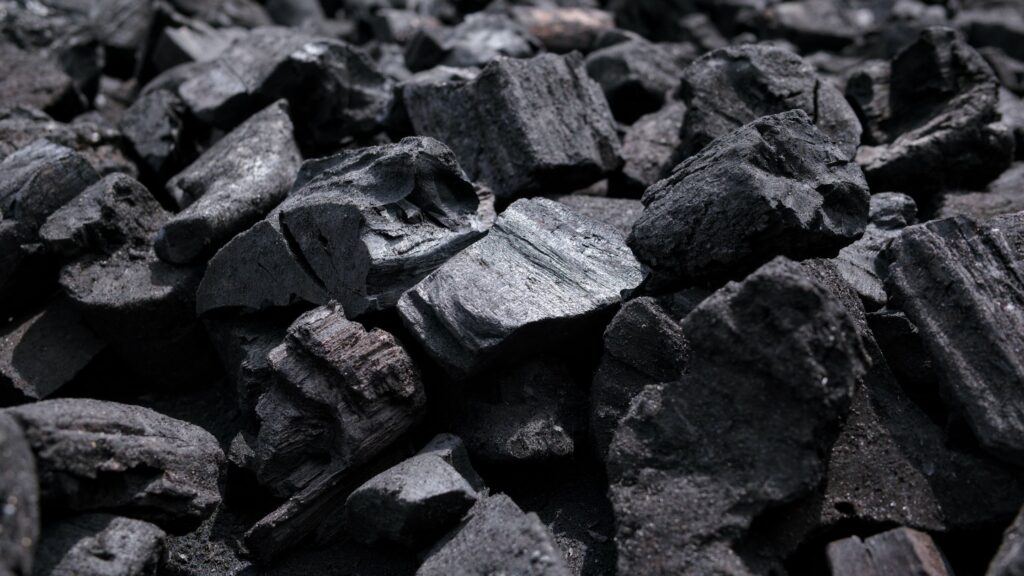
Moisture refers to the amount of water retained inside the charcoal after production and during storage.
Even small increases in moisture can significantly impact performance. Before charcoal begins to burn efficiently, all the internal moisture must evaporate; this wastes energy and delays ignition.
Why Moisture Matters
1. Slower Ignition
Charcoal with high moisture takes longer to light because energy is first used to evaporate water instead of generating heat.
2. Reduced Heat Output
Moisture lowers the effective calorific value, meaning less usable heat is produced.
3. Increased Smoke at Start
Damp charcoal often produces visible white smoke during ignition.
4. Structural Weakness
Charcoal with excessive moisture is more likely to crack or break, producing fines (dust), which are unusable in many applications.
Real-World Indicator
A common field test used by buyers:
If you hear a “hissing” or sizzling sound, the moisture content is too high.
Ash Content in Charcoal (The Airflow Blocker)
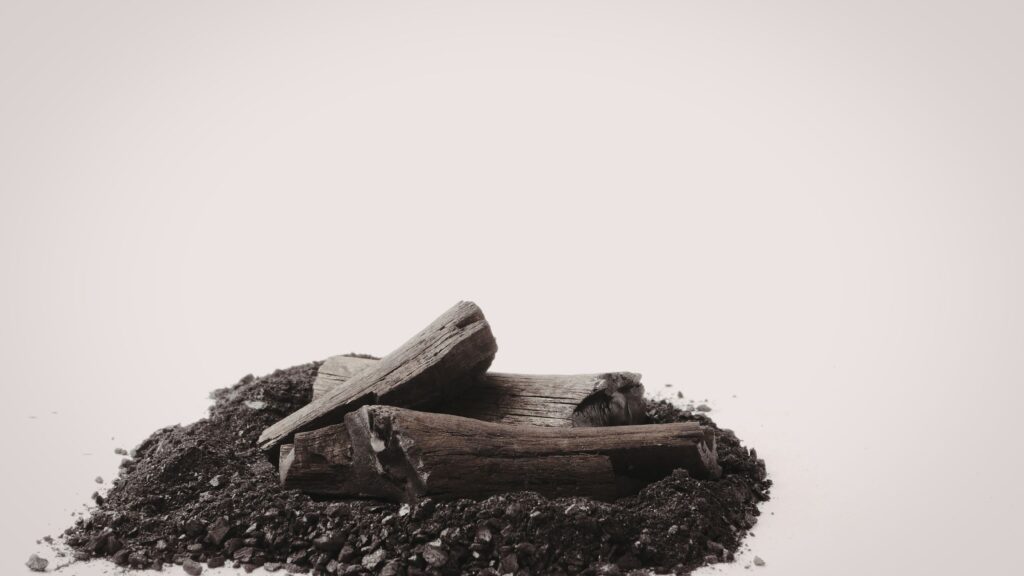
Ash is the non-combustible residue left after charcoal burns. It consists of minerals such as silica, calcium, and other inorganic materials.
While some ash is unavoidable, excessive ash directly reduces performance.
Why Ash Content Matters
1. Blocks Airflow
High ash forms a layer over burning charcoal, reducing oxygen flow and lowering temperature.
2. Reduces Efficiency
More ash means less usable fuel and more frequent cleaning.
3. Impacts User Experience
In BBQ and restaurant use, high ash interrupts continuous cooking.
In shisha, it affects heat control and session quality.
Visual Quality Indicator
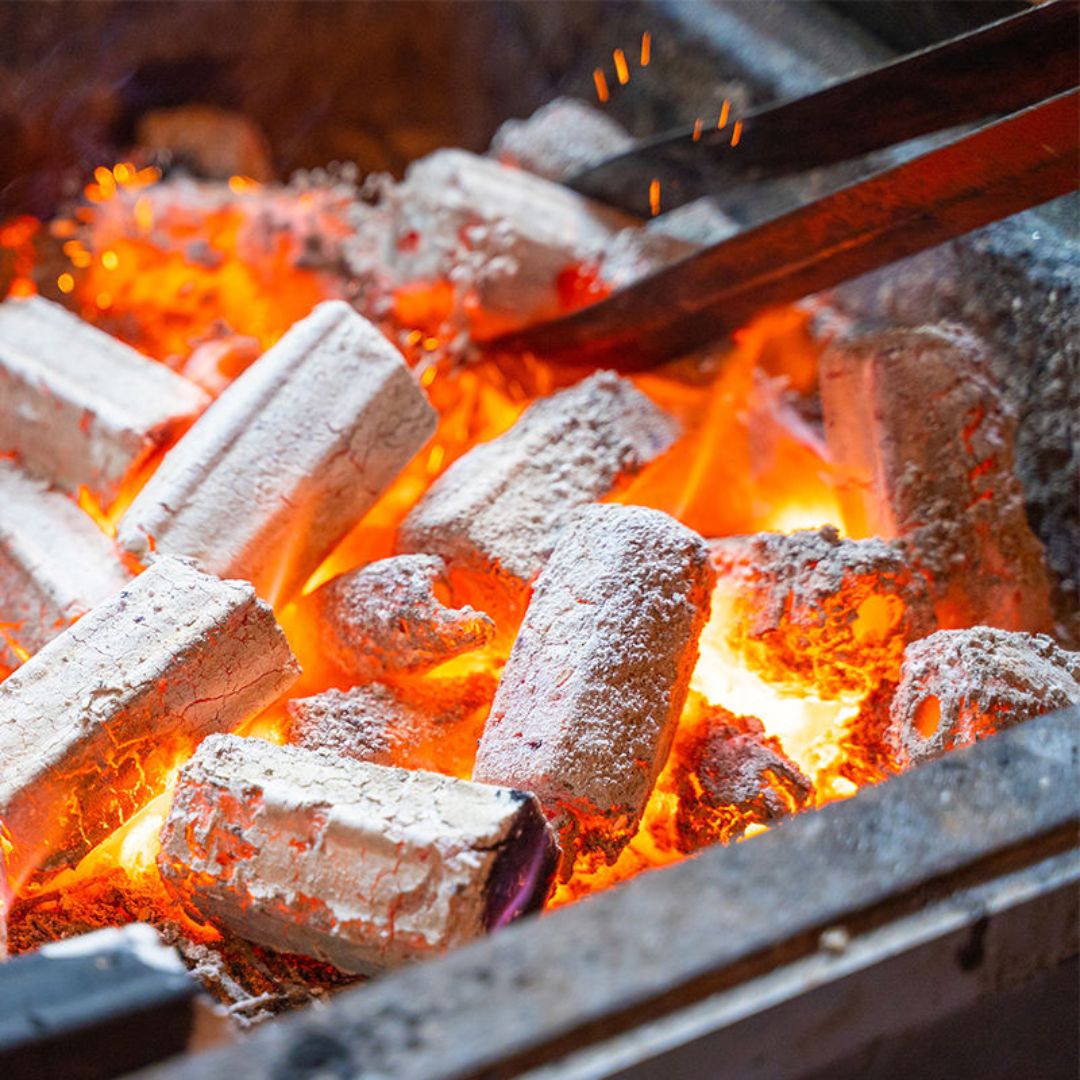
- Light, powdery ash → high-quality charcoal
- Dark, clumpy ash → impurities or poor production
In shisha charcoal, white ash is often preferred as a sign of cleaner combustion.
Also read – Best Charcoal Manufacturers in the United States
Charcoal Specifications by Grade (Industry Benchmark)
Charcoal is often categorized into charcoal grades based on purity and performance:
| Specification | Grade A (Premium) | Grade B (Standard) | Grade C (Industrial) |
| Moisture | < 5% | 6% – 8% | Up to 10% |
| Ash Content | < 3% | 3% – 5% | 8% – 12% |
| Fixed Carbon | > 75% | 65% – 75% | 55% – 65% |
| Volatile Matter | < 12% | 12% – 18% | 18% – 25% |
This classification helps buyers align product quality with end-use requirements.
We offer a complete range of export-grade charcoal, including premium lump charcoal, coconut shell shisha charcoal cubes, BBQ briquettes, and industrial charcoal, all produced with strictly controlled low moisture (≤5–8%) and low ash (2–7%) levels to ensure fast ignition, high heat output, and clean, consistent performance across every batch.
Why work with us:
- Optimised ash & moisture levels for reliable real-world performance
- Consistent quality across bulk orders and shipments
- Strong, moisture-resistant packaging to prevent transit damage
- Custom product sizes, shapes, and private labelling options
- Batch-tested supply with COA and export-ready standards
Our Low Ash and Low Moisture Charcoal Products –
- A-Grade Low-Ash Shaped Wood Charcoal
- A-Grade Wood Charcoal for BBQ – Low Ash
- Low-Ash Machine-Made Wood Charcoal for BBQ
- Shaped Wood Charcoal with 10% Ash Content
Ideal Ash & Moisture Specs by Application
Different use cases require slightly different balances:
Shisha Charcoal
- Moisture: ≤ 6%
- Ash: ≤ 5%
Priority: clean burn, no odor, stable heat
BBQ Charcoal
- Moisture: ≤ 8%
- Ash: ≤ 7%
Priority: strong heat, ease of use
Industrial Charcoal
- Moisture: ≤ 10%
- Ash: ≤ 12%
Priority: cost efficiency over cleanliness
Check out the product categories of The Charcoal Factory:
wholesale hookah charcoal
wholesale BBQ charcoal
Charcoal Supplier for Distributors
bulk charcoal for restaurants
private label charcoal for supermarkets
Good vs Bad Charcoal Specs (Quick Comparison)
| Parameter | Ideal Range | Too High Means |
| Moisture | 4% – 6% | Hard ignition, smoke, low heat |
| Ash | 2% – 5% | Poor airflow, residue buildup |
If both ash and moisture are high, performance drops significantly, even if other specs look acceptable. Sometimes the charcoal suppliers don’t show the exact data of their charcoal, so you must go through the charcoal supplier verification checklist.
How These Specs Are Tested (Industry Methods)
Professional buyers and laboratories use standardized methods:
Moisture Test
- Weigh the charcoal sample
- Dry at ~105°C until weight stabilizes
- Weight loss = moisture percentage
Ash Content Test
- Burn sample at ~750°C in controlled conditions
- Remaining residue = ash percentage
Fixed Carbon Calculation
Fixed carbon is not measured directly:
Fixed Carbon = 100 − (Moisture + Ash + Volatile Matter)
The Real Problem: Specs vs Delivered Quality
One of the biggest risks in charcoal sourcing is the gap between declared specifications and actual performance.
Common causes:
- Moisture absorption during shipping
- Inconsistent raw materials
- Poor storage conditions
- Weak packaging
For example, charcoal shipped with 5% moisture can reach 8–10% by the time it arrives in humid environments.
This is why professional buyers:
- Verify samples
- Conduct pre-shipment inspections
- Test products upon arrival
How to Use Ash & Moisture Specs When Buying Charcoal
Understanding specifications is only useful if you apply them correctly.
1. Define Acceptable Ranges
Set clear thresholds based on your market and application.
2. Include Specs in Contracts
Specify:
- Moisture limits
- Ash limits
- Tolerances
3. Request Documentation
Ask for:
- Certificate of Analysis (COA)
- Batch-level test reports
4. Test Samples Yourself
Never rely only on supplier data; validate performance through real burn tests.
Final Takeaway
Charcoal performance is not random; its specifications define it. You can check our Bulk charcoal
Among all parameters, ash content and moisture level are the most critical, because they directly affect how charcoal behaves during ignition and combustion.
For wholesale buyers, the goal is simple:
- Keep moisture low enough for efficient burning
- Keep ash low enough for clean and consistent performance
Get these two right, and most other performance factors will follow.
For Further Reading:
Can charcoal be reused
Best charcoal for smoking
Frequently Asked Questions
What is the ideal moisture content for charcoal?
4% to 8%, with premium charcoal below 5%.
What is the ideal ash content in charcoal?
2% to 7%, depending on quality and application.
Why is high ash content bad?
It blocks airflow, reduces heat, and creates residue.
Why is moisture important in charcoal?
It affects ignition, heat output, and burn efficiency.