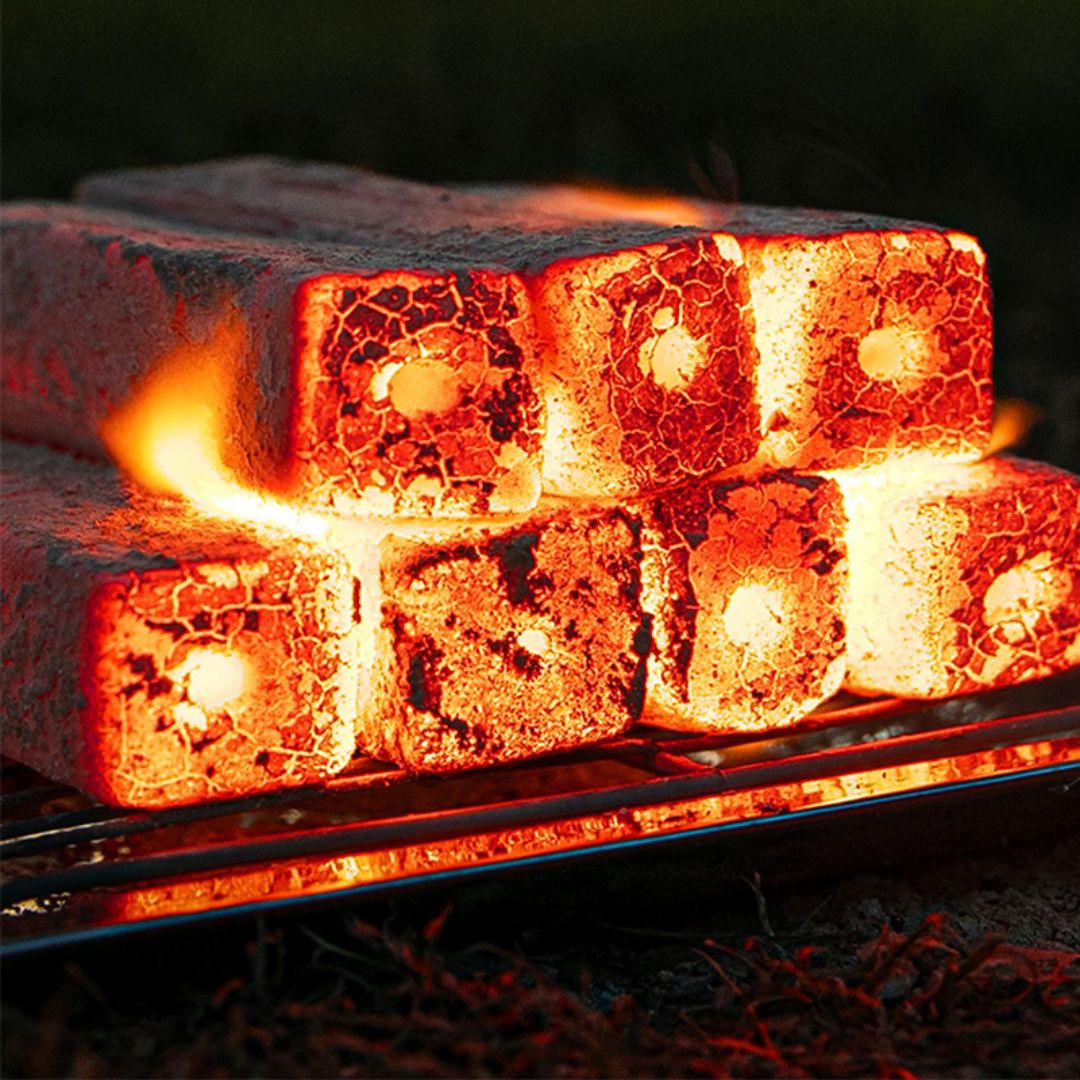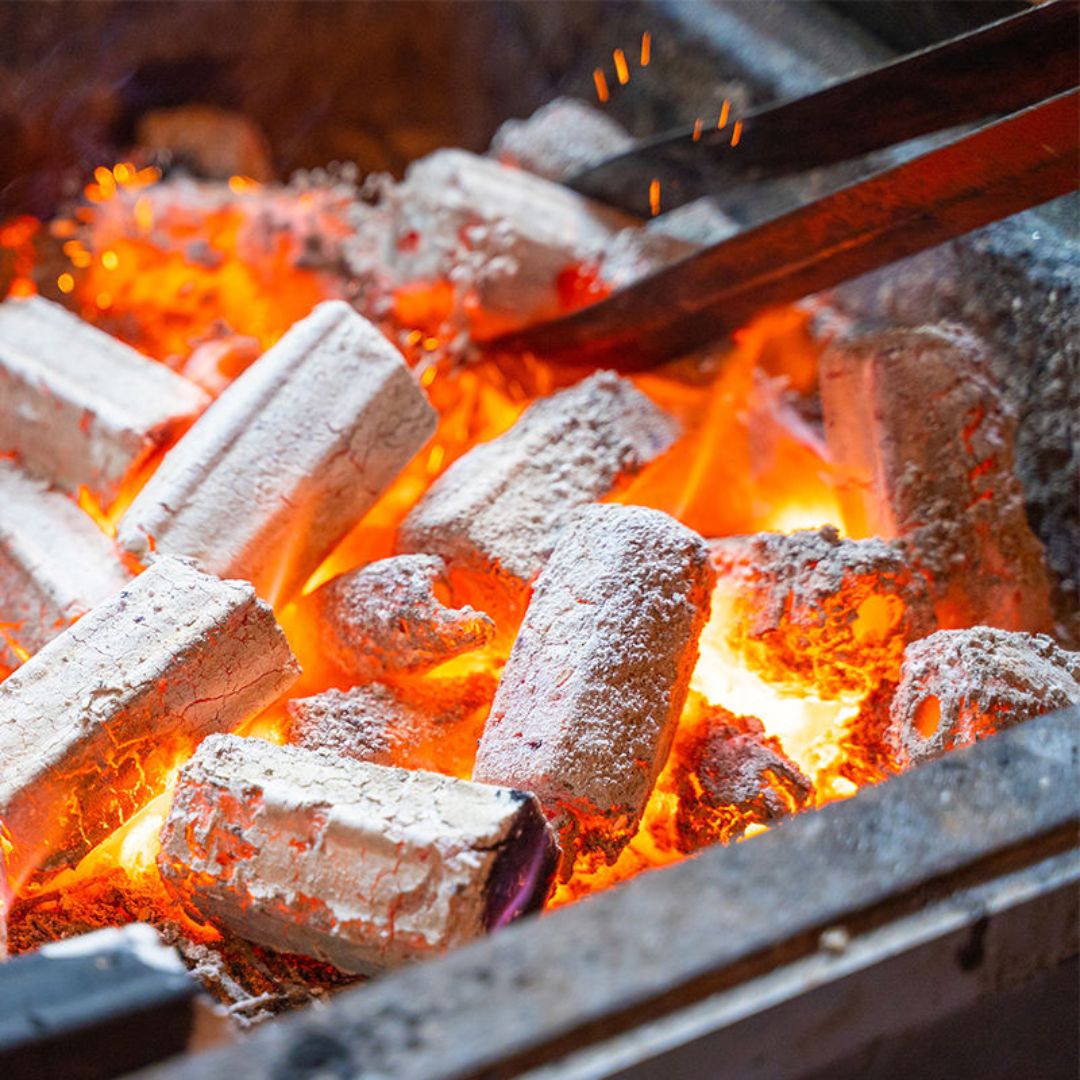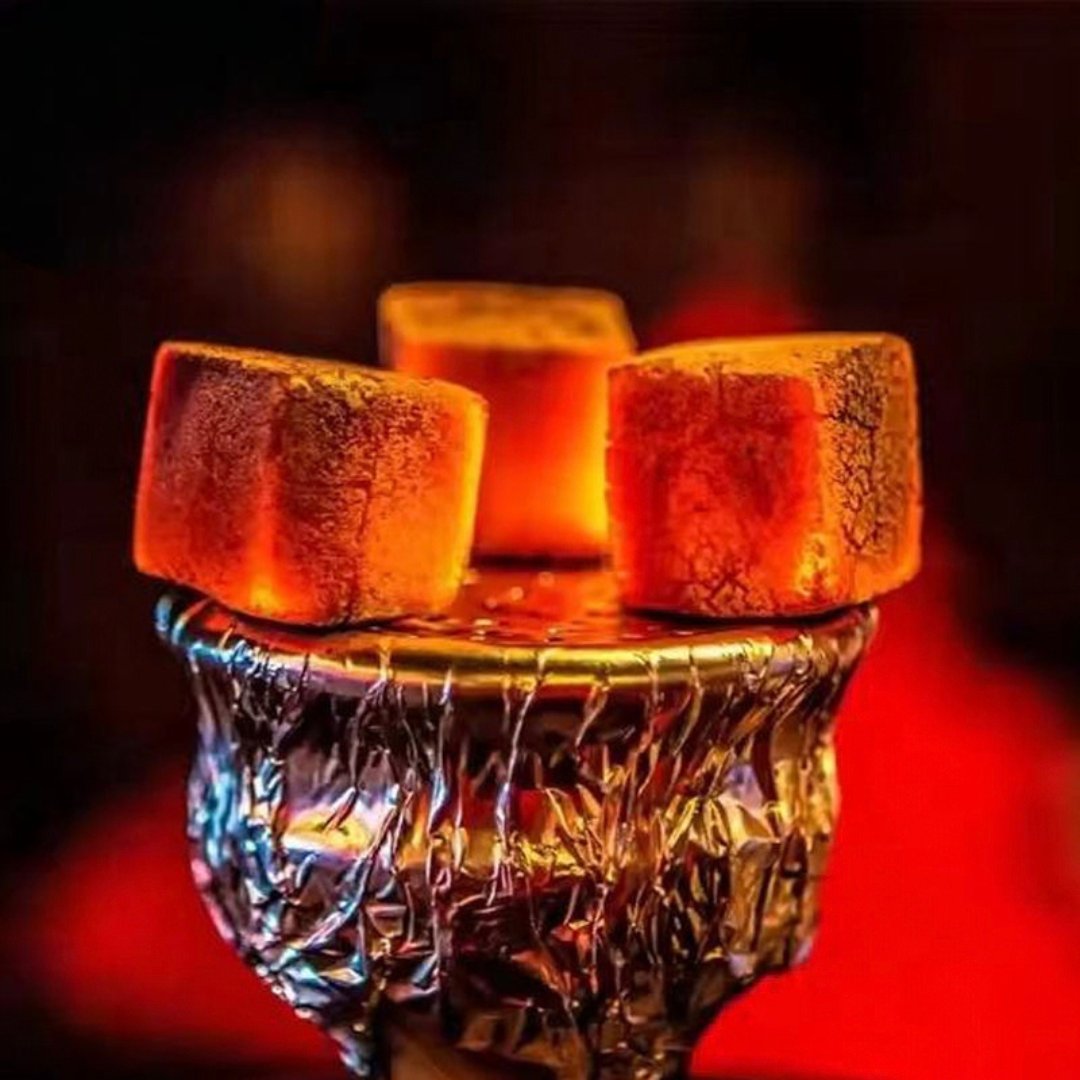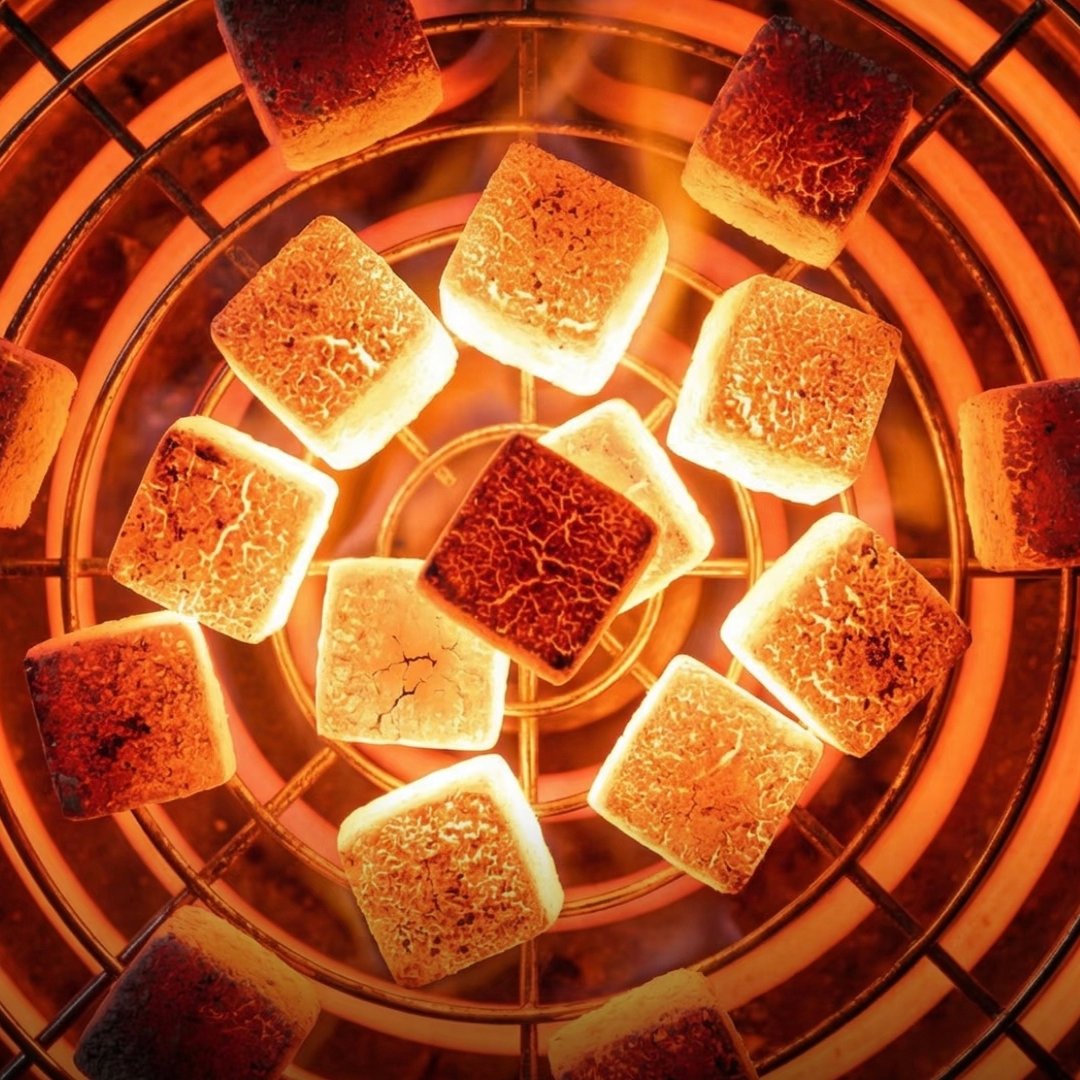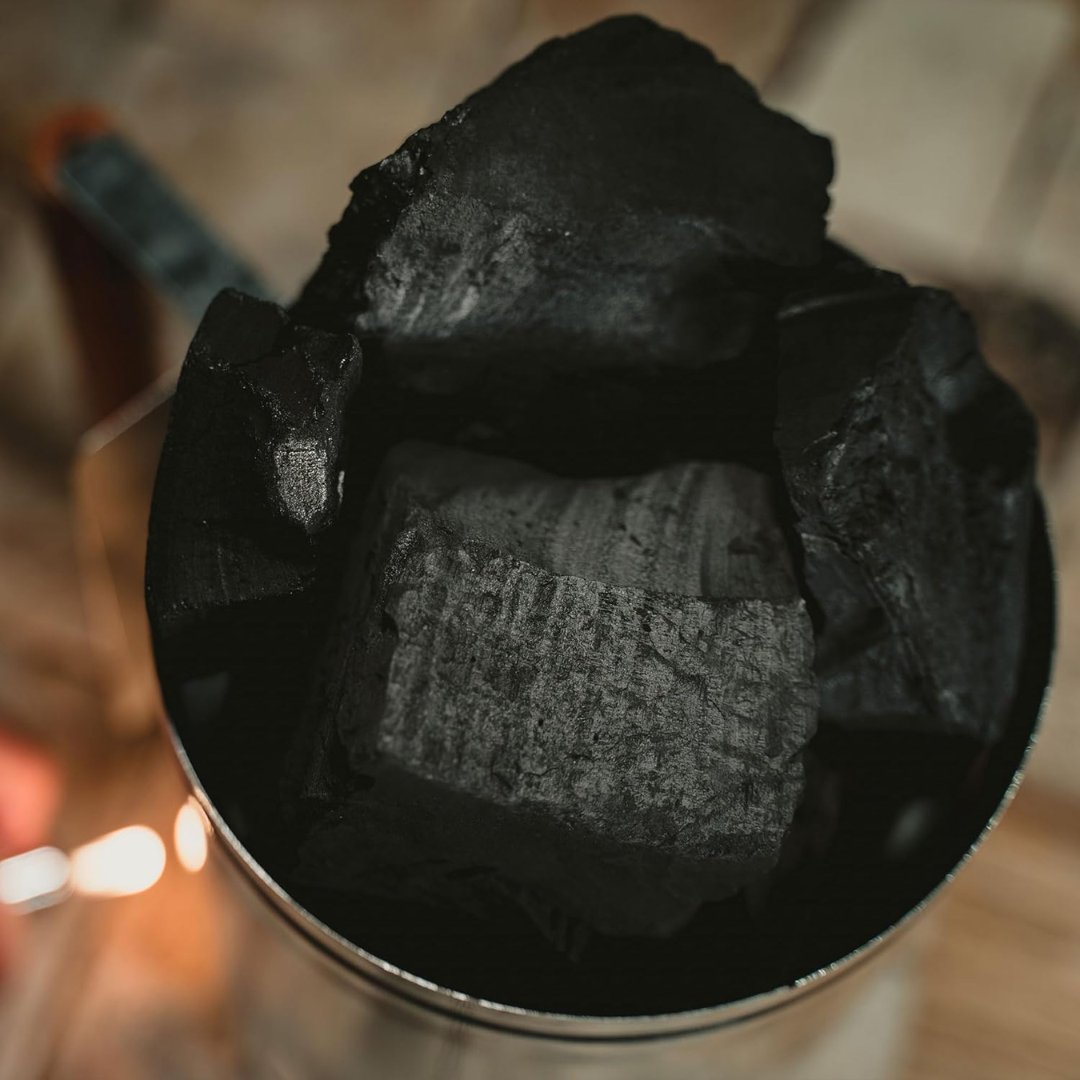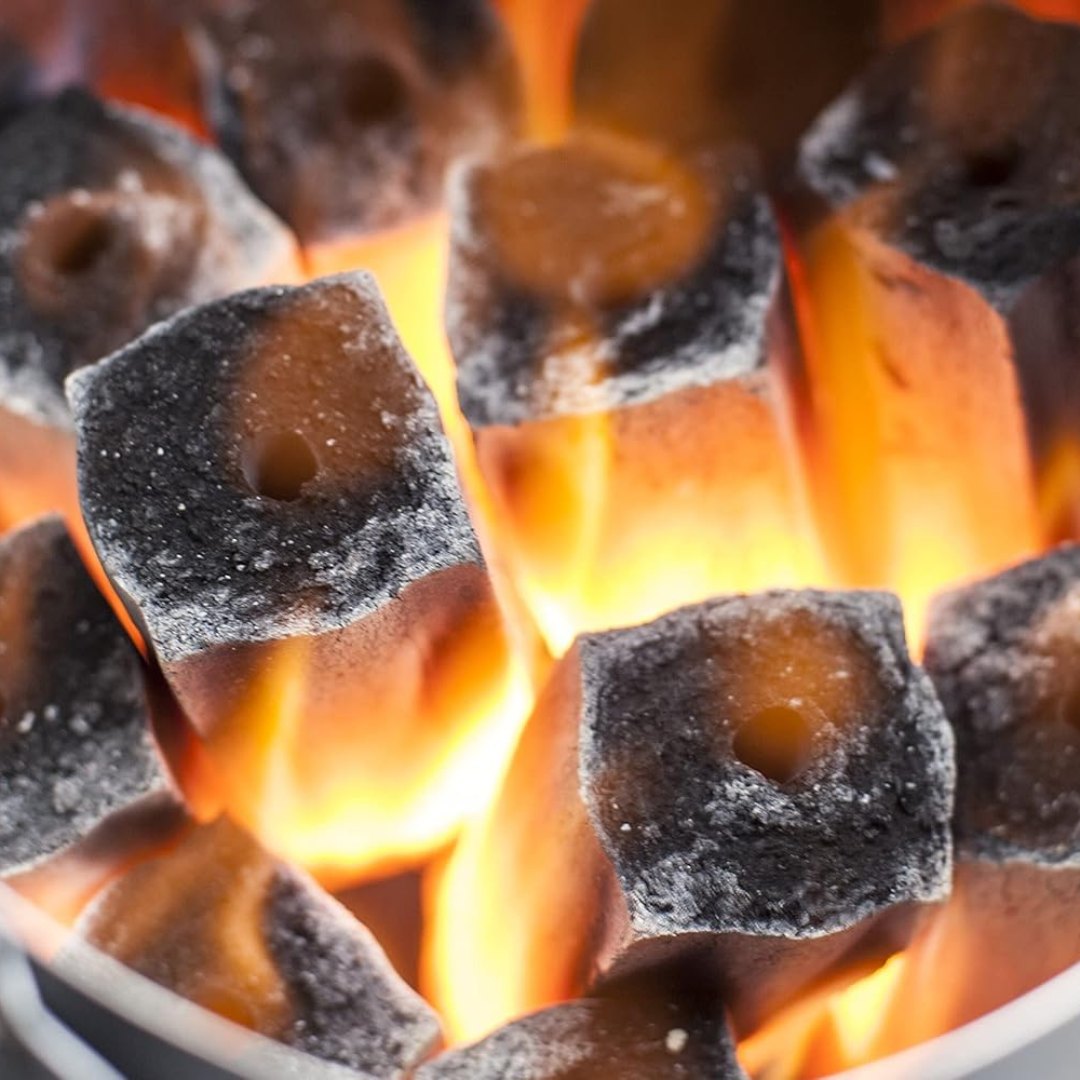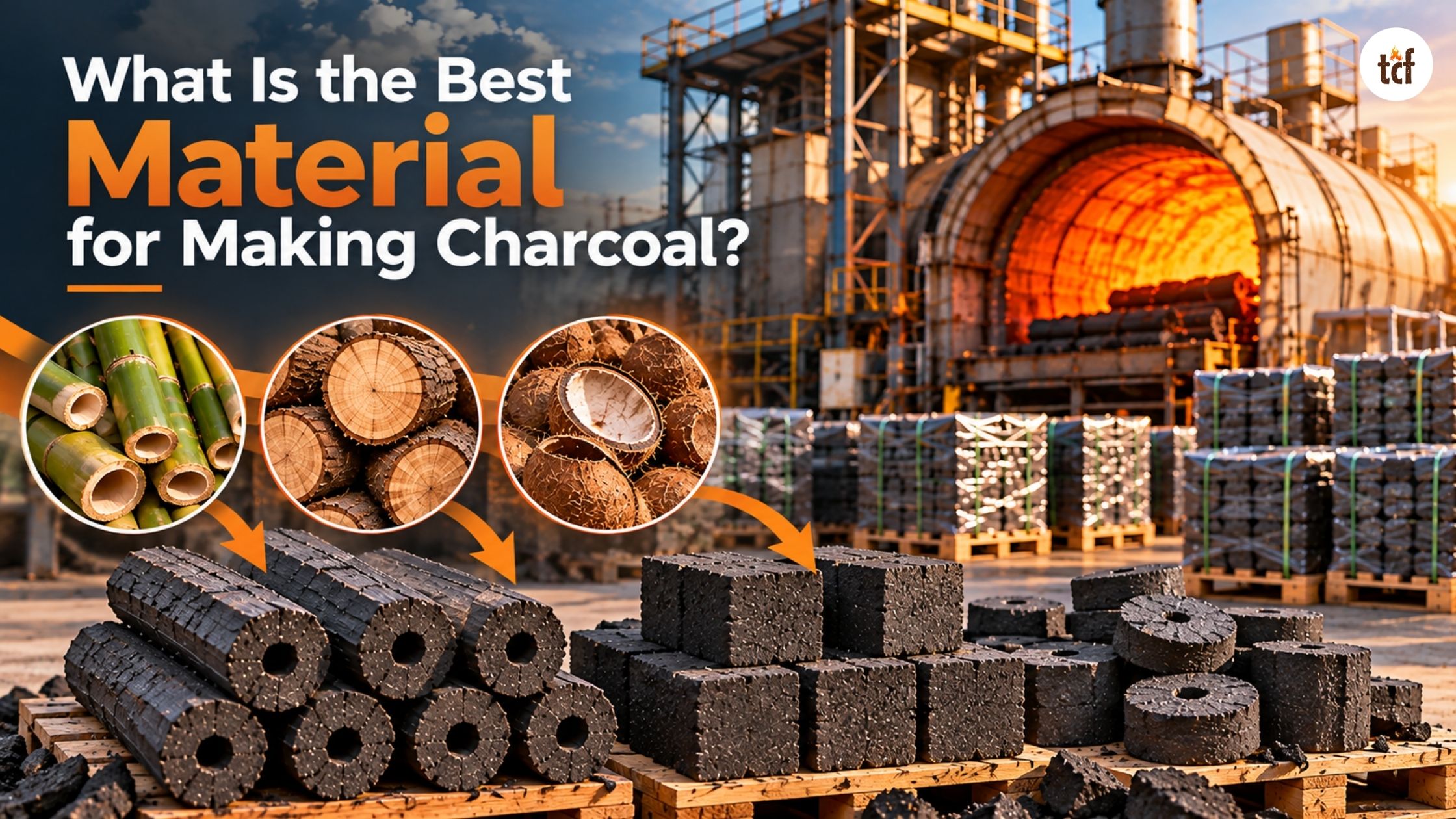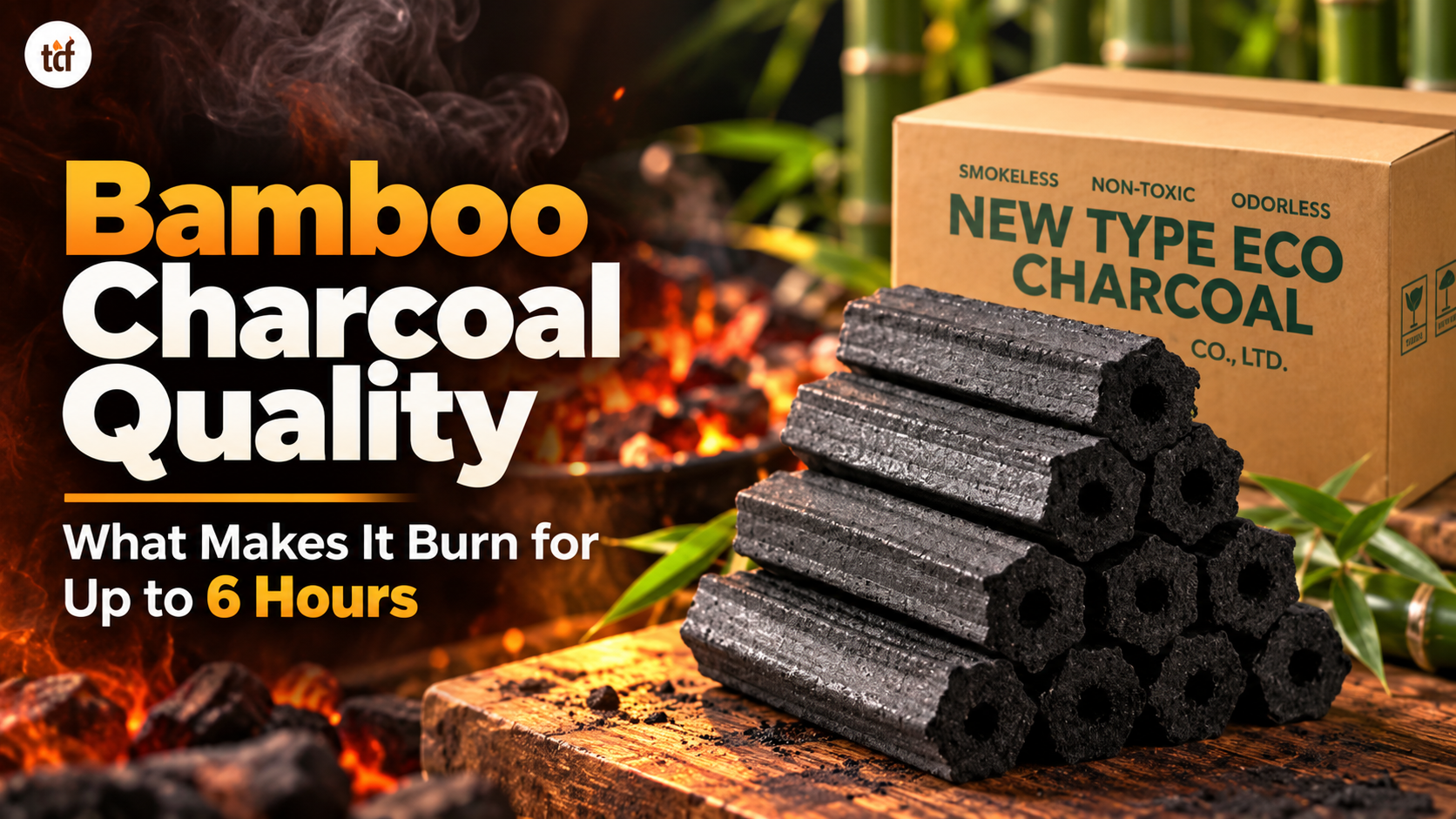



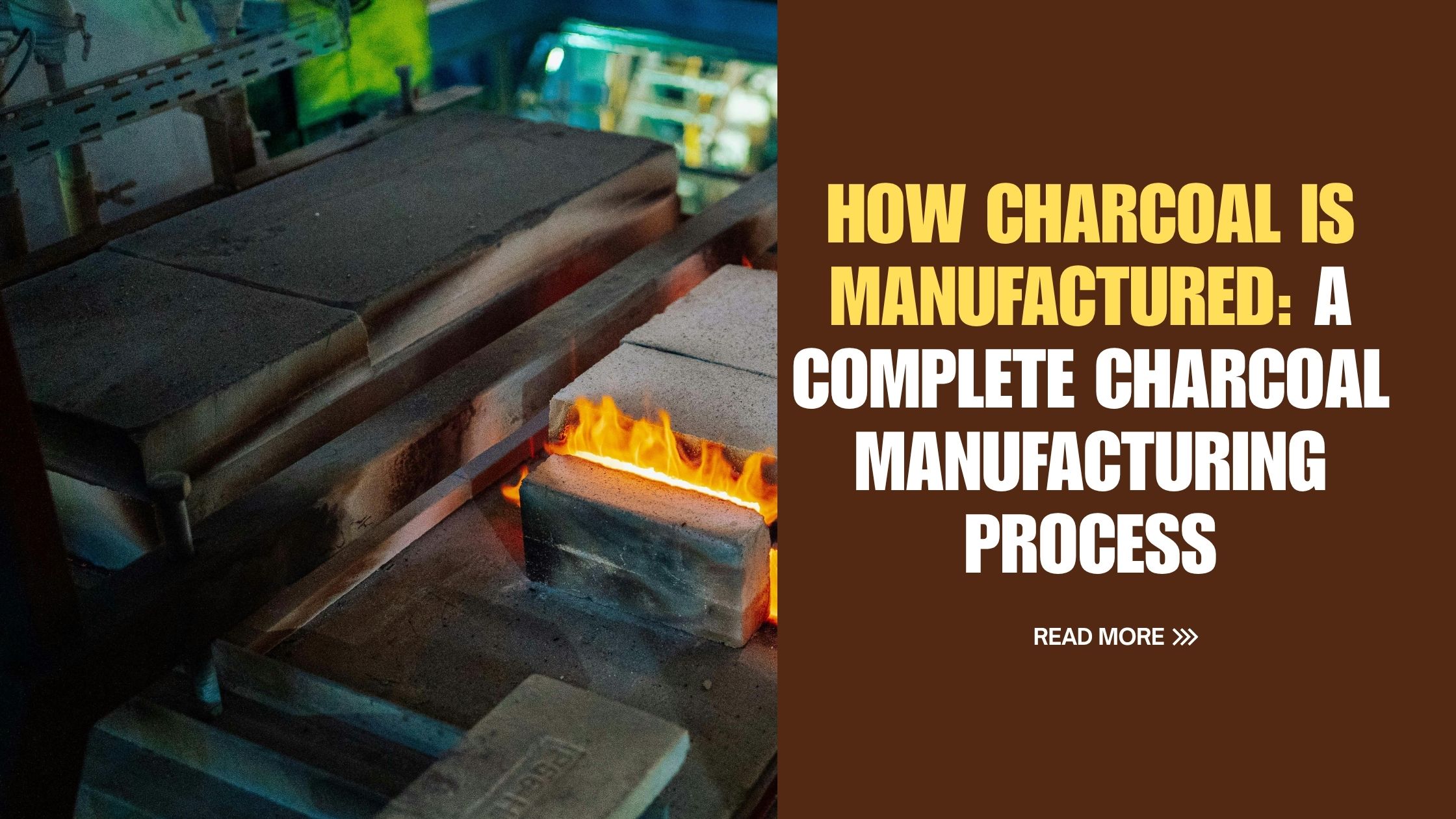
Charcoal is manufactured by heating wood, coconut shells, bamboo, or other biomass materials in a low-oxygen environment through a process called carbonization. During this process, moisture and volatile compounds are removed, leaving behind a carbon-rich fuel that burns hotter, cleaner, and longer than the original raw material.
Understanding how charcoal is made or how bamboo charcoal is made matters whether you’re a curious consumer, a BBQ enthusiast wanting to understand what’s in your bag, a small entrepreneur considering charcoal as a business, or an industrial buyer evaluating quality. This guide covers the full process from standing tree to finished product, including the science, the equipment choices, the economics, and the environmental realities that most articles skip over.
What Charcoal Actually Is (And What It Isn’t)
Before getting into the how, it’s worth being precise about the what.
Charcoal is not burnt wood. That’s a common misconception. When you burn wood in an open fire with full oxygen exposure, you get ash — the end product of complete combustion, where carbon reacts with oxygen to form CO₂ and escape into the atmosphere. Charcoal is something fundamentally different.
Charcoal is what you get when you thermally decompose wood in an environment with little or no oxygen. Without oxygen, the wood can’t combust. Instead, heat breaks down the complex organic molecules in the wood cellulose, hemicellulose, and lignin — driving off moisture, volatile gases, tars, and organic acids, while the carbon backbone of the wood’s structure is preserved in a transformed, concentrated form.
The result is a material that is 70–90% pure carbon, depending on the temperature and wood used. It is porous, lightweight relative to its energy content, and far more energy-dense than the original wood. A kilogram of good charcoal holds more usable heat than a kilogram of dry wood because almost none of its energy will be wasted evaporating moisture or burning off volatile compounds.
This process, thermal decomposition in a low-oxygen environment, is called pyrolysis, and it is the heart of every charcoal manufacturing method in the world, from the most primitive to the most sophisticated.
The Raw Material: Why Wood Choice Matters More Than Most People Realize
The journey of charcoal begins with the selection of feedstock, the organic material that will be carbonized. While almost any organic material can theoretically be pyrolyzed into charcoal (agricultural waste, coconut shells, bamboo, even animal bones), the most common and commercially significant feedstock is wood.
Not all wood produces the same charcoal, and the differences are significant enough to determine which markets a producer can serve.
Density is the single most important characteristic of a charcoal feedstock. Dense hardwoods, such as oak, hickory, quebracho, and ironwood, have tightly packed fiber structures with high lignin content. Lignin is the structural polymer that holds wood cells together, and it converts to carbon more efficiently than cellulose during pyrolysis. Dense wood produces dense charcoal: heavier, harder pieces that hold their shape during use, burn longer, and reach higher temperatures. This is the charcoal that premium BBQ brands, restaurant chains, and hookah cafés pay a premium for.
Softwoods like pine and spruce are lighter, higher in resin, and produce lower-density charcoal that crumbles more easily, burns faster, and sparks and pops from residual volatile compounds. This doesn’t make it worthless; softwood charcoal has industrial applications but it commands lower prices and serves narrower markets.
Agricultural waste and processing byproducts, such as coconut shells, bamboo to make bamboo charcoal, rice husks, sugarcane bagasse, and corn cobs, occupy a fascinating middle ground. Coconut shell charcoal, for example, has an exceptionally high carbon content (78–88%) and a microporous structure that makes it ideal for both hookah charcoal and activated carbon production. Bamboo produces charcoal with a surface area roughly ten times more porous than most wood charcoal, making it excellent for air and water filtration.
The moisture content of the feedstock going into the kiln is arguably as important as species choice. Fresh-cut (“green”) wood contains 40–60% moisture by weight. That moisture must be driven off during carbonization, and every kilogram of water that evaporates during the pyrolysis process steals energy that could be going into carbonization. Producers who take the time to properly pre-dry their feedstock get higher yields, meaningfully sometimes 30–40% more charcoal per ton of wood, and more consistent quality.
Also read – What Is Lump Charcoal Made Of
Step One: Preparing and Drying the Feedstock for Charcoal Manufacturing
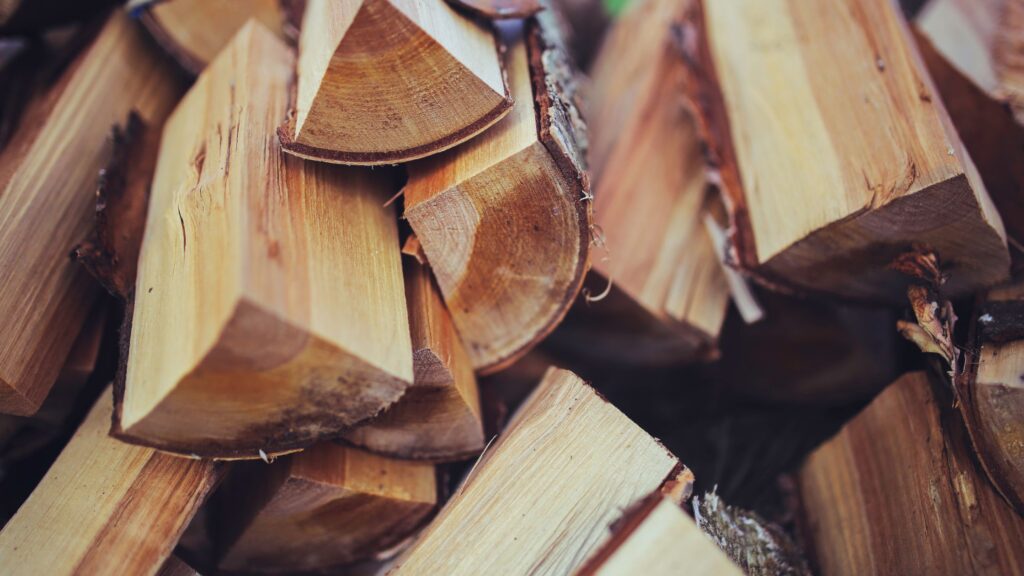
The first step in any charcoal manufacturing operation, whether a village producer in West Africa or an industrial plant in Brazil, is preparing the raw material.
For wood-based charcoal, preparation typically involves cutting logs into manageable, roughly uniform lengths. Uniformity matters because pieces of dramatically different sizes carbonize at different rates inside the kiln. Thick, heavy pieces take longer to heat through to their core; thin pieces may over-carbonize and become brittle before the larger pieces are done. Most commercial producers aim for pieces in the 15–30 centimeter length range and 5–20 centimeters in diameter.
Once cut and stacked, the wood needs to dry. Natural air drying on open-air stacks takes anywhere from two to eight weeks, depending on climate, species, and how the wood is stacked. In humid tropical climates, this can be challenging — wood can reabsorb moisture from the air almost as fast as it dries. Industrial operations in wetter climates use rotary drum dryers that force warm air through the wood mass and can bring moisture content down to the target range in a matter of hours.
The target moisture content before carbonization is typically 10–15%. Below this threshold, the pyrolysis process proceeds efficiently, and the charcoal yield improves substantially. Investing in proper pre-drying is one of the highest-return operational decisions a charcoal producer can make. So whether they are bamboo charcoal or wood charcoal, the process is likely to be the same.
Step Two: Carbonization Where Wood Becomes Charcoal
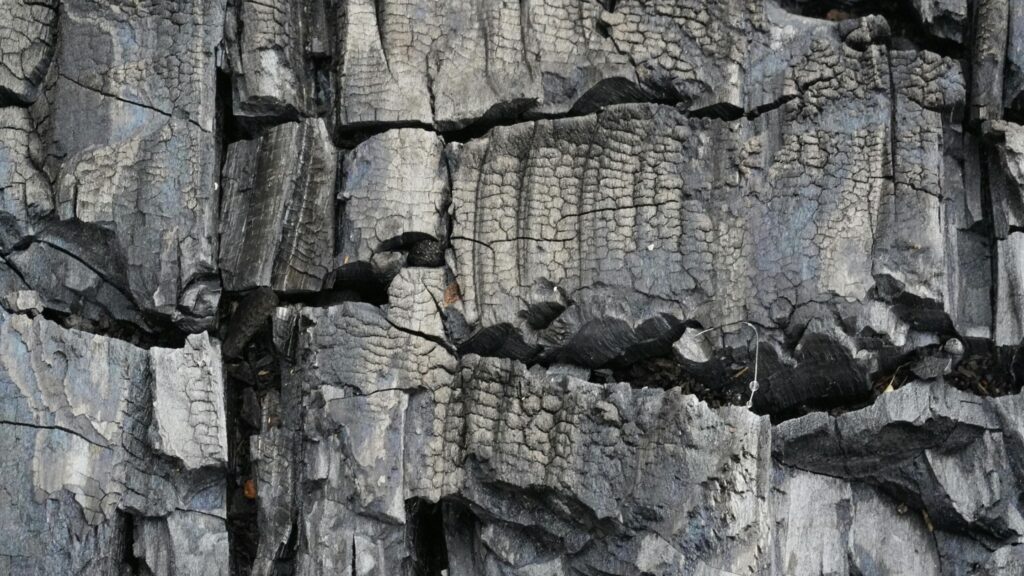
Carbonization is the transformation step, and understanding what happens inside the kiln during this process gives you a real appreciation for the product.
When dried wood is loaded into a kiln, and the temperature begins to rise, the transformation proceeds in distinct phases, each producing different chemical outputs.
In the first phase, from about 100°C to 200°C, the remaining bound moisture in the wood evaporates. The wood begins to discolor slightly, yellowing and browning, and steam is visible from the kiln vents. No significant carbonization is occurring yet; this is still essentially a drying phase.
Between roughly 200°C and 280°C, the hemicelluloses, the structural carbohydrates that make up 20–35% of wood, begin to break down. This releases carbon dioxide, carbon monoxide, acetic acid, and methanol. The wood turns visibly brown and begins to lose its structural integrity.
The most dramatic and important phase begins around 280°C and peaks around 400°C. This is where cellulose the primary structural component of wood, making up 40–50% of its mass, breaks down rapidly in a strongly exothermic reaction. The decomposition accelerates so powerfully that it generates enough heat to sustain itself without external heat input, which is why this phase is described as “active” or “self-sustaining” carbonization. During this phase, the wood releases large quantities of flammable pyrolysis gases (methane, CO, hydrogen) along with complex organic molecules, including phenols, aldehydes, and levoglucosan. These gaseous products are extremely valuable in modern industrial operations because they can be captured and burned as fuel.
From 400°C upward, the carbon consolidation phase takes over. The majority of hydrogen remaining in the charcoal is expelled, the residual volatile organic compounds burn off, and the carbon lattice structure tightens and hardens. By the time the core of the wood mass has reached 500–600°C and held there for a sufficient residence time, true charcoal has formed: a rigid, porous carbon skeleton retaining the macro-structure of the original wood.
Higher carbonization temperatures above 600°C, toward 700–800°C, produce charcoal with higher fixed carbon content, lower volatile matter, and a more developed micropore structure. This higher-grade charcoal is more valuable for metallurgical use, activated carbon production, and hookah charcoal, but requires more energy and careful equipment. Most commercial BBQ and cooking charcoal is produced at 450–600°C, which is sufficient to achieve 70–80% fixed carbon with acceptable volatile matter levels.
The duration of carbonization is as important as the temperature. A batch that reaches 550°C but holds at that temperature for only one hour will have incompletely carbonized interior wood in larger pieces. A good carbonization cycle for batch kilns typically runs 8–24 hours from loading to completion, depending on kiln type and batch size.
Must read – Wood vs Coconut Charcoal
Step Three: Choosing the Right Kiln
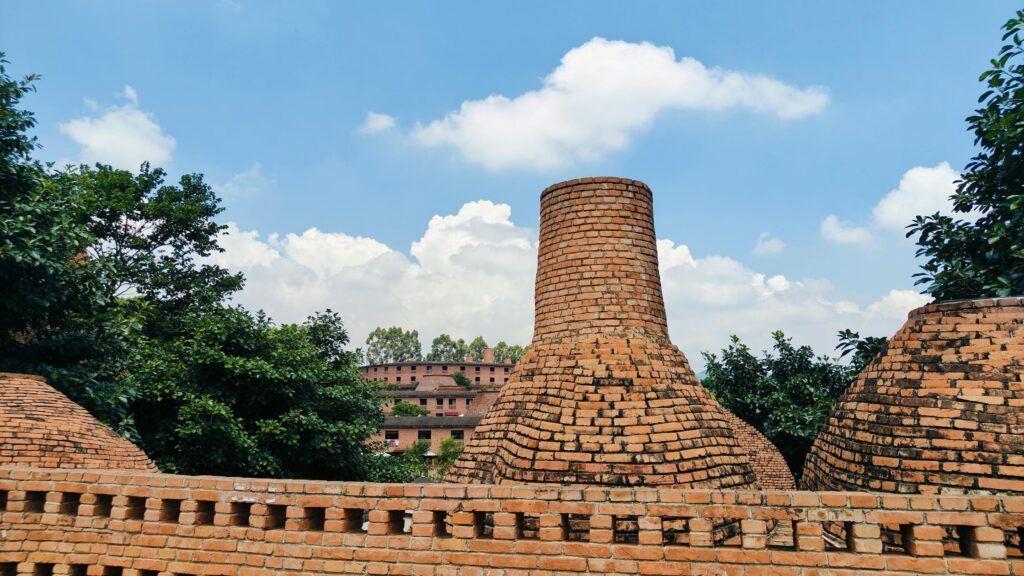
The kiln, the vessel or structure in which carbonization occurs, is the most consequential choice in charcoal manufacturing. Different kiln technologies represent very different investments, yield levels, product quality outcomes, and environmental impacts.
Traditional Earth and Pit Kilns
The oldest form of charcoal production, still responsible for a substantial fraction of global charcoal output, involves simply stacking wood into a mound or pit, covering it with soil to restrict airflow, and setting it alight. The fire smolders for days — sometimes a week or more as the restricted oxygen supply prevents full combustion and allows pyrolysis to proceed.
The advantages are obvious: near-zero capital cost, no specialized equipment, and materials that exist everywhere on earth. The disadvantages are severe. Yields are typically 10–18%, meaning 82–90% of the wood mass is lost, most of it as uncontrolled emissions. The quality is inconsistent, with partially carbonized pieces (called “brands”) mixed among fully carbonized ones. The emissions profile is extremely poor, releasing large quantities of methane, black carbon, and organic compounds directly into the atmosphere.
These kilns persist in developing countries because they require no upfront investment in a context where capital is scarce. But from an efficiency, quality, and environmental standpoint, they represent the worst available technology.
Must read – How Charcoal Briquettes Are Made
Steel Drum and Portable Metal Kilns
A significant improvement over earth kilns, portable steel kilns (often built from 200-liter steel drums or purpose-fabricated steel chambers) allow much better control of air intake. By controlling the venting, the operator can manage carbonization temperature and prevent combustion of the charcoal itself.
Yields improve substantially, typically 20–28%, and the cycle time drops to 8–15 hours. Capital cost is low enough (a few hundred to a few thousand dollars) that small commercial producers can justify the investment. These kilns are widely used in Latin America, Southeast Asia, and by artisan charcoal producers in Europe and North America. They cannot recover the pyrolysis gases produced during carbonization, however, which means significant energy is wasted and emissions remain high.
Retort Kilns
A retort kiln is a sealed steel chamber with an external heat source; the feedstock inside the retort is never exposed to the flame. Heat passes through the retort walls, driving pyrolysis without any combustion occurring inside the chamber.
This design has several critical advantages. Because the carbonization is purely by external heat, yields are higher; 30–38% is typical. The pyrolysis gases generated inside the retort can be captured, piped to the external burner, and used as fuel, dramatically reducing operating costs. Quality is very consistent across the entire batch because temperature distribution is more uniform. And emissions are lower because combustion occurs only in the controlled external burner rather than in the open carbonization environment.
Retort kilns are the preferred choice for medium-scale commercial operations producing 1–10 tons of charcoal per day. Capital costs range widely, from around $20,000 for a small fabricated unit to $200,000+ for a large industrial-grade steel retort, but the payback period is typically 18–36 months in well-run operations.
Continuous Carbonization Furnaces
Industrial-scale charcoal production uses continuous carbonization furnaces (CCFs) mechanized systems that accept feedstock at one end and discharge finished charcoal at the other in an uninterrupted flow, 24 hours a day, 7 days a week.
These systems typically use a conveyor belt, screw auger, or rotating drum to move the feedstock slowly through progressively hotter temperature zones. The residence time how long the material spends in the furnace is precisely controlled by the speed of the conveyor or rotation rate of the drum. Pyrolysis gases are routinely captured and recirculated as burner fuel, making modern CCFs partially or fully energy self-sufficient during steady operation.
The economics are compelling at scale. A 5-ton-per-day CCF might cost USD 250,000–500,000 to install, but operating costs per ton of charcoal produced are significantly lower than batch systems, and the ability to operate continuously means consistent throughput and quality. For industrial operations supplying metallurgical charcoal, activated carbon feedstock, or large commercial BBQ brands, CCFs are the standard.
Step Four: Cooling The Most Underestimated Step
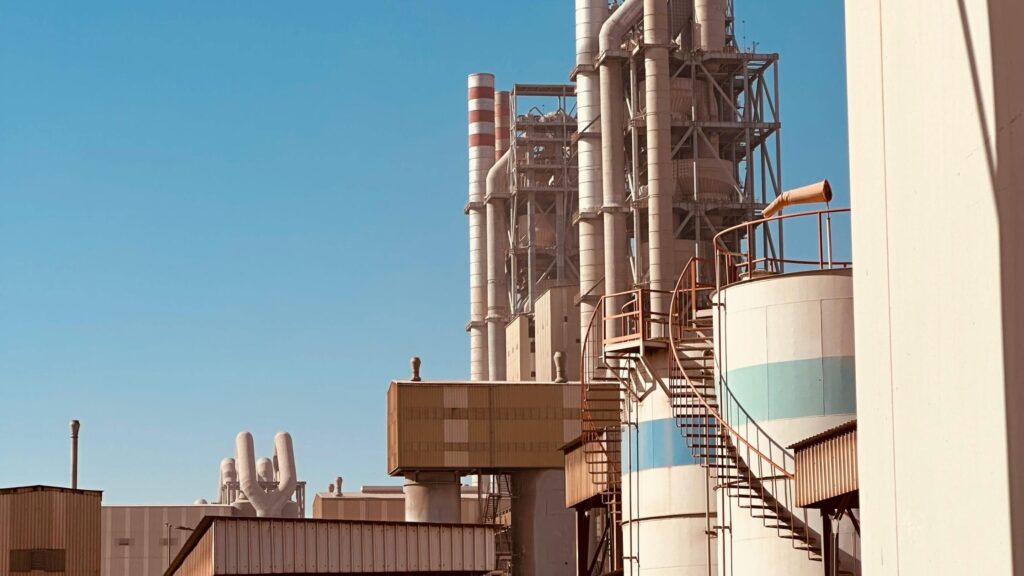
Cooling is not merely a passive waiting period after carbonization. It is a critical safety and quality step that, when done incorrectly, destroys product and can cause fires.
Freshly carbonized charcoal at 400–600°C is extremely reactive. The porous carbon surface has enormous surface area, and exposure to air at these temperatures causes immediate oxidation — the charcoal begins to combust spontaneously. This phenomenon, called “re-ignition” or “hot-loading,” has caused charcoal production fires and warehouse losses around the world.
The correct approach is to seal the kiln completely after carbonization and allow the contents to cool inside the sealed chamber before opening. Depending on batch size and kiln thermal mass, this takes 12–48 hours. Industrial continuous systems use water-jacketed cooling conveyors that bring charcoal from 600°C to below 50°C within a closed, oxygen-excluded system before it is discharged.
The target temperature for safe discharge to open air is below 50°C. Even this sounds conservative to some operators — and some push products out at higher temperatures — but the risk is real. Charcoal is responsible for a disproportionate number of warehouse and logistics fires precisely because of hot-loading incidents.
Must read – Charcoal grades
Step Five: Screening, Grading, and Quality Assessment

After cooling, raw charcoal from the kiln is a heterogeneous mix of large irregular lumps, smaller pieces, and fines (dust and fragments smaller than 5mm). Before it can be sold, it must be sorted.
Commercial charcoal goes through a series of vibrating screens that separate the material by size. Different size fractions serve different markets. The large lumps (40–150mm) command the highest prices in the BBQ and restaurant market, where customers pay a premium for attractive, large-piece lump charcoal. Medium pieces (20–40mm) go to household and domestic cooking markets. Small screenings and fines (under 10mm) are typically recycled into briquette production, where they are re-compressed with a binder.
Beyond size, quality assessment involves laboratory testing of representative samples. The most important parameters measured are fixed carbon content (the actual carbon percentage, excluding moisture, ash, and volatile matter), moisture content, volatile matter, ash content, and calorific value. Premium lump charcoal for export or high-end retail should carry a proximate analysis certificate with each batch — this is the charcoal equivalent of a nutrition label, and sophisticated buyers in export markets won’t purchase without it.
Visual quality assessment also matters. Good charcoal is deep black throughout, with a ringing sound when pieces are knocked together (indicating full carbonization). Pieces that are brown internally, soft, or chalky are under-carbonized. Excessive white or gray ash patches indicate moisture problems or kiln issues.
Step Six: Packaging and the Hidden Importance of Storage
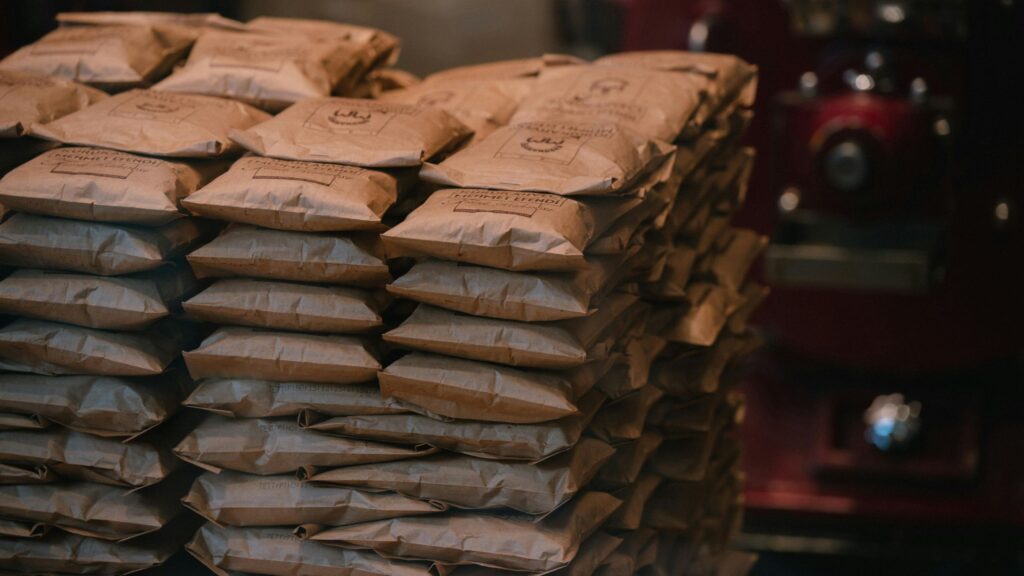
The final step before a product reaches a customer is packaging and storage — and this is an area where quality can be lost very easily if not handled carefully.
Charcoal is highly hygroscopic, meaning it actively absorbs moisture from the air. Premium charcoal with 4–5% moisture content at packaging can absorb additional moisture during storage and shipping, especially in humid climates, eventually arriving at the customer as a heavier, less efficient product. Packaging in moisture-resistant poly bags or paper sacks with poly liners protects against this.
Storage areas for charcoal should be dry, ventilated, and critically away from combustion risks. Large quantities of charcoal in enclosed spaces can create a self-heating risk if improperly handled, especially if stored while still warm from production.
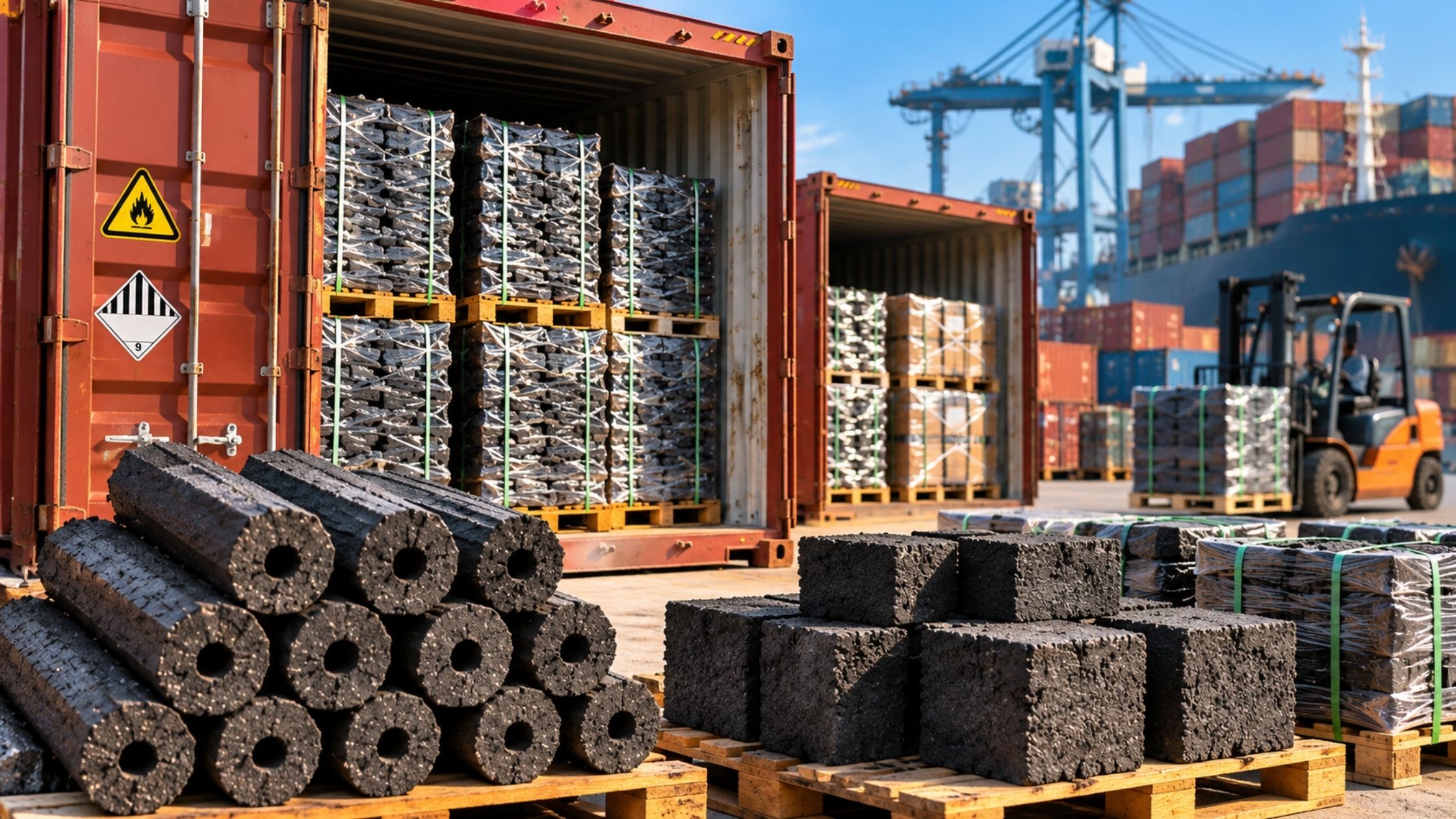
For export, charcoal is typically packed in jumbo bags (500–1,000 kg) or steel drums for container shipping. Containers should be ventilated — enclosed containers with charcoal can accumulate carbon monoxide from residual off-gassing, creating a serious hazard for workers who open containers at the destination port.
Also read – types of charcoal
The Environmental Reality of Charcoal Manufacturing
No serious discussion of charcoal manufacturing can ignore its environmental context. Globally, charcoal production is a leading driver of tropical deforestation, particularly in Sub-Saharan Africa, where traditional earth kilns consume enormous quantities of natural forest with low efficiency and no reforestation commitment. The FAO estimates that charcoal production accounts for roughly 3% of global greenhouse gas emissions.
The picture is not uniformly grim, however. Modern industrial charcoal plants built around sustainably managed plantations of fast-growing species — eucalyptus in Brazil, bamboo in China and Southeast Asia, casuarina in India — have a dramatically different environmental footprint. When pyrolysis gases are captured and used as fuel, when plantations are managed with replanting commitments, and when biochar co-products are returned to soil, charcoal manufacturing can be a genuinely low-carbon enterprise.
The Brazil case is instructive: the country’s massive metallurgical charcoal industry, which supplies carbon for pig iron smelting, has progressively shifted from native forest charcoal to plantation eucalyptus over several decades, reducing deforestation pressure substantially while maintaining production volumes. This model is increasingly the template for responsible industrial charcoal development globally.
What Makes a Great Charcoal: Putting It All Together
The quality of the finished charcoal is the sum of every decision made through the manufacturing process. The best charcoal in the world starts with dense, mature, sustainably sourced hardwood or shell feedstock. It is properly dried before carbonization. It is carbonized at the right temperature, for the right duration, in a kiln that controls oxygen precisely and reaches uniform temperatures throughout the mass. It is cooled carefully, screened to consistent sizes, tested against measurable quality parameters, and packaged in moisture-resistant materials.
Where shortcuts are taken, green wood is rushed into the kiln to save drying time, a kiln is opened too soon to increase throughput, and fines are left in the bag to hit a weight target the customer feels it in lighting time, burn temperature, ash volume, and the overall experience.
This is why the best charcoal brands command prices 2–4 times higher than commodity charcoal. The price differential is rarely about branding it is about the accumulated effect of doing every step of the manufacturing process properly.
For Further Reading:
charcoal exporting countries
how is bamboo charcoal made
Charcoal HS Codes
lump charcoal vs briquettes
can charcoal be reused
Best charcoal for smoking
Frequently Asked Questions
How long does it take to make charcoal?
The total time from loading a batch kiln to packaging finished charcoal is typically 24–72 hours for batch systems (including carbonization and cooling). Continuous industrial furnaces have a residence time of 2–6 hours inside the system, but operate without stopping. Traditional earth kilns take 5–15 days for a single batch.
How much charcoal does one ton of wood produce?
With properly dried hardwood in a well-operated modern retort or CCF, you can expect 280–320 kg of charcoal per ton of dry wood — a yield of 28–32%. Traditional earth kilns typically produce only 150–200 kg per ton of wood, which is one of the core reasons they are so environmentally destructive.
What temperature is charcoal made at?
The main carbonization zone is 400–600°C for standard charcoal. Higher temperatures — 600–800°C — produce charcoal with higher fixed carbon content and lower volatile matter, preferred for metallurgical and activated carbon applications. The entire process from ambient to peak temperature and back to safe discharge temperature spans 12–48 hours in batch systems.
Is charcoal manufacturing a profitable business?
With the right scale, feedstock sourcing, and market access, yes — substantially. Medium-scale industrial operations (5–10 tons/day) with gas recovery and premium market positioning typically achieve gross margins of 35–50%. The biggest cost variables are feedstock price and access to export markets, where prices are 2–4x domestic commodity levels.
What is the difference between charcoal and coke?
Both are carbon-rich fuels produced by thermal decomposition of organic materials, but coke is produced from coal (a fossil fuel), not wood. Metallurgical coke is produced by heating coal to 900–1,100°C in the absence of air. Charcoal is renewable (from biomass); coke is not. Charcoal typically has lower sulfur and phosphorus content than coke, which is why it is preferred for smelting high-purity metals like silicon.