


When you sell charcoal — whether for BBQ lovers, restaurants, shisha lounges, or retail stores — choosing the right type is not just about price. It directly affects customer satisfaction, repeat orders, smoke quality, burning time, and brand reputation.
The two most popular categories in the global market are wood charcoal and coconut charcoal (coconut shell charcoal briquettes).
This guide will help you decide which product fits your customers and business model.
1. What is Wood Charcoal?
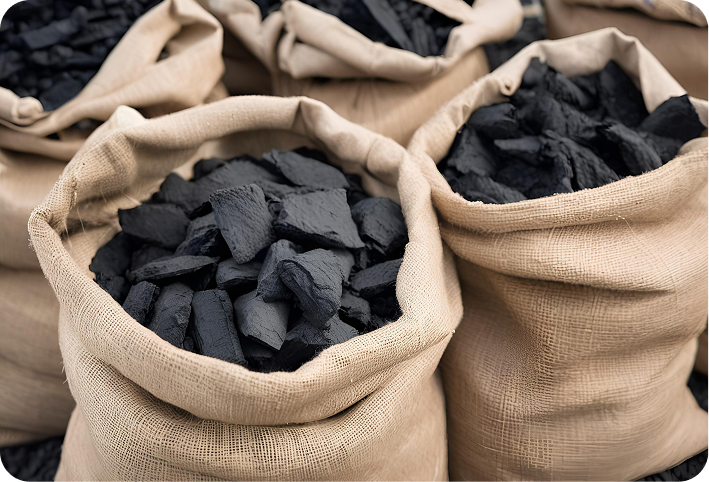
Wood charcoal is produced by carbonizing hardwood in a low-oxygen environment. It is the traditional form of charcoal used worldwide for cooking and grilling.
Key Characteristics
- Natural lump shape
- Lights quickly
- High heat output
- Produces smoke and aroma
- Usually cheaper than briquettes
Best For
- Restaurants & street food vendors
- BBQ grilling
- Fast cooking applications
- Price-sensitive markets
- African & South Asian markets
- Open-fire cooking
Advantages
✔ Easy ignition
✔ Strong heat intensity
✔ Lower cost per ton
✔ Adds smoky flavor to food
Disadvantages
✖ Produces sparks
✖ More ash residue
✖ Inconsistent size
✖ Shorter burn duration
2. What is Coconut Charcoal?
Coconut charcoal is made from coconut shells and compressed into uniform briquettes. It is considered a premium, eco-friendly fuel and is widely used in shisha/hookah markets and high-end BBQ segments.
Key Characteristics
- Hexagonal or cube briquettes
- Odorless and smokeless
- Very long burning time
- Low ash content (2–4%)
- Consistent size and shape
Best For
- Hookah & shisha lounges
- Premium restaurants
- Export markets (Europe & Middle East)
- Indoor cooking
- Luxury BBQ brands
Advantages
✔ Long burning (2–4+ hours)
✔ Minimal smoke
✔ Very low ash
✔ No chemical smell
✔ Eco-friendly product
✔ Clean packaging appeal
Disadvantages
✖ Higher price
✖ Slower ignition (needs burner)
✖ Not ideal for fast cooking
3. Quick Comparison
| Feature | Wood Charcoal | Coconut Charcoal |
|---|---|---|
| Price | Low | High |
| Burning Time | Short–Medium | Long |
| Heat | Very High | Stable Medium-High |
| Smoke | High | Very Low |
| Ash | Medium–High | Very Low |
| Shape | Irregular | Uniform Briquettes |
| Best Use | Cooking & BBQ | Hookah & Premium BBQ |
| Market Type | Mass Market | Premium Market |
4. Which One Should You Sell?
Choose Wood Charcoal if your market is:
- Restaurants
- Street food vendors
- Developing countries
- Fast cooking businesses
- Price-focused buyers
- High-volume wholesale buyers
Business Benefit: Faster turnover, easier sales, larger volume orders.
Choose Coconut Charcoal if your market is:
- Shisha lounges
- Hotels & resorts
- Europe / UAE / USA importers
- Premium retail brands
- Indoor cooking users
Business Benefit: Higher margins, brand positioning, repeat customers.
5. Smart Strategy: Offer Both
Most successful charcoal exporters and wholesalers don’t choose one — they sell both.
Why?
- Wood charcoal = Volume business
- Coconut charcoal = Profit business
Offering both allows you to serve multiple customer segments and avoid dependency on a single market.
Conclusion
There is no universally “better” charcoal — only the right charcoal for the right customer.
- If your buyers care about price and heat → Wood Charcoal
- If they care about clean burning and premium quality → Coconut Charcoal
Understanding your market demand will help you increase repeat orders, reduce complaints, and build a stronger brand in the charcoal industry.
