

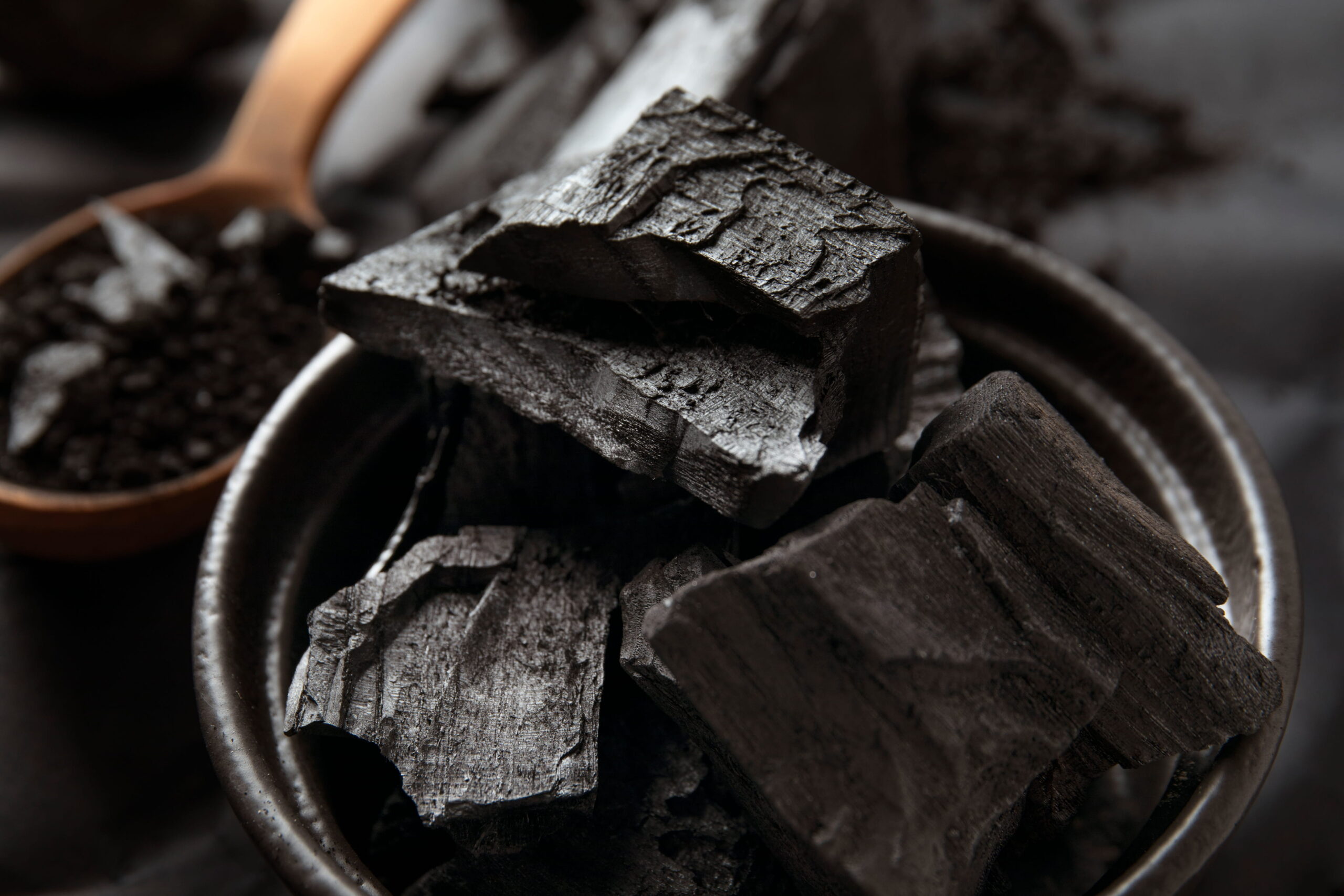
The charcoal trade looks simple: supplier ships, importer sells.
But in reality, most charcoal partnerships fail after the first or second container.
Why?
Because many importers face unexpected losses — smoke complaints, excessive ash, broken briquettes, moisture damage, or unhappy customers. When this happens, they don’t blame the market… they blame the supplier.
If you understand the common mistakes importers make, you can prevent problems before they happen and turn one-time buyers into long-term partners.
1. Not Matching Charcoal Type to End User
Many importers purchase charcoal based only on price.
Later they discover:
- Restaurants complain about low heat
- Shisha lounges complain about smell
- Retail customers complain about sparks
Why it happens
Importer doesn’t fully understand technical differences.
How a good supplier prevents it
Always ask buyers:
- Cooking or hookah use?
- Indoor or outdoor?
- Fast cooking or long burning?
- Budget or premium customers?
You are not just selling charcoal — you are recommending fuel.
2. Ignoring Moisture Content
Moisture is the silent killer of charcoal business.
High moisture causes:
- Difficult ignition
- Smoke
- Mold in containers
- Weight loss claims
- Bad reviews
Typical mistake
Importer focuses only on weight, not dryness.
Supplier solution
Provide:
- Moisture report (ideal: 5–8% for wood, 4–6% for briquettes)
- Container desiccant usage
- Inner liner packaging
This single step can save a business relationship.
3. Choosing the Wrong Packaging
Many importers request cheaper packaging to save money — then lose much more after arrival.
Common results:
- Powder formation
- Broken coconut cubes
- Retail rejection
- Warehouse mess
Preventive action
Educate buyers:
Transport packaging ≠ Retail packaging
Cheap bags work for bulk markets
Strong cartons required for premium markets
4. Not Understanding Ash Content
Customers rarely complain about heat — they complain about cleaning.
High ash = restaurants hate it
Very low ash = premium product satisfaction
Typical acceptable levels:
- Wood charcoal: 5–12%
- Coconut charcoal: 2–4%
A supplier who shares lab values builds trust immediately.
5. Ordering Wrong Container Quantity
Many first-time importers order random quantities and sizes.
Result:
- Oversupply of slow-moving items
- Cash flow problems
- No repeat order
Smart supplier strategy
Recommend mixed container loading:
- Fast-moving size (60%)
- Medium demand size (30%)
- Trial products (10%)
You help them sell faster — they reorder faster.
6. Not Testing Before Bulk Order
Biggest mistake in charcoal importing:
Ordering full container without sample testing.
This leads to:
- Market mismatch
- Customer rejection
- Total loss container
Professional approach
Always insist on:
- Sample shipment
- Burn test
- Ash test
- Smell test
If the buyer succeeds → you gain long-term client.
7. No After-Sales Support
Most suppliers disappear after shipping documents are sent.
But importers face problems like:
- Storage humidity
- Lighting difficulty
- Customer complaints
- Usage confusion
A supplier who helps solve these becomes the preferred partner.
Conclusion
In the charcoal industry, the product matters — but guidance matters more.
Importers don’t just need a manufacturer.
They need a knowledgeable supplier who prevents costly mistakes.
When you help your buyers succeed:
- Complaints decrease
- Trust increases
- Orders become regular
- Price becomes less sensitive
The strongest charcoal businesses are built on advice, not just supply.